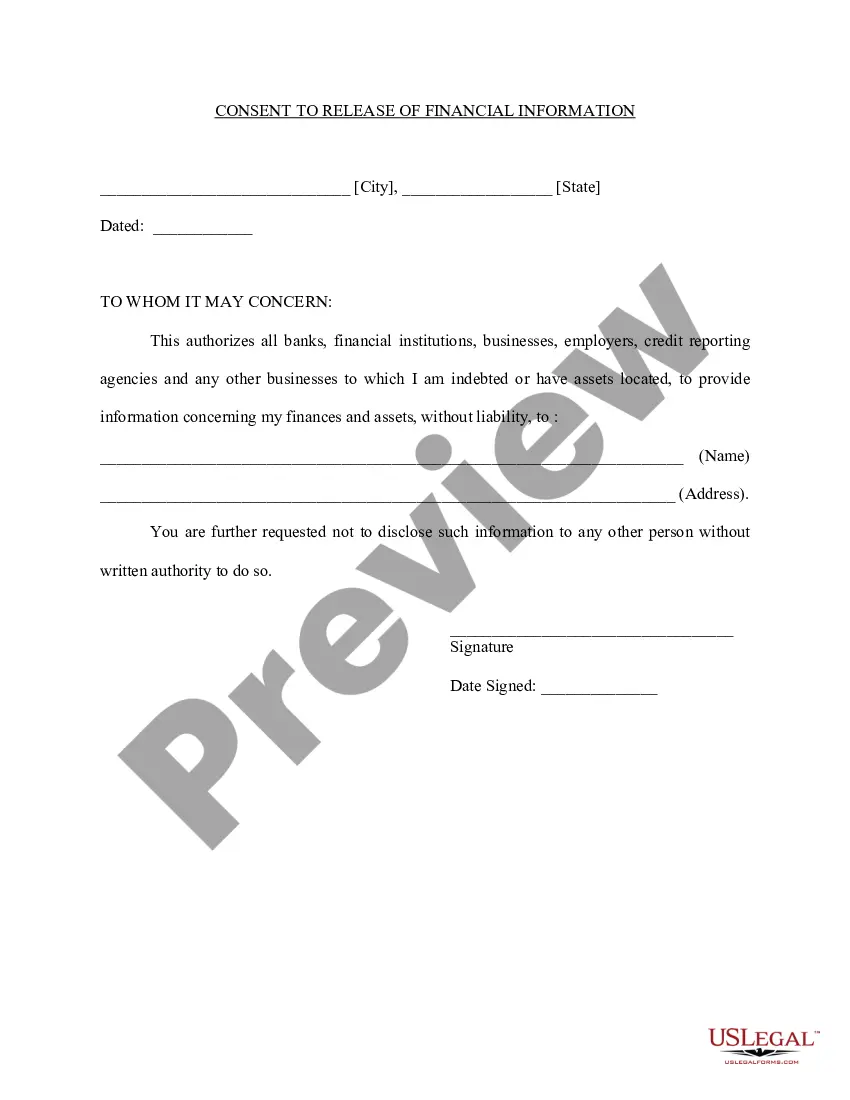
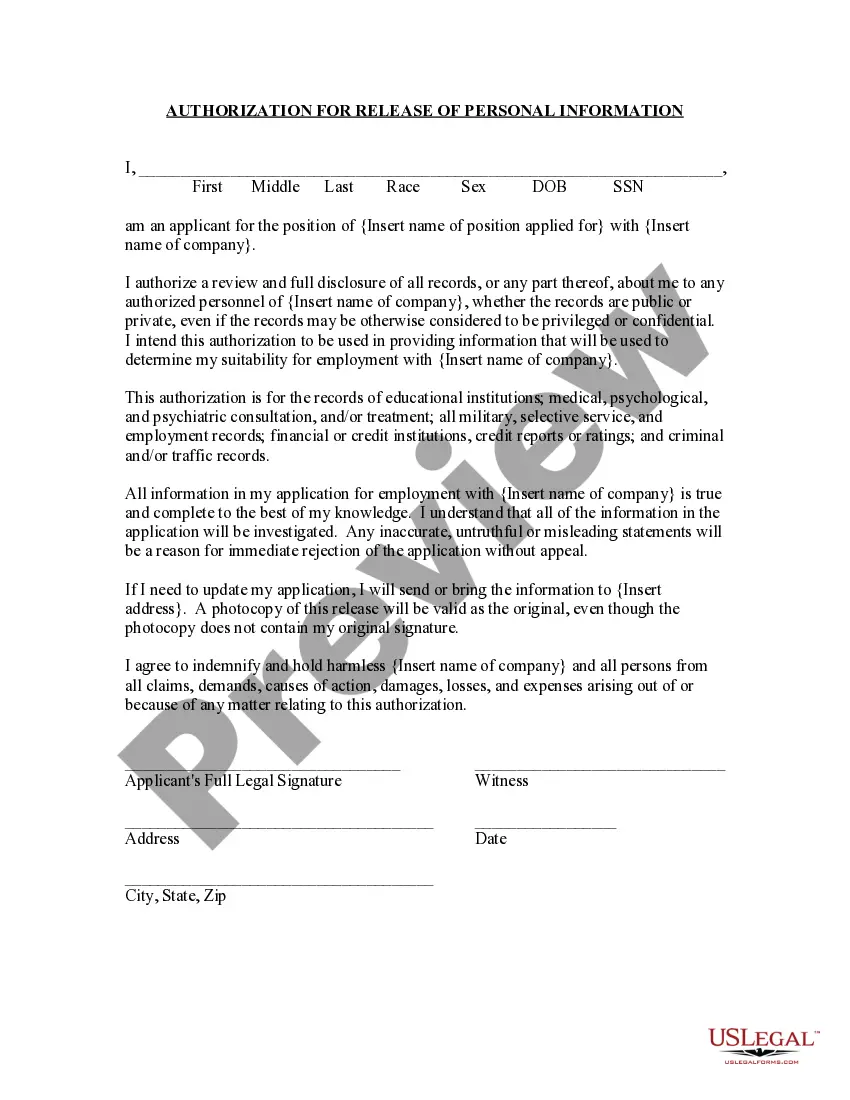
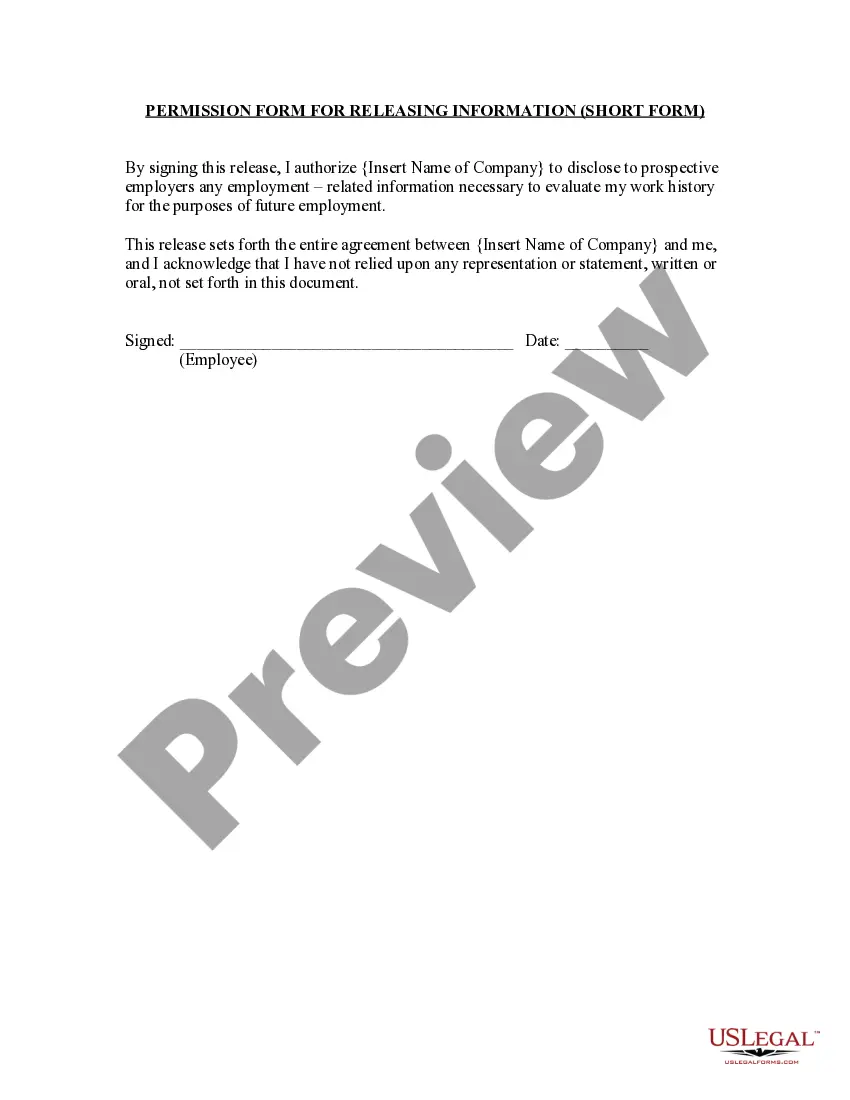
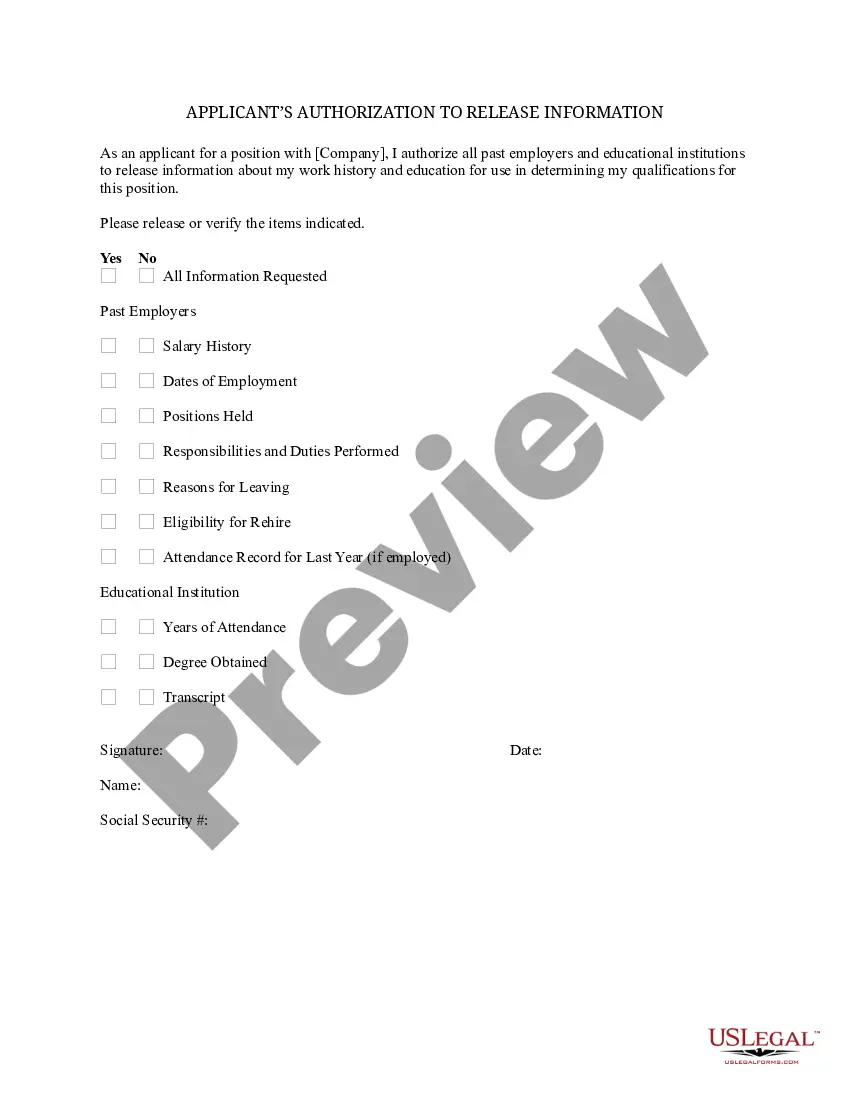
Personal Information Released Without Consent In Ohio
Description

Get your form ready online
Our built-in tools help you complete, sign, share, and store your documents in one place.
Make edits, fill in missing information, and update formatting in US Legal Forms—just like you would in MS Word.
Download a copy, print it, send it by email, or mail it via USPS—whatever works best for your next step.
Sign and collect signatures with our SignNow integration. Send to multiple recipients, set reminders, and more. Go Premium to unlock E-Sign.
If this form requires notarization, complete it online through a secure video call—no need to meet a notary in person or wait for an appointment.
We protect your documents and personal data by following strict security and privacy standards.

Make edits, fill in missing information, and update formatting in US Legal Forms—just like you would in MS Word.

Download a copy, print it, send it by email, or mail it via USPS—whatever works best for your next step.

Sign and collect signatures with our SignNow integration. Send to multiple recipients, set reminders, and more. Go Premium to unlock E-Sign.

If this form requires notarization, complete it online through a secure video call—no need to meet a notary in person or wait for an appointment.

We protect your documents and personal data by following strict security and privacy standards.
Looking for another form?





Form popularity
FAQ
This landmark data privacy bill is designed to empower Ohio residents with greater control over their personal data. The OPPA introduces strict regulations for businesses with respect to collecting, processing, and sharing data, thereby establishing a more secure environment for personal data.
Per Ohio Rev. Code §§ 2933.51, Ohio is a one-party consent state. This means that under Ohio law, only one person involved in a conversation needs to consent to its recording. If you participate in a conversation, you can legally record it without notifying the other party.
Rule 5122-27-06 | Release of information. (A) Each request for information regarding a current or previous client shall be accompanied by an authorization for release of information, except as specified in sections 5119.27, 5119.28, and 5122.31 of the Revised Code.
Failure to disclose personal information in Ohio is a 4th degree misdemeanor, which carries up to 30 days in jail and a $250 fine. In addition to the primary penalties of jail and a fine, secondary consequences exist as well.
Rule 33-13-37 | Electronic recording of classroom activities. The policy governs the electronic recording made by students, faculty, and staff in a classroom or other official academic setting. Electronic recording is not permitted unless explicit permission is granted and other students are notified.
No mechanical recording, electronic or otherwise, of a telephone conversation shall be admitted into evidence in any civil proceeding unless (i) all parties to the conversation were aware the conversation was being recorded or (ii) the portion of the recording to be admitted contains admissions that, if true, would ...
This landmark data privacy bill is designed to empower Ohio residents with greater control over their personal data. The OPPA introduces strict regulations for businesses with respect to collecting, processing, and sharing data, thereby establishing a more secure environment for personal data.