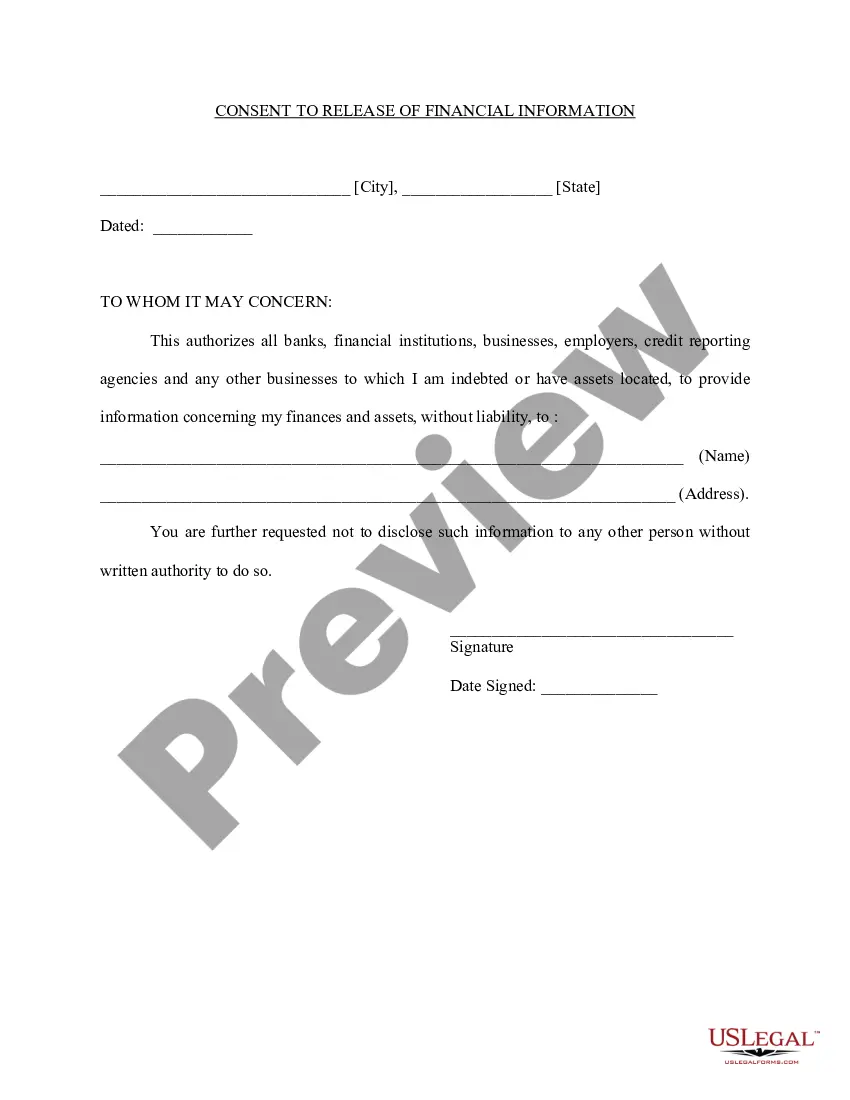
Medical Information Released Without Consent In Cook
Description

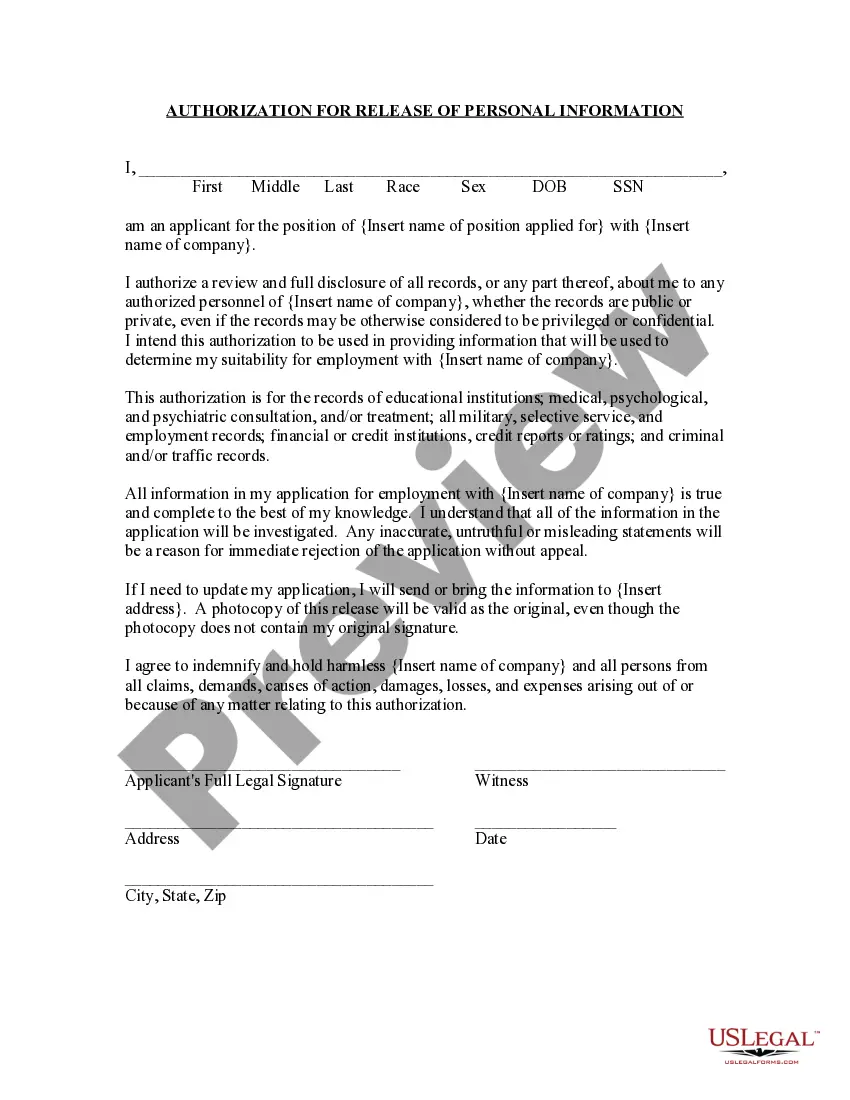
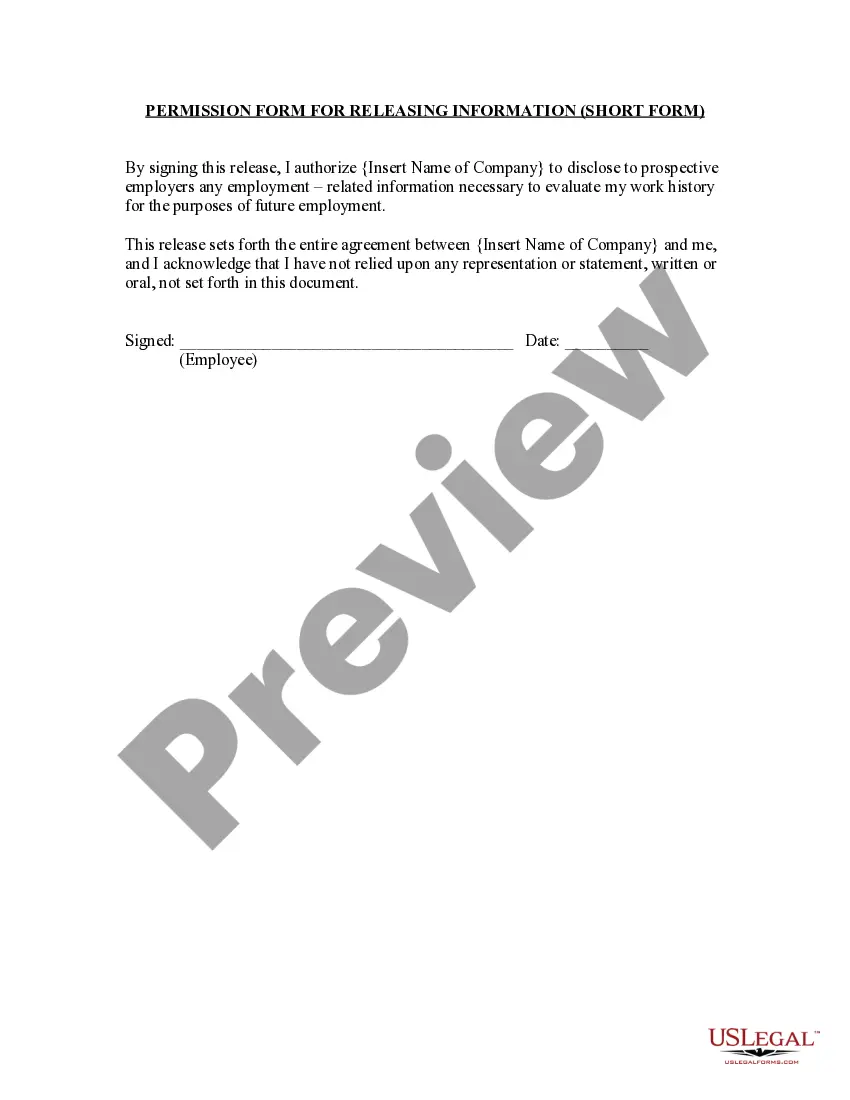
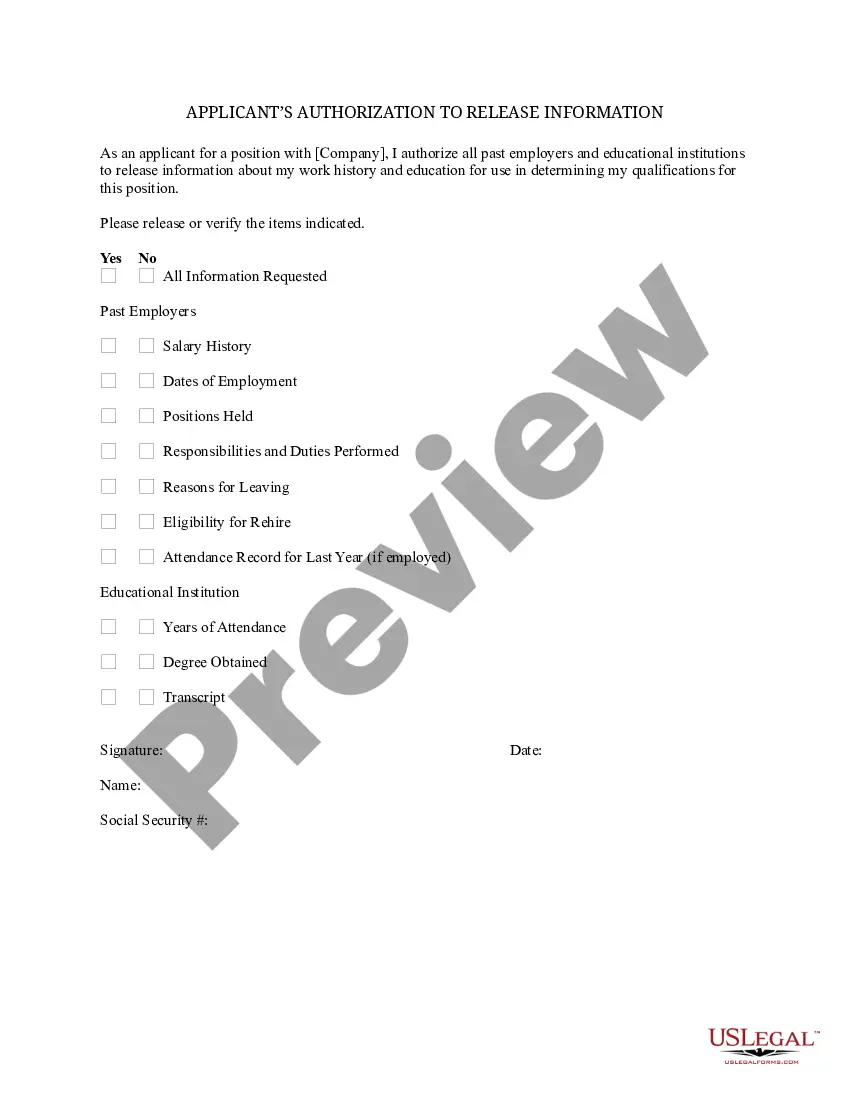
Get your form ready online
Our built-in tools help you complete, sign, share, and store your documents in one place.
Make edits, fill in missing information, and update formatting in US Legal Forms—just like you would in MS Word.
Download a copy, print it, send it by email, or mail it via USPS—whatever works best for your next step.
Sign and collect signatures with our SignNow integration. Send to multiple recipients, set reminders, and more. Go Premium to unlock E-Sign.
If this form requires notarization, complete it online through a secure video call—no need to meet a notary in person or wait for an appointment.
We protect your documents and personal data by following strict security and privacy standards.

Make edits, fill in missing information, and update formatting in US Legal Forms—just like you would in MS Word.

Download a copy, print it, send it by email, or mail it via USPS—whatever works best for your next step.

Sign and collect signatures with our SignNow integration. Send to multiple recipients, set reminders, and more. Go Premium to unlock E-Sign.

If this form requires notarization, complete it online through a secure video call—no need to meet a notary in person or wait for an appointment.

We protect your documents and personal data by following strict security and privacy standards.
Looking for another form?








Form popularity
FAQ
Health and care records are confidential so a person can only access someone else's records if they are authorised to do so. To access someone else's health records, a person must: be acting on their behalf with their consent, or. have legal authority to make decisions on their behalf (i.e. power of attorney), or.
LEGAL CONSIDERATIONS Patients taking video recordings of their own medical care and interactions does not currently fall under any of the provincial privacy laws.
Audio and video recordings may be made within the hospital under specific circumstances. It is important to be mindful of the privacy of others, including patients, visitors, physicians, staff, students and volunteers. Under Canadian law, you must be part of the conversation being recorded in order to record it.
While this can benefit patients who want to document their care, it can create challenges for physicians, especially when recordings are made without their knowledge. Though patients are legally allowed to record medical visits, issues arise when these recordings are shared publicly.
Most often health care providers will ask for a patient's “informed consent” to share the information within their organization and, in some cases with other doctors or organizations. Health care providers are not allowed to share personal health information unless they first get the patient's informed consent.
Privacy legislation generally allows doctors to disclose personal health information without consent to avert an imminent or significant risk of harm to an identifiable person or group.
The doctrine of informed consent ensures the freedom of individuals to make choices about their medical care. It is the patient, not the physician, who ultimately must decide if treatment — any treatment — is to be administered."
Ii)--There may be two situations—when both parties consent or only one party's consent is there. In 'all-party' jurisdictions, covert recordings, on the part of doctors or patients, are illegal as everyone being recorded must consent.
Check their website: Information about how to get your health record may be found under the Contact Us section of a provider's website. It may direct you to an online portal, a phone number, an email address, or a form. Phone or visit: You can also call or visit your provider and ask them how to get your health record.
Log symptoms and side effects. If you or a loved one has a chronic condition, keep a log of relevant factors like blood pressure and blood sugar. If you can, include the time of day so that your doctor can help figure out whether changes in your health measurements are related to the condition or to medications.