Care Caregiver Form For Yourself Poem In Tarrant
Description

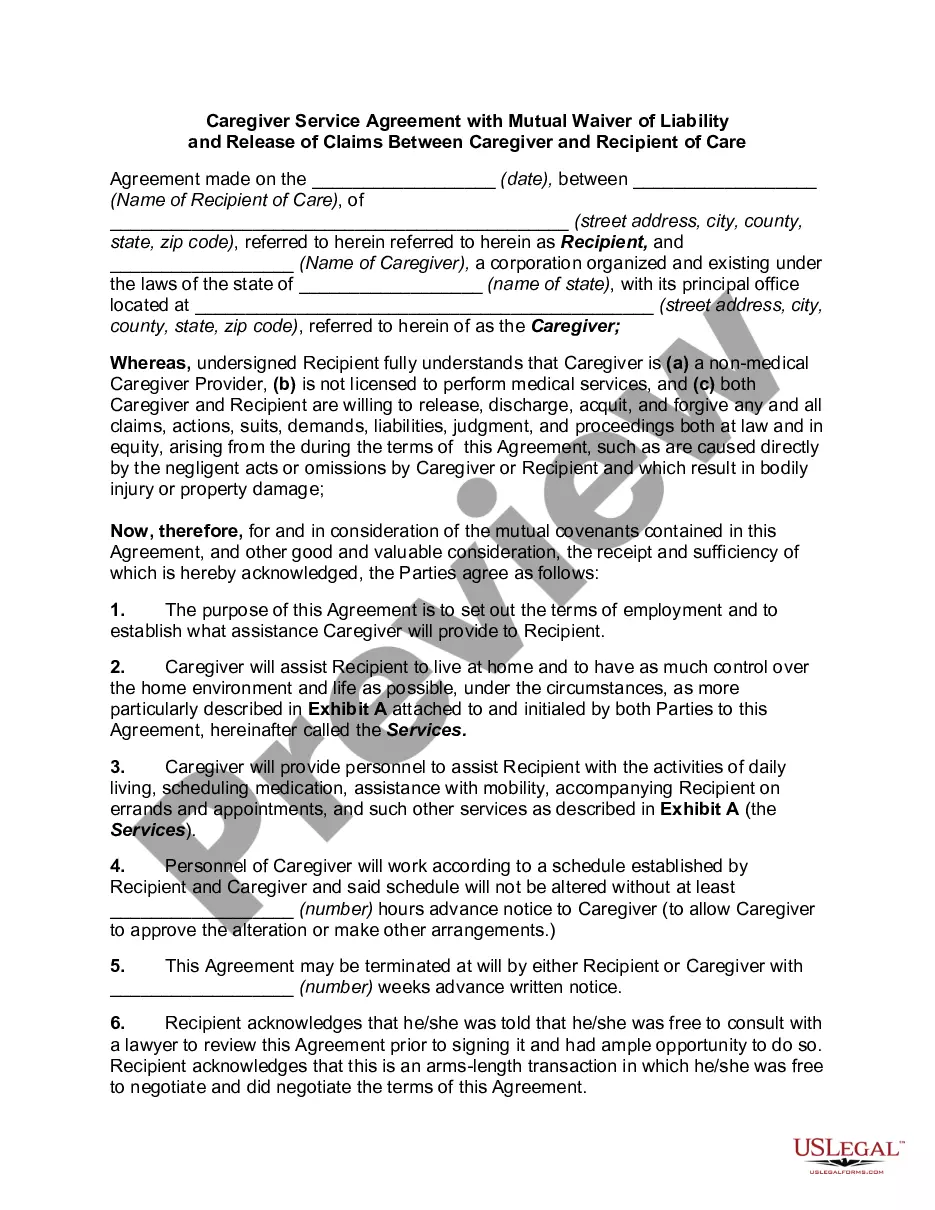
Get your form ready online
Our built-in tools help you complete, sign, share, and store your documents in one place.
Make edits, fill in missing information, and update formatting in US Legal Forms—just like you would in MS Word.
Download a copy, print it, send it by email, or mail it via USPS—whatever works best for your next step.
Sign and collect signatures with our SignNow integration. Send to multiple recipients, set reminders, and more. Go Premium to unlock E-Sign.
If this form requires notarization, complete it online through a secure video call—no need to meet a notary in person or wait for an appointment.
We protect your documents and personal data by following strict security and privacy standards.

Make edits, fill in missing information, and update formatting in US Legal Forms—just like you would in MS Word.

Download a copy, print it, send it by email, or mail it via USPS—whatever works best for your next step.

Sign and collect signatures with our SignNow integration. Send to multiple recipients, set reminders, and more. Go Premium to unlock E-Sign.

If this form requires notarization, complete it online through a secure video call—no need to meet a notary in person or wait for an appointment.

We protect your documents and personal data by following strict security and privacy standards.
Looking for another form?


Form popularity
FAQ
Self-Care for Caregivers Take time for yourself and your own needs. Eat a well-balanced diet. Exercise by taking short walks daily or at least three times a week. Listen to guided relaxation recordings or relaxing music. Schedule short rest periods between activities. Set limits for what you can do.
Best Practices for Caregiver Notes Use Standardized Formats. Document Observations & Actions Clearly. Maintain Objectivity & Avoid Personal Bias. Include Specifics for Follow-Up Actions. Regularly Review & Update Notes. Ensure Compliance With Regulations. Use Digital Tools for Efficient Data Management.
He is a caregiver for his autistic son. She is able to take care of her husband at home with the help of several caregivers. Unless you have been a caregiver or a close family member or friend to someone with Alzheimer's, it's hard to really understand what it's like.
Caregiver Support: 5 Tips for Providing Compassionate Care for Family Caregivers Act from love, not from a sense of duty. Caregiving is about one person helping another. Educate yourself about health conditions. Take time to listen. Care for yourself. Honor your loved one's spiritual needs.
“Thank you for the care and support you've provided to our loved one. The family was truly grateful for all that you do.” – The Family of M.M. “Thank you so much for the care that you gave our loved one.
How to write a letter of recommendation for a caregiver Read the job description. Add a salutation. Introduce yourself. List skills. Summarize your recommendation. Close the letter. Deliver the letter.
You are seen and deeply appreciated. Thank you for all you are doing every day to help our loved one. Your caregiving for our loved one is extraordinary and will not be forgotten.
Remember that you don't have to do everything all at once, especially if the thought of self-care just makes you feel more exhausted. Be active. Eat well. Prioritize sleep. Reduce stress. Make time to relax. Keep up with your own health. Reach out for support. Take a break if you need it.
Remember that you don't have to do everything all at once, especially if the thought of self-care just makes you feel more exhausted. Be active. Eat well. Prioritize sleep. Reduce stress. Make time to relax. Keep up with your own health. Reach out for support. Take a break if you need it.
Looking after yourself Telling your GP. Talking to your GP Your wellbeing Flu jabs Practical support. Taking a break. Taking a break Video series Carer's assessment Arranging care. Your emotions. Depression and stress Difficult emotions Your relationships Connect with carers. Your mind and body.
