South Carolina Life Estate Deed from Two Individuals / Husband and Wife to an Individual
What is this form?
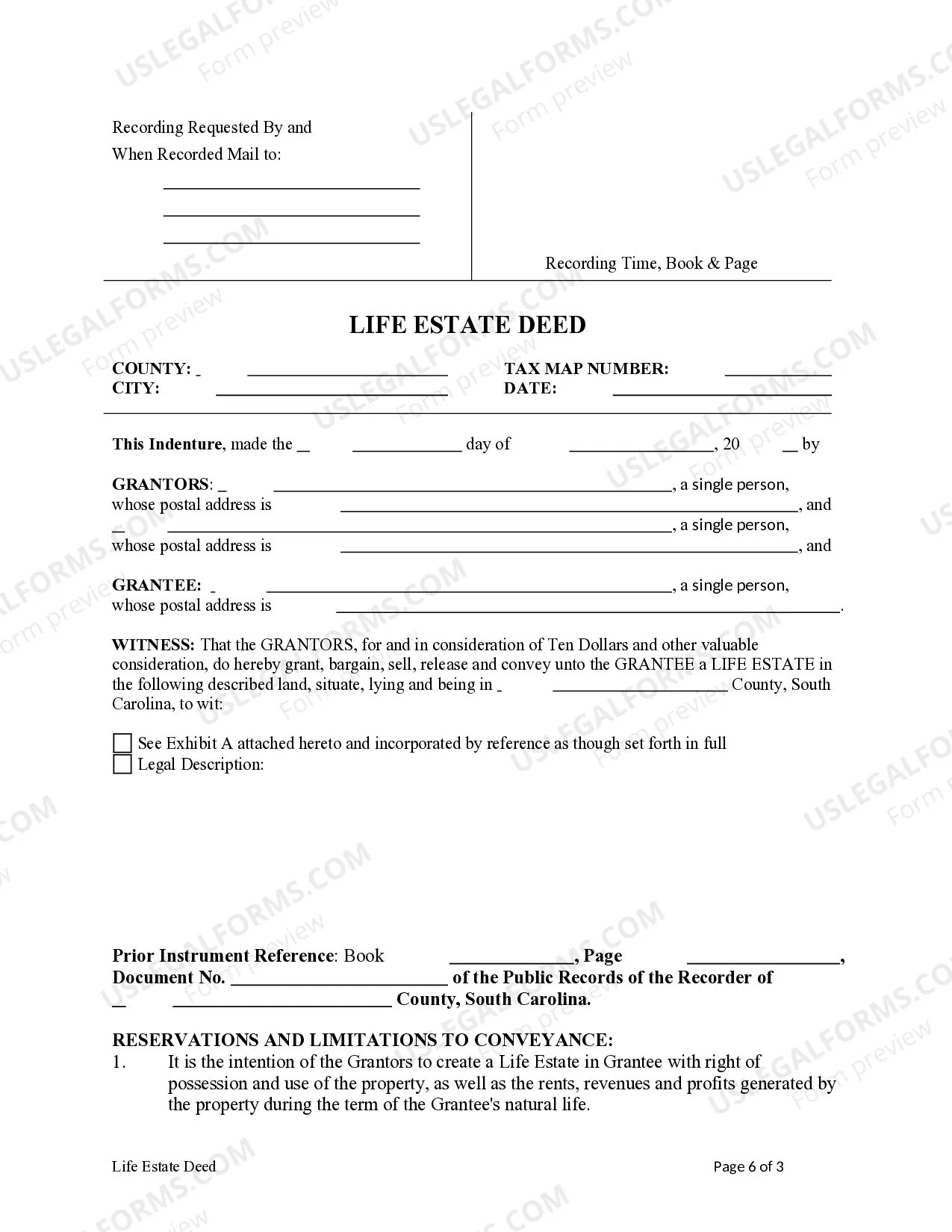
This Life Estate Deed from two individuals (or husband and wife) to an individual, is designed to convey a life estate in real property. This means that the Grantors grant the Grantee the right to use and benefit from the property during their lifetime, while the ownership reverts back to the Grantors or their heirs upon the Grantee's death. This form complies with state statutory laws, providing legal clarity and protection for both parties involved. Unlike a standard deed, a life estate deed allows for continued enjoyment of the property by the Grantee, rather than a full and immediate transfer of ownership.
What’s included in this form
- Grantors and Grantee: Clearly identifies the individuals transferring the property and the recipient.
- Life Estate Clause: Specifies the life estate granted to the Grantee and the rights associated with it.
- Property Description: Contains a legal description of the property being transferred, ensuring clear boundaries and identification.
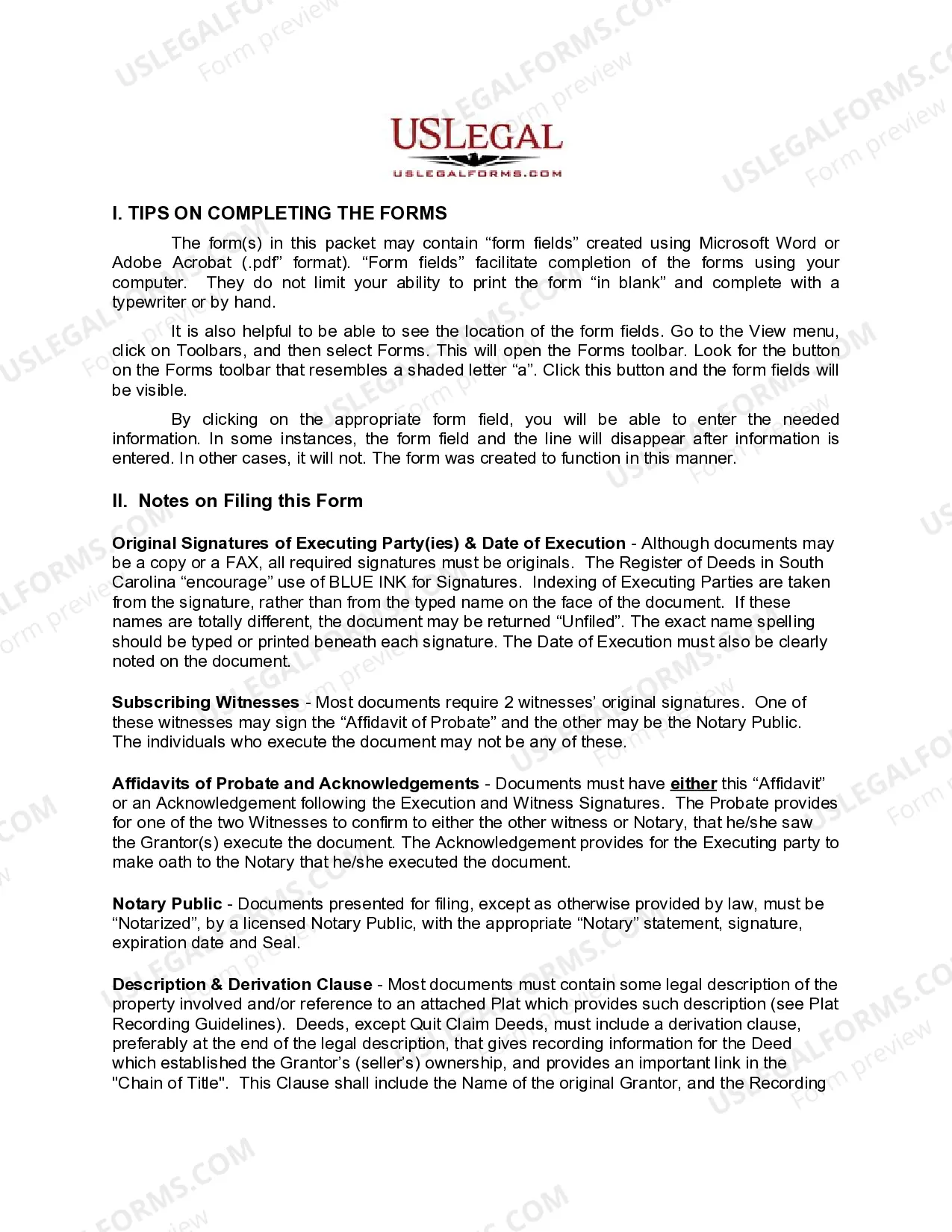
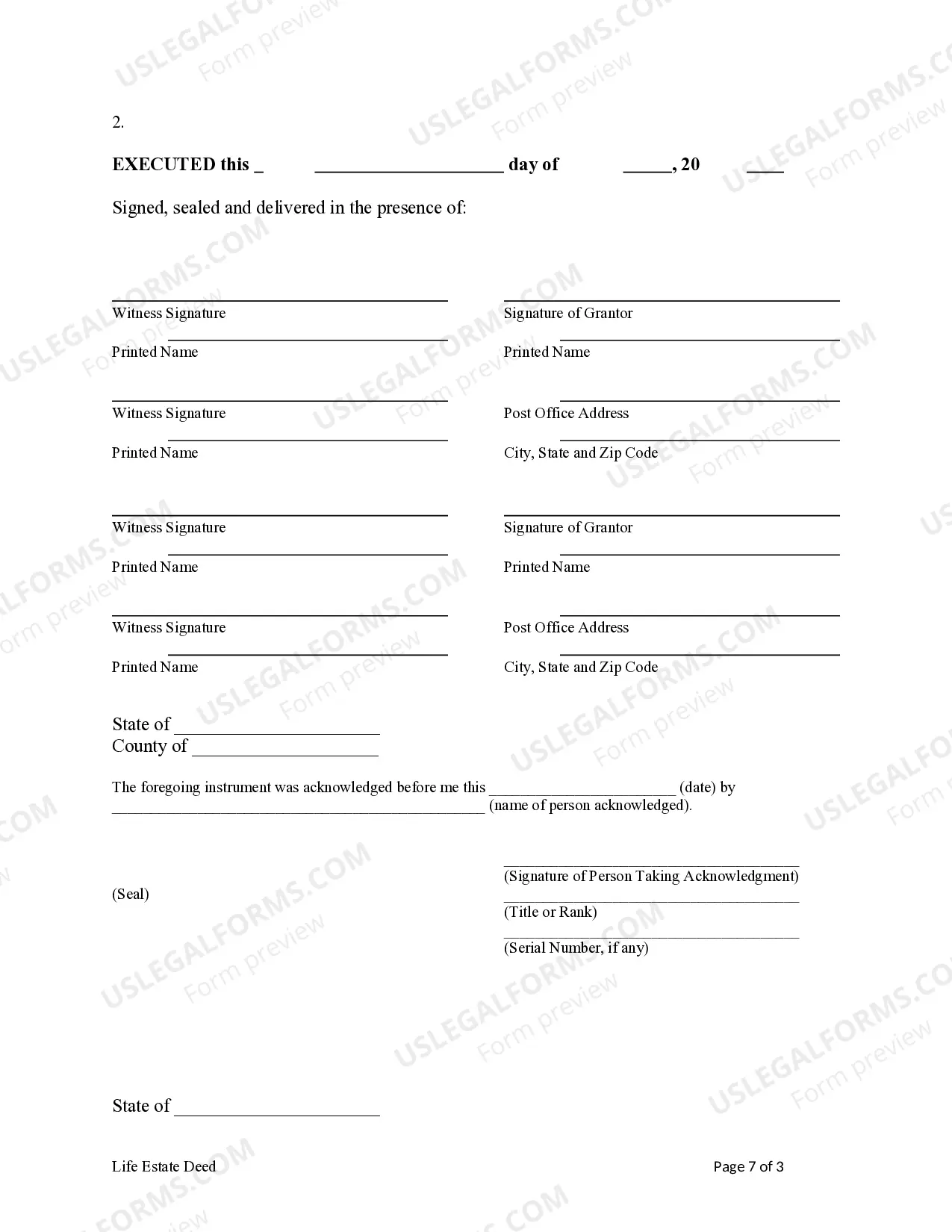
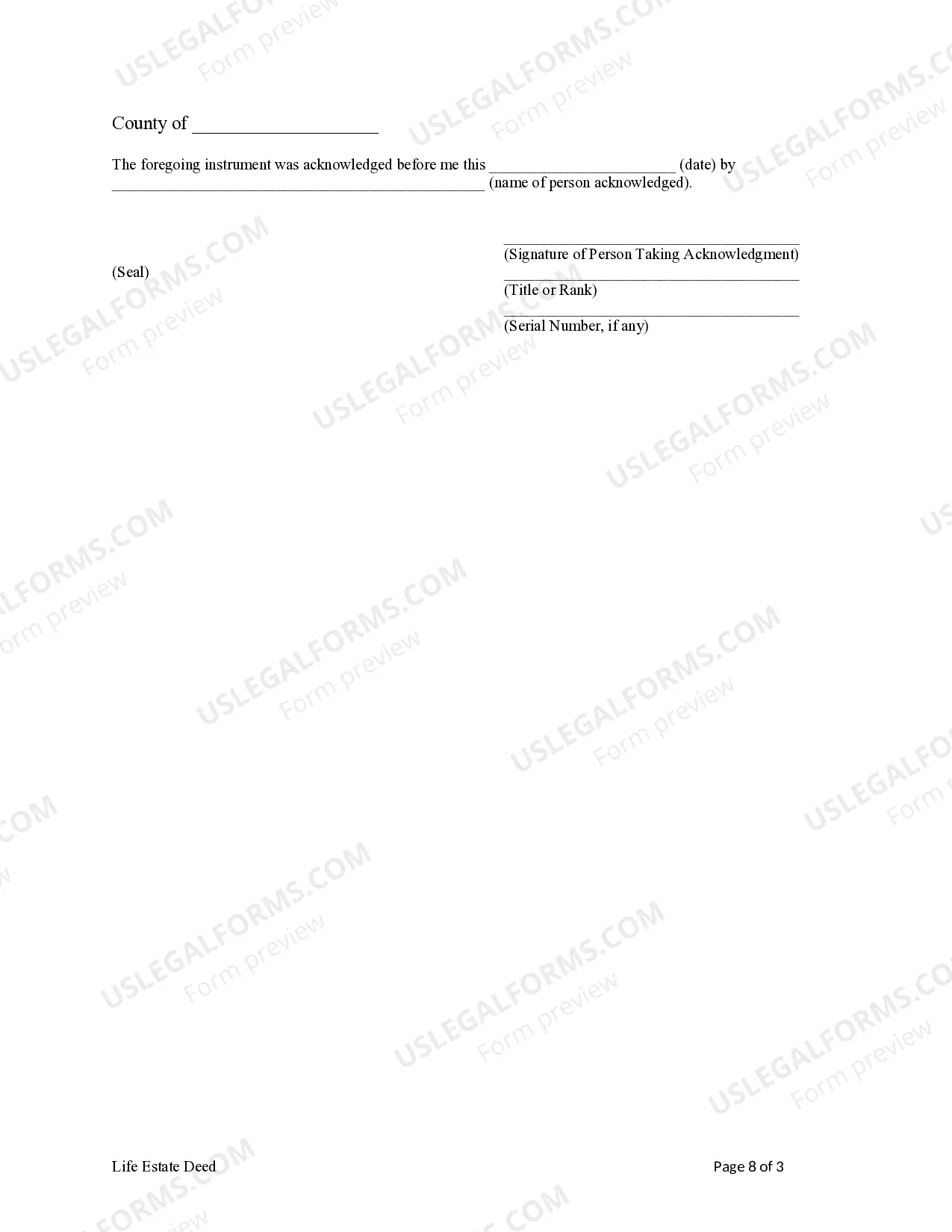
- Signatures: Requires original signatures from the Grantors and witnesses, typically necessitating notarization.
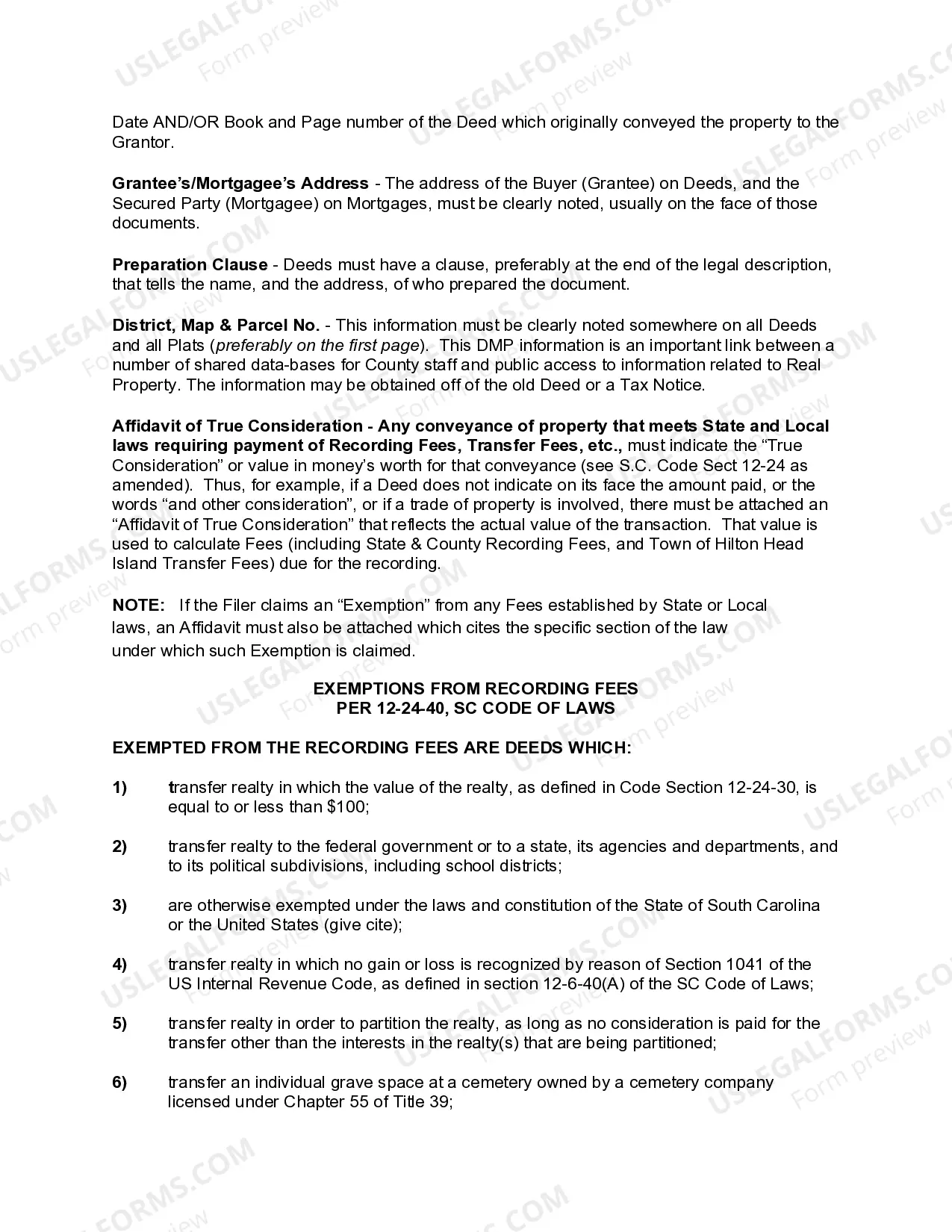
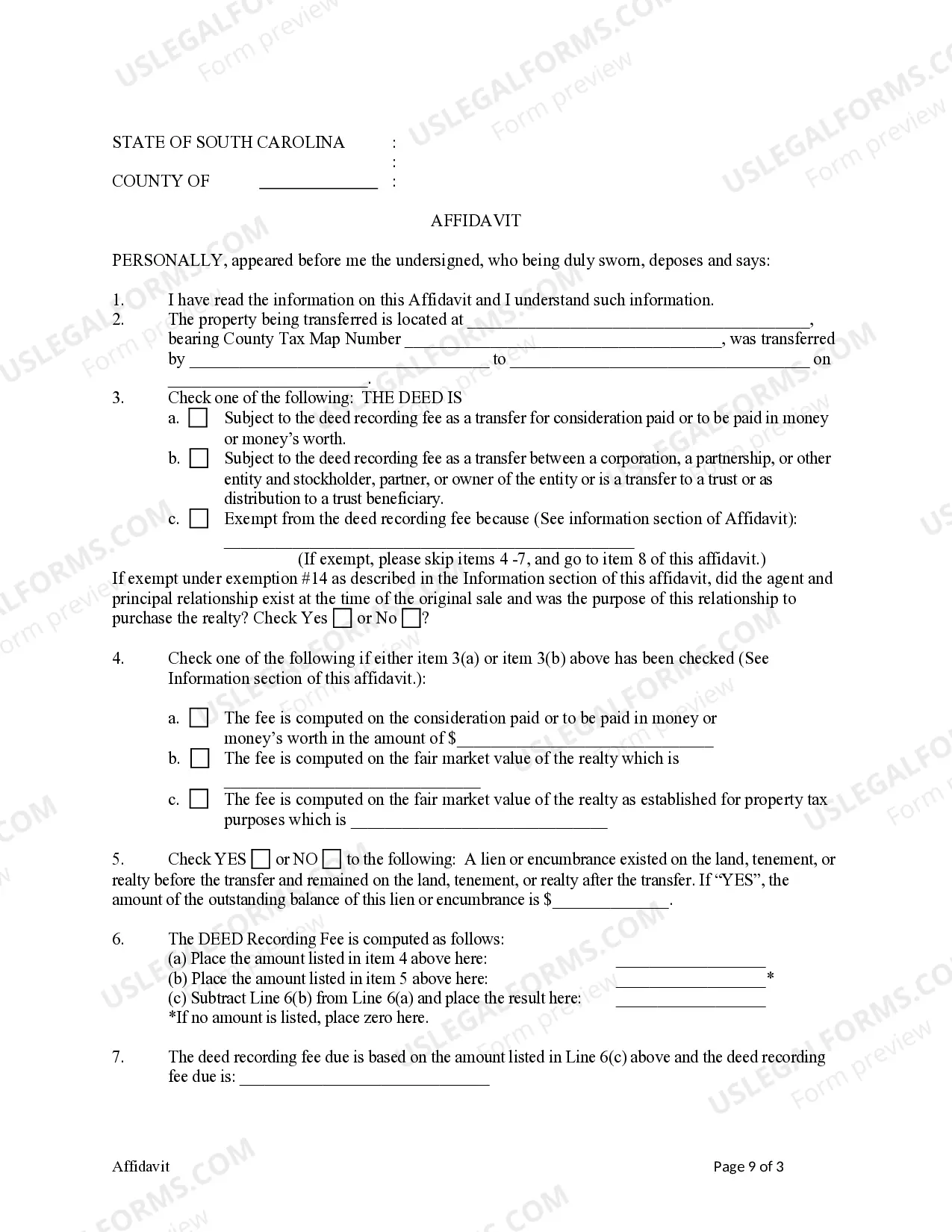
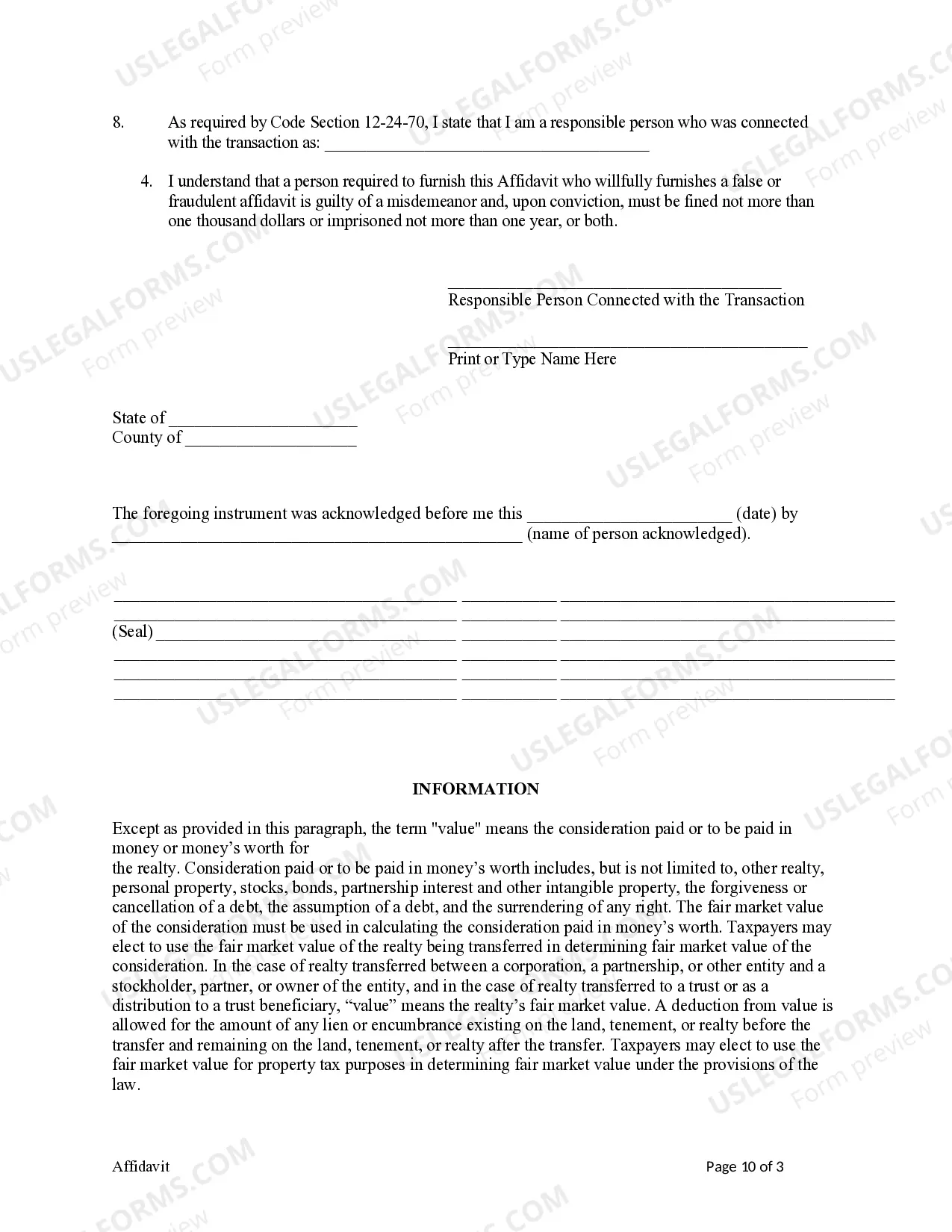
- Affidavit of True Consideration: Provides details on any consideration involved in the transfer of property, crucial for recording purposes.





When this form is needed
This form is used when two individuals (or a married couple) wish to transfer property ownership while retaining certain rights for the Grantee during their lifetime. It is especially useful for estate planning, allowing the Grantors to ensure that the Grantee may utilize and benefit from the property, such as living in it or deriving income from it, until they pass away. This deed is appropriate when the Grantors want to provide security and control over how the property will be used in the future, even after their departure.
Who this form is for
- Couples or individuals looking to transfer property while retaining a life interest for one party.
- Individuals engaged in estate planning to specify how property will be managed and transferred after death.
- Grantors wishing to minimize the probate process for their heirs.
How to complete this form
- Identify the Grantors and the Grantee: Clearly write the full legal names of the individuals transferring the property and the recipient.
- Describe the property: Include a detailed legal description of the property being transferred to prevent any ambiguity.
- Specify the rights granted: Clearly state that the Grantee is receiving a life estate, detailing their rights of use and possession.
- Obtain signatures: Ensure original signatures from all Grantors and required witnesses, following local laws regarding signatures and notarization.
- Fill out necessary affidavits: Complete any required affidavits to disclose true consideration or any exemptions from recording fees, if applicable.
Is notarization required?
Yes, this form must be notarized to be legally valid. Notarization helps to verify the authenticity of the signatures and the identity of the signers. US Legal Forms offers integrated online notarization, allowing users to complete the process securely via video call at any time, providing convenience without the need for physical travel.
Get your form ready online
Our built-in tools help you complete, sign, share, and store your documents in one place.
Make edits, fill in missing information, and update formatting in US Legal Forms—just like you would in MS Word.
Download a copy, print it, send it by email, or mail it via USPS—whatever works best for your next step.
Sign and collect signatures with our SignNow integration. Send to multiple recipients, set reminders, and more. Go Premium to unlock E-Sign.
If this form requires notarization, complete it online through a secure video call—no need to meet a notary in person or wait for an appointment.
We protect your documents and personal data by following strict security and privacy standards.

Make edits, fill in missing information, and update formatting in US Legal Forms—just like you would in MS Word.

Download a copy, print it, send it by email, or mail it via USPS—whatever works best for your next step.

Sign and collect signatures with our SignNow integration. Send to multiple recipients, set reminders, and more. Go Premium to unlock E-Sign.

If this form requires notarization, complete it online through a secure video call—no need to meet a notary in person or wait for an appointment.

We protect your documents and personal data by following strict security and privacy standards.
Typical mistakes to avoid
- Failing to include a legal description of the property, which can lead to disputes or recording rejections.
- Not obtaining original signatures from all parties involved, as only copies may make the deed invalid.
- Skipping the notarization process, which may be required for the deed to be legally recognized.
- Incorrectly completing the Affidavit of True Consideration, leading to potential legal complications during recording.
Advantages of online completion
- Convenience of downloading and completing the form at your own pace, without the need for in-person consultations.
- Editability to ensure that all necessary details can be easily adjusted before finalizing the document.
- Access to forms drafted by licensed attorneys, ensuring compliance with current laws.
Looking for another form?

Form popularity
FAQ
A life estate deed permits the property owner to have full use of their property until their death, at which point the ownership of the property is automatically transferred to the beneficiary.In the right situations, it can be a streamlined and easy way to transfer ownership.
Life Tenant the beneficiary entitled to receive lifetime benefits from a Trust. Remainderman the beneficiary who will receive trust assets after the Life Tenant has died. Right of Occupation a right to live in a property for a specified time, or for the beneficiary's lifetime, but usually subject to conditions.
What happens to a life estate after someone dies? Upon the life tenant's death, the property passes to the remainder owner outside of probate.They can sell the property or move into and claim it as their primary residence (homestead). Property taxes will not be reassessed.
The date the deed was made; The name of the party granting the life estate and their address; The name of the grantee and their address; The address and a legal description of the property that is subject to the life estate;
With a life estate deed, the remainderman's ownership interest vests when the deed is signed and delivered (or recorded in the public record). Accordingly, the children's ownership interest in the property vested upon their father signing the deed and recording it in the public records, or the year 2000.
A life estate deed permits the property owner to have full use of their property until their death, at which point the ownership of the property is automatically transferred to the beneficiary.
Remainderman Rights and Life Estates Typically, the deed will state that the occupant of property is allowed to use it for the duration of their life. Almost all deeds creating a life estate will also name a remaindermanthe person or persons who get the property when the life tenant dies.
Example of creation of a life estate: I grant to my mother, Molly McCree, the right to live in and/or receive rents from my real property, until her death, or I give my daughter, Sadie Hawkins, my real property, subject to a life estate to my mother, Molly McCree. This means a woman's mother, Molly, gets to live in
A person owns property in a life estate only throughout their lifetime. Beneficiaries cannot sell property in a life estate before the beneficiary's death. One benefit of a life estate is that property can pass when the life tenant dies without being part of the tenant's estate.