Caregiver Form For Elderly In Pennsylvania
Description


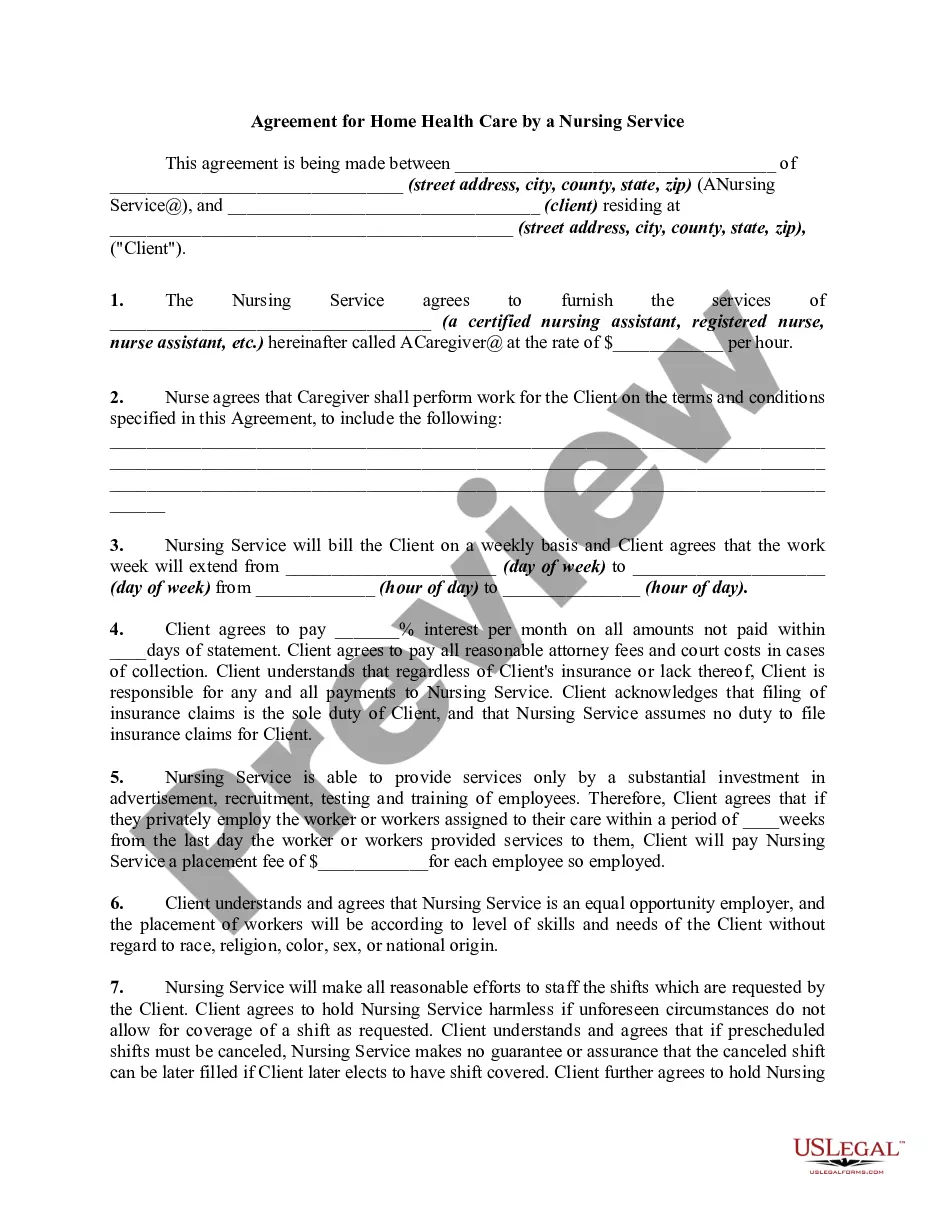
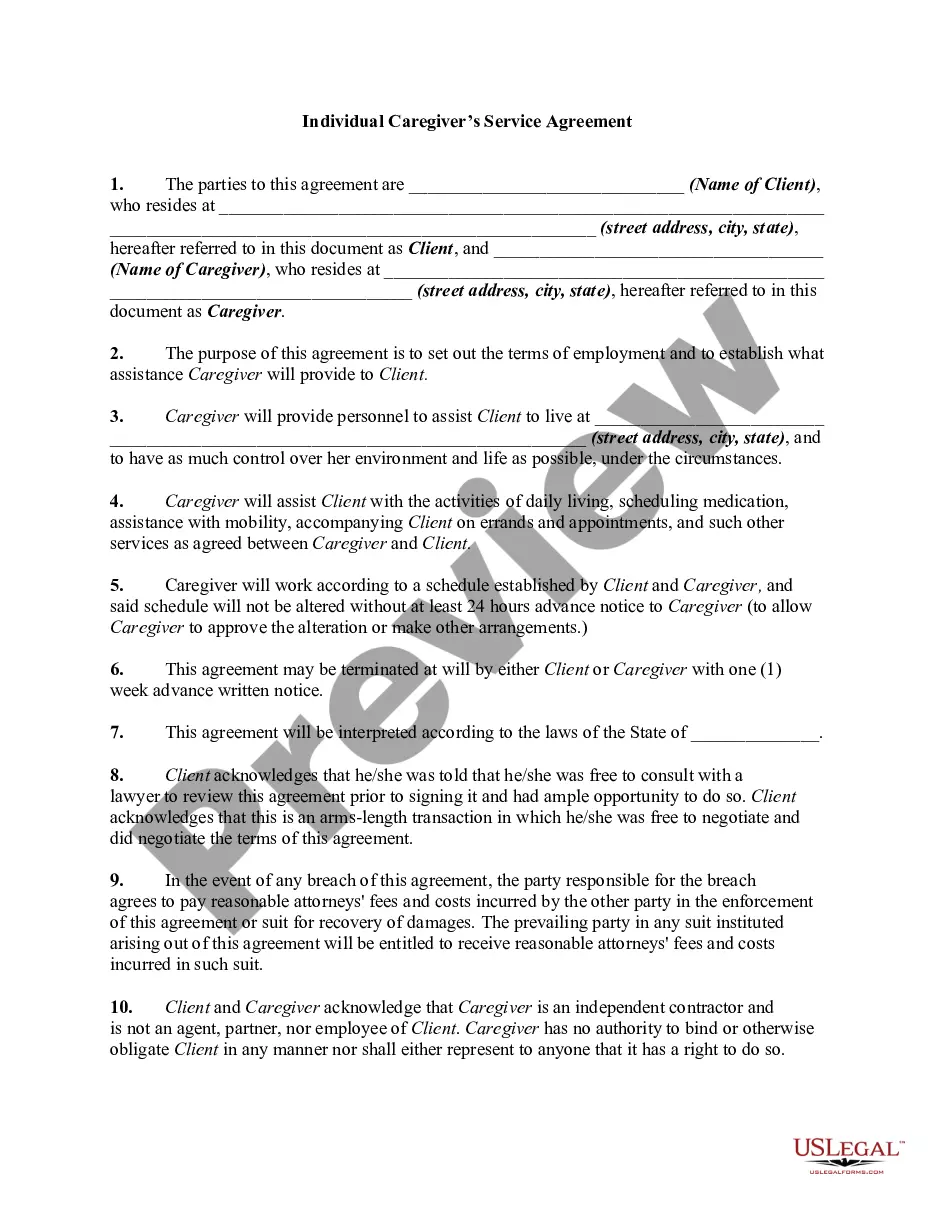
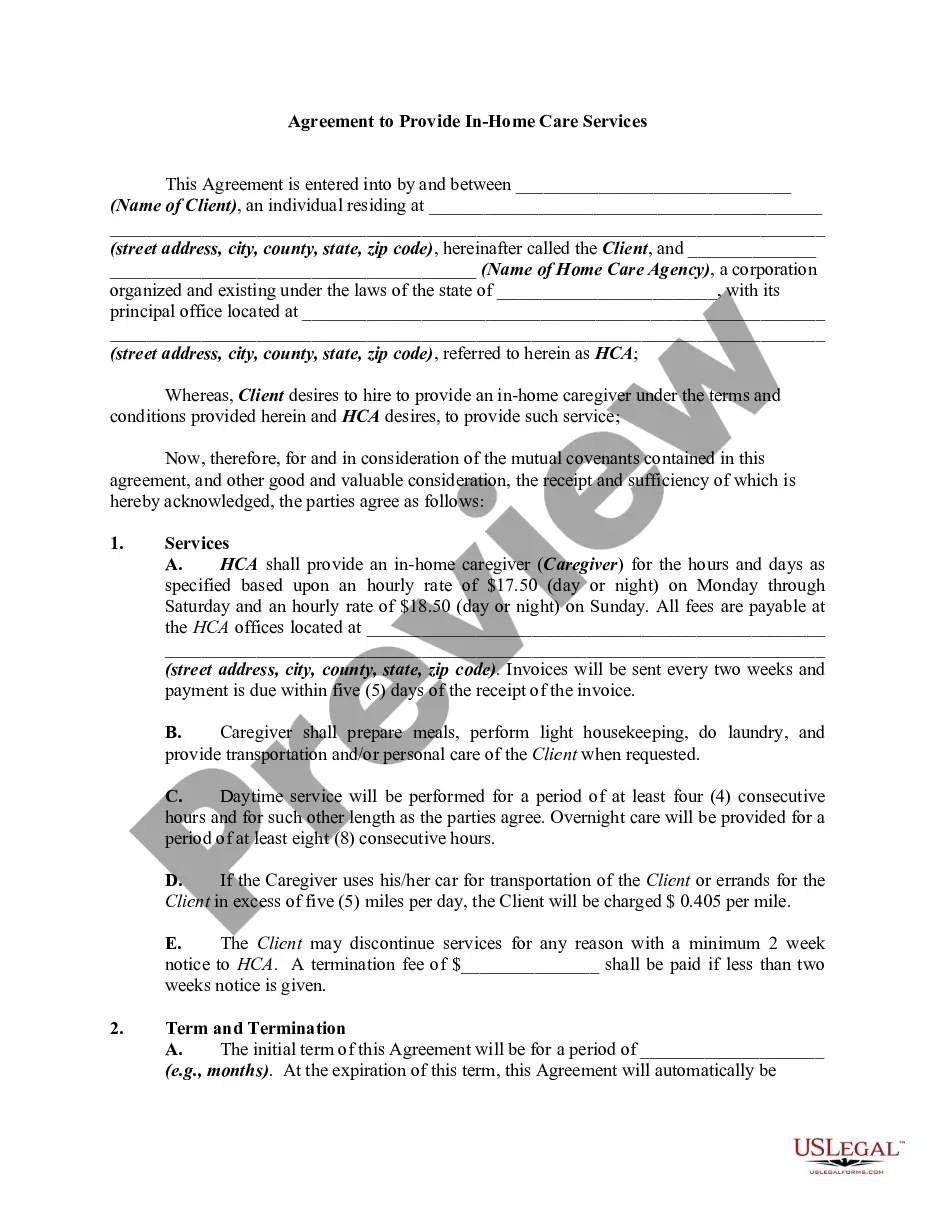
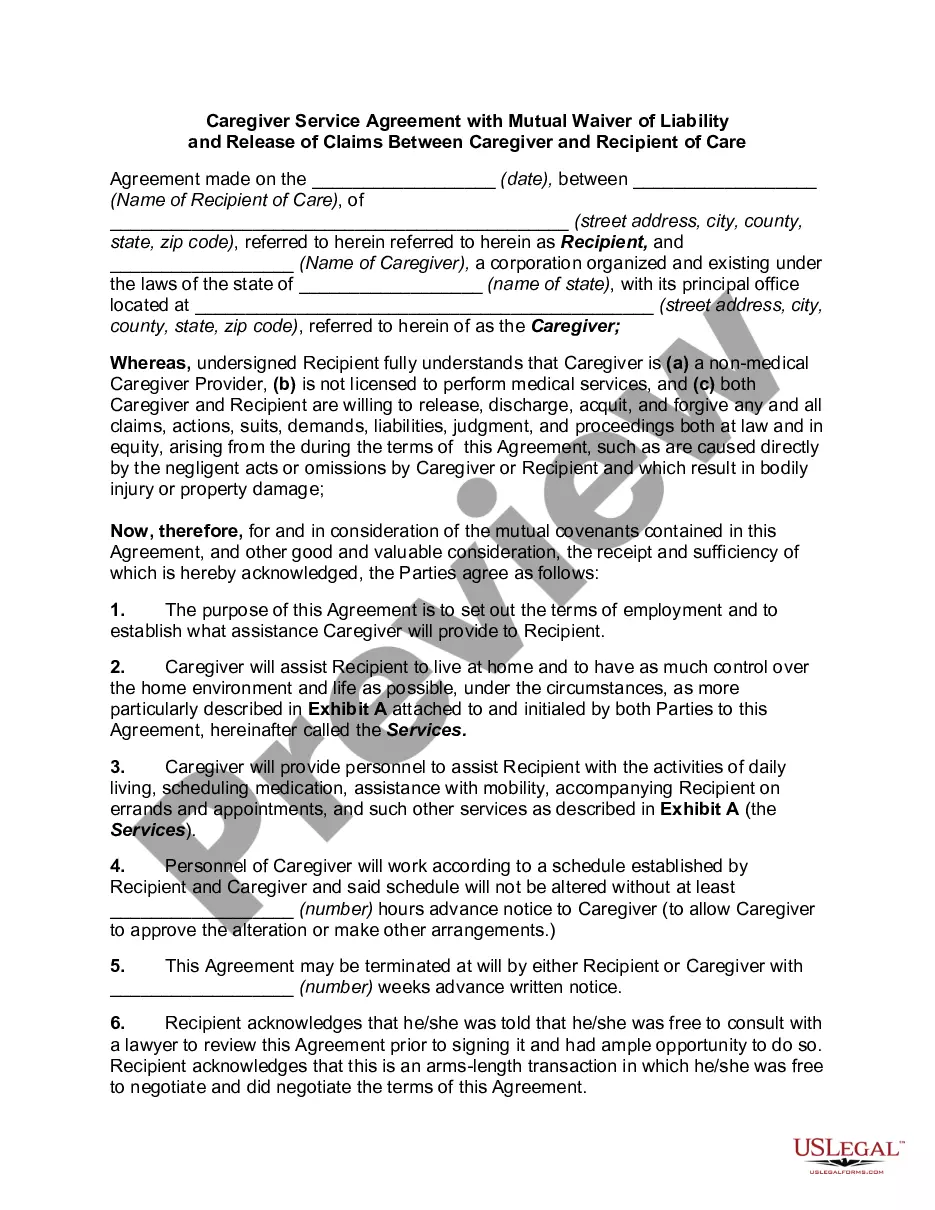
Get your form ready online
Our built-in tools help you complete, sign, share, and store your documents in one place.
Make edits, fill in missing information, and update formatting in US Legal Forms—just like you would in MS Word.
Download a copy, print it, send it by email, or mail it via USPS—whatever works best for your next step.
Sign and collect signatures with our SignNow integration. Send to multiple recipients, set reminders, and more. Go Premium to unlock E-Sign.
If this form requires notarization, complete it online through a secure video call—no need to meet a notary in person or wait for an appointment.
We protect your documents and personal data by following strict security and privacy standards.

Make edits, fill in missing information, and update formatting in US Legal Forms—just like you would in MS Word.

Download a copy, print it, send it by email, or mail it via USPS—whatever works best for your next step.

Sign and collect signatures with our SignNow integration. Send to multiple recipients, set reminders, and more. Go Premium to unlock E-Sign.

If this form requires notarization, complete it online through a secure video call—no need to meet a notary in person or wait for an appointment.

We protect your documents and personal data by following strict security and privacy standards.
Looking for another form?










Form popularity
FAQ
The Pennsylvania Caregiver Support Program helps people who take care of others. It offers resources and assistance to support caregivers and help them maintain a healthy, ongoing relationship with the person they are caring for.
@yolande73, I recommend that you contact a local hospice or someone at the hospital like chaplaincy or social work to inquire about supports for YOU. Hospice and social work services are available for caregivers. They can also help you navigate the challenges in communication with the care team.
Description: A global measure of perceived burden resulting from home care. The BSFC is designed for use in both clinical practice and research studies.
--The persons to be served under this act are unpaid, primary, unpaid caregivers who live with and provide continuous care to a functionally dependent older adult or other adult suffering from a chronic dementia such as Alzheimer's disease care receiver. to provide the benefits set forth in this act. act.
There are some household duties that they won't be able to help you with. These include window cleaning, maintenance of specialist clinical equipment and heavy lifting of any kind. Household maintenance, including DIY, is also beyond your carer's remit.
Avoid Useless Gestures Try not to say things like “let me know if I can do anything” or “call me if there is anything I can do.” When someone is sick, they're unlikely to ask for help. Take the initiative to provide concrete help.
Caregiver is: An individual age 18 and older.
--The persons to be served under this act are unpaid, primary, unpaid caregivers who live with and provide continuous care to a functionally dependent older adult or other adult suffering from a chronic dementia such as Alzheimer's disease care receiver. to provide the benefits set forth in this act. act.
Physical Demands Depending on the level of care required by their loved ones, caregivers may need to assist with activities such as lifting, transferring, or providing mobility support. These tasks can strain their own physical well-being and put them at risk for injuries.
Such caregivers should avoid any role in the client's financial or legal matters unless specifically directed to do so. Activities that are prohibited include: The custody of the client's bank accounts or investments. And you are literally signing the legal paperwork for this person.
