Form For Caregiver In Illinois
Description


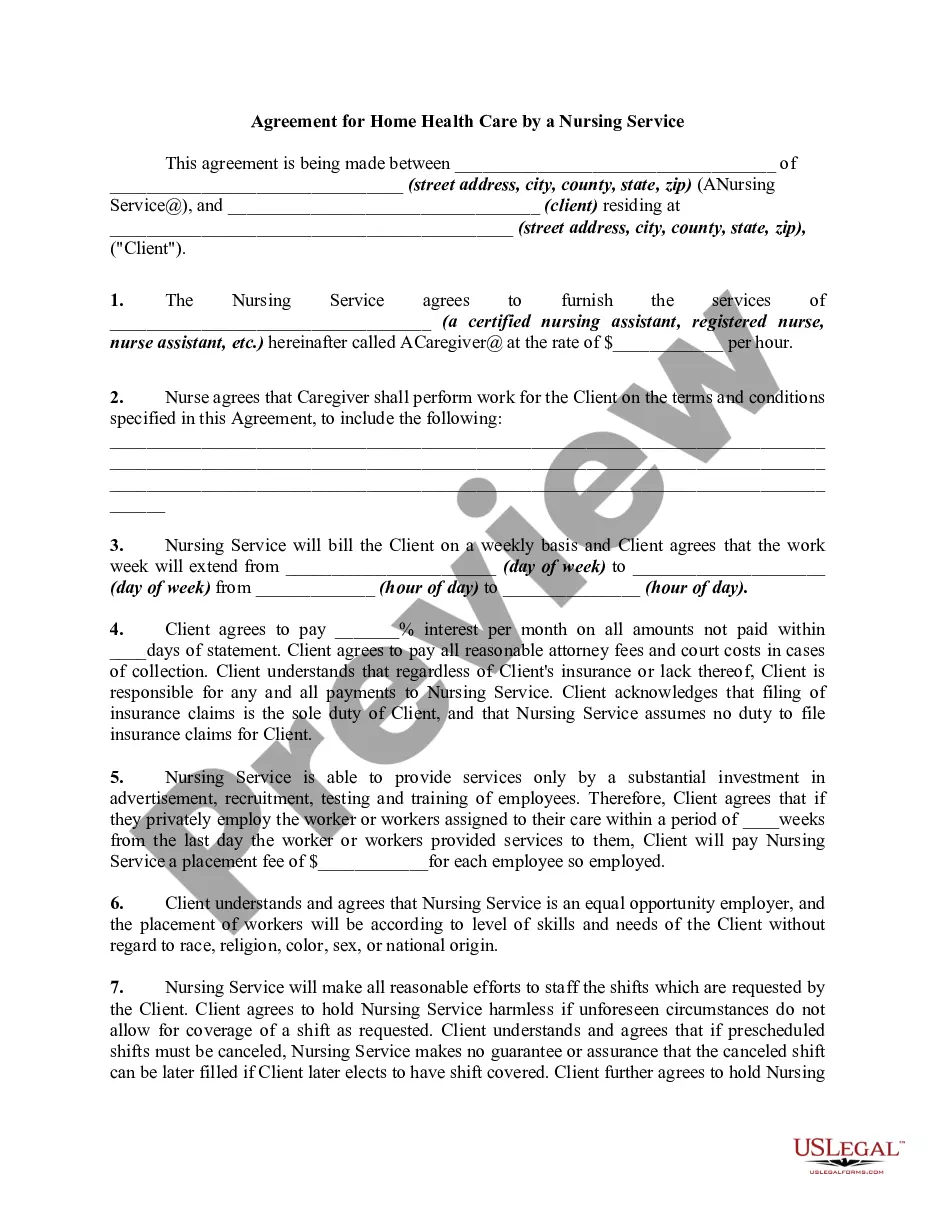
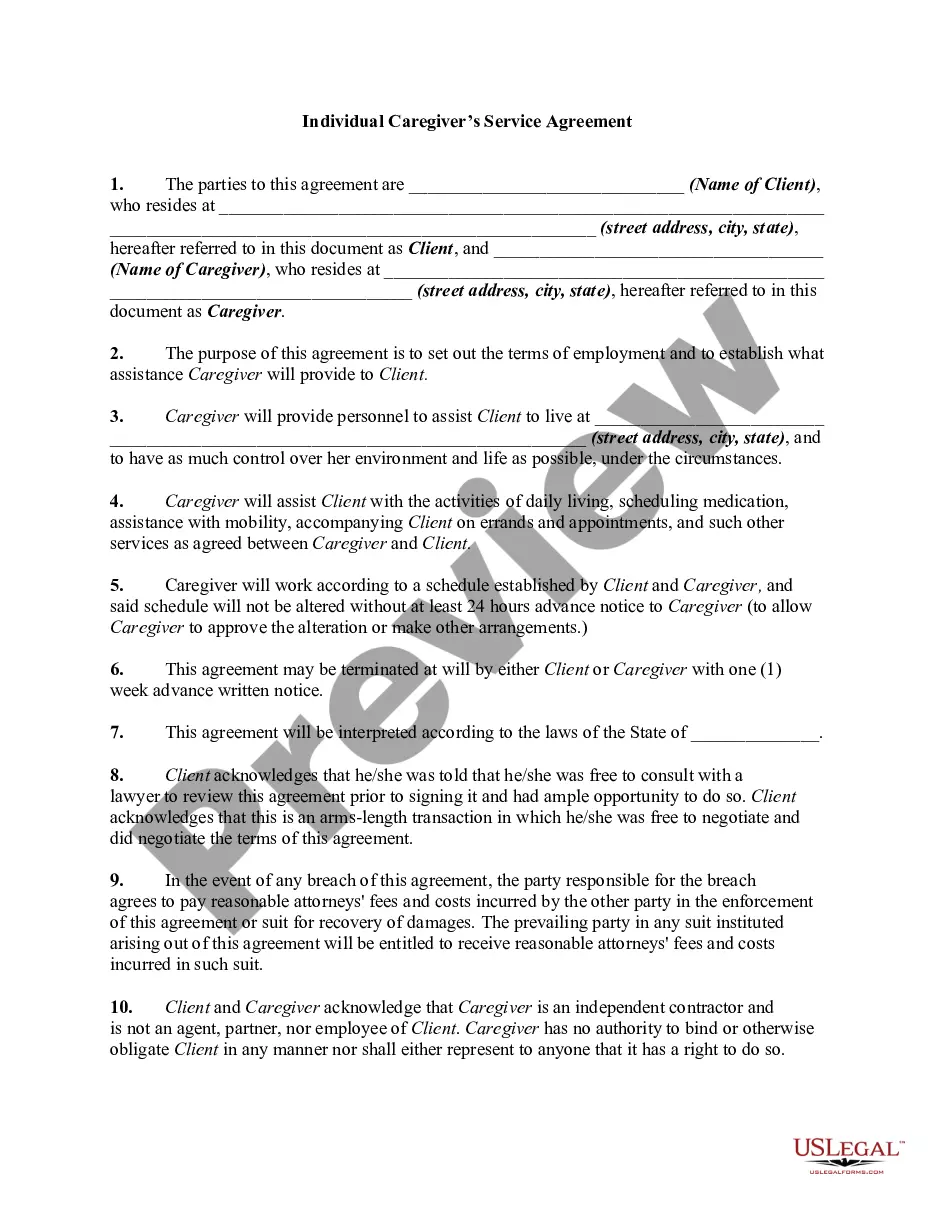
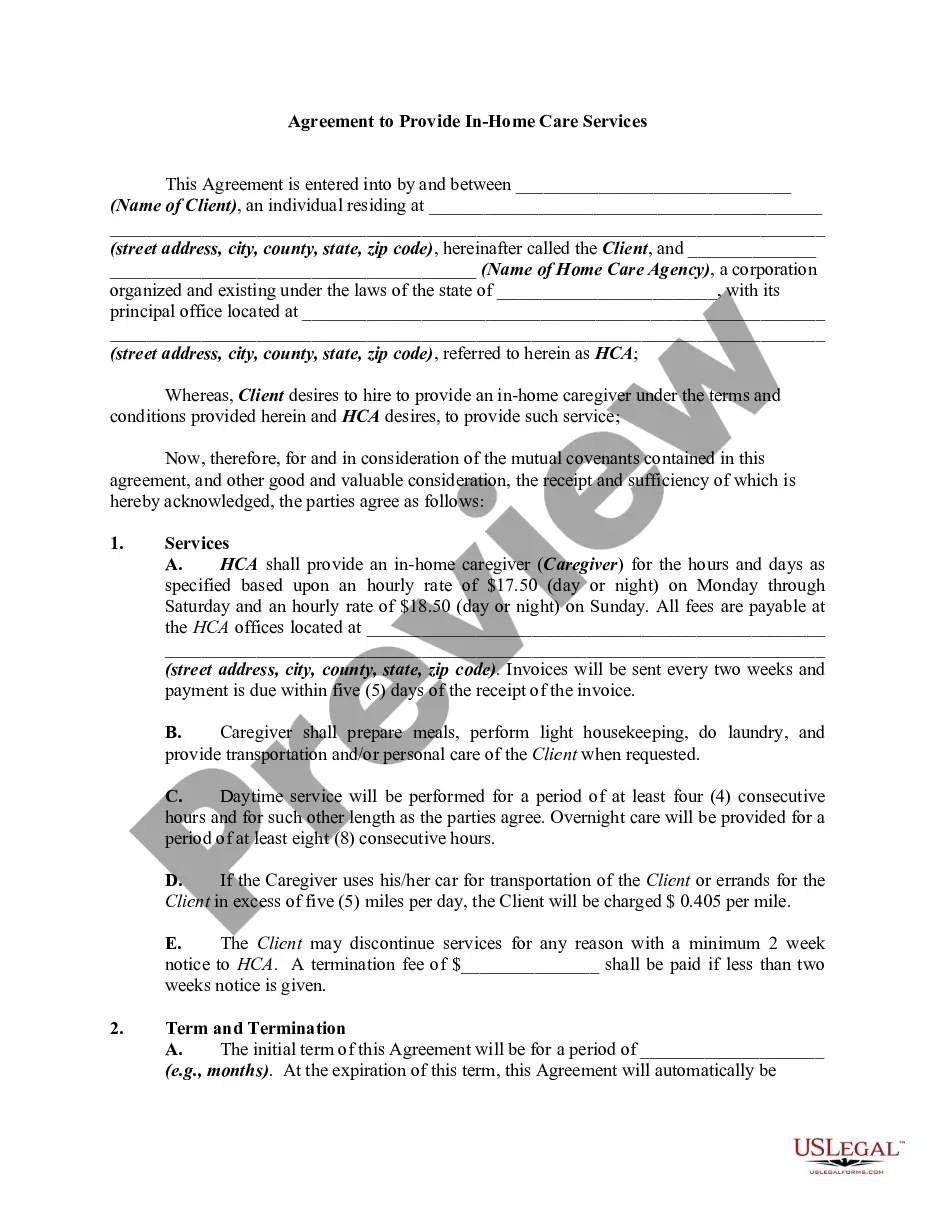
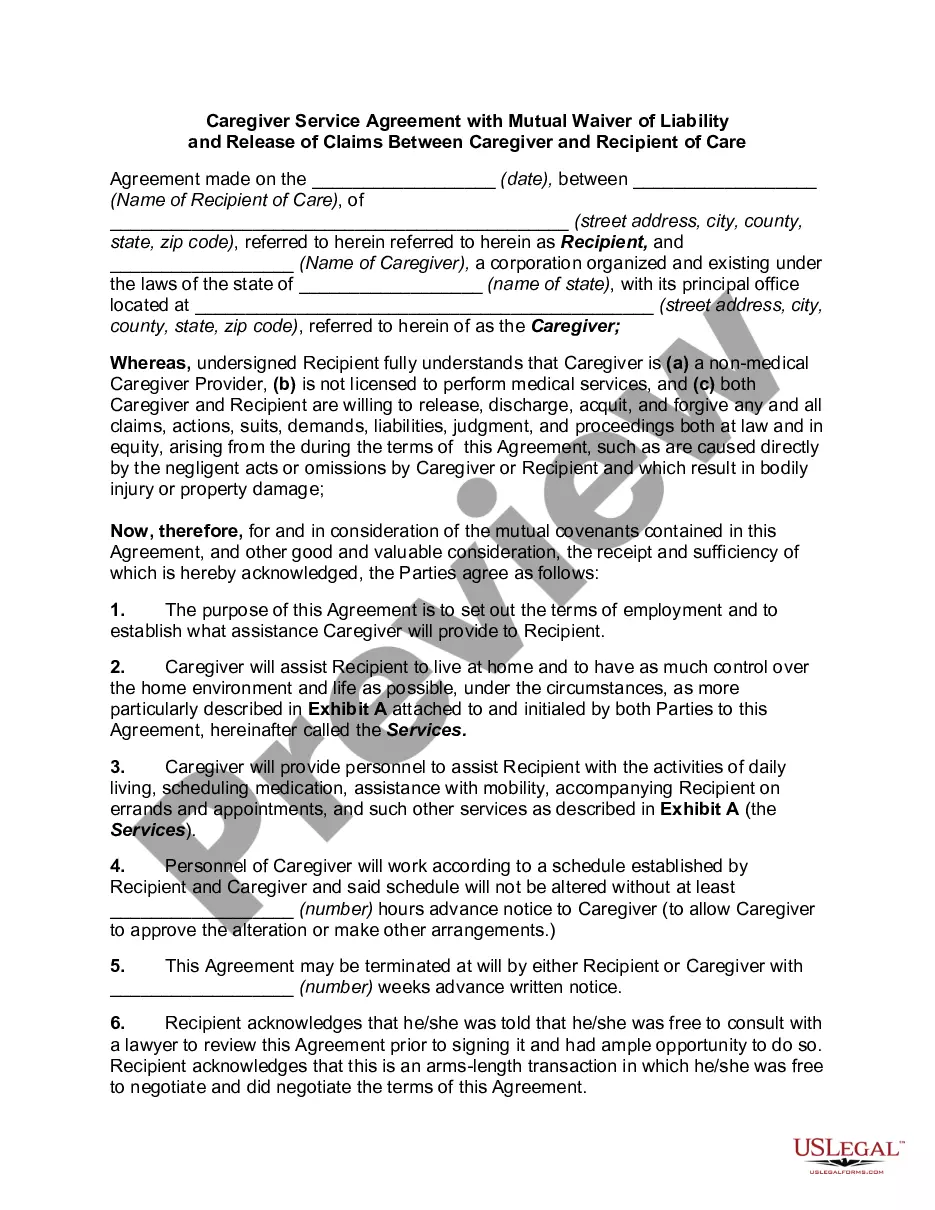
Get your form ready online
Our built-in tools help you complete, sign, share, and store your documents in one place.
Make edits, fill in missing information, and update formatting in US Legal Forms—just like you would in MS Word.
Download a copy, print it, send it by email, or mail it via USPS—whatever works best for your next step.
Sign and collect signatures with our SignNow integration. Send to multiple recipients, set reminders, and more. Go Premium to unlock E-Sign.
If this form requires notarization, complete it online through a secure video call—no need to meet a notary in person or wait for an appointment.
We protect your documents and personal data by following strict security and privacy standards.

Make edits, fill in missing information, and update formatting in US Legal Forms—just like you would in MS Word.

Download a copy, print it, send it by email, or mail it via USPS—whatever works best for your next step.

Sign and collect signatures with our SignNow integration. Send to multiple recipients, set reminders, and more. Go Premium to unlock E-Sign.

If this form requires notarization, complete it online through a secure video call—no need to meet a notary in person or wait for an appointment.

We protect your documents and personal data by following strict security and privacy standards.
Looking for another form?








Form popularity
FAQ
Illinois enacted a law prohibiting discrimination against employees who must care for family members at home. The law will not require employers to make accommodations or modifications to reasonable workplace rules and policies to allow employees to fulfill their caregiving responsibilities.
Certified caregiver training in the state of Illinois was mandated by state law in 2008. Then shortly after this, an additional mandate for Alzheimer's disease caregiver training was added. Illinois caregivers are required to annually renew training for both basic caregiving skills and dementia caregiving skills.
How do you become a professional caregiver in Illinois? 8-Hour Caregiver Certification course with the basic skills for caregiving, including Elder Abuse Identification and Reporting and HIPAA (Health Insurance Portability and Accountability Act) topics.
Illinois Caregiver Training Requirements In-home Service Workers: Required to complete 8 hours of topic specific initial training and a minimum of 8 hours CE annually. Homecare Aides: Required to complete 2 hours of agency specific orientation, 22 hours of topic specific training, and 12 hours CE annually.
How to become a caregiver Evaluate whether being a caregiver suits you. Determine whether offering care to vulnerable people is right for you. Obtain education and training. Seek a part-time role or apprenticeship. Gain experience. Develop care skills. Find a caregiver role.
In conclusion, there are 4 types of caregivers: family caregivers, professional caregivers, volunteer caregivers, and informal caregivers. Each caregiver faces unique challenges, including physical and emotional exhaustion, financial strain, and balancing personal and caregiving responsibilities.
CHICAGO - Workers in Illinois who provide personal care to family members are protected from employment discrimination based on family responsibilities as of January 1, 2025. Illinois is now one of fewer than 10 states to provide employment protections for family caregivers.
The caregiving pressures exerted on a spouse are significant. ing to an analysis of 168 studies, while the caregiving spouse will protect their mate, they report more symptoms of depression, lower levels of psychological well-being, and more significant physical and financial burdens.
Becoming a spouse caregiver is a life-changing event that may require professional support. Both individual and couples counseling can provide the tools necessary to manage stress and promote growth and happiness. Avoid isolation. Caregivers are at an increased risk of isolation and depression.
