Caregiver Form Template For Employees In Houston
Description


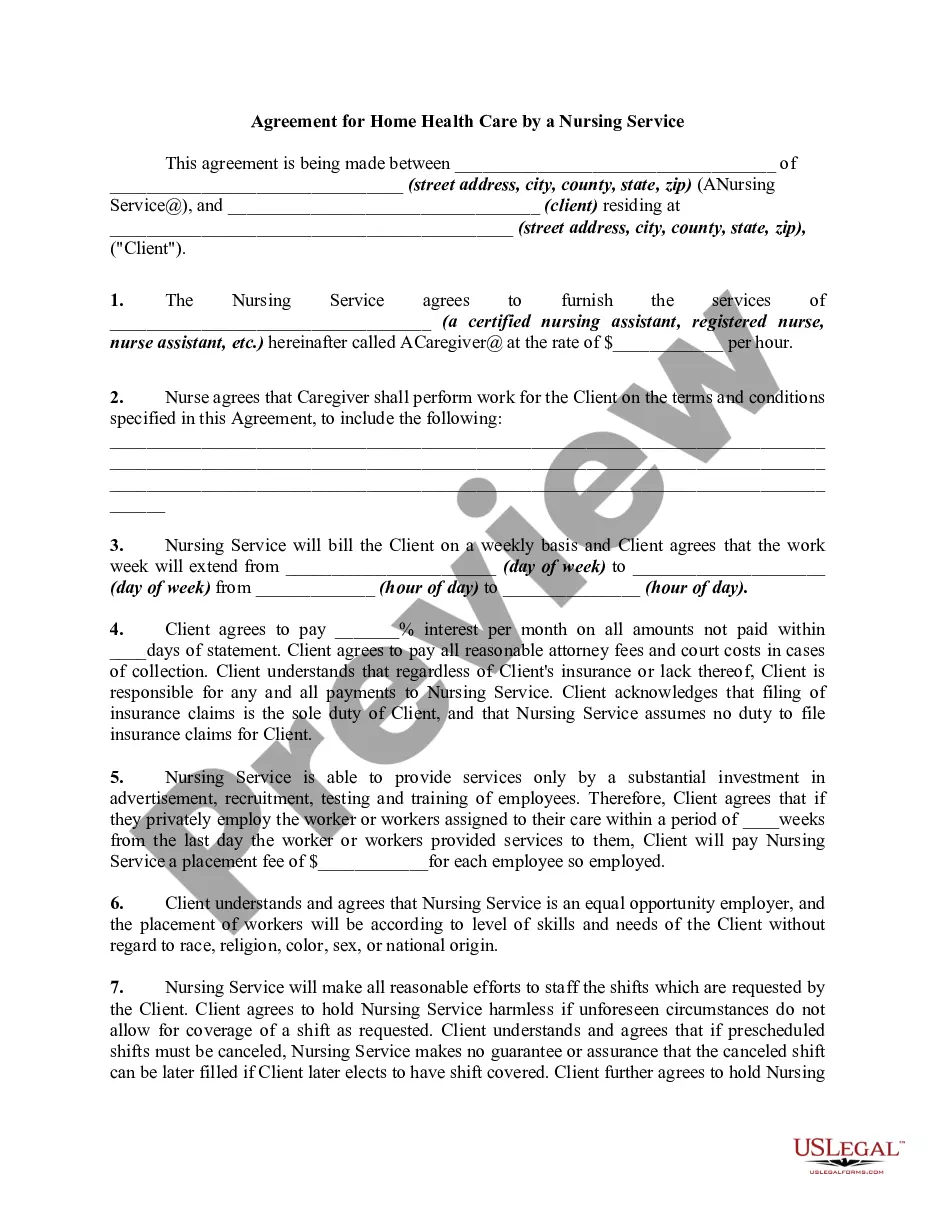
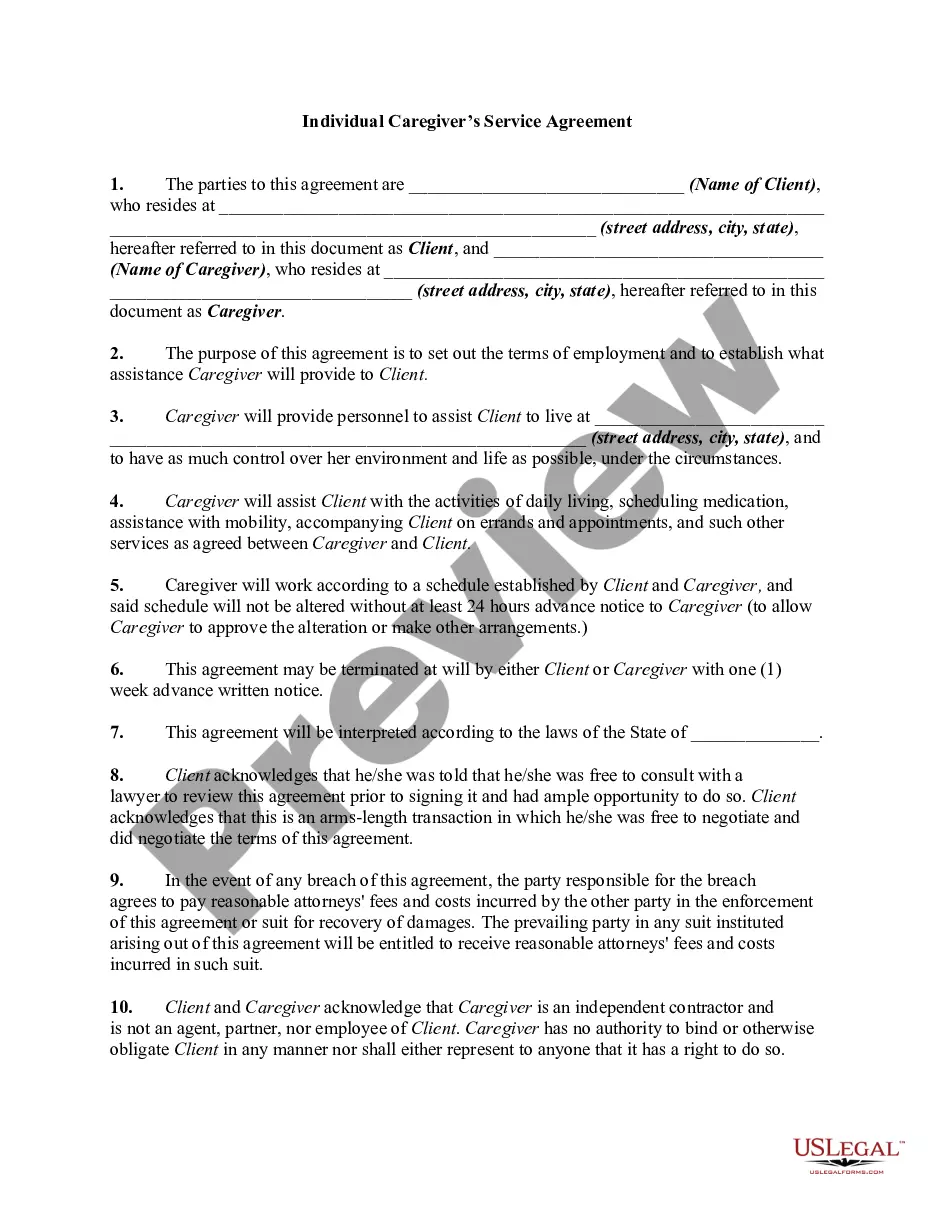
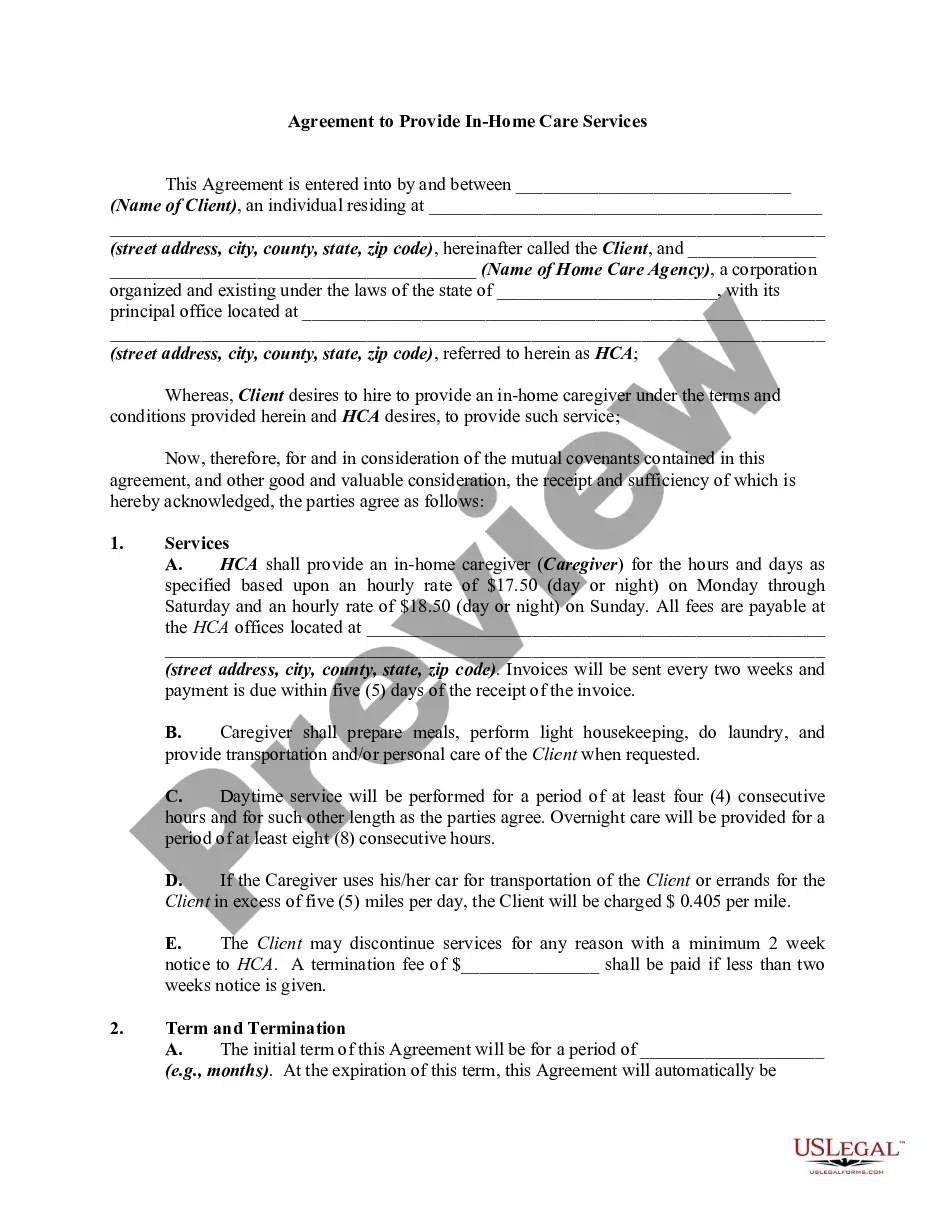
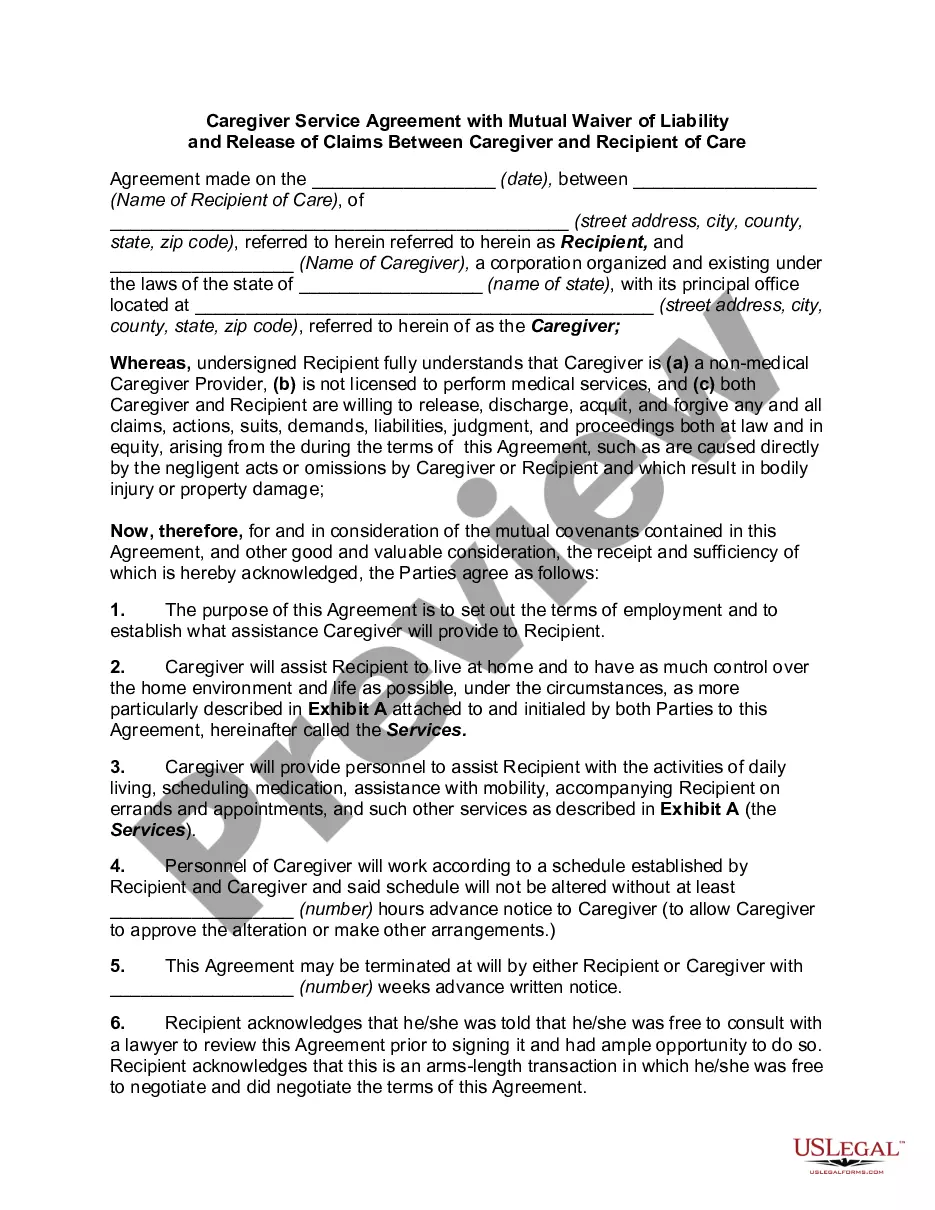
Get your form ready online
Our built-in tools help you complete, sign, share, and store your documents in one place.
Make edits, fill in missing information, and update formatting in US Legal Forms—just like you would in MS Word.
Download a copy, print it, send it by email, or mail it via USPS—whatever works best for your next step.
Sign and collect signatures with our SignNow integration. Send to multiple recipients, set reminders, and more. Go Premium to unlock E-Sign.
If this form requires notarization, complete it online through a secure video call—no need to meet a notary in person or wait for an appointment.
We protect your documents and personal data by following strict security and privacy standards.

Make edits, fill in missing information, and update formatting in US Legal Forms—just like you would in MS Word.

Download a copy, print it, send it by email, or mail it via USPS—whatever works best for your next step.

Sign and collect signatures with our SignNow integration. Send to multiple recipients, set reminders, and more. Go Premium to unlock E-Sign.

If this form requires notarization, complete it online through a secure video call—no need to meet a notary in person or wait for an appointment.

We protect your documents and personal data by following strict security and privacy standards.
Looking for another form?







Form popularity
FAQ
In-home caregiver as a household employee Provide a completed Form I-9 to your household employer to ensure you're qualified to work in the U.S. Provide a completed W-4 form and state income tax withholding forms. Complete your federal income tax return using Form W-2, which will be provided by your employer.
If you provide help to another person in need, you are a caregiver. Caregivers help individuals achieve tasks and functions necessary for daily life that may have, for a number of reasons, become inaccessible to them.
A family and friends care arrangement, also known as kinship care, is one in which a child who cannot be cared for by their parent(s) or another person with parental responsibility goes to live with a relative, friend, or other connected person.
But realistically, if you take a loved one regularly to the doctor, or buy their groceries, or have a sibling with special needs whom you support, advocate for an ill spouse, or engage in long-distance care of a loved one, you are a caregiver. The important thing to recognize is that your caring role is important.
Family caregiving is the act of providing at-home care for a relative, friend, or other loved one with a physical or mental health problem. As life expectancies increase, medical treatments advance, and more people live with chronic illnesses and disabilities, many of us find ourselves caring for a loved one at home.
