Caregiver Form Printable For Elderly In Chicago
Description


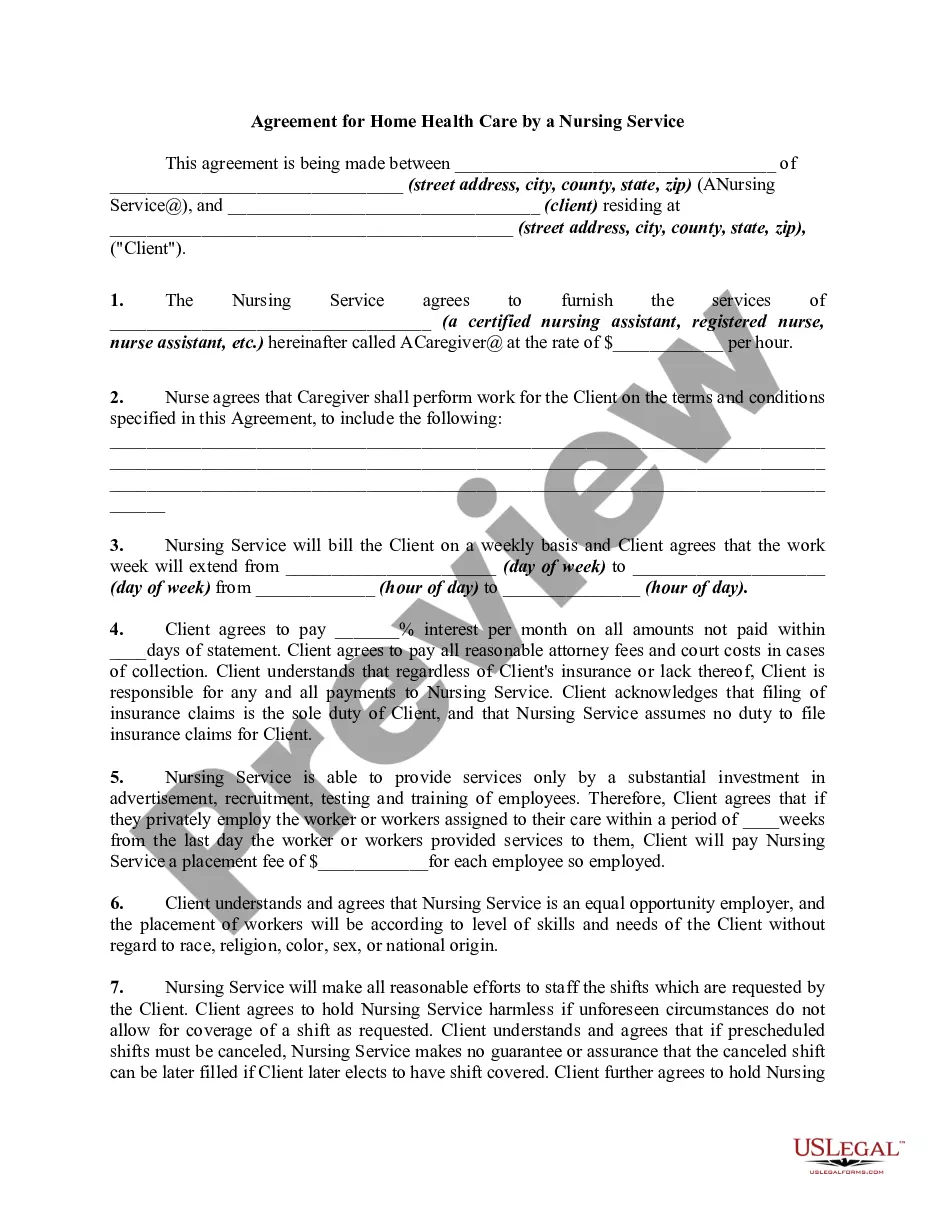

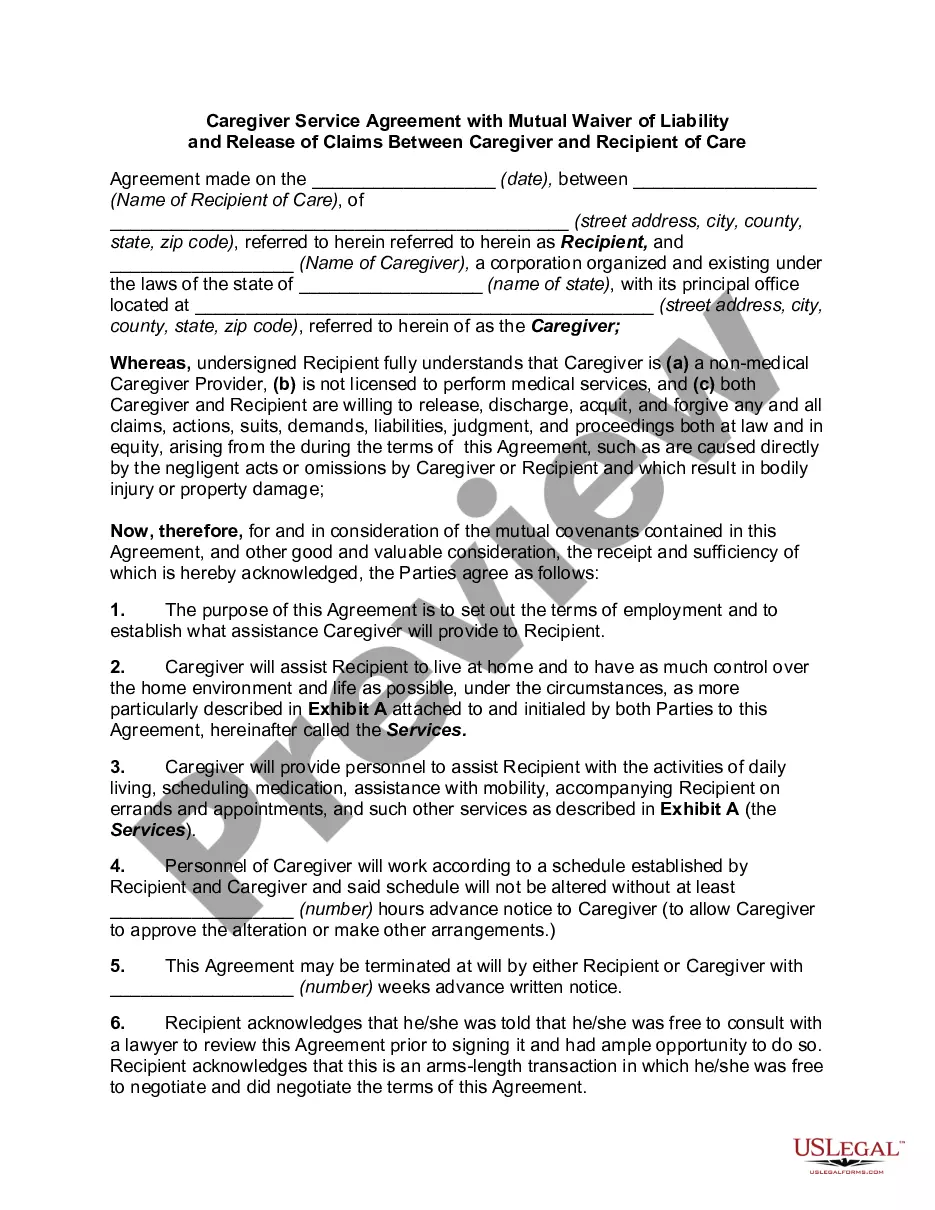
Get your form ready online
Our built-in tools help you complete, sign, share, and store your documents in one place.
Make edits, fill in missing information, and update formatting in US Legal Forms—just like you would in MS Word.
Download a copy, print it, send it by email, or mail it via USPS—whatever works best for your next step.
Sign and collect signatures with our SignNow integration. Send to multiple recipients, set reminders, and more. Go Premium to unlock E-Sign.
If this form requires notarization, complete it online through a secure video call—no need to meet a notary in person or wait for an appointment.
We protect your documents and personal data by following strict security and privacy standards.

Make edits, fill in missing information, and update formatting in US Legal Forms—just like you would in MS Word.

Download a copy, print it, send it by email, or mail it via USPS—whatever works best for your next step.

Sign and collect signatures with our SignNow integration. Send to multiple recipients, set reminders, and more. Go Premium to unlock E-Sign.

If this form requires notarization, complete it online through a secure video call—no need to meet a notary in person or wait for an appointment.

We protect your documents and personal data by following strict security and privacy standards.
Looking for another form?




Form popularity
FAQ
In Illinois, caregivers need to pass background checks and complete the required training. Non-medical caregivers must complete 8 hours of training covering topics like infection control and basic caregiving skills. For medical services, ensure your staff has the proper certifications.
In conclusion, there are 4 types of caregivers: family caregivers, professional caregivers, volunteer caregivers, and informal caregivers. Each caregiver faces unique challenges, including physical and emotional exhaustion, financial strain, and balancing personal and caregiving responsibilities.
Prospective home health aides in Illinois must complete state-required training, involving 120 hours of coursework and 40 hours of clinical practice, and meet educational prerequisites such as having a high school diploma or GED.
CHICAGO - Workers in Illinois who provide personal care to family members are protected from employment discrimination based on family responsibilities as of January 1, 2025. Illinois is now one of fewer than 10 states to provide employment protections for family caregivers.
The companion service is provided by volunteers age 55+ who are recruited, trained, managed and reimbursed by Senior Companion agencies. The Senior Companion Program not only assists participants, it also provides economic and social benefits for the volunteers as well as respite for family caregivers.
In addition to medical and health-related services, personal care and companionship services are highly requested by elderly individuals. These services go beyond physical health and focus on maintaining the emotional well-being of the elderly.
Illinois Caregiver Training Requirements In-home Service Workers: Required to complete 8 hours of topic specific initial training and a minimum of 8 hours CE annually. Homecare Aides: Required to complete 2 hours of agency specific orientation, 22 hours of topic specific training, and 12 hours CE annually.
Community Care Program (CCP) Established in 1979 by Public Act 81-202, the Illinois Department on Aging's Community Care Program helps older adults who might otherwise need nursing home care to remain in their homes by providing in-home and community-based services.
The Chicago Department of Family and Support Services Senior Services Division provides social services and support programs to adults 60 years of age and older.
Medicaid Low-Income Standards for Seniors Residents who are aged 65 years or older are eligible if their total countable income falls below 100% of the federal poverty level. For individuals, as of 2023, monthly income must not exceed $1,133 from counted sources and total assets must be below $2,000.