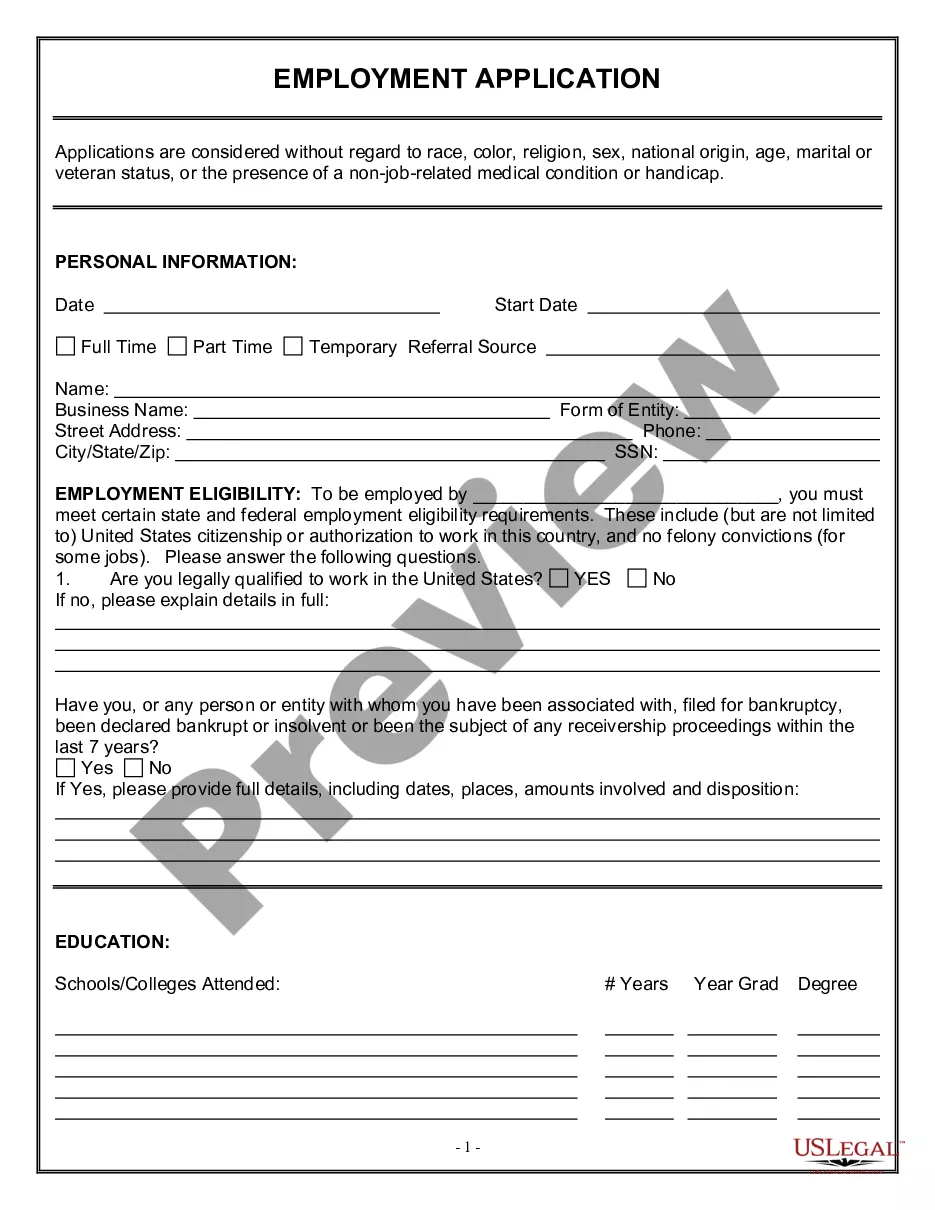
Employment Agreement With Non Compete Clause In Travis
Description
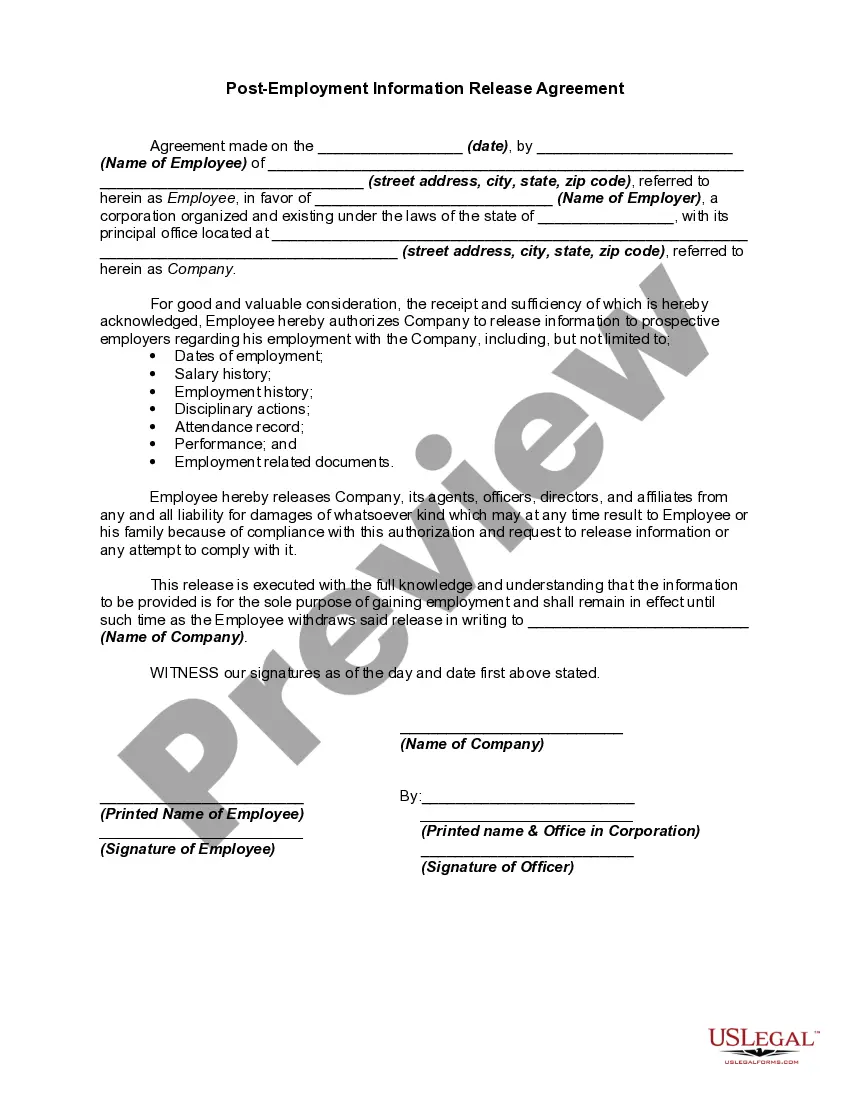
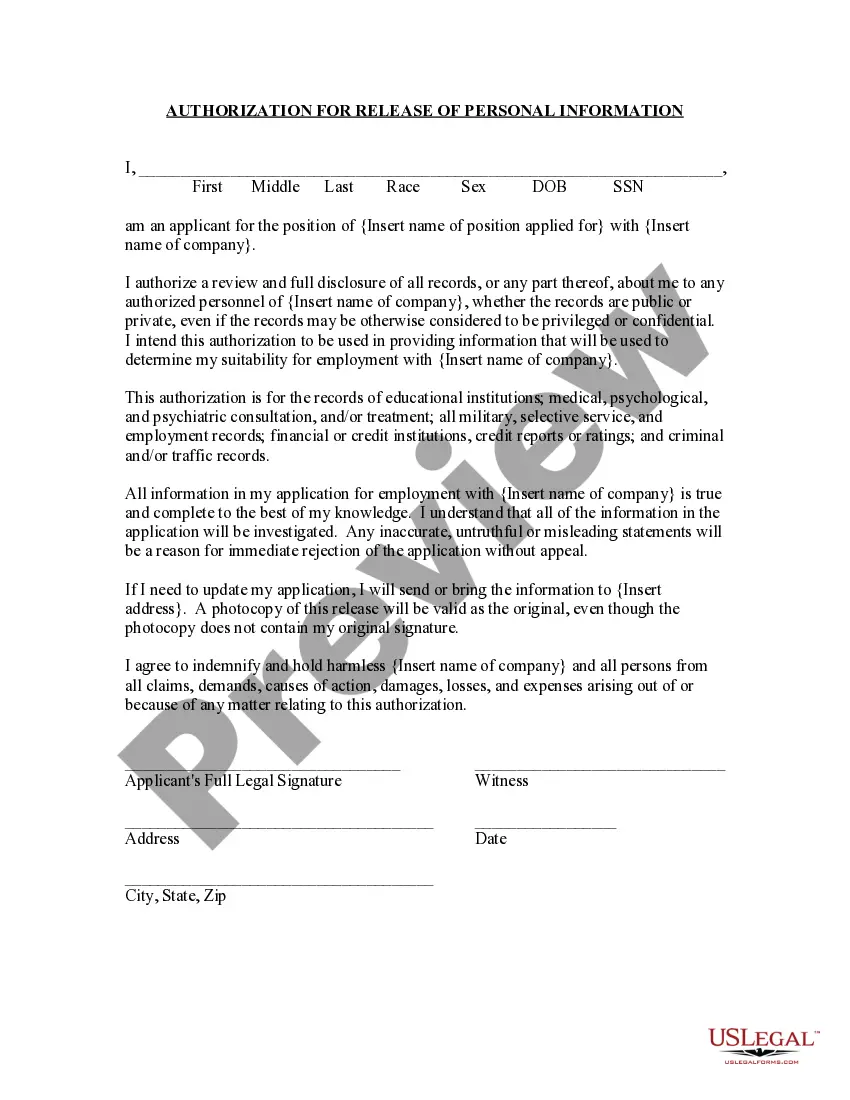
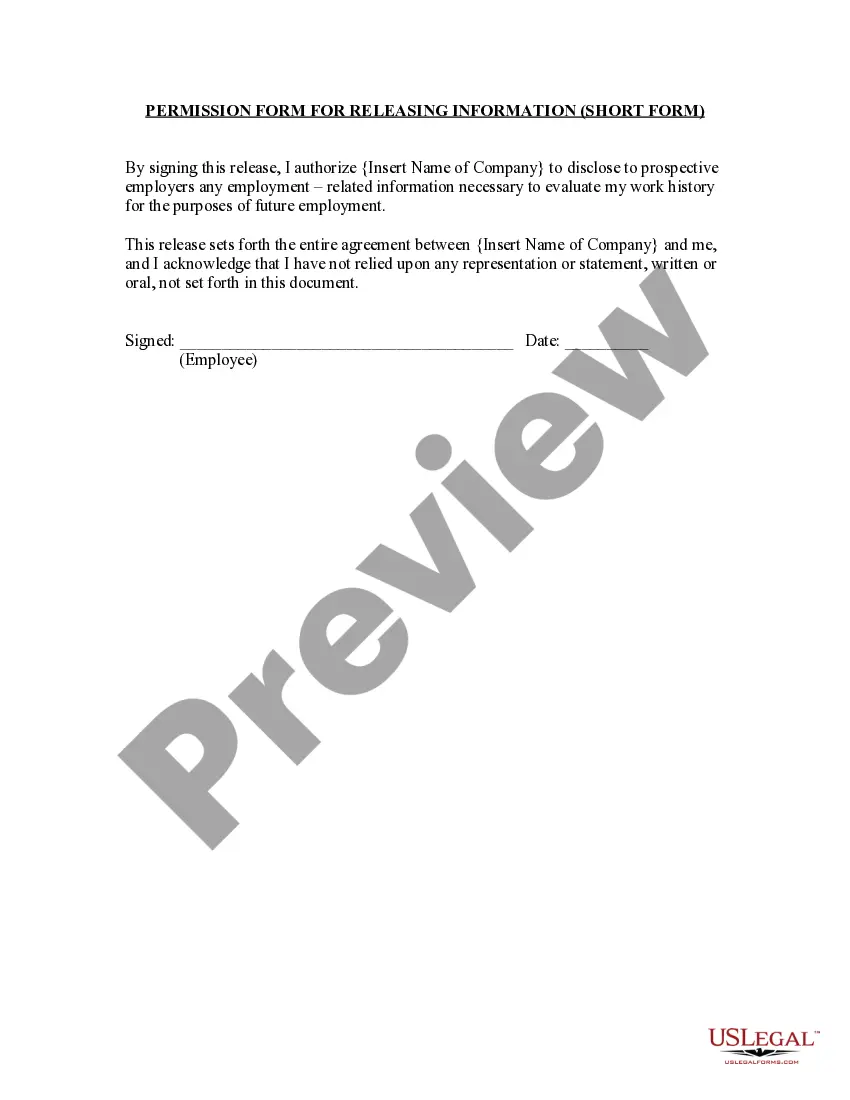
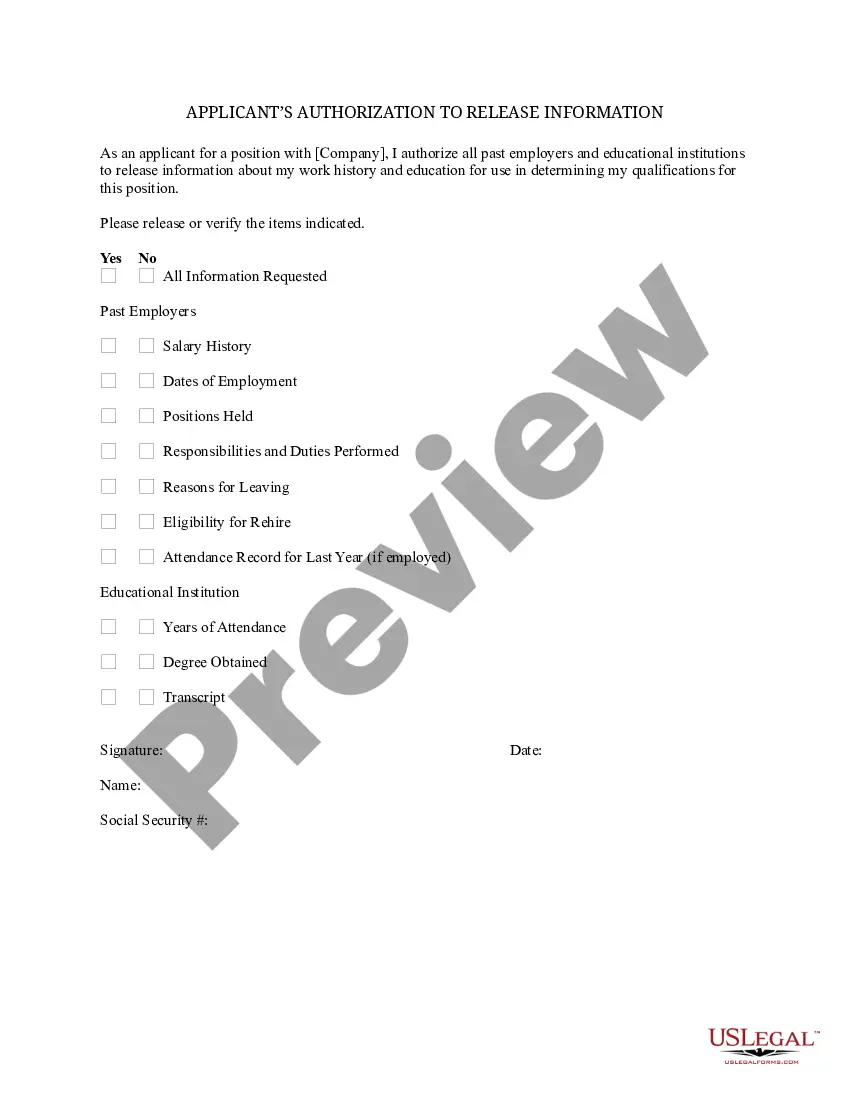
Get your form ready online
Our built-in tools help you complete, sign, share, and store your documents in one place.
Make edits, fill in missing information, and update formatting in US Legal Forms—just like you would in MS Word.
Download a copy, print it, send it by email, or mail it via USPS—whatever works best for your next step.
Sign and collect signatures with our SignNow integration. Send to multiple recipients, set reminders, and more. Go Premium to unlock E-Sign.
If this form requires notarization, complete it online through a secure video call—no need to meet a notary in person or wait for an appointment.
We protect your documents and personal data by following strict security and privacy standards.

Make edits, fill in missing information, and update formatting in US Legal Forms—just like you would in MS Word.

Download a copy, print it, send it by email, or mail it via USPS—whatever works best for your next step.

Sign and collect signatures with our SignNow integration. Send to multiple recipients, set reminders, and more. Go Premium to unlock E-Sign.

If this form requires notarization, complete it online through a secure video call—no need to meet a notary in person or wait for an appointment.

We protect your documents and personal data by following strict security and privacy standards.
Looking for another form?
Form popularity
FAQ
Fortunately, it is unlawful for an employer to enforce non-compete agreements in California.
US FTC Rule Banning Non-Competes. On April 23, 2024, the U.S. Federal Trade Commission voted 3-2 to finalize and promulgate a rule banning most non-compete clauses in employer-employee contracts.
Code §§ 16600, 16601, and 16602.5). The only exceptions are non-compete or restrictive covenants that fall within one of the narrow exemptions authorized by statute, all of which relate to the sale of the goodwill of a business, or of a substantial ownership stake in the business.
Current and Future Agreements Agreements containing impermissible covenants are “unenforceable regardless of where or when the contract was signed” (BPC § 16600.5(a)), and regardless of whether “the employment was maintained outside of California” (BPC § 16600.5(b)).
Comments Section Non-compete clauses are not enforceable post termination of contract in India in case of employment contracts. This means that even if your contract had a non-compete clause, it can only be used to prevent you from working for a competitor while you are employed with your employer.
Take a non-competitive job or role outside your current employer's specialty. Prove your employer breached the contract to invalidate the non-compete clause. Argue that the non-compete is overly restrictive or not enforceable. Negotiate or prove no legitimate business interests exist to uphold the agreement.
Although non-competes are banned by California law, you can still have robust protections for confidential information and trade secrets. These provisions are critical and should be tailored enough to avoid being considered “de facto” non-competes.
As with many things, however, California is different. California law explicitly voids all non-compete agreements for employees and independent contractors. These agreements are simply not enforceable, no matter how reasonable they may seem.
Negotiating with your new employer If your old employer won't compromise, you could also ask your new employer if they can give you a different job until the restriction you agreed to runs out. This could be either a different kind of job or a different location - that way you won't be breaking the restriction.
An employee can challenge a restrictive covenant if they believe it is unreasonable or prevents them from finding suitable employment. If the covenant is too broad or not essential to protecting the employer's business, it may be deemed unenforceable by the courts.