1.27 Burden of Proof
What this document covers
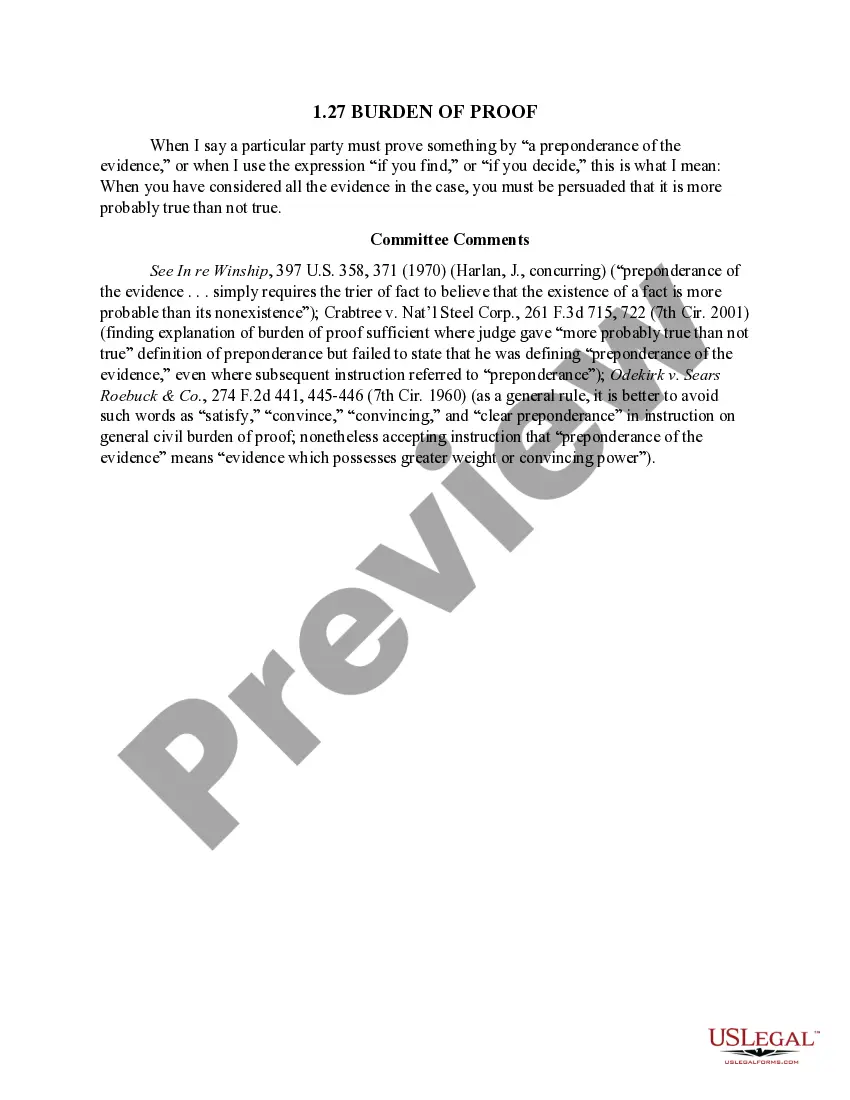
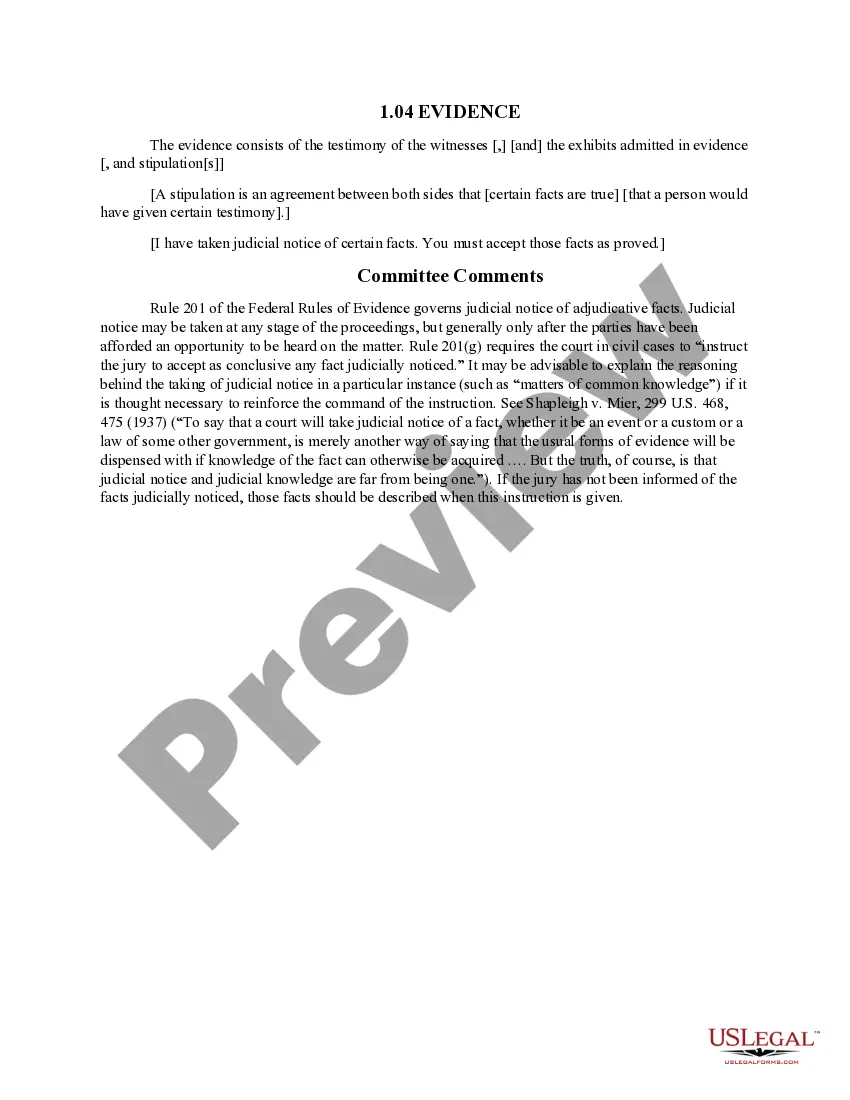
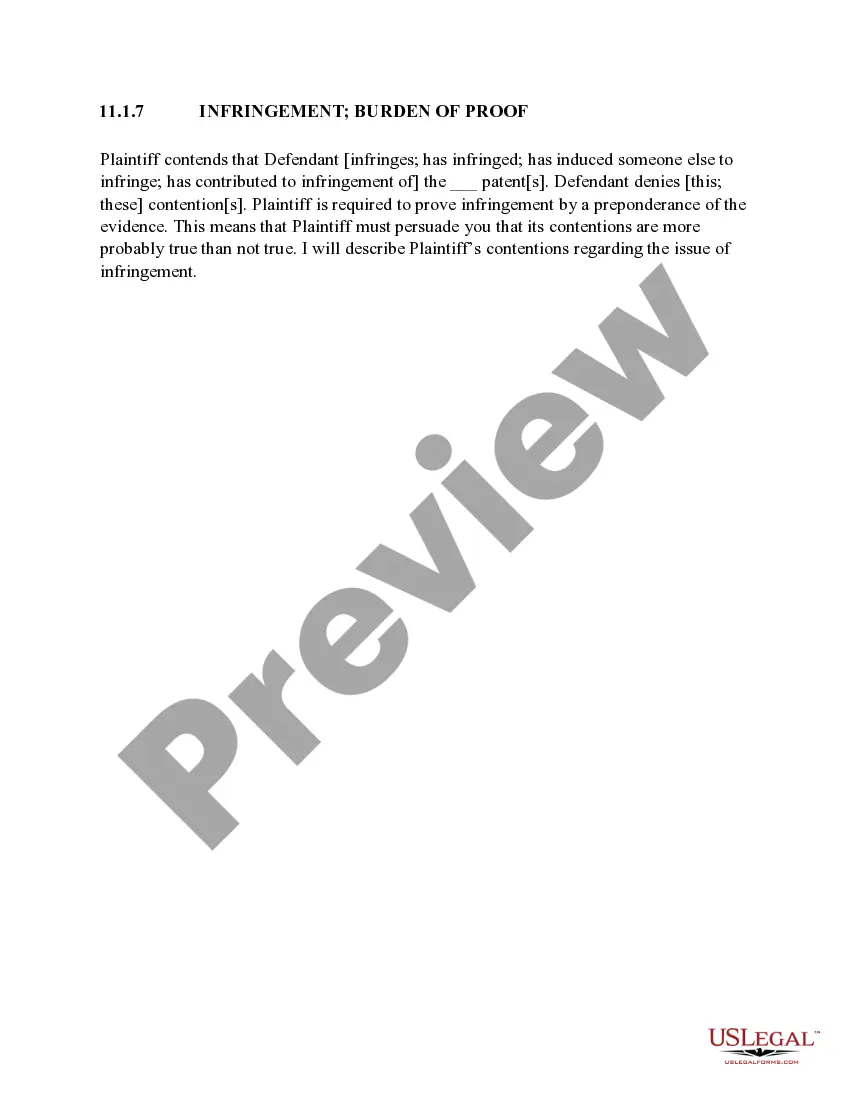
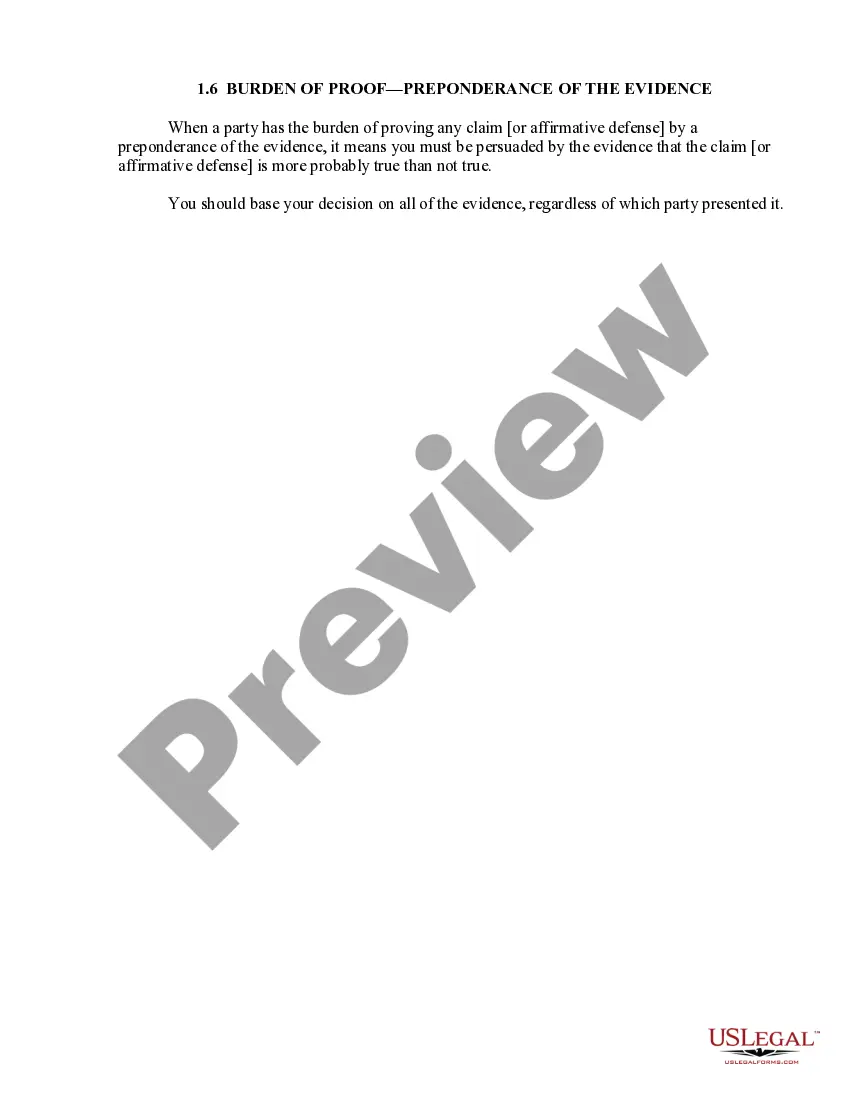
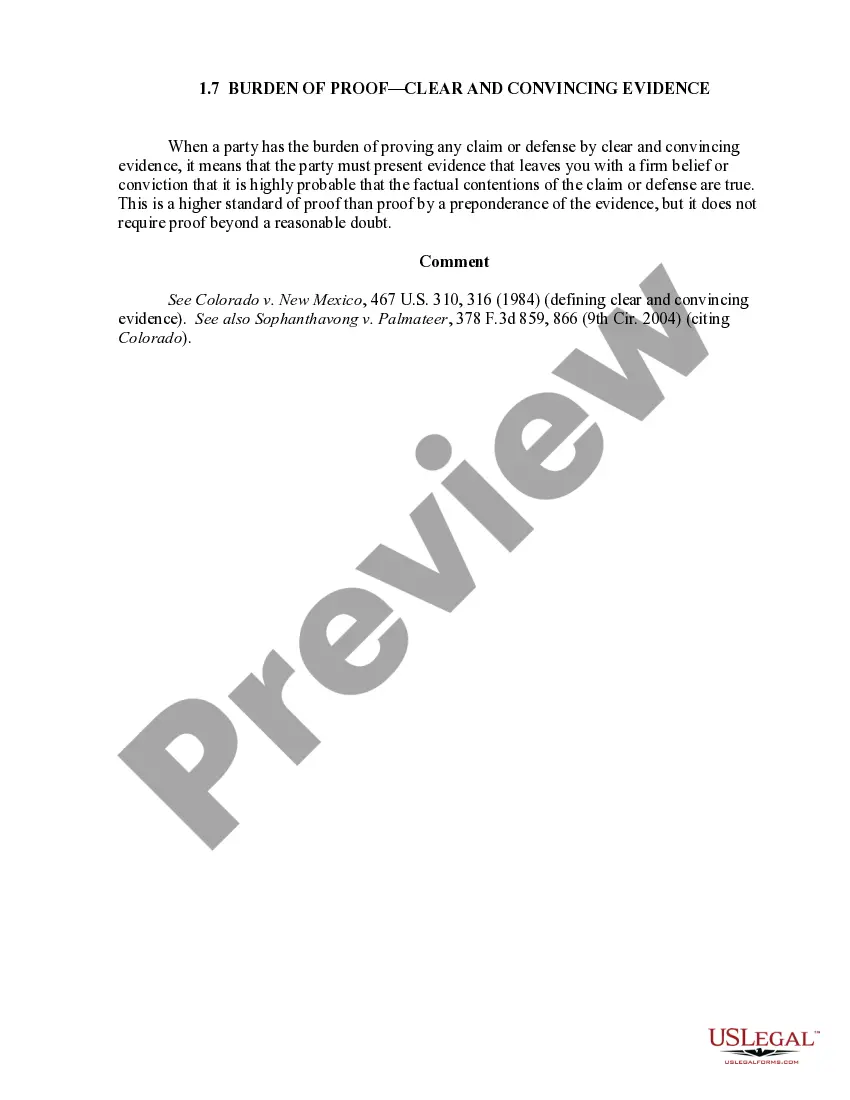
The 1.27 Burden of Proof form provides official jury instructions on the standard of proof required in federal civil cases. This instruction clarifies the meaning of "preponderance of the evidence," which is the standard for determining which party is more likely to be correct in their claims or defenses. Understanding this form is crucial for parties involved in legal disputes, as it directly affects how cases are presented and evaluated in court.
Main sections of this form
- Definition of "preponderance of the evidence": This form explains the necessity for the jury to be convinced that the evidence presented makes a claim more likely true than not.
- Committee comments: Insights and legal precedents that clarify the burden of proof standard, providing context and understanding.
- Instructions for jurors: Clear guidelines on how to assess evidence and apply the standard throughout the deliberation process.
When to use this form
This form is used in civil cases where a party must establish their claims or defenses under the preponderance of the evidence standard. It is relevant in various scenarios, such as personal injury cases, contract disputes, and employment claims. If you are involved in legal proceedings where evidence needs to be weighed and a verdict is to be rendered, this form is an essential guide for jury instructions.
Intended users of this form
- Attorneys preparing for trial in federal civil cases.
- Jurors and judges seeking to understand the burden of proof standard in deliberations.
- Legal professionals advising clients on the implications of evidence in their cases.
Instructions for completing this form
- Read the instructions carefully to understand their requirements related to evidence evaluation.
- Identify all parties involved in the case and any claims they are making.
- Apply the definition of "preponderance of the evidence" to the facts presented during the trial.
- Ensure jurors are clearly instructed on how to deliberate based on the burden of proof.
- Review any applicable legal precedents or committee comments to aid in understanding.
Does this document require notarization?
Notarization is not commonly needed for this form. However, certain documents or local rules may make it necessary. Our notarization service, powered by Notarize, allows you to finalize it securely online anytime, day or night.
Get your form ready online
Our built-in tools help you complete, sign, share, and store your documents in one place.
Make edits, fill in missing information, and update formatting in US Legal Forms—just like you would in MS Word.
Download a copy, print it, send it by email, or mail it via USPS—whatever works best for your next step.
Sign and collect signatures with our SignNow integration. Send to multiple recipients, set reminders, and more. Go Premium to unlock E-Sign.
If this form requires notarization, complete it online through a secure video call—no need to meet a notary in person or wait for an appointment.
We protect your documents and personal data by following strict security and privacy standards.

Make edits, fill in missing information, and update formatting in US Legal Forms—just like you would in MS Word.

Download a copy, print it, send it by email, or mail it via USPS—whatever works best for your next step.

Sign and collect signatures with our SignNow integration. Send to multiple recipients, set reminders, and more. Go Premium to unlock E-Sign.

If this form requires notarization, complete it online through a secure video call—no need to meet a notary in person or wait for an appointment.

We protect your documents and personal data by following strict security and privacy standards.
Typical mistakes to avoid
- Misunderstanding the burden of proof as requiring certainty instead of probability.
- Failing to properly explain the concept to jurors, leading to confusion in deliberations.
- Relying on ambiguous language that could mislead jurors about their responsibilities.
Legal use & context
- The form is used in federal courts to guide jurors in how to assess the evidence presented.
- It ensures that all parties understand the level of proof required to prevail in a civil action.
- Incorporating established legal standards helps maintain consistency across cases.
Key takeaways
- The 1.27 Burden of Proof form is essential for clarifying the standard of evidence in civil trials.
- It emphasizes that the jury must find a claim more likely to be true than false.
- Proper understanding and application of this form can significantly influence case outcomes.