Release Of Information Without Consent In Nevada
Description
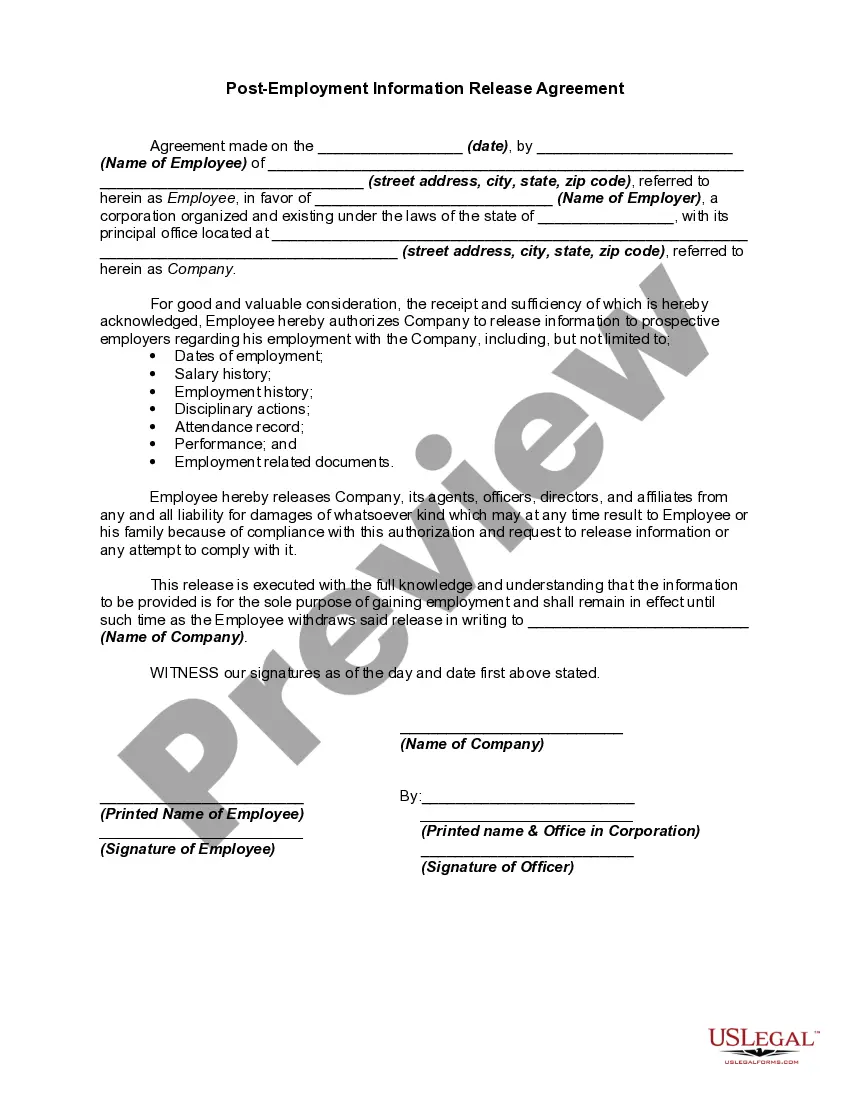
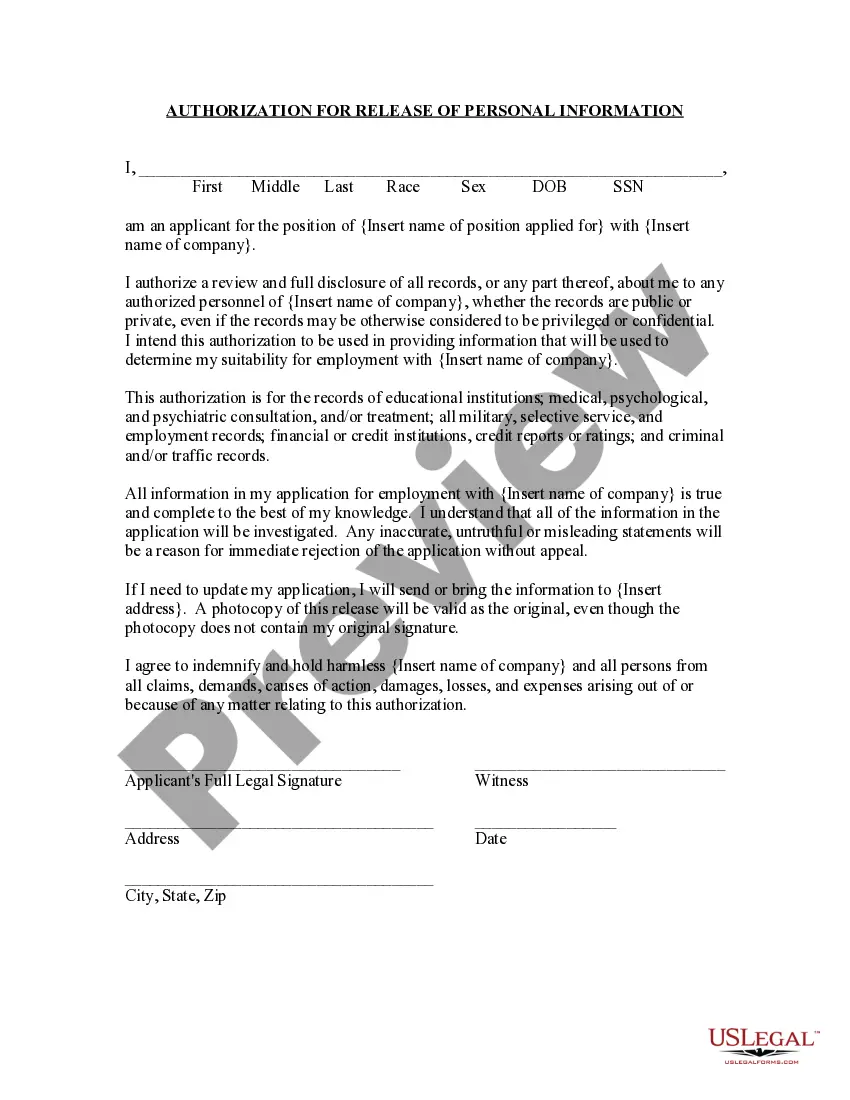
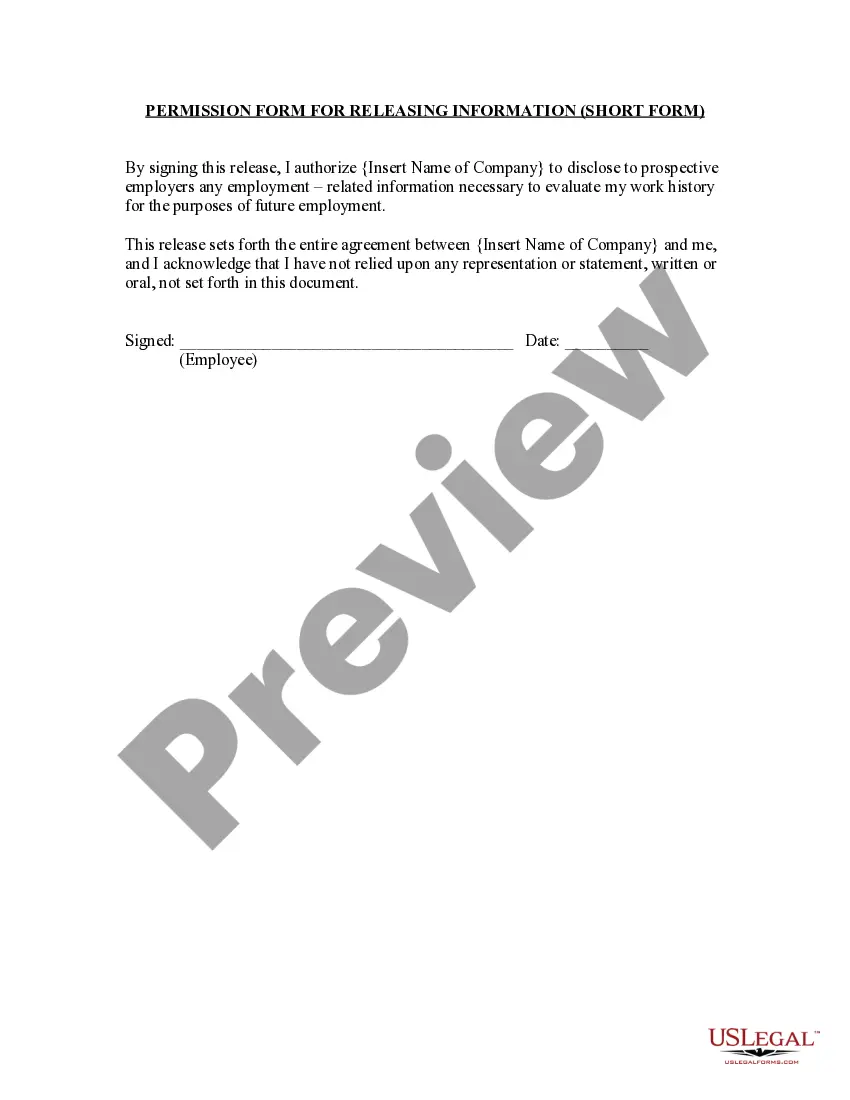
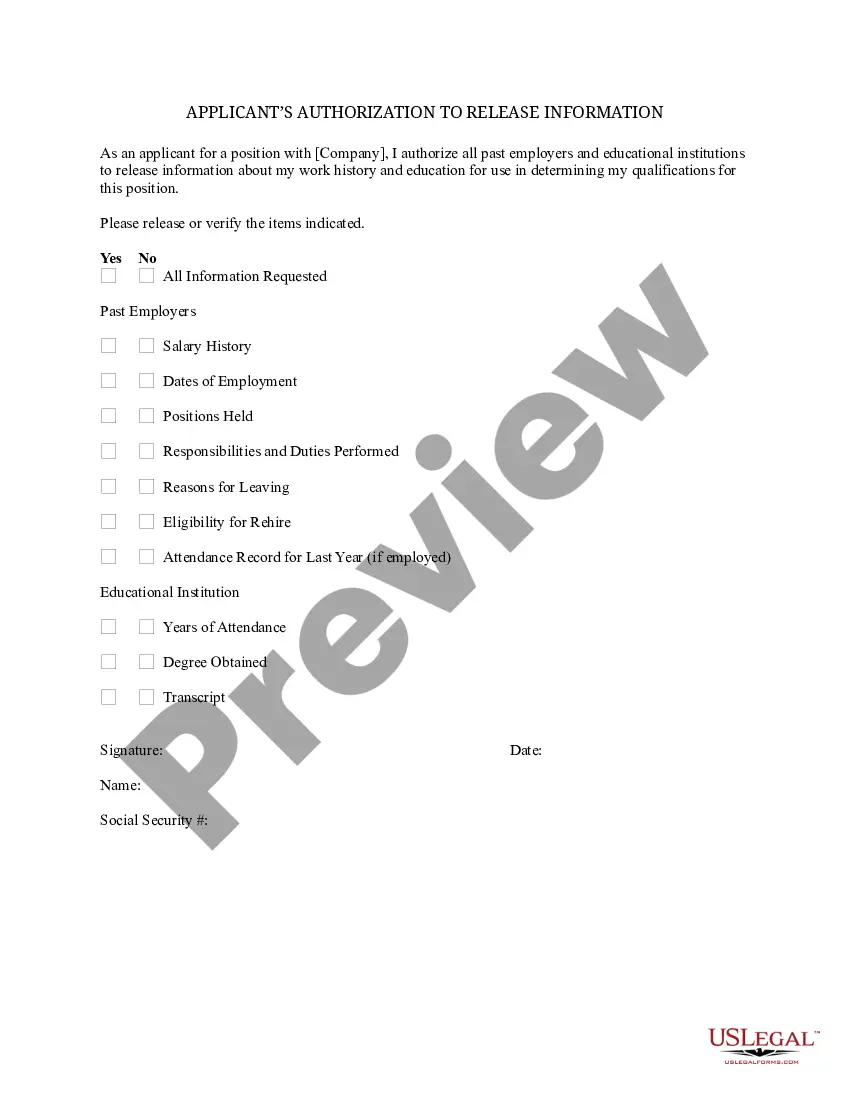
Get your form ready online
Our built-in tools help you complete, sign, share, and store your documents in one place.
Make edits, fill in missing information, and update formatting in US Legal Forms—just like you would in MS Word.
Download a copy, print it, send it by email, or mail it via USPS—whatever works best for your next step.
Sign and collect signatures with our SignNow integration. Send to multiple recipients, set reminders, and more. Go Premium to unlock E-Sign.
If this form requires notarization, complete it online through a secure video call—no need to meet a notary in person or wait for an appointment.
We protect your documents and personal data by following strict security and privacy standards.

Make edits, fill in missing information, and update formatting in US Legal Forms—just like you would in MS Word.

Download a copy, print it, send it by email, or mail it via USPS—whatever works best for your next step.

Sign and collect signatures with our SignNow integration. Send to multiple recipients, set reminders, and more. Go Premium to unlock E-Sign.

If this form requires notarization, complete it online through a secure video call—no need to meet a notary in person or wait for an appointment.

We protect your documents and personal data by following strict security and privacy standards.
Looking for another form?









Form popularity
FAQ
The Nevada Open Records Act is a series of laws designed to guarantee that the public has access to public records of government bodies at all levels. Public records includes all books and records of all government entities. Anyone can request public records and there is no statement of purpose required.
Stat. § 203.030 It is illegal in Nevada for anyone to “willfully provoke, or attempt to provoke, another person to commit a breach of the peace,” by word, sign or gesture. This is what's known as a “fighting words” law, and it prohibits language or conduct likely to illicit an immediate violent response.
The Nevada Secretary of State's office is committed to providing access to public records in ance with Nevada Revised Statutes Chapter 239. All public records, the contents of which are not otherwise declared by law to be confidential, shall be open for inspection or to obtain copies.
Requestors do not have to mention FOIA. You should refer to section 8 of FOIA when determining whether a request is valid or not. To be valid it must be in writing, it must state the requestor's real name, include an address for correspondence and it must also offer a clear description of the information requested.
The law gives Nevada residents the right to opt out of the sale of their personal data. The law also empowers consumers to know what information businesses collect from them, the means of its collection, and its intended use.
In some states, such as Nevada, the term “informed consent” is subject to statutory requirements. Informed consent is defined in the Patient Bill of Rights in Nevada.
Rule 1.6. Confidentiality of Information. (a) A lawyer shall not reveal information relating to representation of a client unless the client gives informed consent, the disclosure is impliedly authorized in order to carry out the representation, or the disclosure is permitted by paragraphs (b) and (d).
Both the HIPAA Privacy Rule and Nevada law give you rights with respect to your medical record. The HIPAA Privacy Rule sets standards that apply to records held by health care providers across the nation. Nevada law sets standards for records held by doctors, hospitals and other health care providers within the state.
This Nevada consent form is essential for conducting statewide criminal background checks. It outlines step-by-step instructions for applicants to follow accurately. Complete the form and submit it to ensure your background check is processed promptly.
The general position is that if information is given in circumstances where it is expected that a duty of confidence applies, that information cannot normally be disclosed without the information provider's consent.

