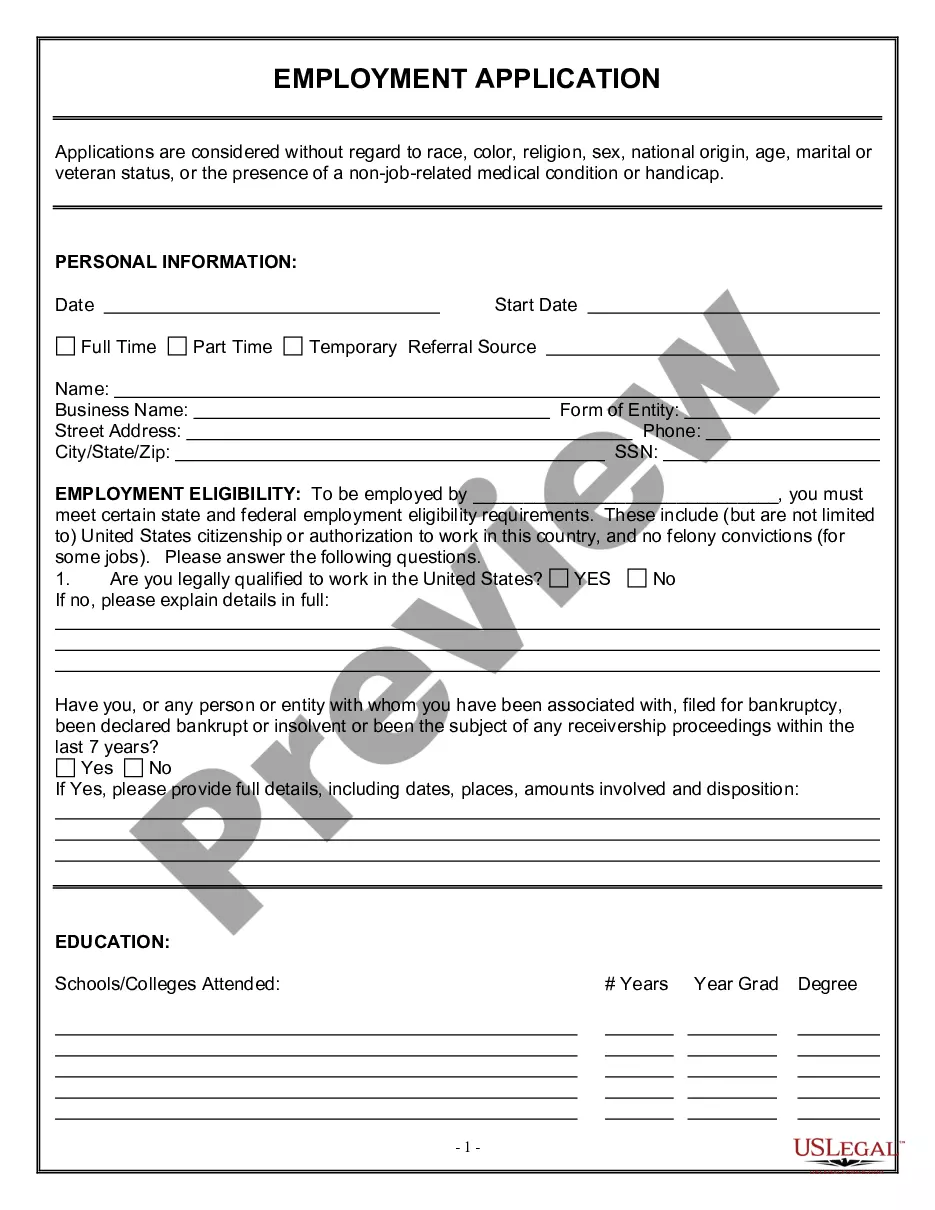
Employment Agreement Format In Alameda
Description
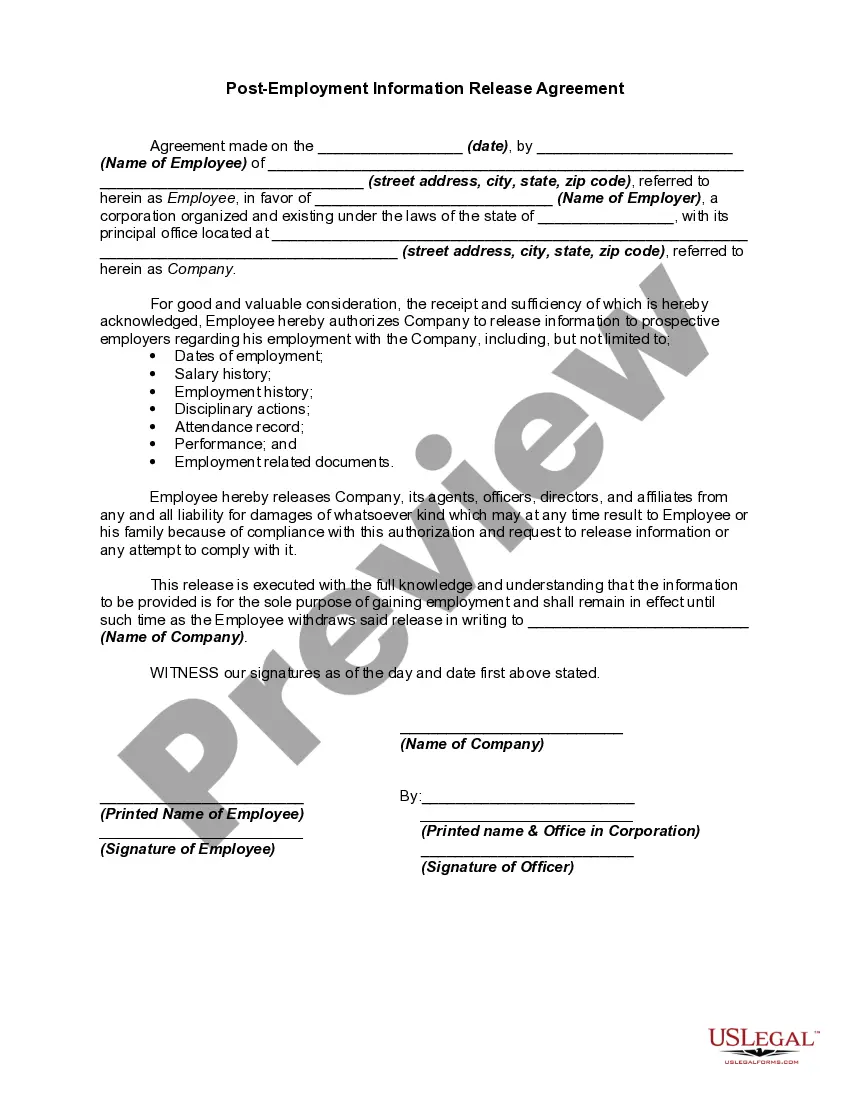
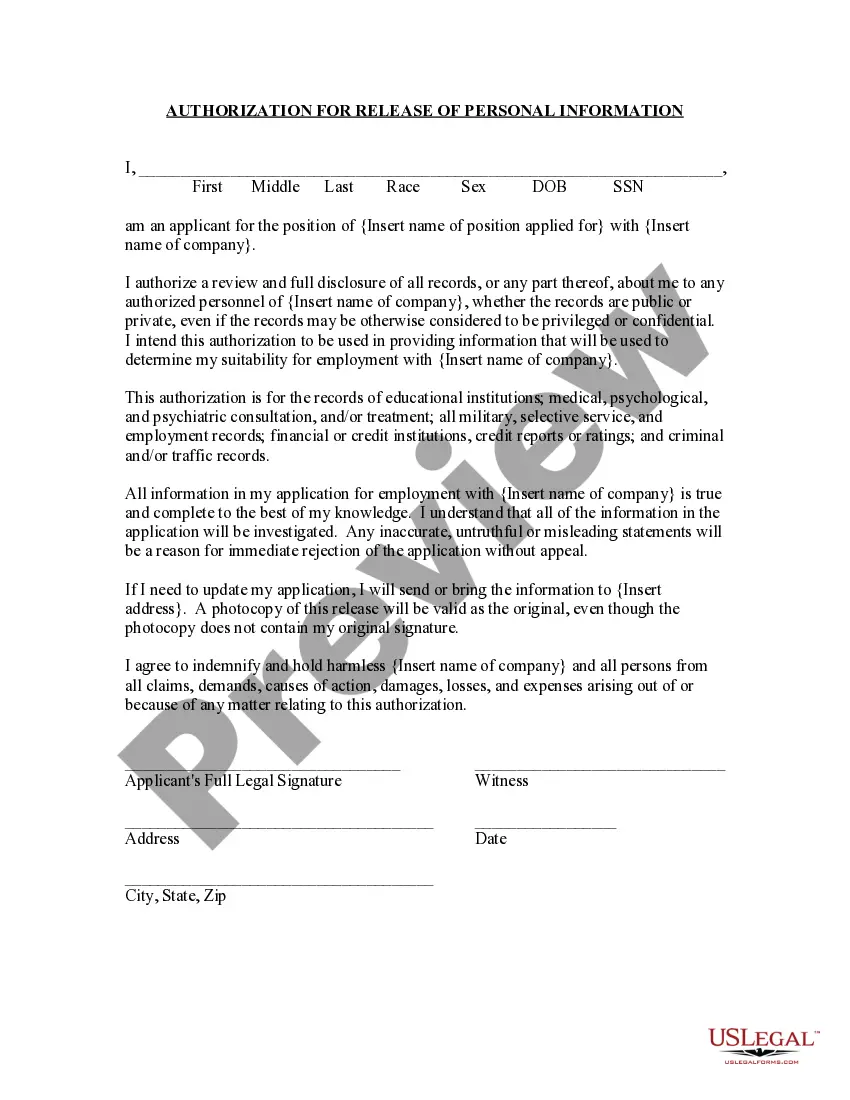
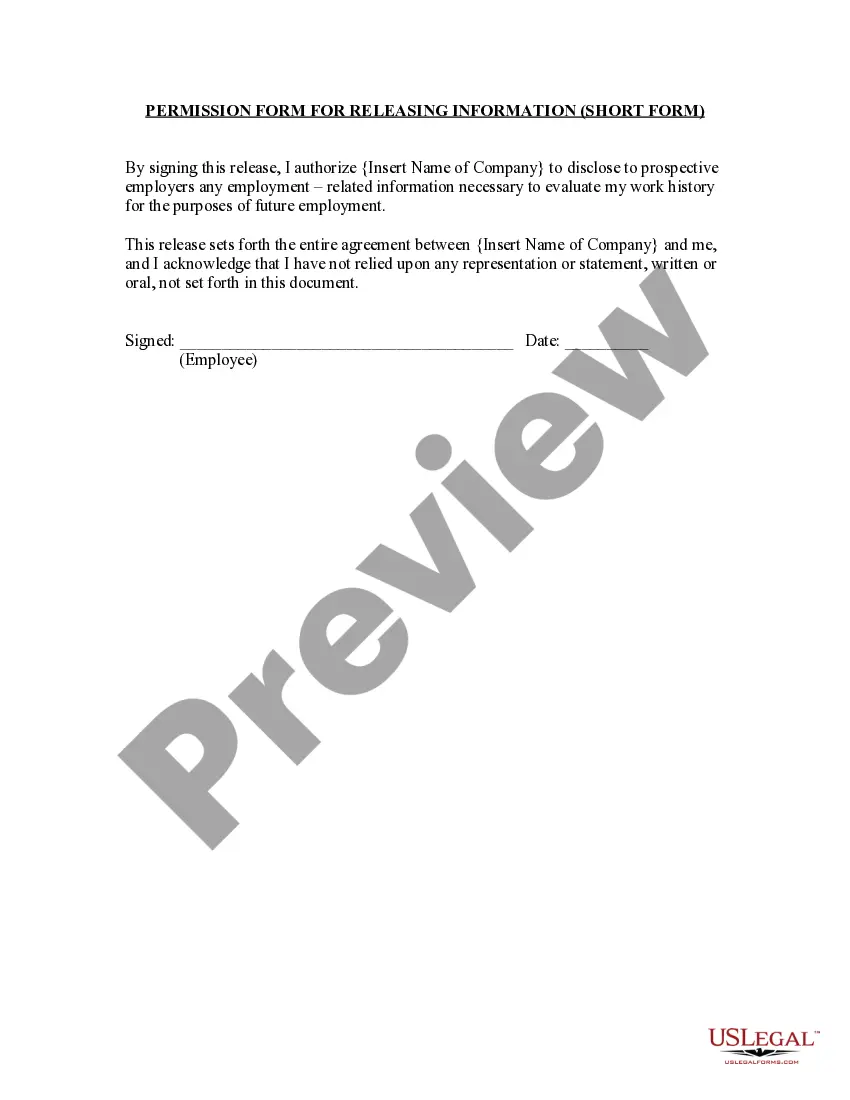
Get your form ready online
Our built-in tools help you complete, sign, share, and store your documents in one place.
Make edits, fill in missing information, and update formatting in US Legal Forms—just like you would in MS Word.
Download a copy, print it, send it by email, or mail it via USPS—whatever works best for your next step.
Sign and collect signatures with our SignNow integration. Send to multiple recipients, set reminders, and more. Go Premium to unlock E-Sign.
If this form requires notarization, complete it online through a secure video call—no need to meet a notary in person or wait for an appointment.
We protect your documents and personal data by following strict security and privacy standards.

Make edits, fill in missing information, and update formatting in US Legal Forms—just like you would in MS Word.

Download a copy, print it, send it by email, or mail it via USPS—whatever works best for your next step.

Sign and collect signatures with our SignNow integration. Send to multiple recipients, set reminders, and more. Go Premium to unlock E-Sign.

If this form requires notarization, complete it online through a secure video call—no need to meet a notary in person or wait for an appointment.

We protect your documents and personal data by following strict security and privacy standards.
Looking for another form?








Form popularity
FAQ
An employment contract should outline all the basic terms and conditions of employment, such as who the employer is, the commencement date, the agreed hours of work, where the work will be performed, who the employee reports to, the agreed remuneration and notice of termination.
Permanent employment contract Permanent employee contracts are the most common type of employment contract in the United States, which includes about 60% of the workforce. They are used for ongoing, continuous employment unless the employer or employee decides to terminate the relationship.
Therefore the difference between a letter of offer and a contract is usually something as simple as a term that clearly states that the included offer of employment is subject to the parties agreeing to a formal contract of employment, which will be drawn up at a later date.
When you agree to engage an employee, a common law employment contract is made regardless of whether you have written it down. Awards and State and Federal industrial laws will almost certainly apply and you must comply with their terms.
These are the basic components: Contract parties. Job title and description. Working hours and location. Compensation and benefits. Probationary period. Confidentiality and non-compete clauses. Termination and notice period. Grievance and dispute resolution.
Australian workplace agreement must be signed An Australian workplace agreement must be signed and dated by both the employer and employee, and their signatures must be witnessed. The agreement must include the full name and address of the employer and employee.
A Marketing Manager Employment Contract is a legally binding document that formalizes the relationship between an employer and an employee hired as a marketing manager. It specifies the terms and conditions of employment, such as duties, compensation, working hours, and other essential details.
Guide to writing contracts of employment Names of the parties. The full details of the business, and the employee's full name and address. Employment contract start date. Employee's job title and description. Workplace. Working hours. Probationary period. Salary. Deductions.
To write a simple contract, title it clearly, identify all parties and specify terms (services or payments). Include an offer, acceptance, consideration, and intent. Add a signature and date for enforceability. Written contracts reduce disputes and offer better legal security than verbal ones.
How to Write a Letter of Agreement Start with Basic Information. Define Employment Terms. Outline Compensation and Benefits. Include Non-Disclosure and Non-Compete Clauses. Address the Probationary Period (if applicable). Set the Code of Conduct and Policies. Explain Termination Conditions. Detail Severance Terms: