Indemnity Claims In Construction In Fairfax
Description
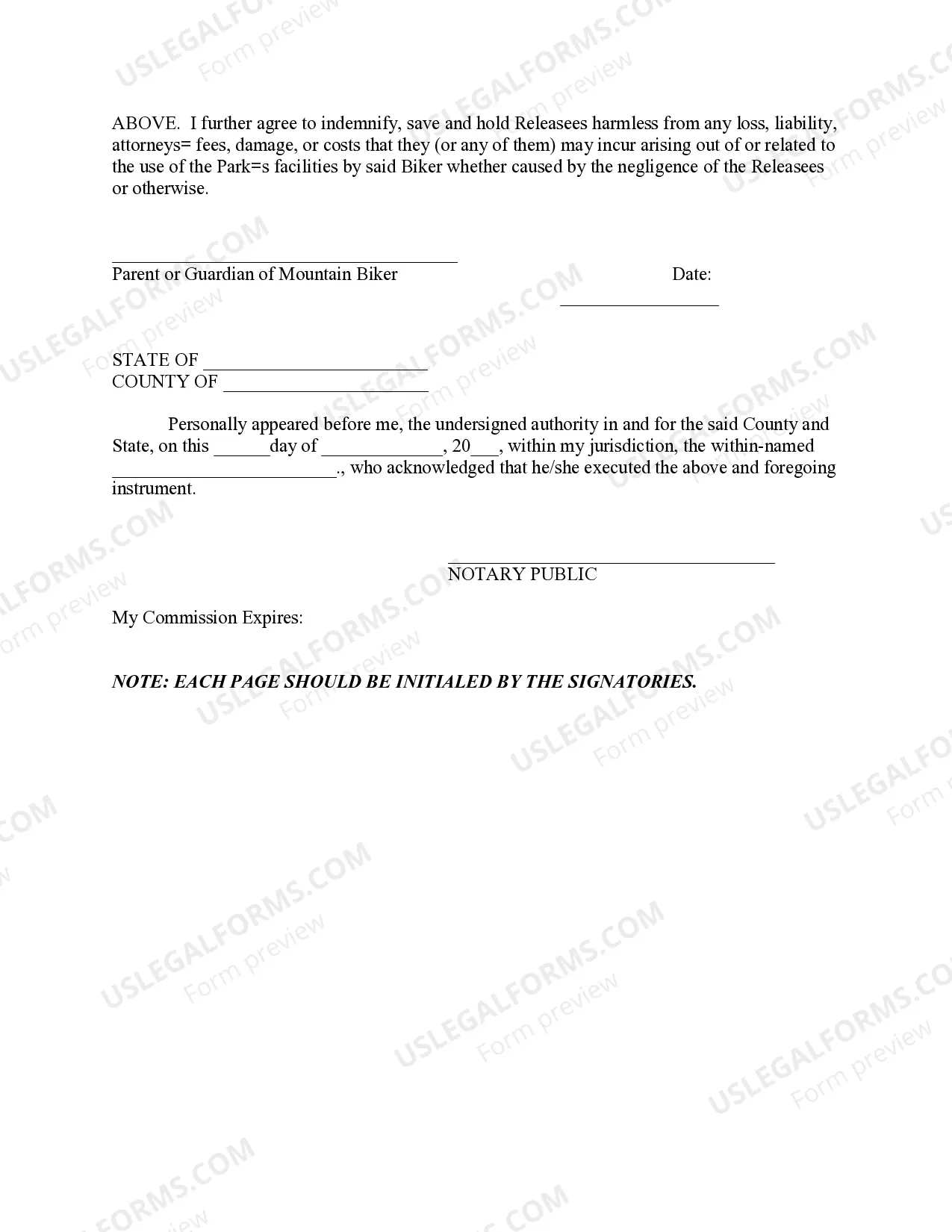
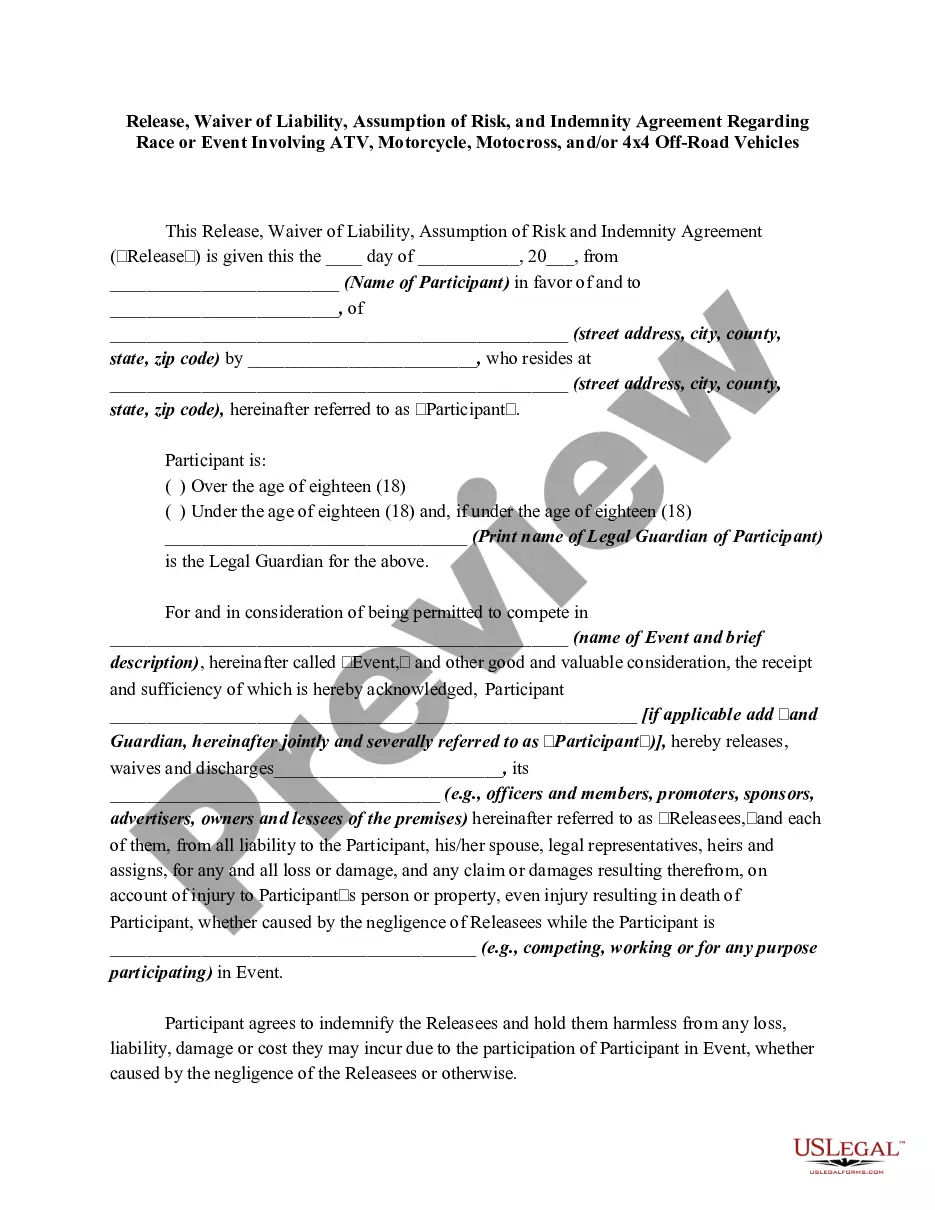
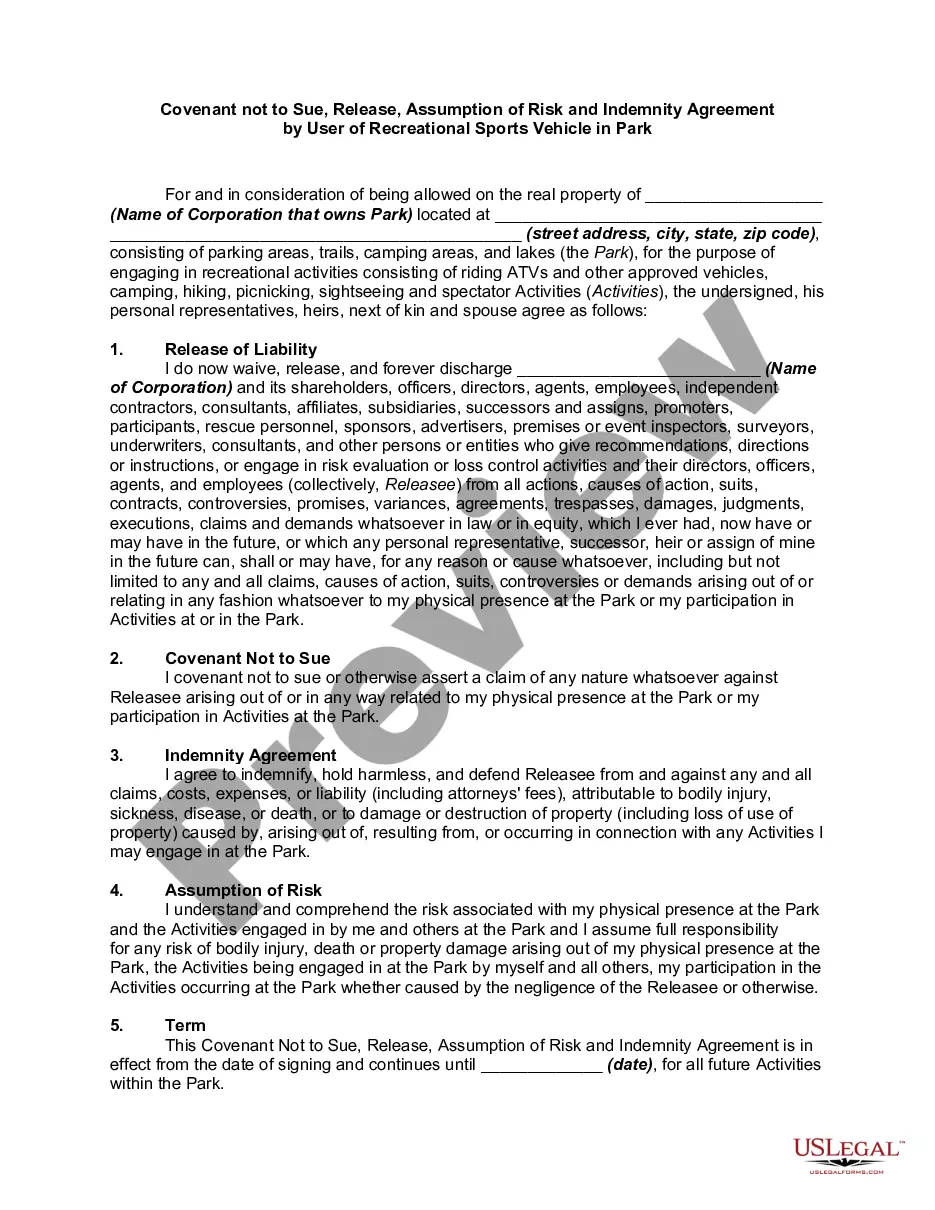
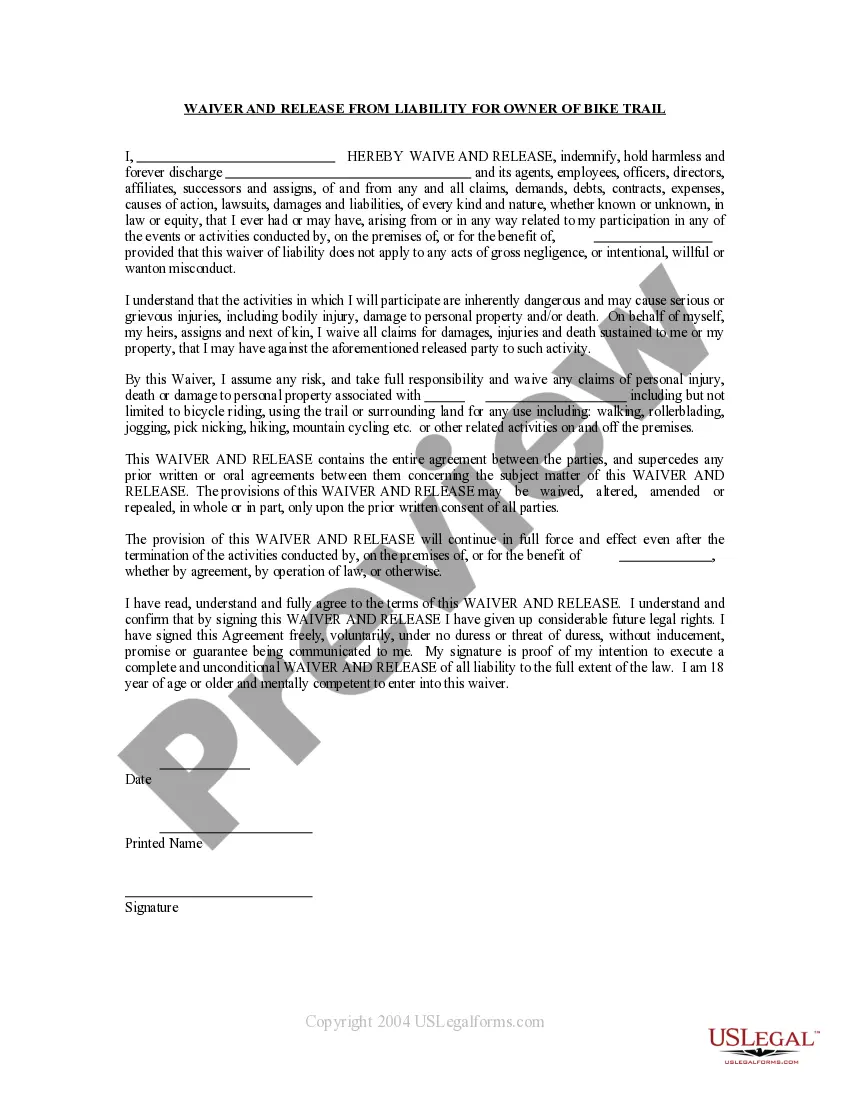
Get your form ready online
Our built-in tools help you complete, sign, share, and store your documents in one place.
Make edits, fill in missing information, and update formatting in US Legal Forms—just like you would in MS Word.
Download a copy, print it, send it by email, or mail it via USPS—whatever works best for your next step.
Sign and collect signatures with our SignNow integration. Send to multiple recipients, set reminders, and more. Go Premium to unlock E-Sign.
If this form requires notarization, complete it online through a secure video call—no need to meet a notary in person or wait for an appointment.
We protect your documents and personal data by following strict security and privacy standards.

Make edits, fill in missing information, and update formatting in US Legal Forms—just like you would in MS Word.

Download a copy, print it, send it by email, or mail it via USPS—whatever works best for your next step.

Sign and collect signatures with our SignNow integration. Send to multiple recipients, set reminders, and more. Go Premium to unlock E-Sign.

If this form requires notarization, complete it online through a secure video call—no need to meet a notary in person or wait for an appointment.

We protect your documents and personal data by following strict security and privacy standards.
Looking for another form?





Form popularity
FAQ
What Is an Indemnification Clause? An indemnification clause is a legally binding agreement between two parties specifying that one party (the indemnifying party) will compensate the other party (the indemnified party) for any losses or damages that may arise from a particular event or circumstance.
An indemnity clause is a contractual clause providing that one party is responsible for any losses or damages arising from a certain event or set of circumstances. In effect, the indemnity clause shifts the risk of that event occurring from the indemnified party to the indemnifying party.
What Is an Indemnification Clause? An indemnification clause is a legally binding agreement between two parties specifying that one party (the indemnifying party) will compensate the other party (the indemnified party) for any losses or damages that may arise from a particular event or circumstance.
A. A business trust shall have the power to indemnify and hold harmless any trustee, officer, employee or agent from and against any and all claims and demands to the same extent as a director, officer, employee or agent of a Virginia corporation under Chapter 9 (§ 13.1-601 et seq.)
An indemnity clause provides protection to a specified party of the construction contract against damages and exempts them from liability caused by their own actions. In simple terms, this clause holds one party harmless for the losses of another.
Unless limited by its articles of incorporation, a corporation shall indemnify a director who was wholly successful, on the merits or otherwise, in the defense of any proceeding to which the director was a party because the director is or was a director of the corporation against expenses incurred by the director in ...
Indemnity clauses share the same core purpose, but can have varying reach, depending on the language used. Limited Form: Indemnity “To the Extent” Caused by the Contractor. Intermediate Form: Indemnity Other than for “Sole Negligence” of the Owner. Broad Form: Indemnity Regardless of Cause. Direct Indemnity.
“The elements of a cause of action for indemnity are (1) a showing of fault on the part of the indemnitor and (2) resulting damages to the indemnitee for which the indemnitor is contractually or equitably responsible.” Expressions, supra, 86 Cal.
For example, unlike damages which can only be claimed when loss has occurred, case laws have established that indemnity may be claimed from the indemnitor even when loss has not occurred but when there is accrual of liability and such liability has become absolute.
If a customer believes that an error has been made with their collection, they can request a full and immediate refund from their paying bank or building society. There is no time limit on this, a customer can request this at any time but must raise it for the full amount of the payment.