Disclosure Vs Confidentiality In San Antonio
Description

Get your form ready online
Our built-in tools help you complete, sign, share, and store your documents in one place.
Make edits, fill in missing information, and update formatting in US Legal Forms—just like you would in MS Word.
Download a copy, print it, send it by email, or mail it via USPS—whatever works best for your next step.
Sign and collect signatures with our SignNow integration. Send to multiple recipients, set reminders, and more. Go Premium to unlock E-Sign.
If this form requires notarization, complete it online through a secure video call—no need to meet a notary in person or wait for an appointment.
We protect your documents and personal data by following strict security and privacy standards.

Make edits, fill in missing information, and update formatting in US Legal Forms—just like you would in MS Word.

Download a copy, print it, send it by email, or mail it via USPS—whatever works best for your next step.

Sign and collect signatures with our SignNow integration. Send to multiple recipients, set reminders, and more. Go Premium to unlock E-Sign.

If this form requires notarization, complete it online through a secure video call—no need to meet a notary in person or wait for an appointment.

We protect your documents and personal data by following strict security and privacy standards.
Looking for another form?









Form popularity
FAQ
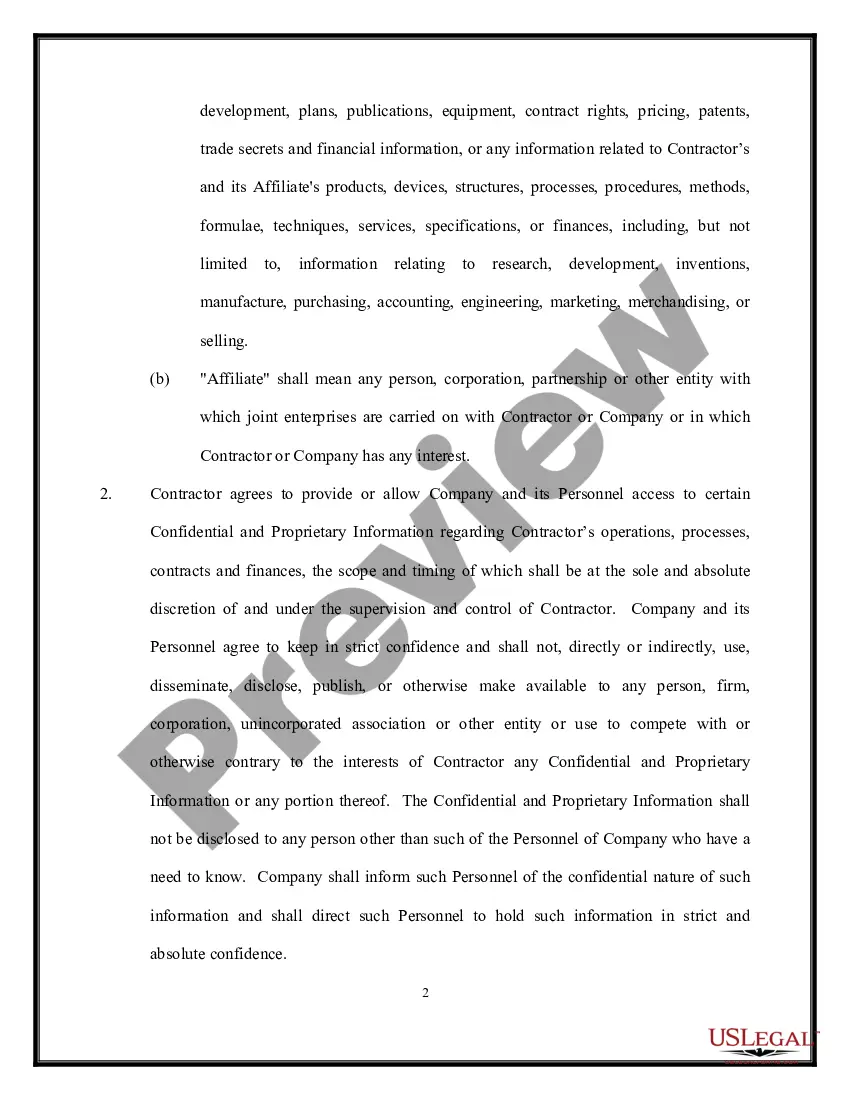
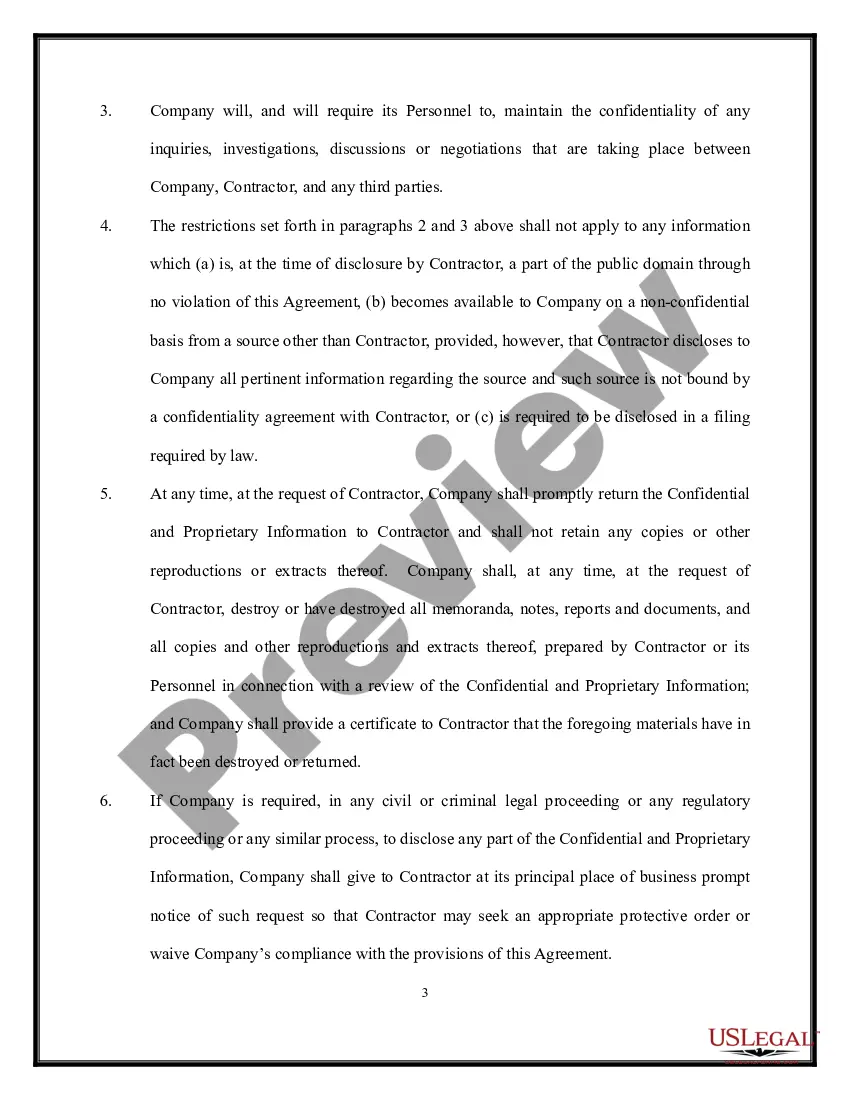
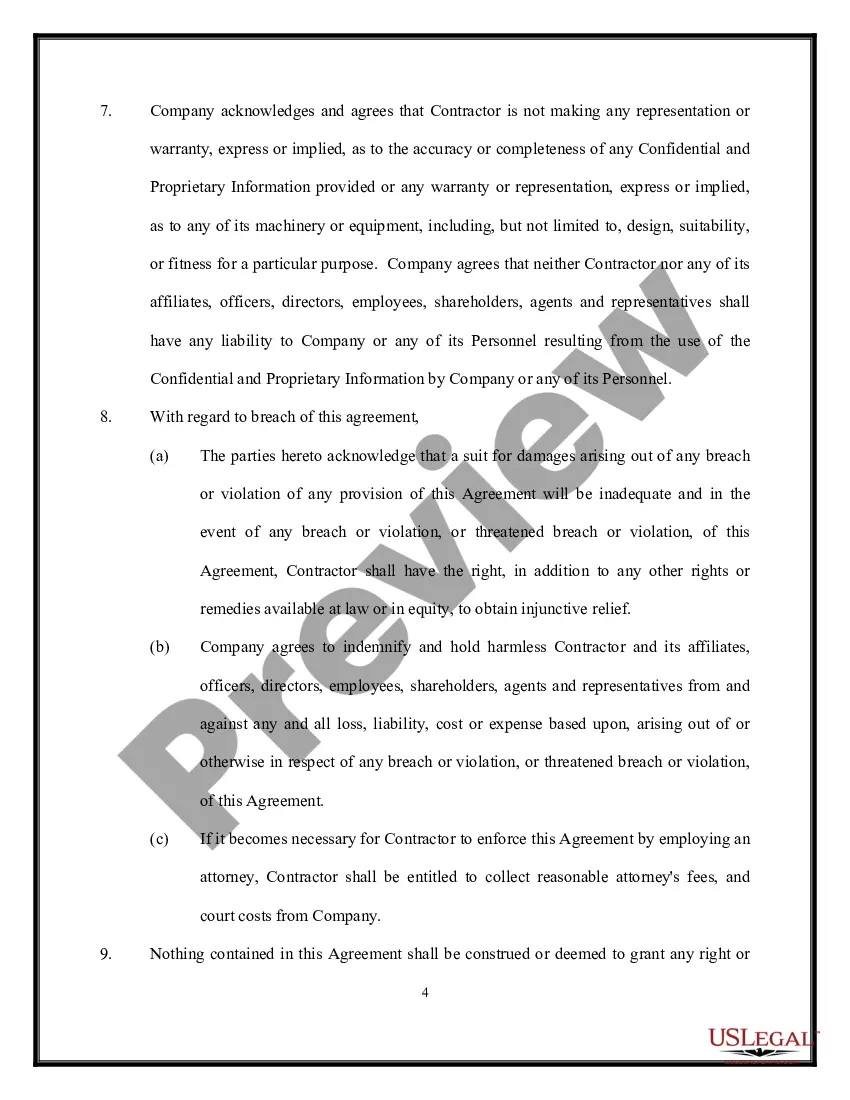
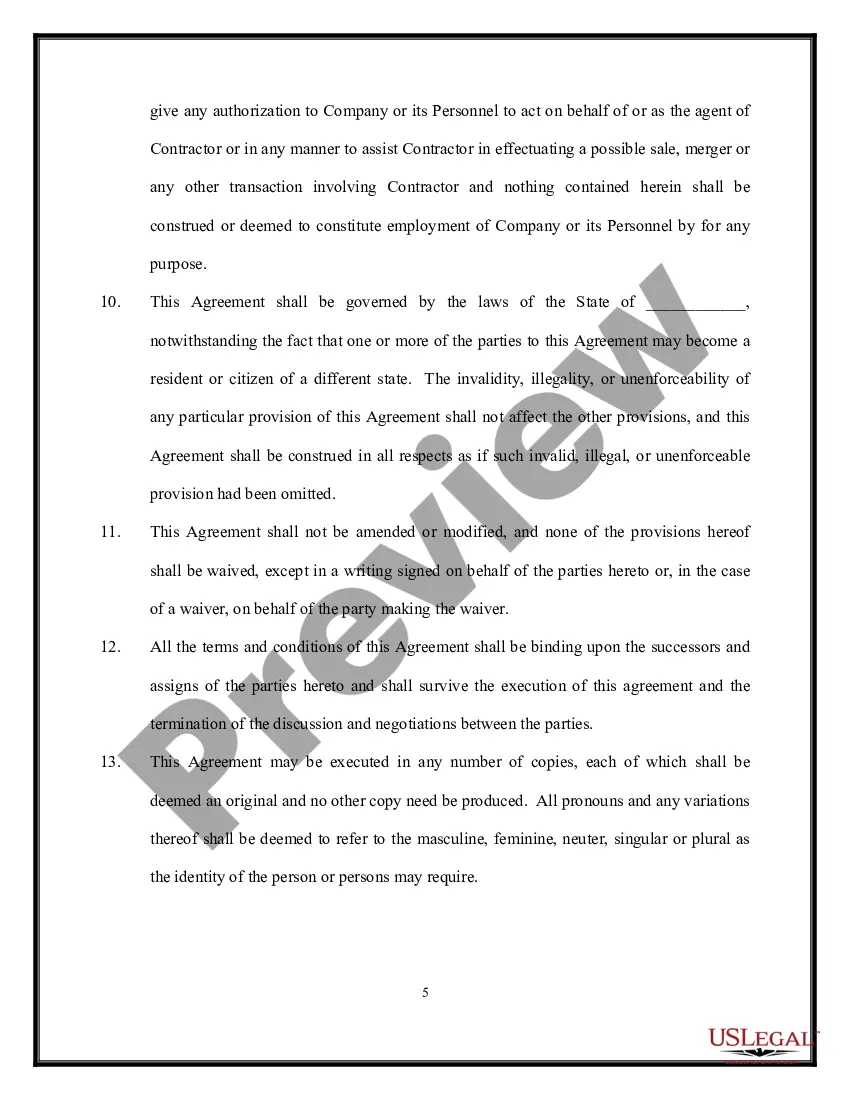
Use: NDAs are often used by startups or third-party partnerships. CDAs are used in high-value corporate transactions or in military service.
In general, NDAs are used when there is a unilateral flow of classified data, while confidentiality agreements are designed to be used when two or more parties share proprietary information.
As a general concept, non-disclosure agreements, often referred to as NDAs, are agreements between parties that are used to ensure that certain information will remain confidential.
Information is 'confidential' if there is a restriction on its disclosure, normally placed by the person or organisation that provides it.
Under Texas law, a non-disclosure agreement is enforceable even if it is coupled with an unenforceable non compete agreement or invalid non-solicitation provision.
What is a nondisclosure agreement? Whereas confidentiality agreements are typically devised in employment or personal situations to protect sensitive information, NDAs are often used in business and legal settings to protect trade secrets, client lists, and financial data.
A confidential relationship means that at least one party has a duty not to disclose the relevant knowledge without authorization. In general, a non-disclosure agreement can be categorized as either a unilateral or mutual/bilateral NDA. In unilateral NDAs, only one party agrees not to disclose classified information.
I understand that any information concerning the identities and information shared by people participating in project-related focus groups, individual interviews, or other needs assessment activities is to be kept confidential at all times.
Completing the Confidentiality Agreement The "Receiving Party" is the person or company who receives the confidential information and is obligated to keep it secret. You'll need to fill in information specific to your circumstances in the spaces provided, such as the parties' names and addresses.
The Order and Contents of a Confidential Information Memorandum Overview and Key Investment Highlights. Products and Services. Market. Sales & Marketing. Management Team. Financial Results and Projections. Risk Factors (Sometimes omitted) Appendices.
