Disclosure Vs Confidentiality In Ohio
Description

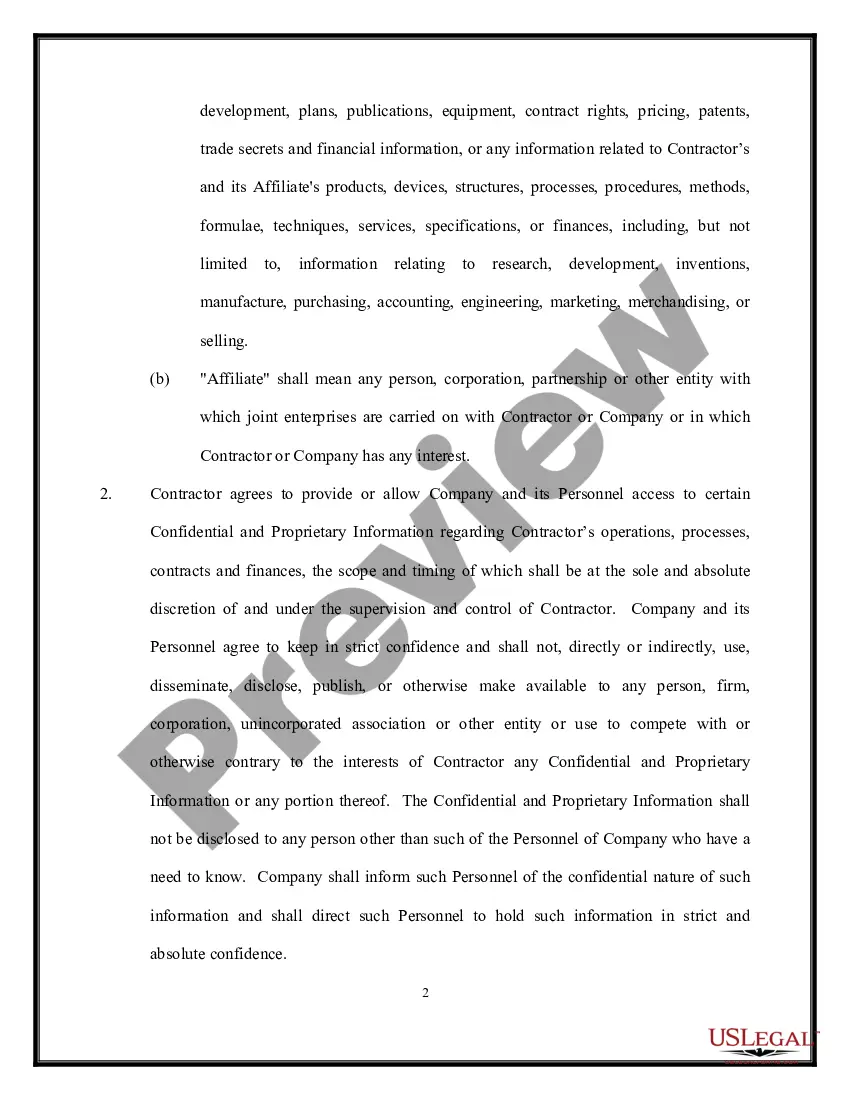
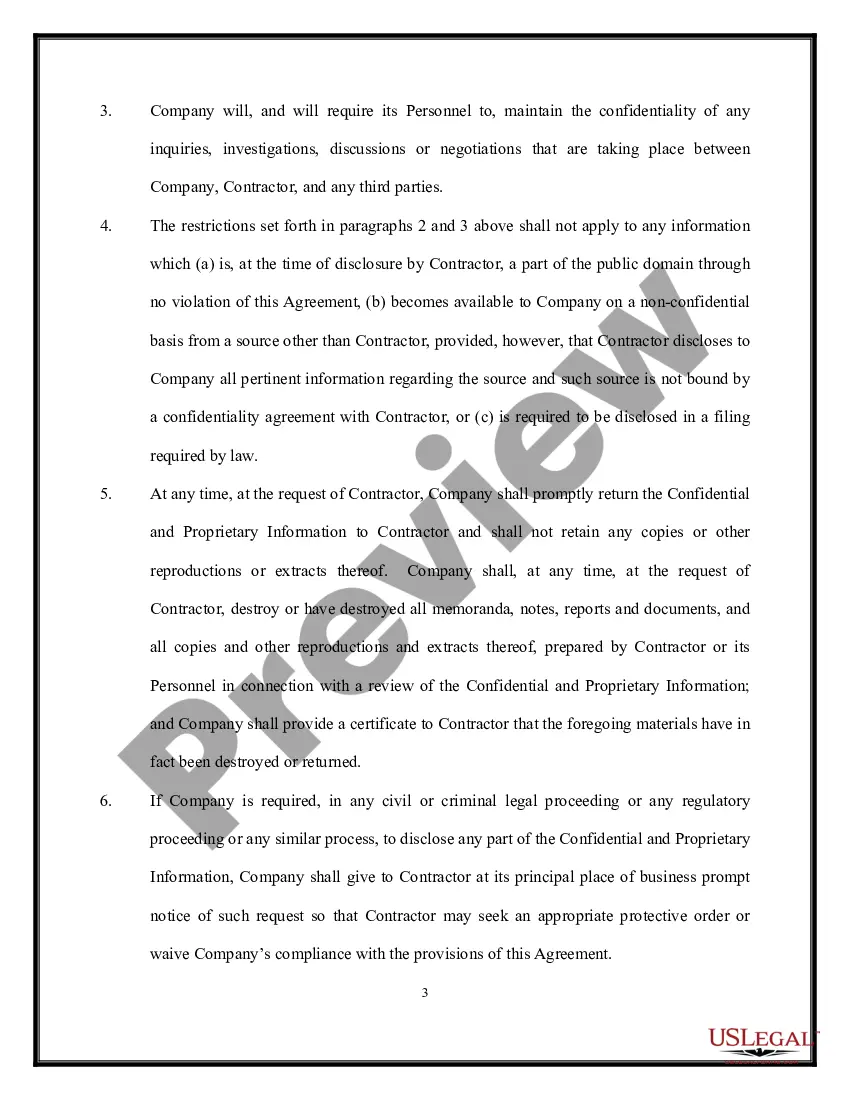
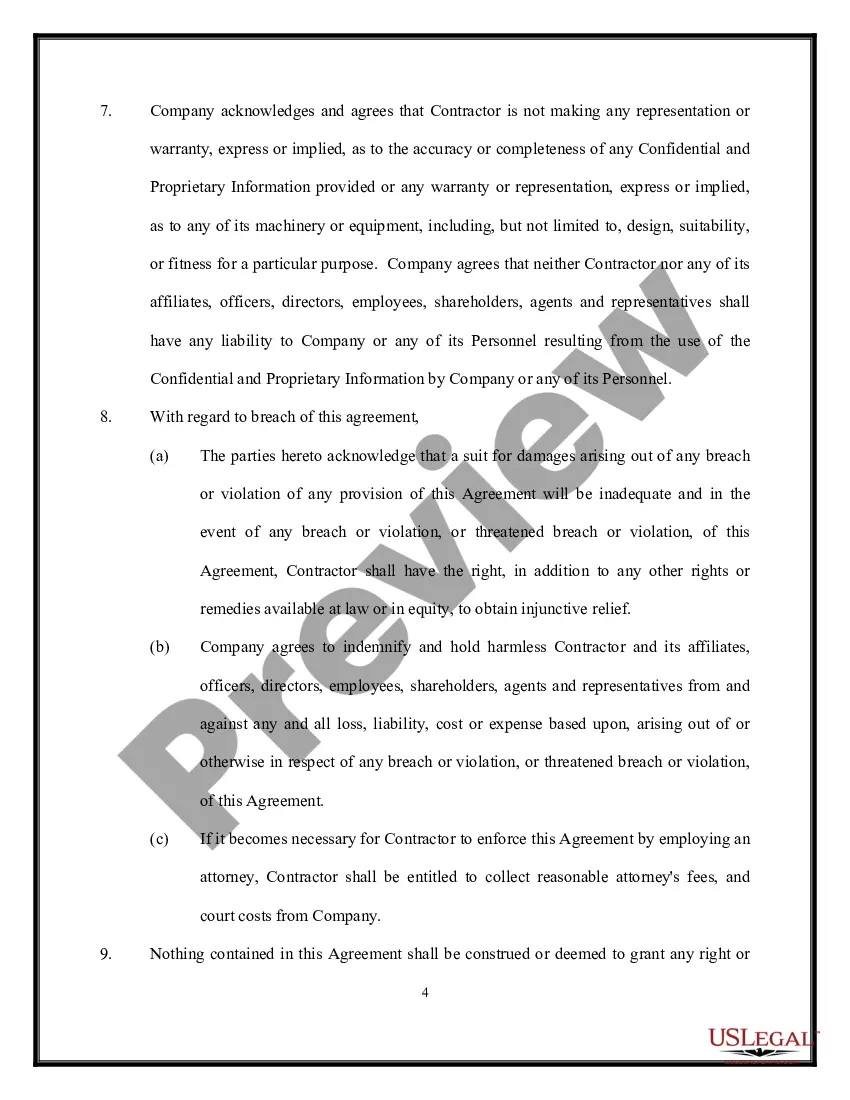
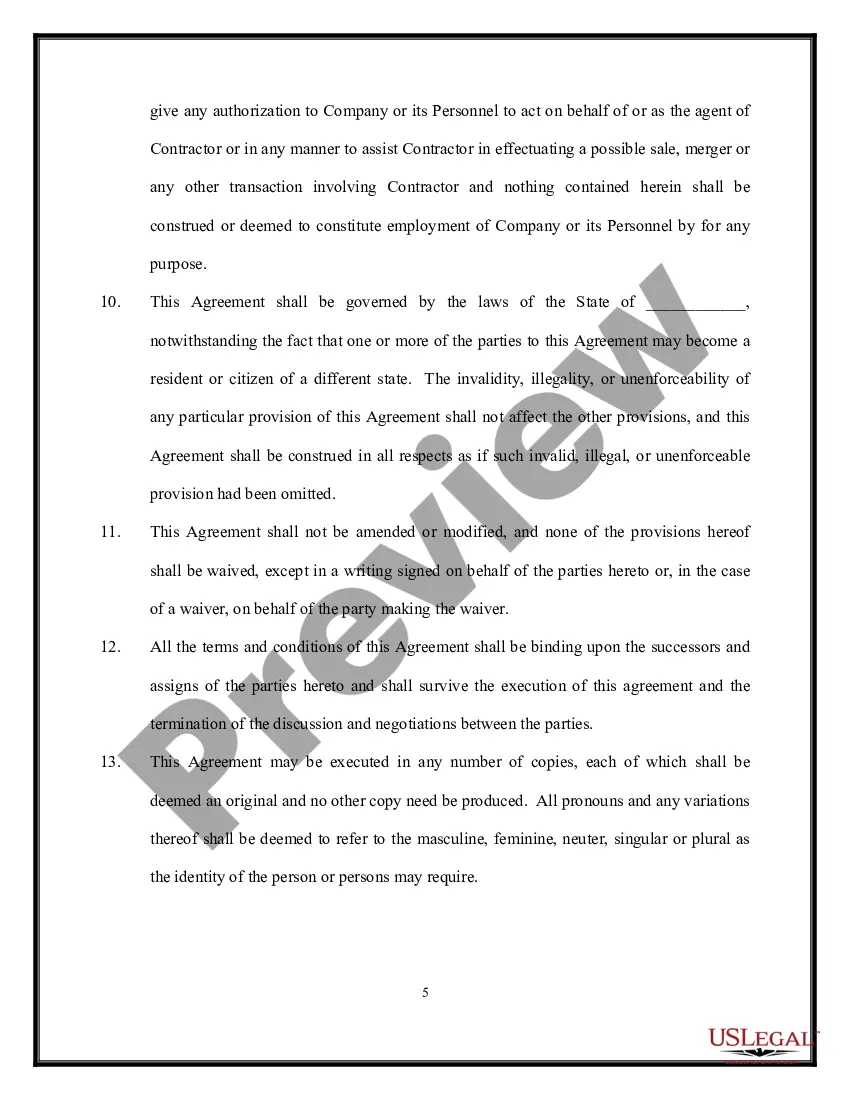
Get your form ready online
Our built-in tools help you complete, sign, share, and store your documents in one place.
Make edits, fill in missing information, and update formatting in US Legal Forms—just like you would in MS Word.
Download a copy, print it, send it by email, or mail it via USPS—whatever works best for your next step.
Sign and collect signatures with our SignNow integration. Send to multiple recipients, set reminders, and more. Go Premium to unlock E-Sign.
If this form requires notarization, complete it online through a secure video call—no need to meet a notary in person or wait for an appointment.
We protect your documents and personal data by following strict security and privacy standards.

Make edits, fill in missing information, and update formatting in US Legal Forms—just like you would in MS Word.

Download a copy, print it, send it by email, or mail it via USPS—whatever works best for your next step.

Sign and collect signatures with our SignNow integration. Send to multiple recipients, set reminders, and more. Go Premium to unlock E-Sign.

If this form requires notarization, complete it online through a secure video call—no need to meet a notary in person or wait for an appointment.

We protect your documents and personal data by following strict security and privacy standards.
Looking for another form?




Form popularity
FAQ
THIS DOCUMENT AND THE INFORMATION IN IT ARE PROVIDED IN CONFIDENCE, FOR THE SOLE PURPOSE OF INSERT DETAILS, AND MAY NOT BE DISCLOSED TO ANY THIRD PARTY OR USED FOR ANY OTHER PURPOSE WITHOUT THE EXPRESS WRITTEN PERMISSION OF INSERT DETAILS.
NDAs are enforceable when they are signed — if they are properly drafted and executed. NDAs are enforceable once signed, provided they have been drafted and executed properly. Unilateral NDAs need only the signature of the receiving party, whereas mutual non-disclosure agreements need the signatures of both parties.
Even if the confidential information does not qualify as a trade secret entitled to statutory protection, an employee subject to a confidentiality agreement can still be held liable for misappropriation based upon breach of contract.
Information is 'confidential' if there is a restriction on its disclosure, normally placed by the person or organisation that provides it.
If a party breaches the NDA without written approval, the other party can seek legal remedies, such as injunctive actions or damages as per Ohio state laws.
A confidentiality agreement should include the names and addresses of the parties to the contract. Consider also including: Reason for the agreement: Explain why you're sharing this information. The information disclosed: Be specific about the subject matter and what exactly is included in the agreement.
Common law confidentiality is not codified in an Act of Parliament but built up from case law through individual judgments. The key principle is that information confided should not be used or disclosed further, except as originally understood by the confider, or with their subsequent permission.
Code 3364-90-01. Health information that identifies an individual, or in respect of which there is a reasonable basis to believe that it can be used to identify, the individual is protected by law. Such information is confidential and may only be released in ance with the law.
Ohio Rev. Code Ann. § 5122.04 provides that a minor age 14 or older may consent for outpatient mental health services, excluding the use of medication, offered by a “mental health professional.” Services are limited to not more than 6 sessions or 30 days of services, whichever occurs sooner.
Non-Disclosure Agreement is used when the obligation is one-way (or unilateral). However, if there is a two-way (or multi-lateral) exchange of secret or commercially sensitive information, the agreement is more likely to be titled a Confidentiality Agreement.
