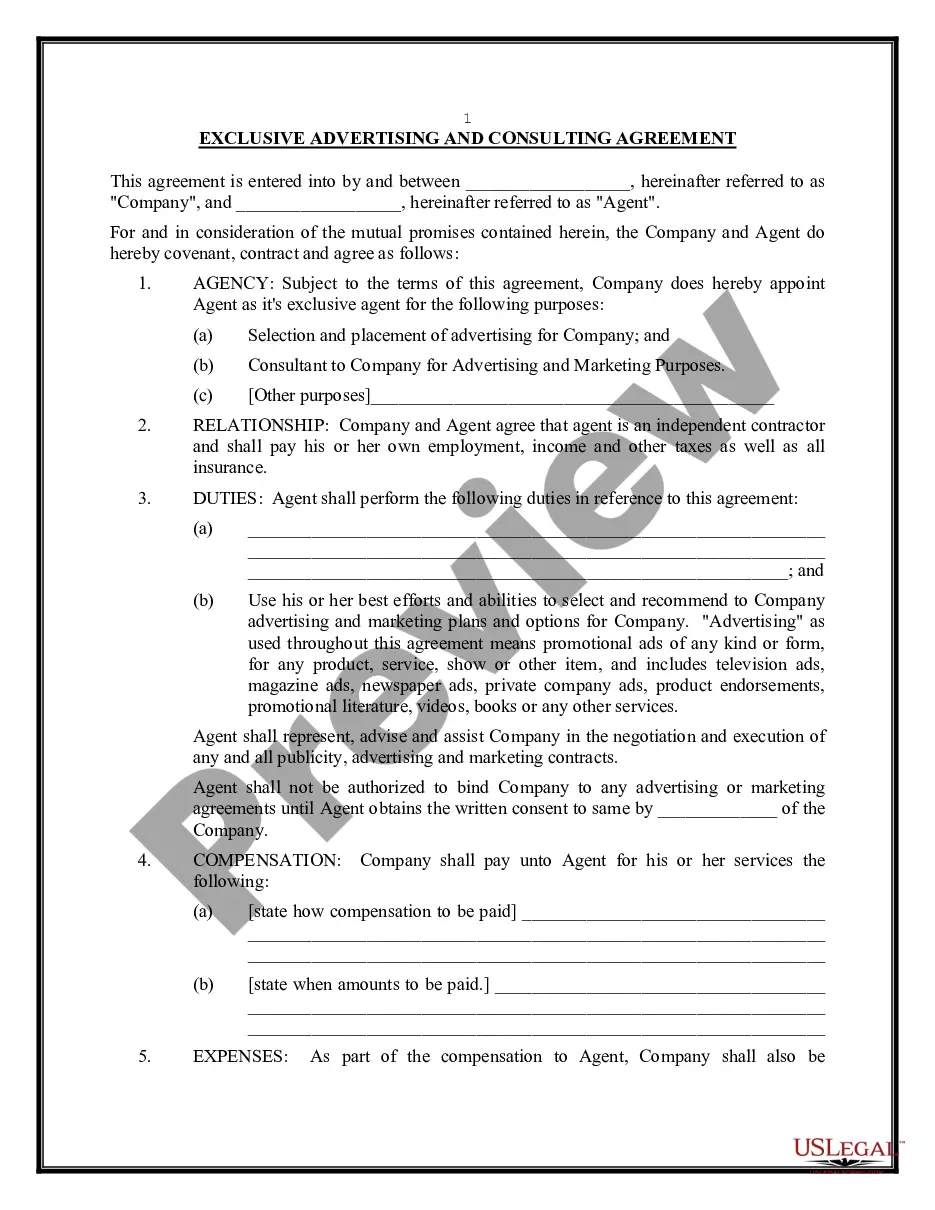
Confidentiality Agreement Format With Vendor In Ohio
Description

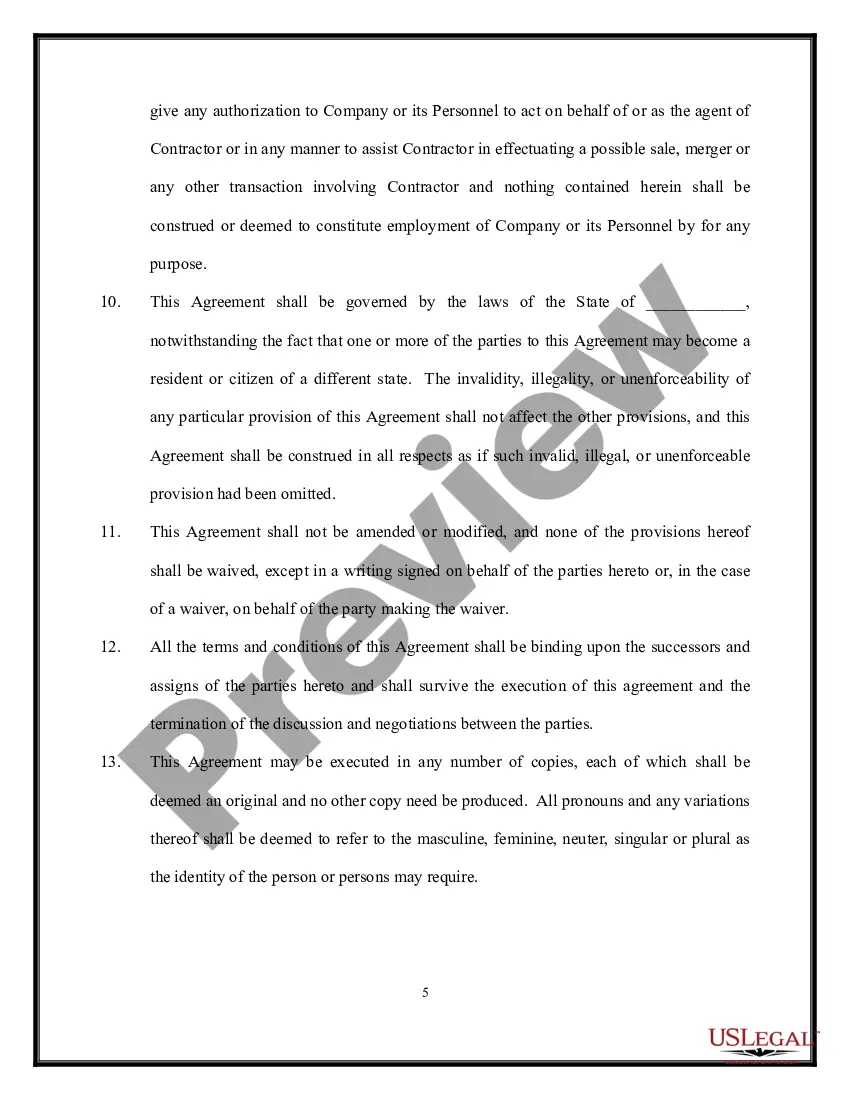
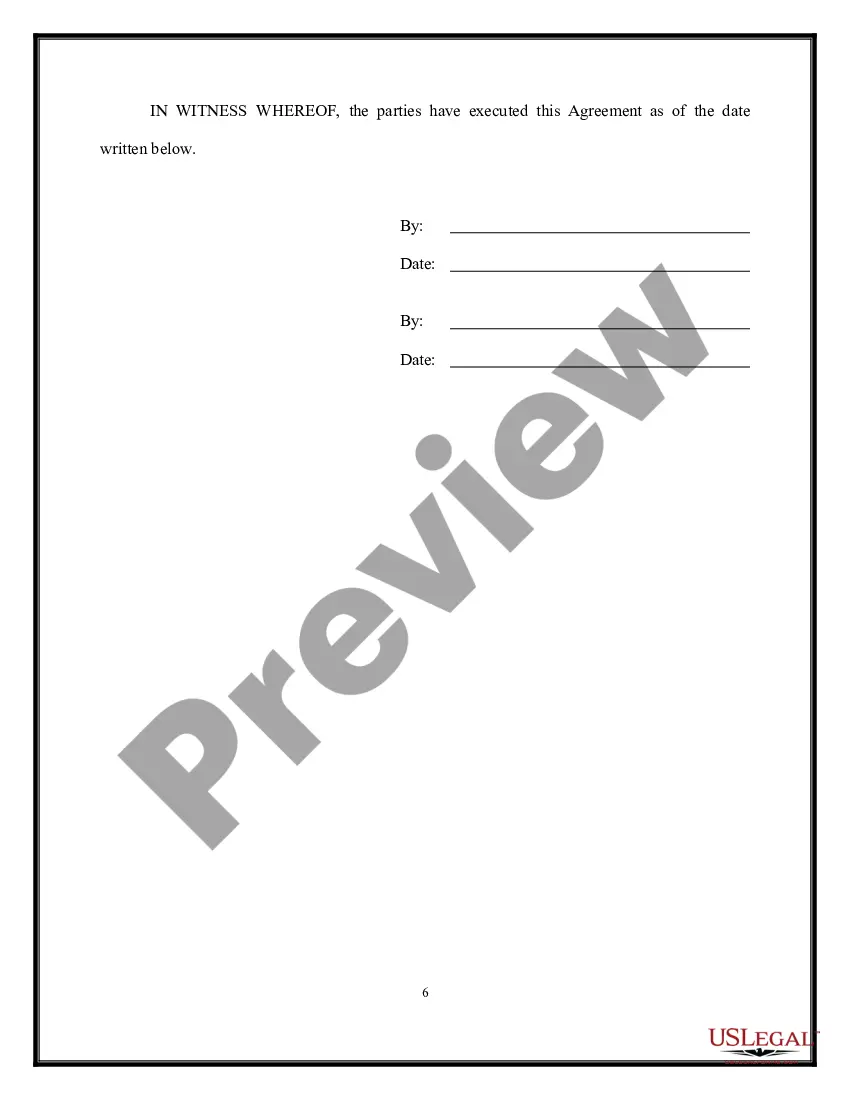
Get your form ready online
Our built-in tools help you complete, sign, share, and store your documents in one place.
Make edits, fill in missing information, and update formatting in US Legal Forms—just like you would in MS Word.
Download a copy, print it, send it by email, or mail it via USPS—whatever works best for your next step.
Sign and collect signatures with our SignNow integration. Send to multiple recipients, set reminders, and more. Go Premium to unlock E-Sign.
If this form requires notarization, complete it online through a secure video call—no need to meet a notary in person or wait for an appointment.
We protect your documents and personal data by following strict security and privacy standards.

Make edits, fill in missing information, and update formatting in US Legal Forms—just like you would in MS Word.

Download a copy, print it, send it by email, or mail it via USPS—whatever works best for your next step.

Sign and collect signatures with our SignNow integration. Send to multiple recipients, set reminders, and more. Go Premium to unlock E-Sign.

If this form requires notarization, complete it online through a secure video call—no need to meet a notary in person or wait for an appointment.

We protect your documents and personal data by following strict security and privacy standards.
Looking for another form?





Form popularity
FAQ
A confidentiality agreement should include the names and addresses of the parties to the contract. Consider also including: Reason for the agreement: Explain why you're sharing this information. The information disclosed: Be specific about the subject matter and what exactly is included in the agreement.
Confidentiality clauses protect sensitive information exchanged during the vendor relationship, such as proprietary data or business strategies. These clauses are essential for maintaining the integrity and confidentiality of business operations.
The contents, terms, and conditions of this Agreement must be kept confidential by Employee.Name and may only be disclosed to their accountant or attorneys or pursuant to subpoena or court order. Any breach of this confidentiality provision shall be deemed a material breach of this Agreement.
Even if the confidential information does not qualify as a trade secret entitled to statutory protection, an employee subject to a confidentiality agreement can still be held liable for misappropriation based upon breach of contract.
28(3)(b) GDPR requires processors to ensure that individuals authorised to process personal data agree to maintain confidentiality unless they are already subject to an appropriate statutory obligation not to disclose confidential information.
Make sure to include the confidential information you need to protect under the agreement, including business secrets, financial information, and customer data. The agreement should also specify the parties involved, including the disclosing and the receiving parties.
Confidentiality agreements can run indefinitely, covering the parties' disclosures of confidential information at any time, or can terminate on a certain date or event. Whether or not the overall agreement has a definite term, the parties' nondisclosure obligations can be stated to survive for a set period.
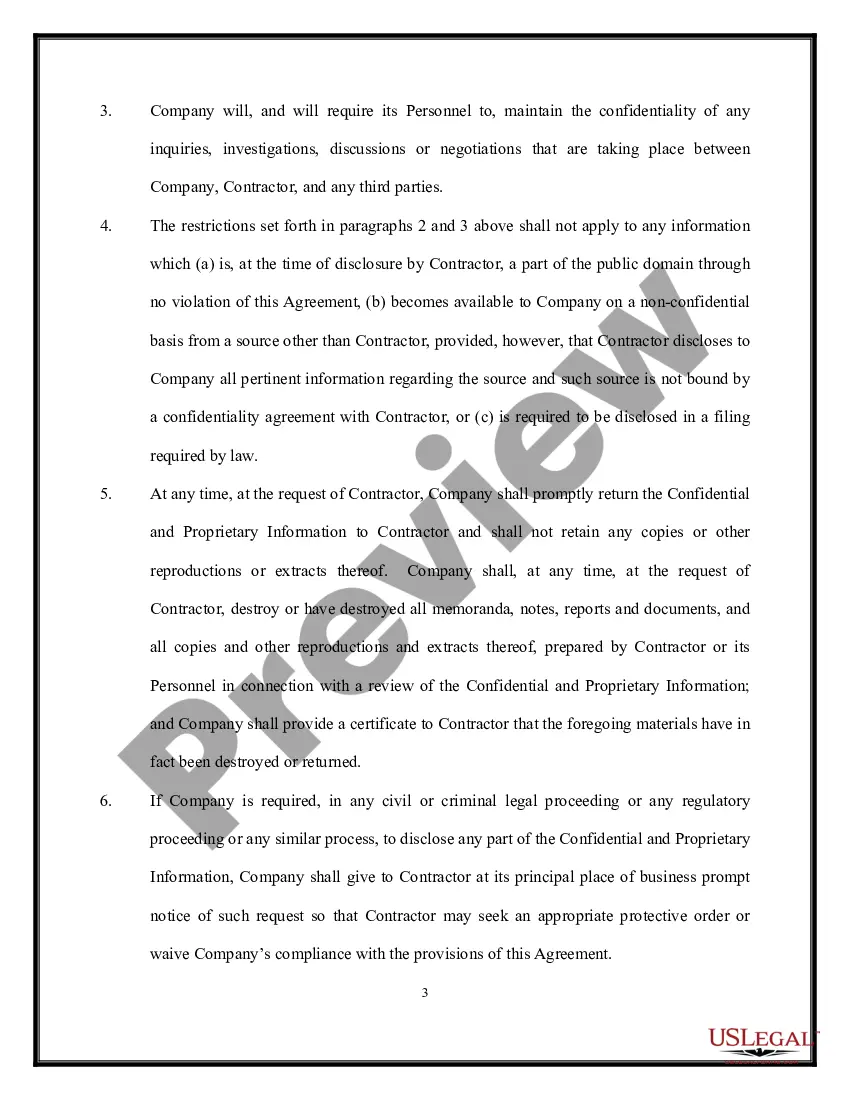
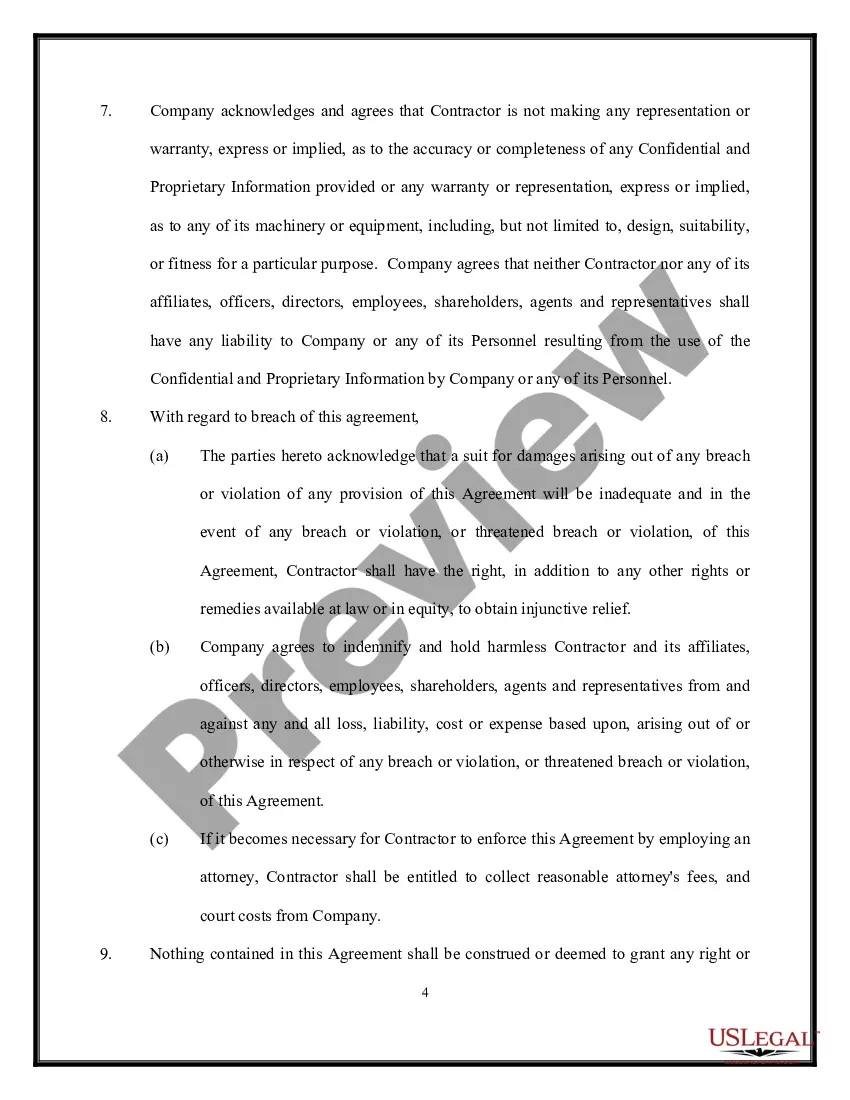
A confidentiality agreement is intended to protect the trade secrets and other confidential information between two or more parties, such as you and your vendor.
This email may contain confidential information. If you are not the person to whom this message is addressed, be aware that any use, reproduction, or distribution of this message is strictly prohibited. If you received this in error, please contact the sender and immediately delete this email and any attachments.
An Ohio non-disclosure agreement (NDA) is a legal contract that safeguards confidential information shared between parties. This confidentiality agreement prevents the receiving party from using the disclosed information without permission, in compliance with Ohio state law.