Amendment or Modification to Partnership Agreement
About this form
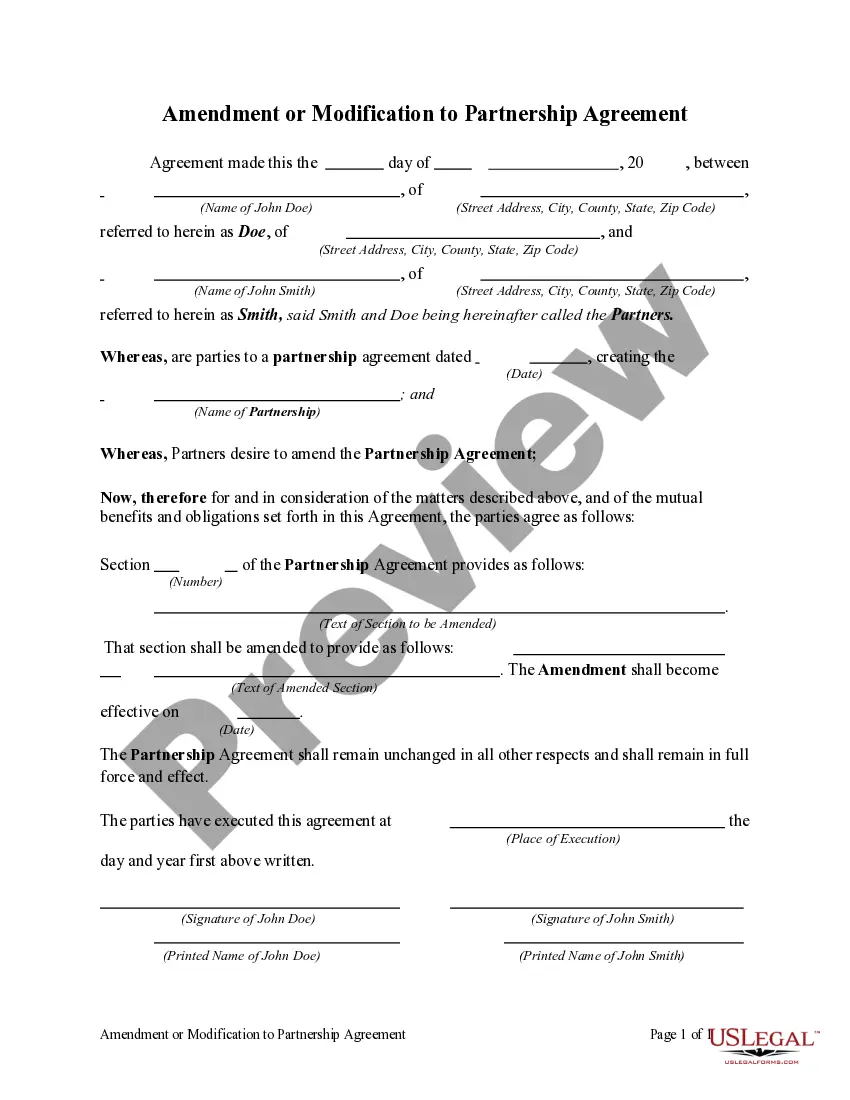
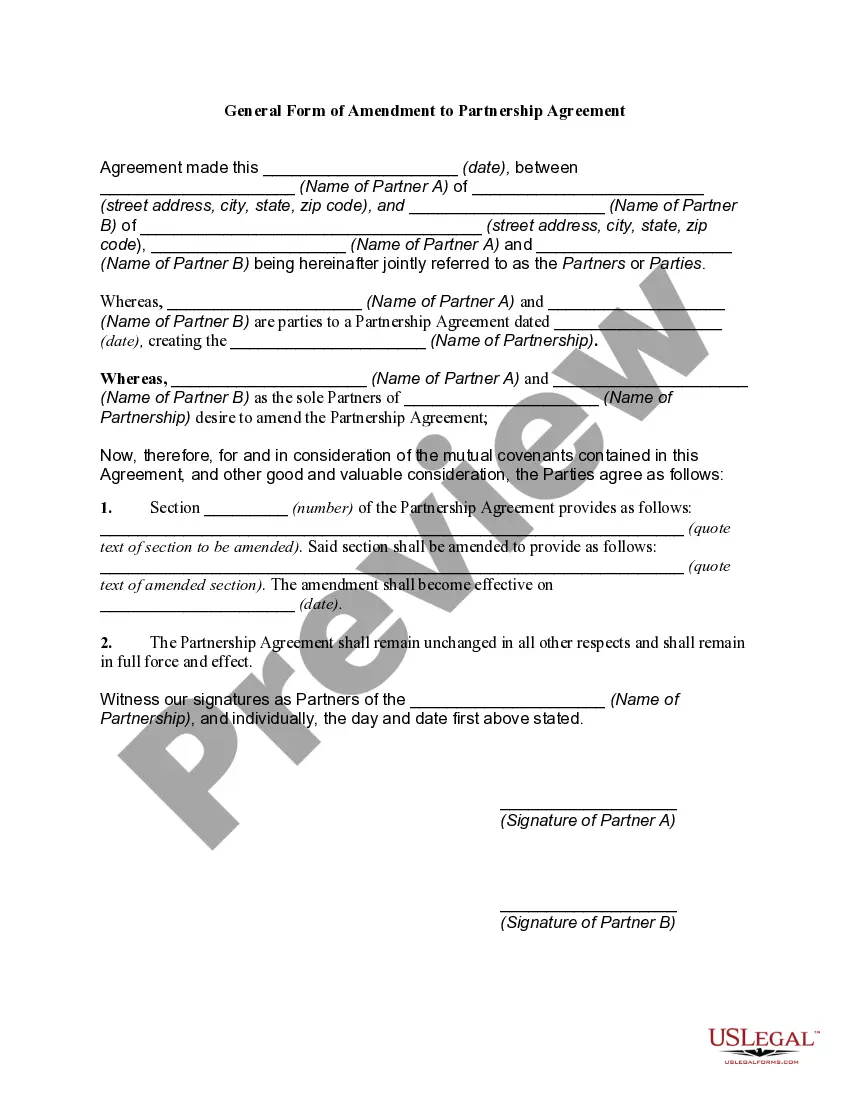
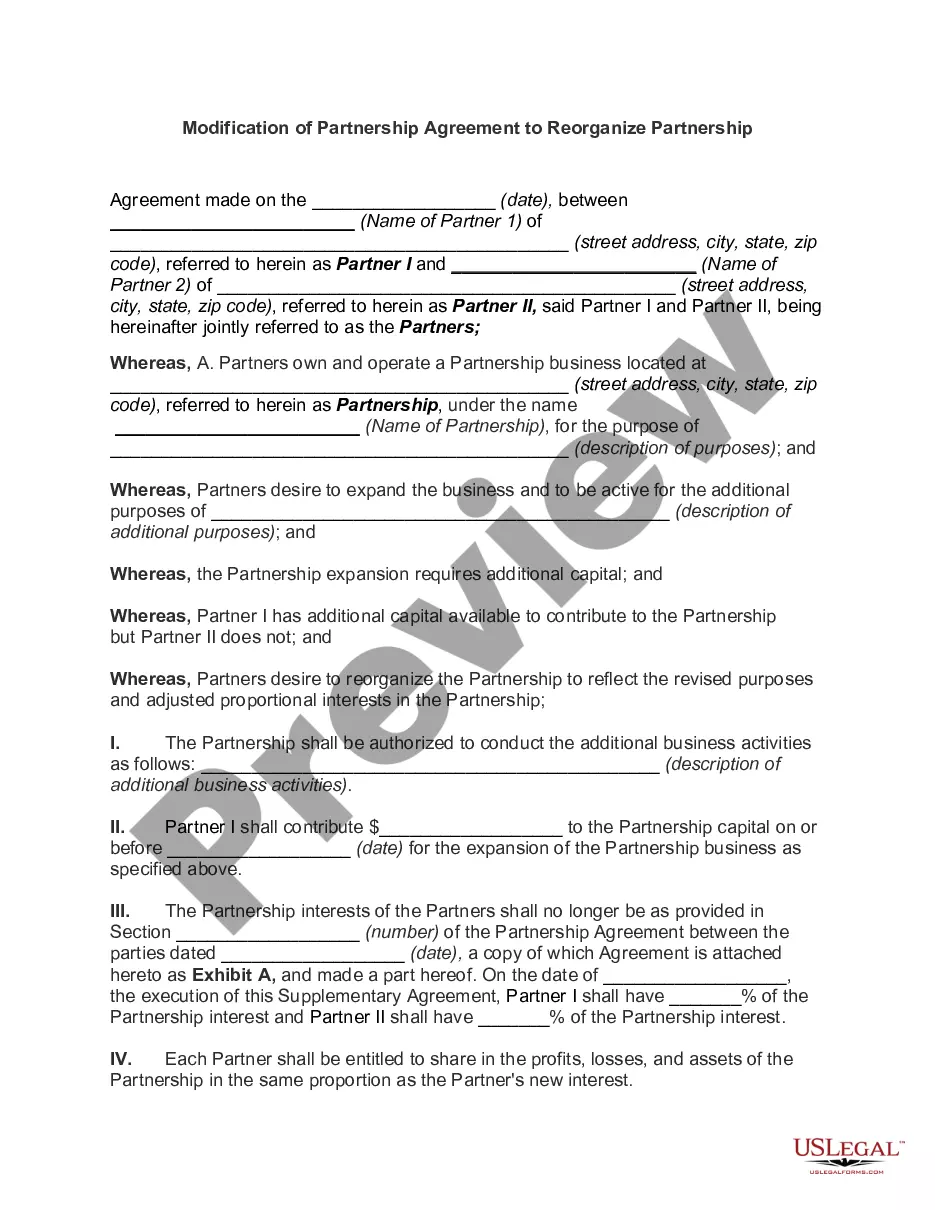
The Amendment or Modification to Partnership Agreement is a legal document used to change the terms of an existing partnership agreement. This form serves to outline the mutual consent of the partners regarding any amendments, ensuring that all partners are on the same page. It is important to note that this form is distinct from a partnership agreement, as it is specifically designed to modify existing terms rather than create new ones.
Main sections of this form
- Identification of the partners involved in the amendment.
- Specifications of the existing agreement being amended.
- Details of the changes being made to the partnership terms.
- Mutual consent declarations from all partners.
- Signatures of the involved partners to validate the amendment.
Situations where this form applies
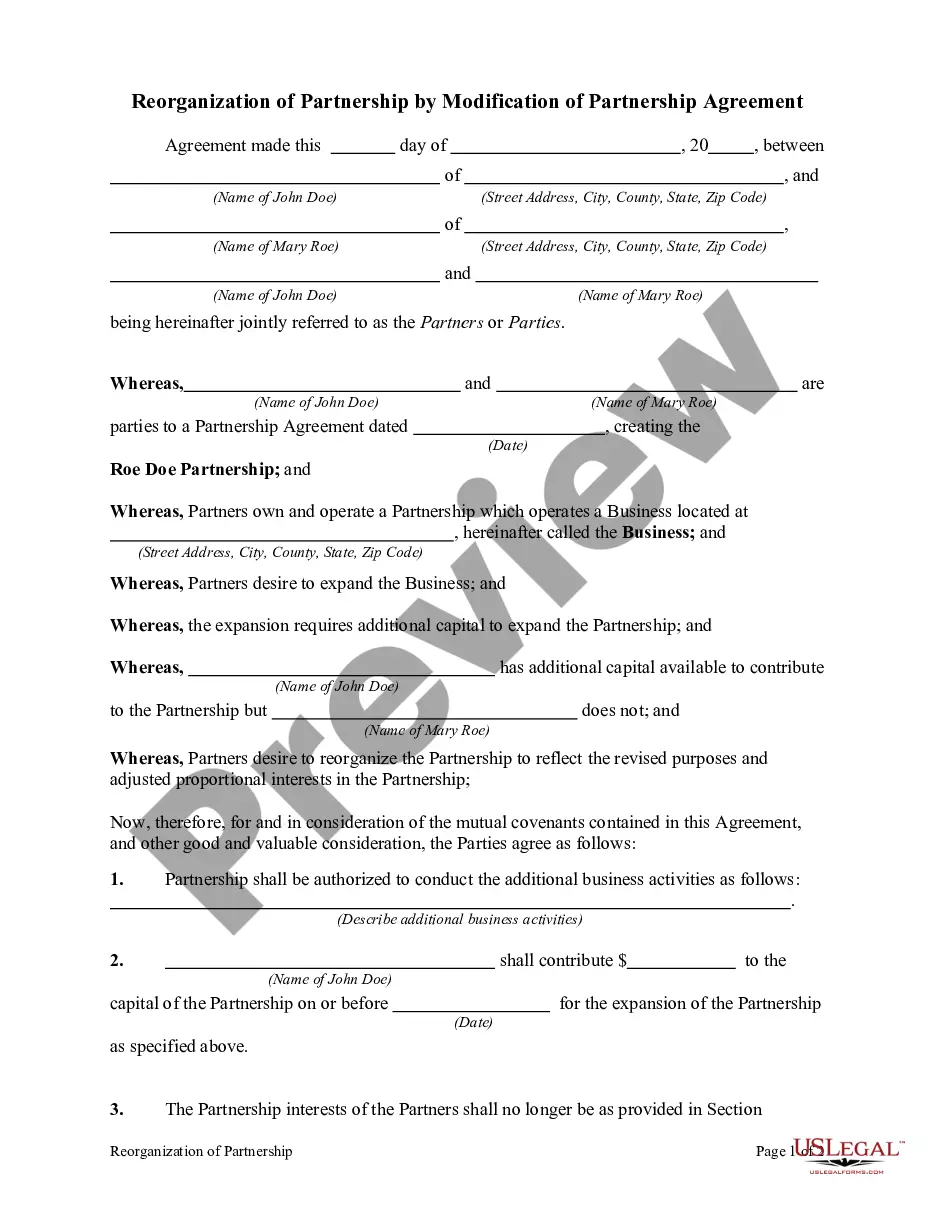
This form should be used when partners in a business partnership agree to change terms of their existing partnership agreement. Common situations include altering the profit-sharing ratio, adding or removing partners, changing the management structure, or adjusting other significant terms. Utilizing this form ensures that all amendments are documented legally and clearly.
Who should use this form
This form is suitable for:
- Existing partners wishing to amend their partnership agreement.
- Business owners seeking to clarify or change terms of their partnership arrangements.
- Legal representatives assisting clients in modifying partnership agreements.
How to prepare this document
- Identify the partners involved in the amendment.
- Specify the original partnership agreement to be amended.
- Clearly outline the changes being made to the partnership terms.
- Ensure that all partners agree and provide their consent in writing.
- Gather signatures from all partners to finalize the amendment.
Notarization guidance
This form does not typically require notarization unless specified by local law. It's always a good practice to check with a legal professional to ensure compliance with state regulations.
Get your form ready online
Our built-in tools help you complete, sign, share, and store your documents in one place.
Make edits, fill in missing information, and update formatting in US Legal Forms—just like you would in MS Word.
Download a copy, print it, send it by email, or mail it via USPS—whatever works best for your next step.
Sign and collect signatures with our SignNow integration. Send to multiple recipients, set reminders, and more. Go Premium to unlock E-Sign.
If this form requires notarization, complete it online through a secure video call—no need to meet a notary in person or wait for an appointment.
We protect your documents and personal data by following strict security and privacy standards.

Make edits, fill in missing information, and update formatting in US Legal Forms—just like you would in MS Word.

Download a copy, print it, send it by email, or mail it via USPS—whatever works best for your next step.

Sign and collect signatures with our SignNow integration. Send to multiple recipients, set reminders, and more. Go Premium to unlock E-Sign.

If this form requires notarization, complete it online through a secure video call—no need to meet a notary in person or wait for an appointment.

We protect your documents and personal data by following strict security and privacy standards.
Common mistakes to avoid
- Failing to identify the correct existing partnership agreement.
- Not obtaining signatures from all partners involved.
- Leaving out specific details about the amendments being made.
- Neglecting to reference the original partnership terms accurately.
Why use this form online
- Convenient access to legal documents anytime and anywhere.
- Editable templates that can be tailored to specific needs.
- Reliable resources drafted by licensed attorneys.
- Simplified process for legal compliance and documentation.
- Amendments are legally binding once completed and signed by all parties.
- It is essential to ensure that all changes comply with existing laws governing partnership agreements.
- Incorrect or unclear amendments can lead to disputes and may be unenforceable in court.
Summary of main points
- This form is necessary for making formal changes to an existing partnership agreement.
- Clear documentation of amendments helps prevent misunderstandings.
- Ensure compliance with state-specific laws when using this form.
Looking for another form?

Form popularity
FAQ
A partnership agreement is a contract that defines each partner's role, liability, and profit distribution.Because it is a legally binding document, you should consult a lawyer before drafting your partnership contract. You are not required to create a partnership agreement.
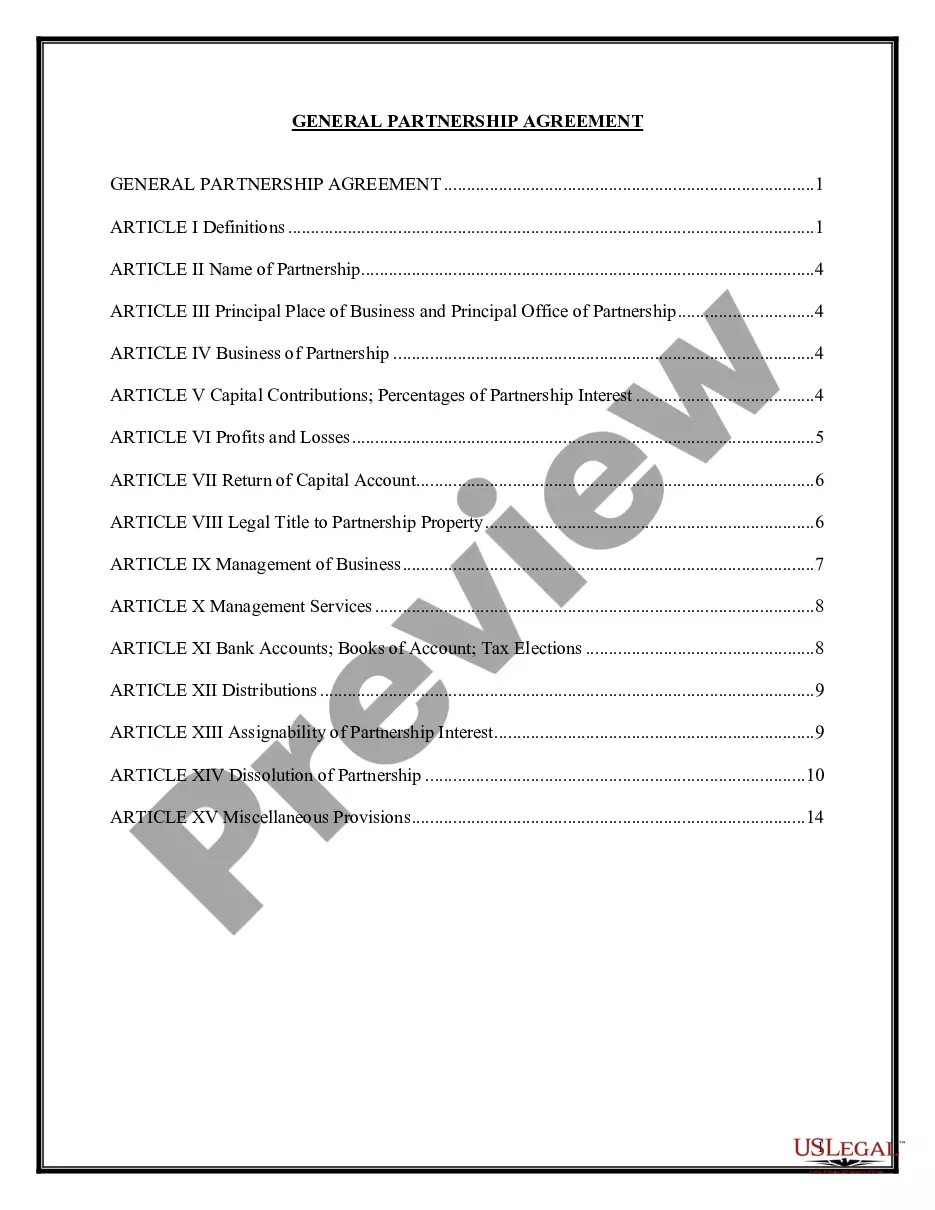
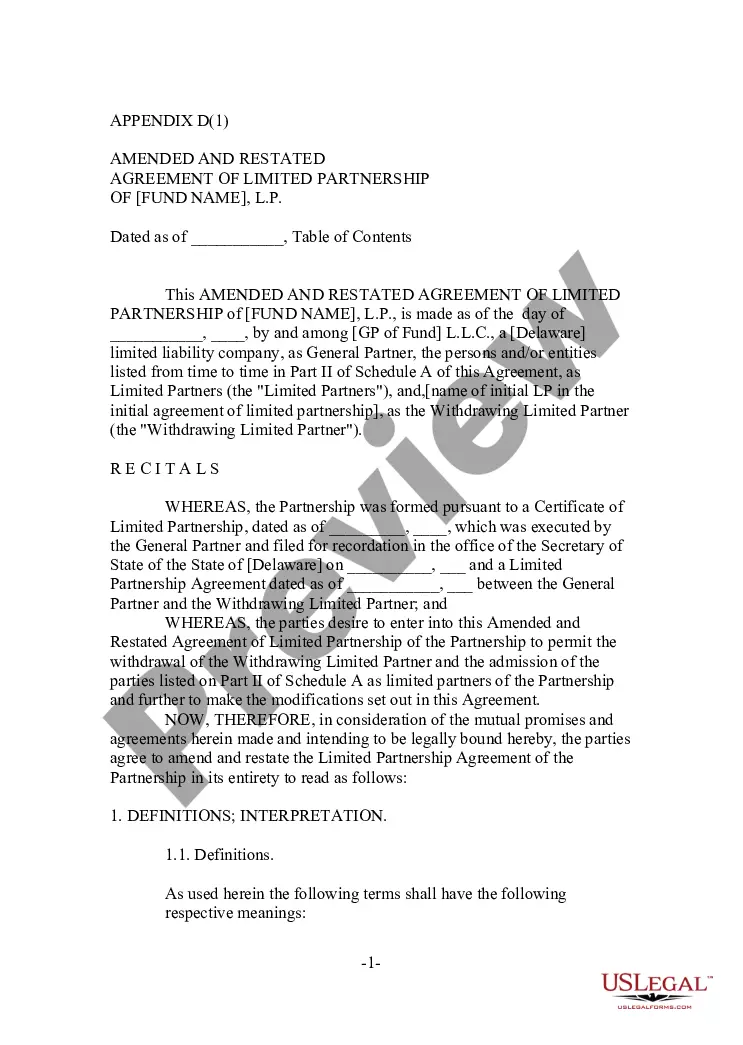
A Partnership Agreement may be amended in accordance with the terms of that agreement.
It can be modified and altered at any time according to the business requirements or partners' willingness.The Partnership Deed and the addendum therefore at any time shall not override the provisions of the Partnership Act, 1932 and any other Act as may be applicable to the partnership from time to time.
Most typically, the partnership agreement will be altered to amend the profit and loss sharing ratios for the prior year.Such a change can also have other ancillary effects, such as changing the way nonrecourse liabilities may be shared among the partners under Sec.
Contributions. Money, money, money, and where is it coming from? Management. Decision-making. Authority of each partner. Division of profits. Admission of new partners. What if a partner wants to leave the business, or dies? Role of a spouse?
Step 1: Take the mutual consent of partners. Step 2: Prepare for making a supplementary partnership deed. Step 3: Executing supplementary partnership deed. Step 4: Do the filing with Registrar of Firm (RoF).
Always put a contract amendment in writing and make sure both parties sign and date it. Reference the title of the contract, if applicable; its original parties; and original signing date, so that it is clear what document you are amending.
A Partnership Amendment, also called a Partnership Addendum, is used to modify, add, or remove terms in a Partnership Agreement. A Partnership Amendment is usually attached to an existing Partnership Agreement to reflect any changes.
Having a partnership change in ownership can mean adding or withdrawing partners. Partners can agree to add new partners in two different ways. The partner who's new could buy out part or all of the interest of the current partner or partners.