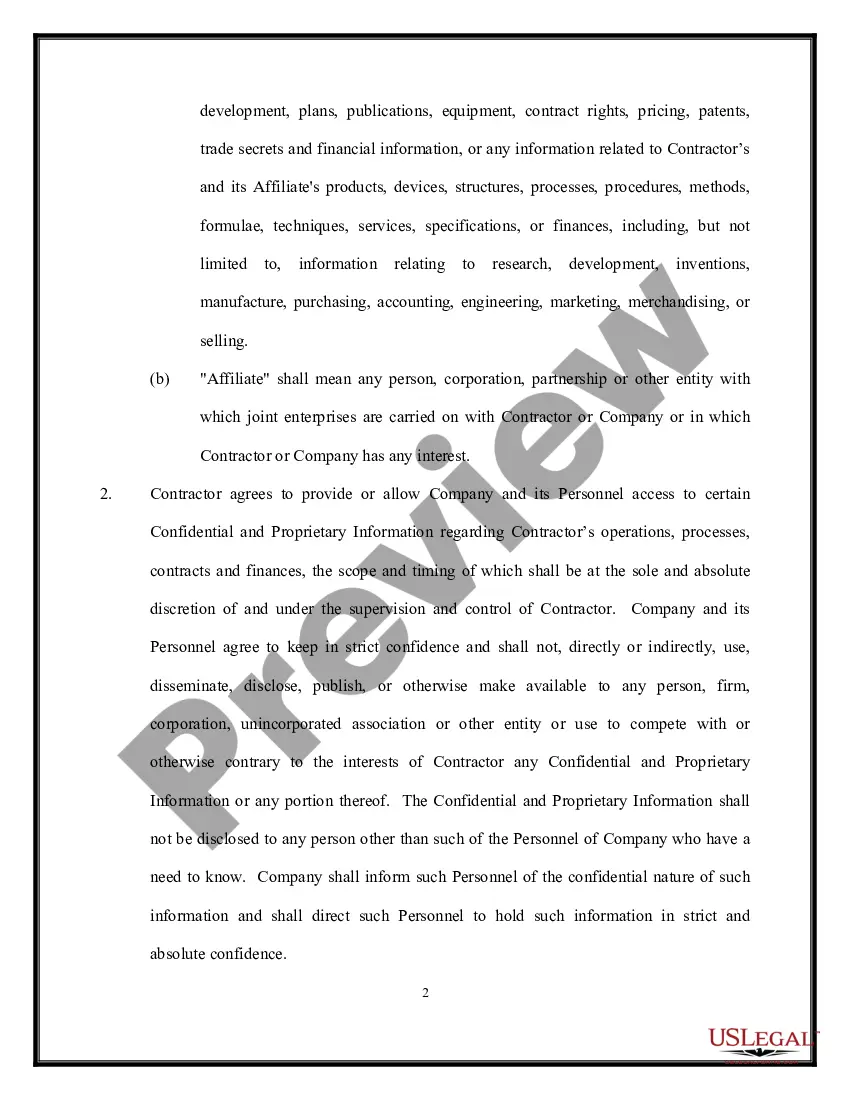
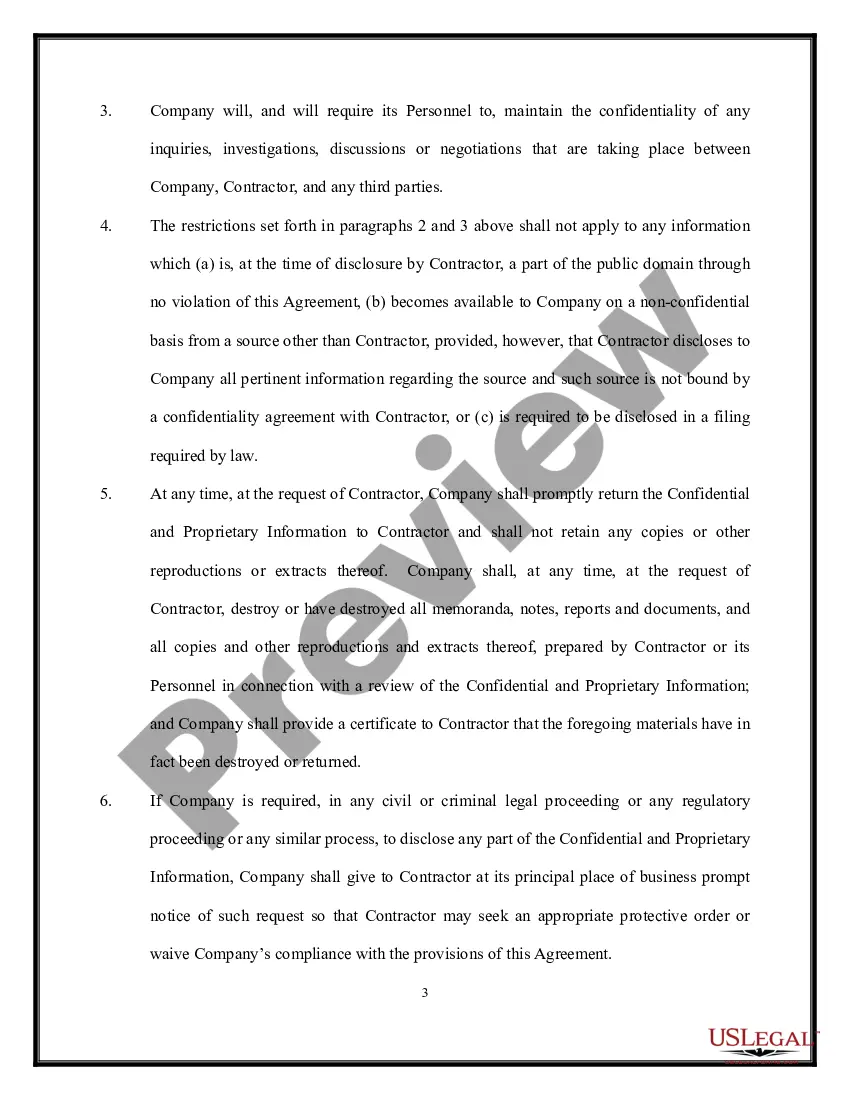
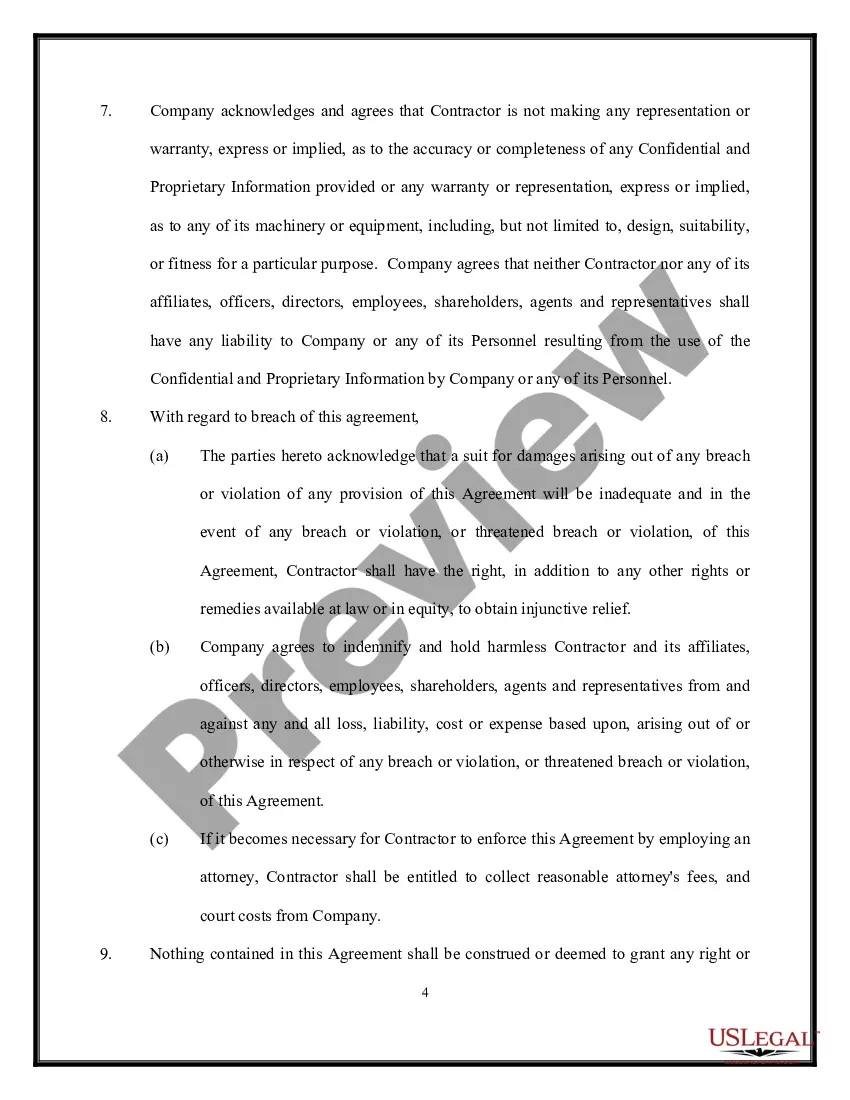
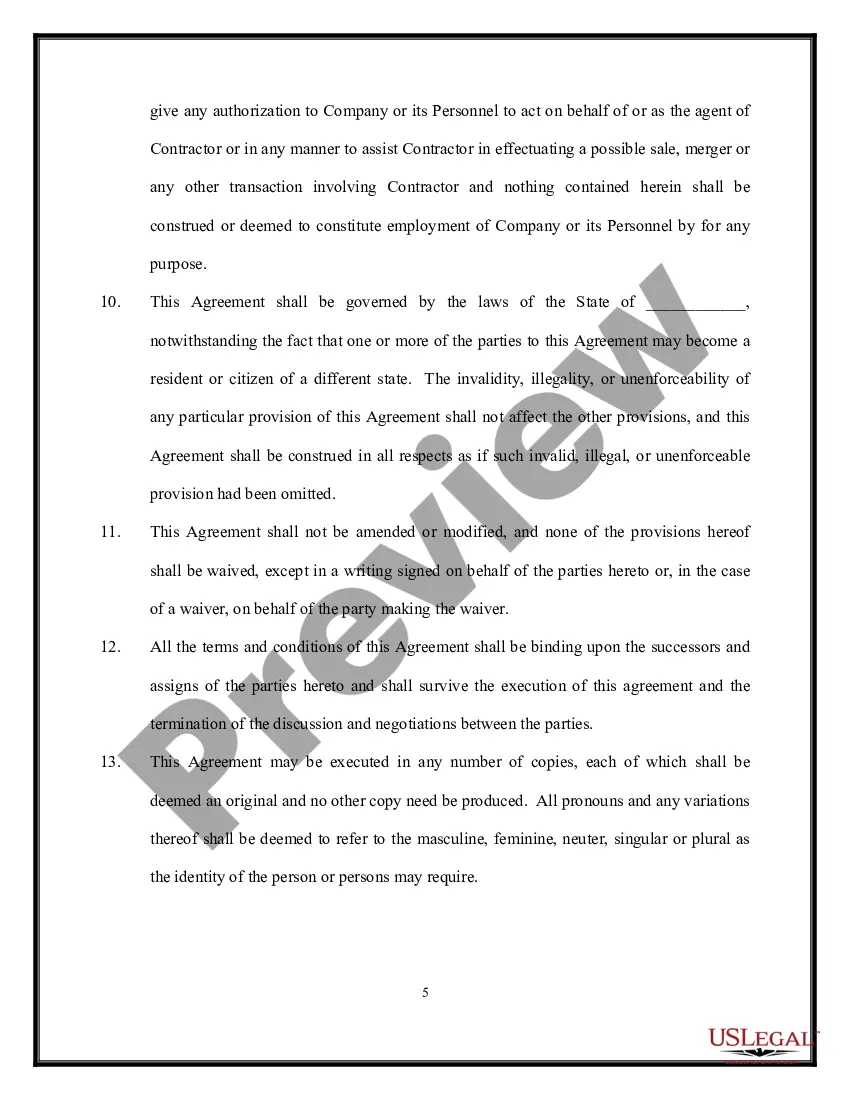
Nondisclosure Confidentiality Contract With Client In New York
Description

Get your form ready online
Our built-in tools help you complete, sign, share, and store your documents in one place.
Make edits, fill in missing information, and update formatting in US Legal Forms—just like you would in MS Word.
Download a copy, print it, send it by email, or mail it via USPS—whatever works best for your next step.
Sign and collect signatures with our SignNow integration. Send to multiple recipients, set reminders, and more. Go Premium to unlock E-Sign.
If this form requires notarization, complete it online through a secure video call—no need to meet a notary in person or wait for an appointment.
We protect your documents and personal data by following strict security and privacy standards.

Make edits, fill in missing information, and update formatting in US Legal Forms—just like you would in MS Word.

Download a copy, print it, send it by email, or mail it via USPS—whatever works best for your next step.

Sign and collect signatures with our SignNow integration. Send to multiple recipients, set reminders, and more. Go Premium to unlock E-Sign.

If this form requires notarization, complete it online through a secure video call—no need to meet a notary in person or wait for an appointment.

We protect your documents and personal data by following strict security and privacy standards.
Looking for another form?




Form popularity
FAQ
Typically, a legal professional writing the NDA will complete these steps: Step 1 - Describe the scope. Which information is considered confidential? ... Step 2 - Detail party obligations. Step 3 - Note potential exclusions. Step 4 - Set the term. Step 5 - Spell out consequences.
A nondisclosure agreement—also sometimes referred to as a confidentiality agreement, secrecy agreement, or proprietary information agreement—can be used between a business entity and an individual, between individuals, or between business entities.
If both parties under the NDA were signing as sole proprietors, you have to ensure that both your full names are stated clearly. If you wanted to ensure that there would be no doubt about who the parties were, then you could add identification information such as addresses or social security numbers.
If both parties under the NDA were signing as sole proprietors, you have to ensure that both your full names are stated clearly. If you wanted to ensure that there would be no doubt about who the parties were, then you could add identification information such as addresses or social security numbers.
Employee NDAs are generally legal in New York, but there are several limits and obligations employers should be aware of. The best practices below will make your non-disclosure agreement more immune from challenge in court.
A confidentiality agreement should include the names and addresses of the parties to the contract. Consider also including: Reason for the agreement: Explain why you're sharing this information. The information disclosed: Be specific about the subject matter and what exactly is included in the agreement.
Before you sign an NDA, keep the following seven points in mind. Parties to the agreement. Identification of what information is confidential. Time frame of the agreement. Return of the information. Obligations of the recipient. Remedies for breaches of agreement. Other clauses.
Completing the Confidentiality Agreement The "Receiving Party" is the person or company who receives the confidential information and is obligated to keep it secret. You'll need to fill in information specific to your circumstances in the spaces provided, such as the parties' names and addresses.
The amendments expanded restrictions on the use of nondisclosure provisions (“NDAs”) in certain workplace settlement agreements. These amendments, which took effect on November 17, 2023, apply to all agreements entered into after that date.
A confidentiality agreement binds all parties to keep secret information confidential, while an NDA upholds secrecy by creating a confidential relationship between the parties who sign it.
