Nondisclosure Confidentiality Agreement With Attorney In Florida
Description

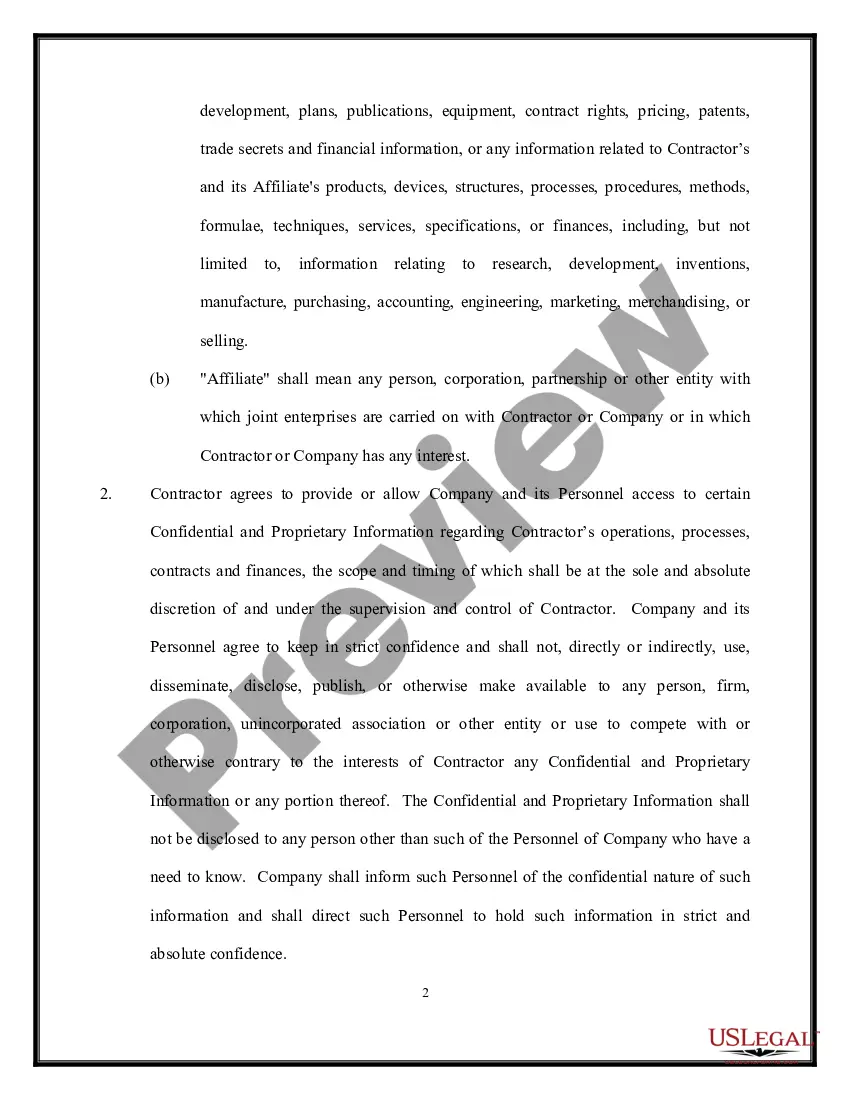
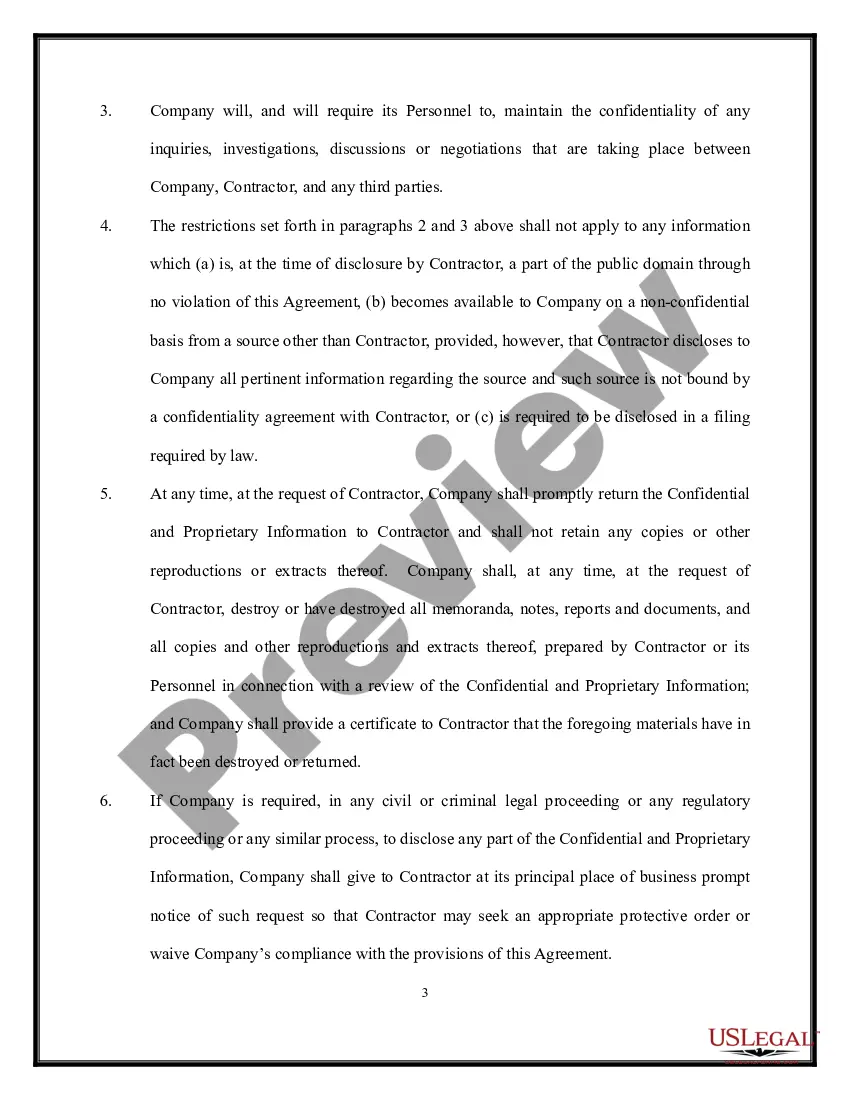
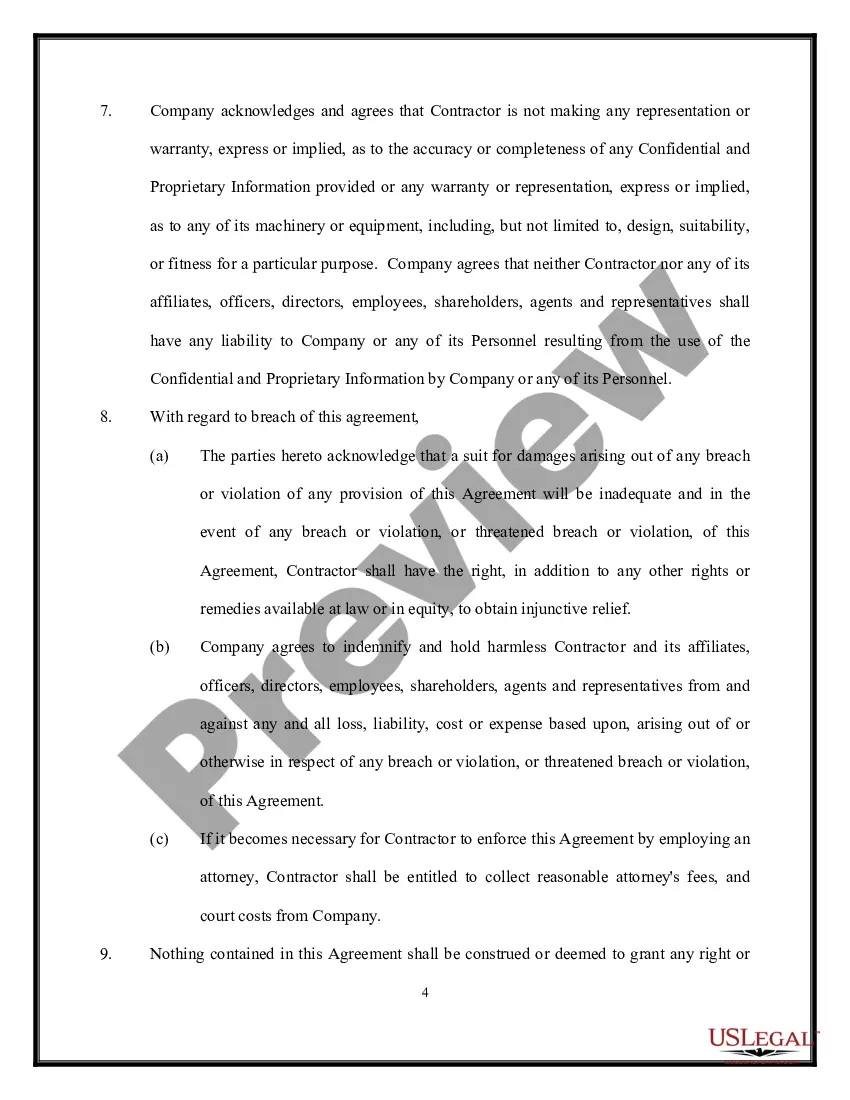
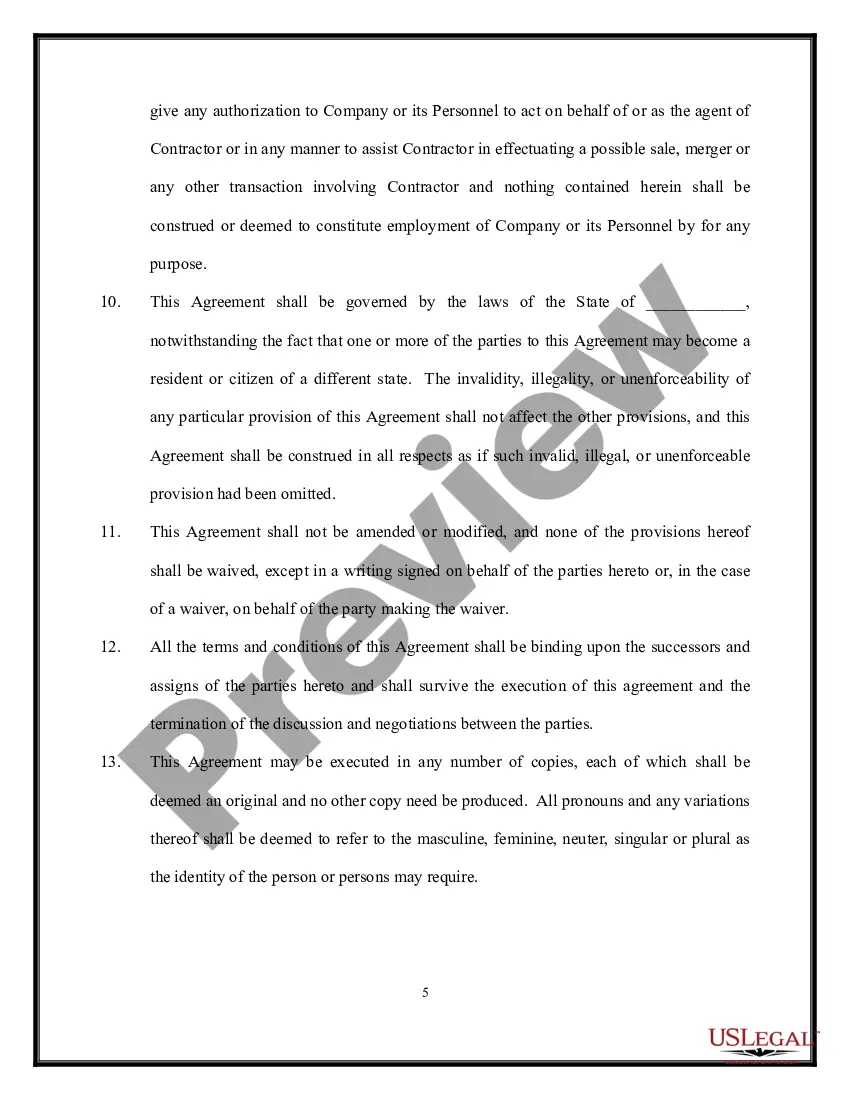
Get your form ready online
Our built-in tools help you complete, sign, share, and store your documents in one place.
Make edits, fill in missing information, and update formatting in US Legal Forms—just like you would in MS Word.
Download a copy, print it, send it by email, or mail it via USPS—whatever works best for your next step.
Sign and collect signatures with our SignNow integration. Send to multiple recipients, set reminders, and more. Go Premium to unlock E-Sign.
If this form requires notarization, complete it online through a secure video call—no need to meet a notary in person or wait for an appointment.
We protect your documents and personal data by following strict security and privacy standards.

Make edits, fill in missing information, and update formatting in US Legal Forms—just like you would in MS Word.

Download a copy, print it, send it by email, or mail it via USPS—whatever works best for your next step.

Sign and collect signatures with our SignNow integration. Send to multiple recipients, set reminders, and more. Go Premium to unlock E-Sign.

If this form requires notarization, complete it online through a secure video call—no need to meet a notary in person or wait for an appointment.

We protect your documents and personal data by following strict security and privacy standards.
Looking for another form?




Form popularity
FAQ
First, this privilege does not apply when you seek an attorney's help in committing a crime or fraud. It also does not apply if the attorney has reason to believe that disclosure of confidential attorney-client communication is necessary to prevent substantial bodily harm or death.
The exceptions to the lawyer-client privilege include planning an ongoing crime and imminent harm.
If you are the client, it is your privilege. You can break it at any time either by assertively waiving it, or by talking about what you talked about with your attorney to anyone else, in front of anyone else, or publicly.
A lawyer's duty of confidentiality, the attorney-client privilege, and file retention requirements can be impacted by signing a client's NDA. A lawyer who signs a client's NDA may argue that the NDA is subordinate or subject to any ethics rules or unenforceable as against public policy.
Ask a Lawyer to Review What You Can and Can't Disclose Under the NDA. This is precisely why, any time you receive a legal document, especially employment agreements, to sign, you should have a California attorney look it over, says Jonathan J. Delshad, with an eponymous law firm in LA.
NDAs are valuable for protecting confidential information and are widely enforceable in Florida. For those creating or signing an NDA, consulting with a business law attorney can help clarify terms and ensure the agreement is fair and legally compliant.
For example, if two parties wish to discuss sensitive material without the threat of that information leaking to a third party, they can use an NDA to establish confidentiality rules. Doctor-patient confidentiality, attorney-client privilege, and bank–client confidentiality are forms of non-disclosure agreements.
Five other key features must be included in your NDA to ensure it's legally binding, including a description of confidential information, obligations of the parties involved, any exclusions, the term of the agreement and consequences of a breach.
At the top, there are three types, unilateral, bilateral, and multilateral NDAs. The rest of the specific NDA types fall under these three categories. Most are based on who has to sign the NDA. Not all NDAs are created equally, and they can only demand so much secrecy from strangers when compared to their employees.
Five other key features must be included in your NDA to ensure it's legally binding, including a description of confidential information, obligations of the parties involved, any exclusions, the term of the agreement and consequences of a breach.
