Restrictive Covenants In Employment Contracts In Salt Lake
Description

Get your form ready online
Our built-in tools help you complete, sign, share, and store your documents in one place.
Make edits, fill in missing information, and update formatting in US Legal Forms—just like you would in MS Word.
Download a copy, print it, send it by email, or mail it via USPS—whatever works best for your next step.
Sign and collect signatures with our SignNow integration. Send to multiple recipients, set reminders, and more. Go Premium to unlock E-Sign.
If this form requires notarization, complete it online through a secure video call—no need to meet a notary in person or wait for an appointment.
We protect your documents and personal data by following strict security and privacy standards.

Make edits, fill in missing information, and update formatting in US Legal Forms—just like you would in MS Word.

Download a copy, print it, send it by email, or mail it via USPS—whatever works best for your next step.

Sign and collect signatures with our SignNow integration. Send to multiple recipients, set reminders, and more. Go Premium to unlock E-Sign.

If this form requires notarization, complete it online through a secure video call—no need to meet a notary in person or wait for an appointment.

We protect your documents and personal data by following strict security and privacy standards.
Looking for another form?






Form popularity
FAQ
Non-Competitive Activity at New Employer: One of the most straightforward ways to overcome a noncompete is by ensuring that your new role with a different employer is in a non-competitive capacity. If you're not engaging in activities that directly compete with your former employer's business, you may be in the clear.
Non-compete agreements typically restrict an employee from competing with an employer's business for a period of time in a specific geographical area. Utah courts require that non-compete restrictions be “reasonably limited in time and geographic area” in order to be valid and enforceable.
Globally, non-compete agreements vary significantly in terms of enforceability, scope, and legal framework. While they are a common practice in many countries, the extent to which they are recognized and enforced can differ.
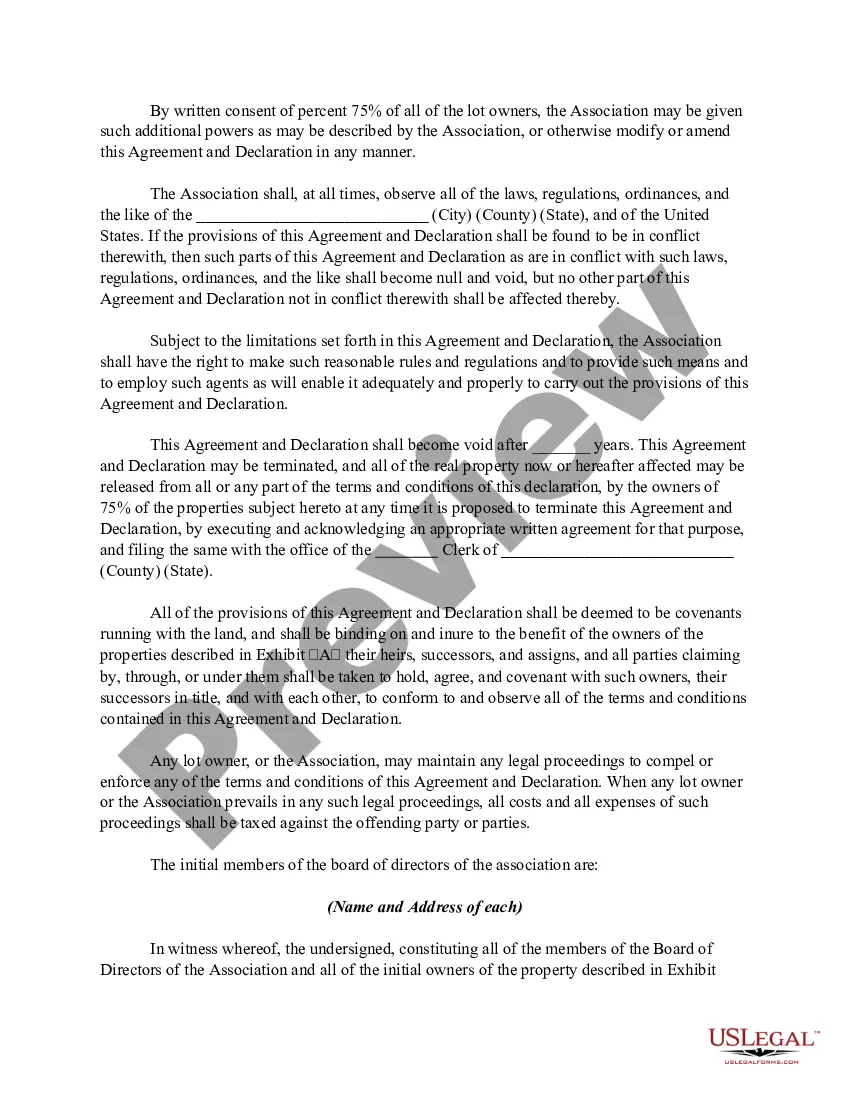
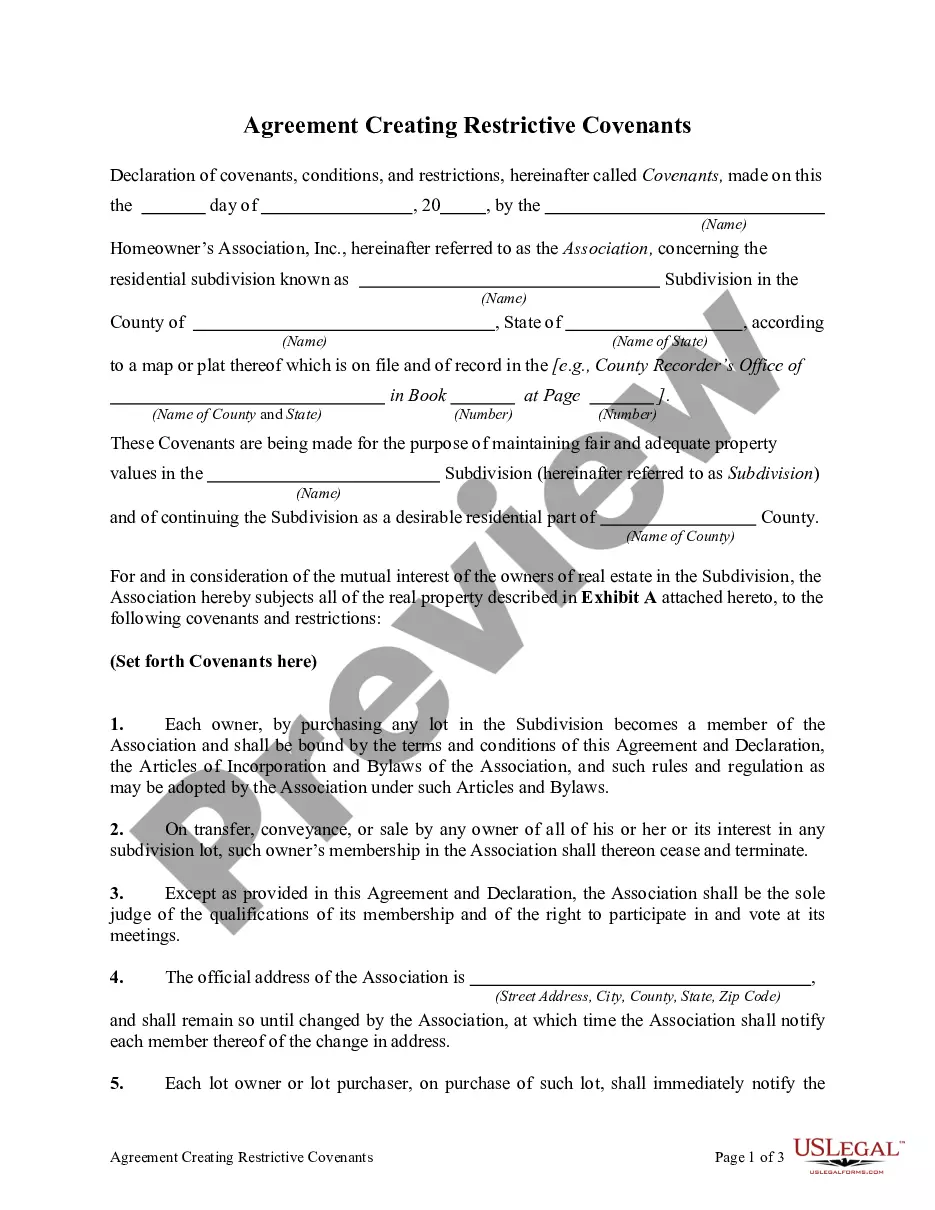
Restrictive Covenants, Explained This restricts how homeowners can manage and modify their land. Examples include restrictions on fence options, the type of animals allowed and the use of outbuildings, such as sheds.
Employment contracts or settlement agreements containing nondisclosure agreements (NDAs) or non-disparagement clauses pertaining to sexual misconduct allegations are now void under Utah state law.
An employee can challenge a restrictive covenant if they believe it is unreasonable or prevents them from finding suitable employment. If the covenant is too broad or not essential to protecting the employer's business, it may be deemed unenforceable by the courts.
If it looks like a restrictive covenant is enforceable and is going to be breached by development, seek to obtain a restrictive covenant title indemnity insurance policy to cover any loss from a claim from a beneficiary. You should insure the full gross development value of the property affected.
This law states that a non-compete agreement may be enforced if it is part of “a reasonable severance agreement mutually and freely agreed upon at or after the time of termination.” The non-compete agreement must also meet the common law requirements imposed by Utah courts in order to be enforceable.
The primary remedy for breach of a Restrictive Covenant is a permanent injunction to restrain the breach. However, the courts have jurisdiction to award damages instead of an injunction.
