Non Disclosure Agreement For Resigned Employee In Florida
Description

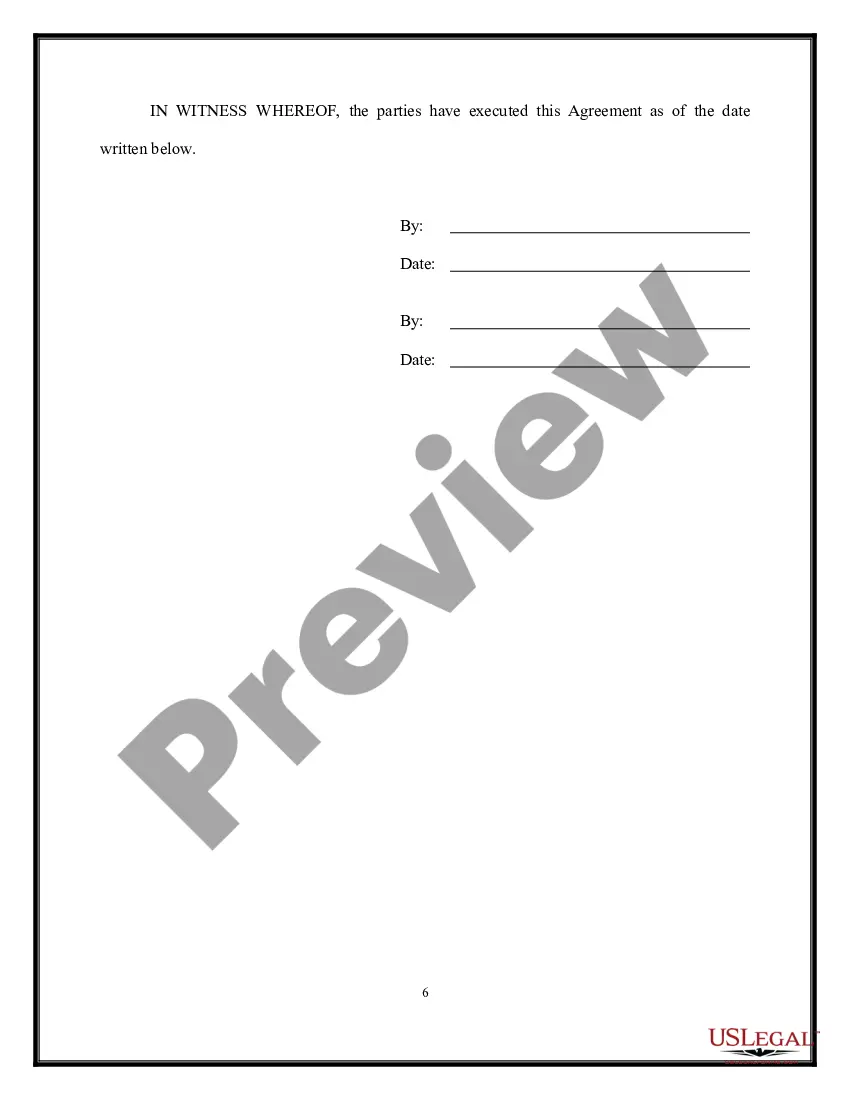
Get your form ready online
Our built-in tools help you complete, sign, share, and store your documents in one place.
Make edits, fill in missing information, and update formatting in US Legal Forms—just like you would in MS Word.
Download a copy, print it, send it by email, or mail it via USPS—whatever works best for your next step.
Sign and collect signatures with our SignNow integration. Send to multiple recipients, set reminders, and more. Go Premium to unlock E-Sign.
If this form requires notarization, complete it online through a secure video call—no need to meet a notary in person or wait for an appointment.
We protect your documents and personal data by following strict security and privacy standards.

Make edits, fill in missing information, and update formatting in US Legal Forms—just like you would in MS Word.

Download a copy, print it, send it by email, or mail it via USPS—whatever works best for your next step.

Sign and collect signatures with our SignNow integration. Send to multiple recipients, set reminders, and more. Go Premium to unlock E-Sign.

If this form requires notarization, complete it online through a secure video call—no need to meet a notary in person or wait for an appointment.

We protect your documents and personal data by following strict security and privacy standards.
Looking for another form?






Form popularity
FAQ
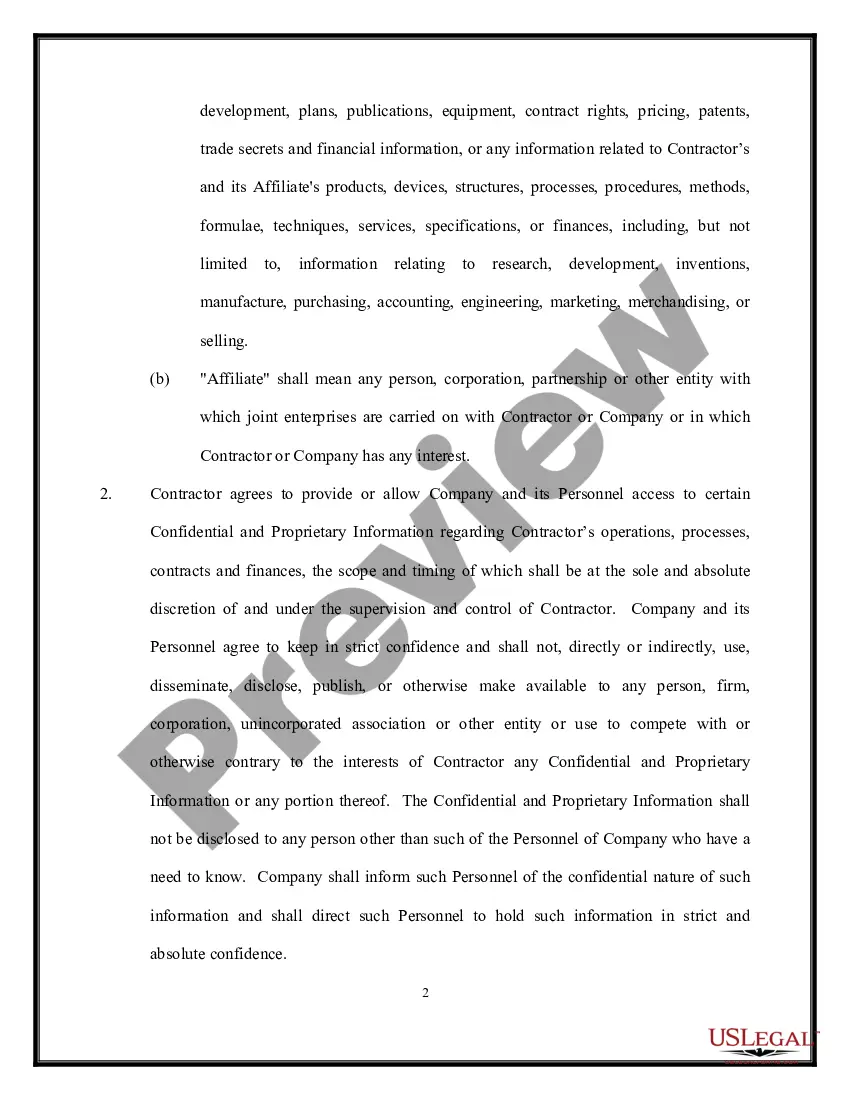
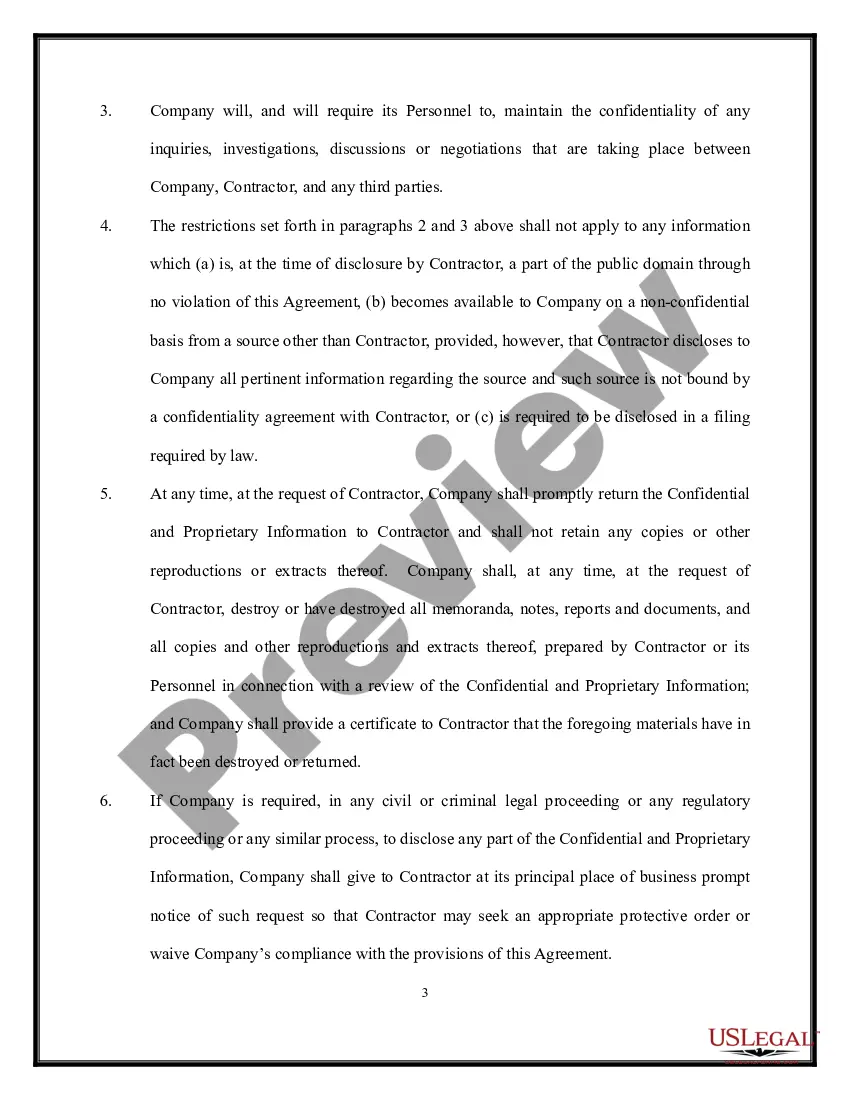
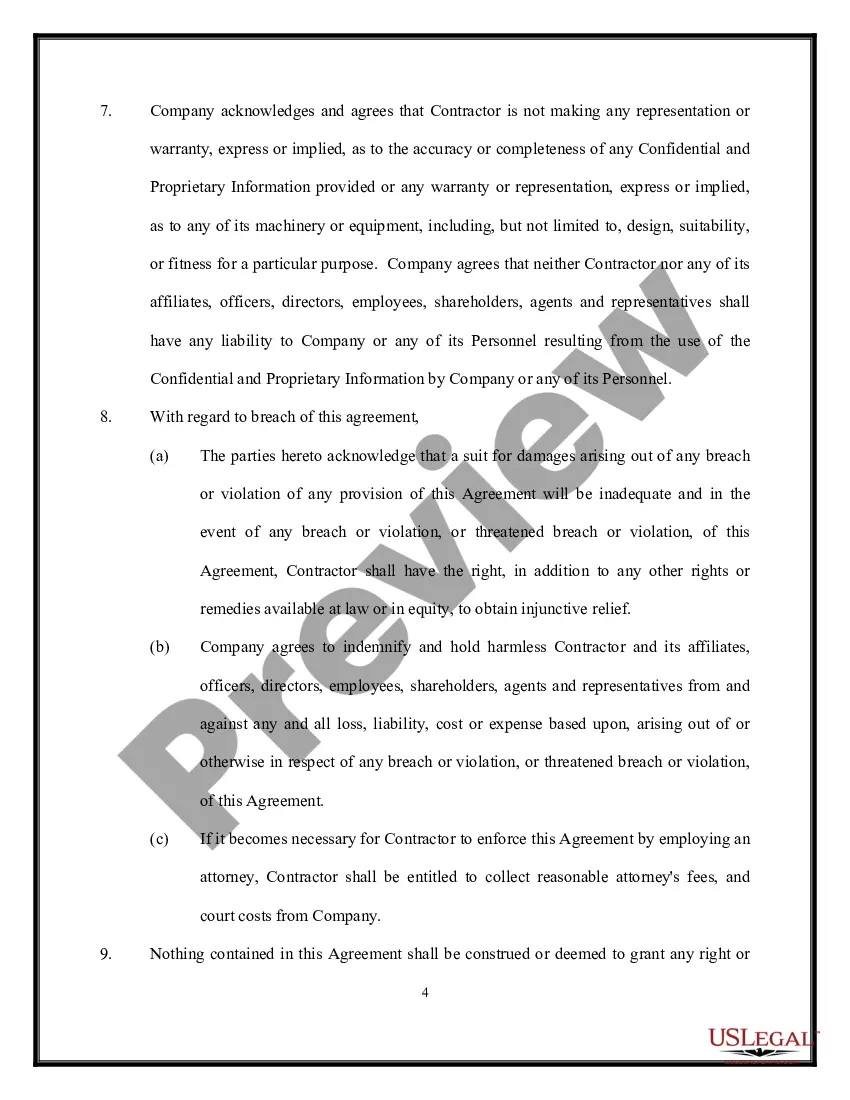
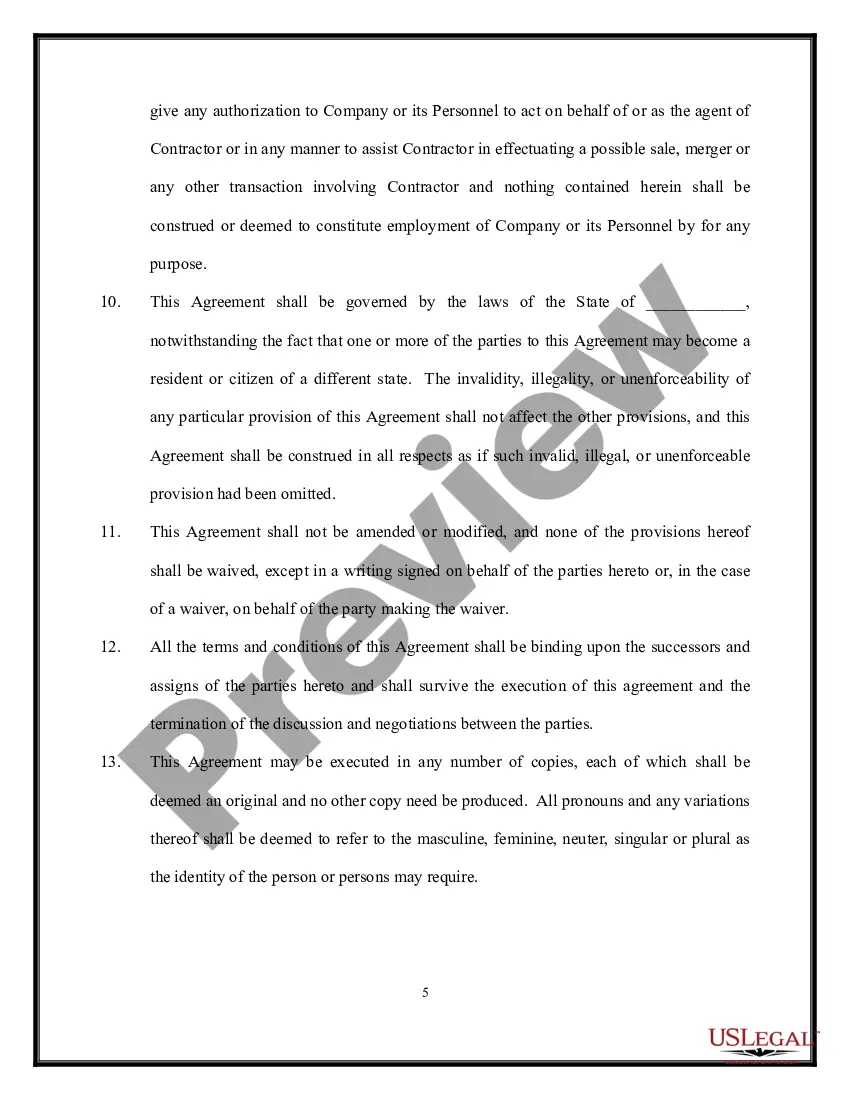
NDAs, or non-disclosure agreements, are legally enforceable contracts that create a confidential relationship between a person who has sensitive information and a person who will gain access to that information. A confidential relationship means one or both parties has a duty not to share that information.
In addition to FUTSA, Florida case law also enforces NDAs, especially when the agreement might be considered overly broad or restrictive. At the federal level, the Defend Trade Secrets Act (DTSA) offers protection and remedies for misappropriation of trade secrets, which may apply in situations involving NDAs.
Employee inclusive of his/her direct beneficiaries in business, interest and title in recognition of the transfer of Confidential and Proprietary Information to Company Name hereby agrees not to directly or indirectly compete with the business of Company name and its successors and assigns during the term of the ...
NDAs usually last between one and five years, but this can vary based on the transaction or market conditions.
Breaking an NDA usually doesn't result in jail time — as NDAs are civil contracts, not criminal agreements. Typically, the consequence is a breach of contract lawsuit, where the harmed party may seek financial compensation if the court rules in their favor.
Non-Disclosure Agreement for Employee Leaving Confidentiality agreements sometimes specify the length of time a worker cannot work for a competitor after leaving his or her workplace. Through this, the former employee cannot use the knowledge received from the previous company to benefit a new employer or earn profits.
The key elements of Non-Disclosure Agreements: Identification of the parties. Definition of what is deemed to be confidential. The scope of the confidentiality obligation by the receiving party. The exclusions from confidential treatment. The term of the agreement.
As an employer, you can request that an employee sign a non-disclosure agreement (NDA) upon their exit from the company, but there are several important considerations: Legality: NDAs must be reasonable in scope and duration. Courts may not enforce overly broad or indefinite agreements.
Florida law generally permits non-compete agreements to last for a reasonable period of time. Under Florida Statutes Section 542.335, courts typically uphold agreements of six months to two years, depending on the circumstances.
In addition to the right to terminate for cause, the parties to an NDA need the ability to terminate the NDA for their convenience. Basically, either party should be able to cease discussion and terminate the NDA, if and when they choose to do so.
