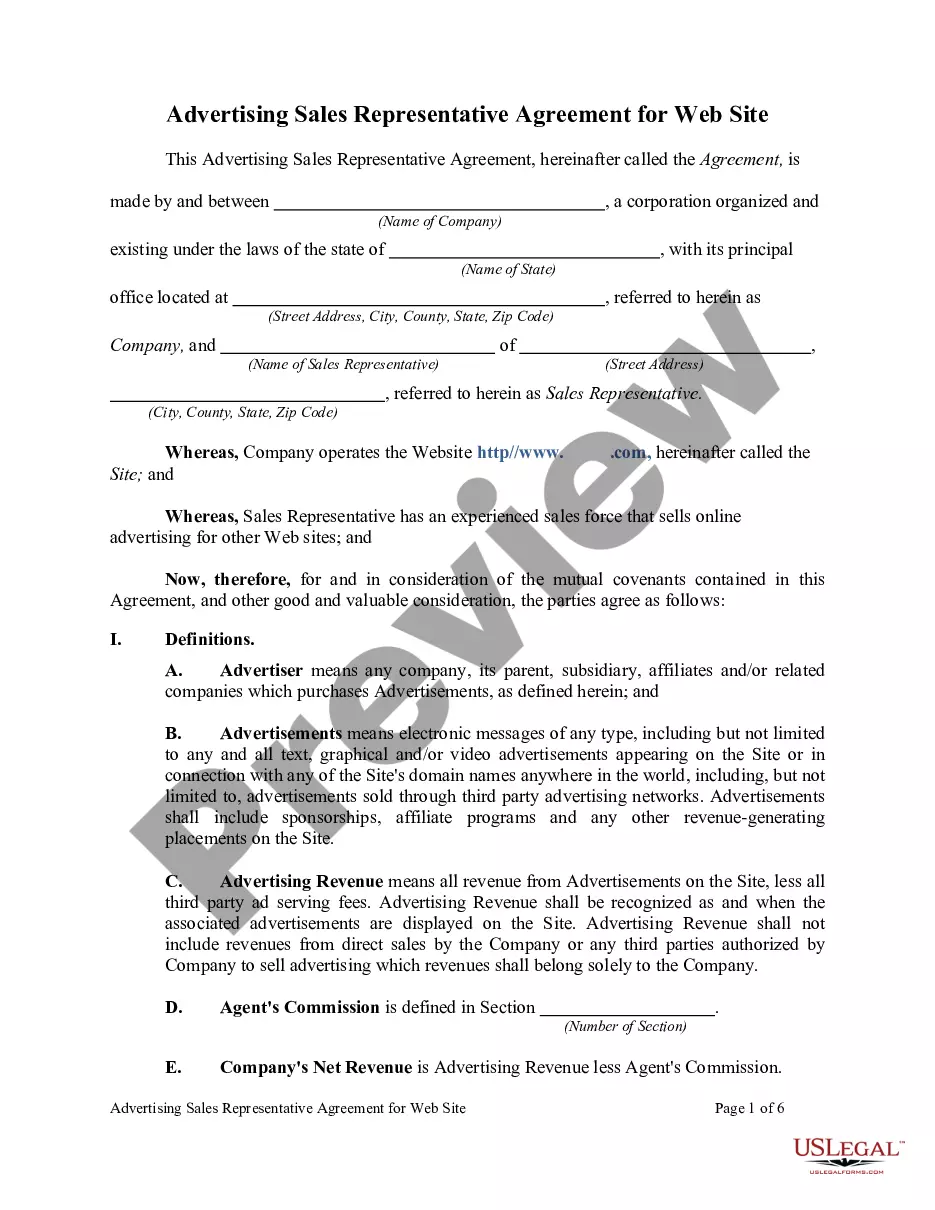
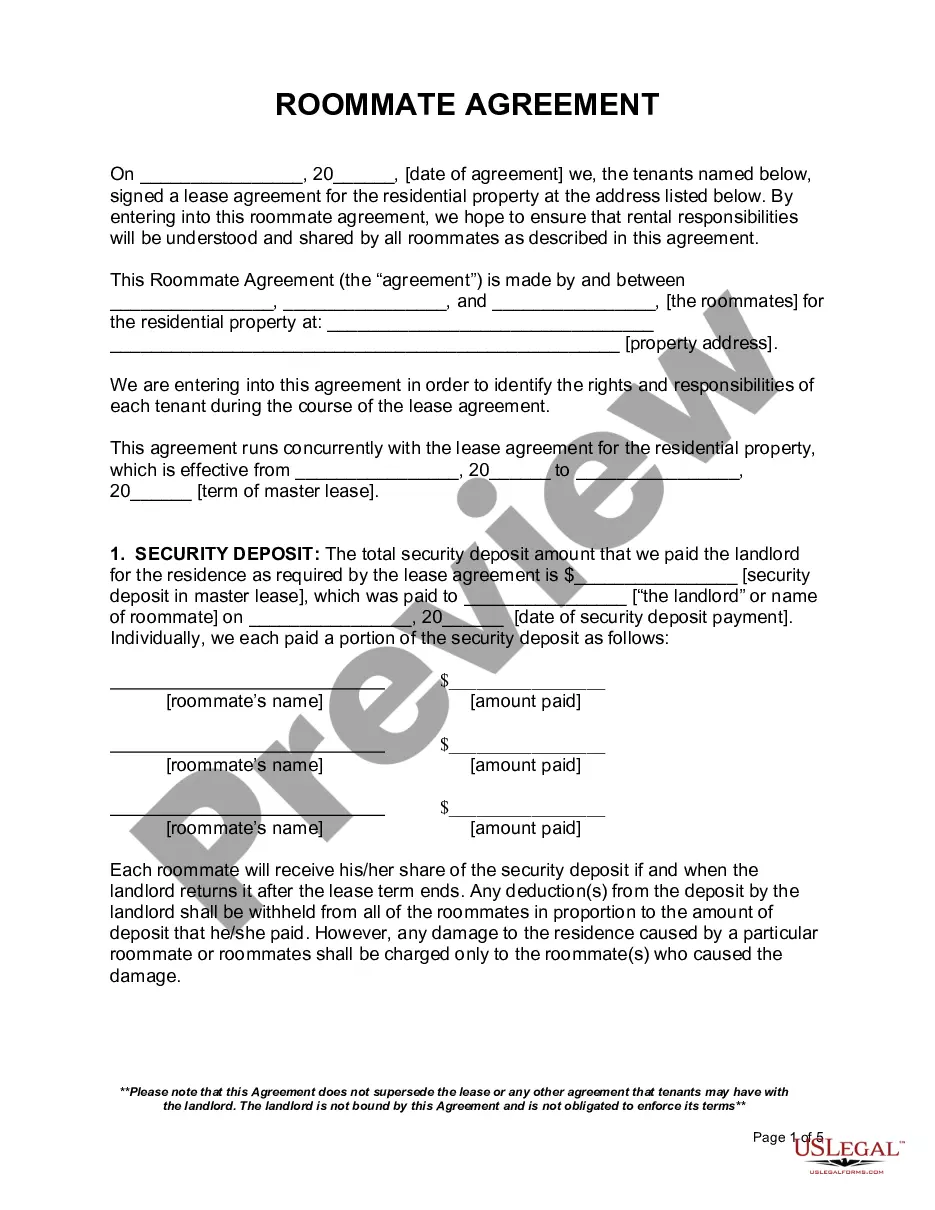
Roommate Form Agreement Format In Santa Clara
Description

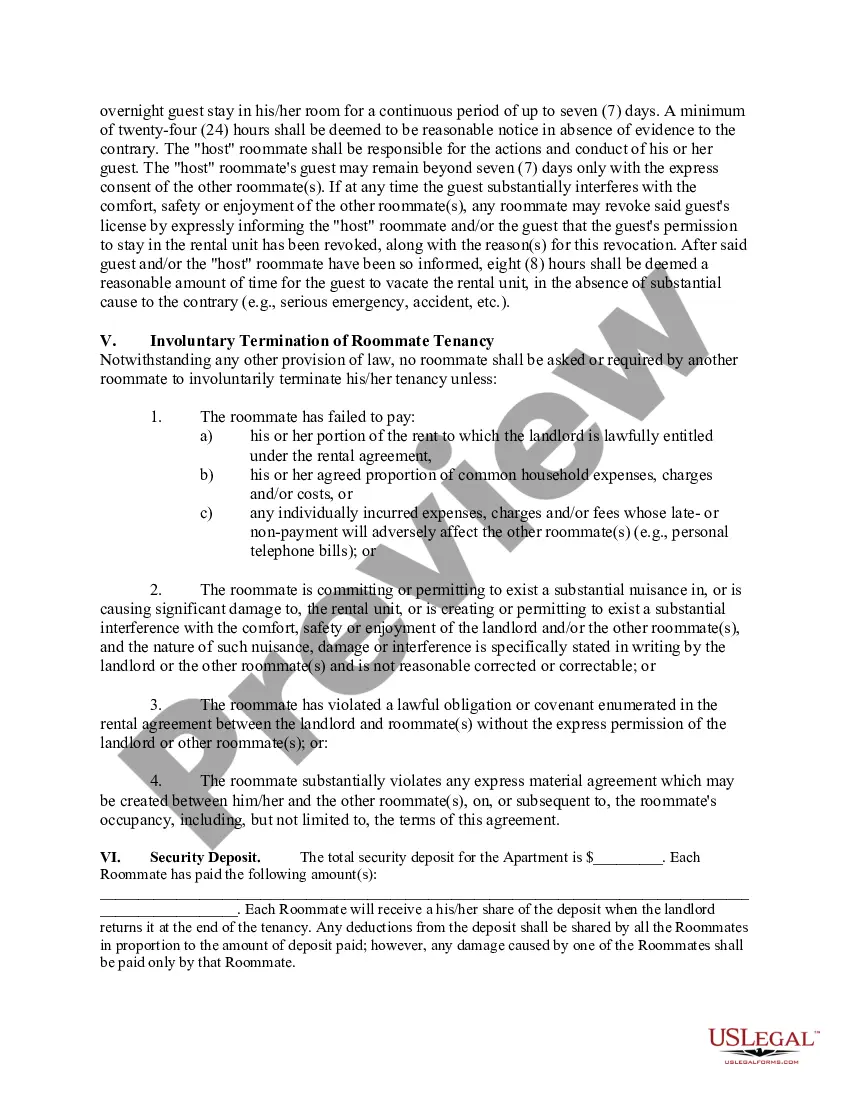
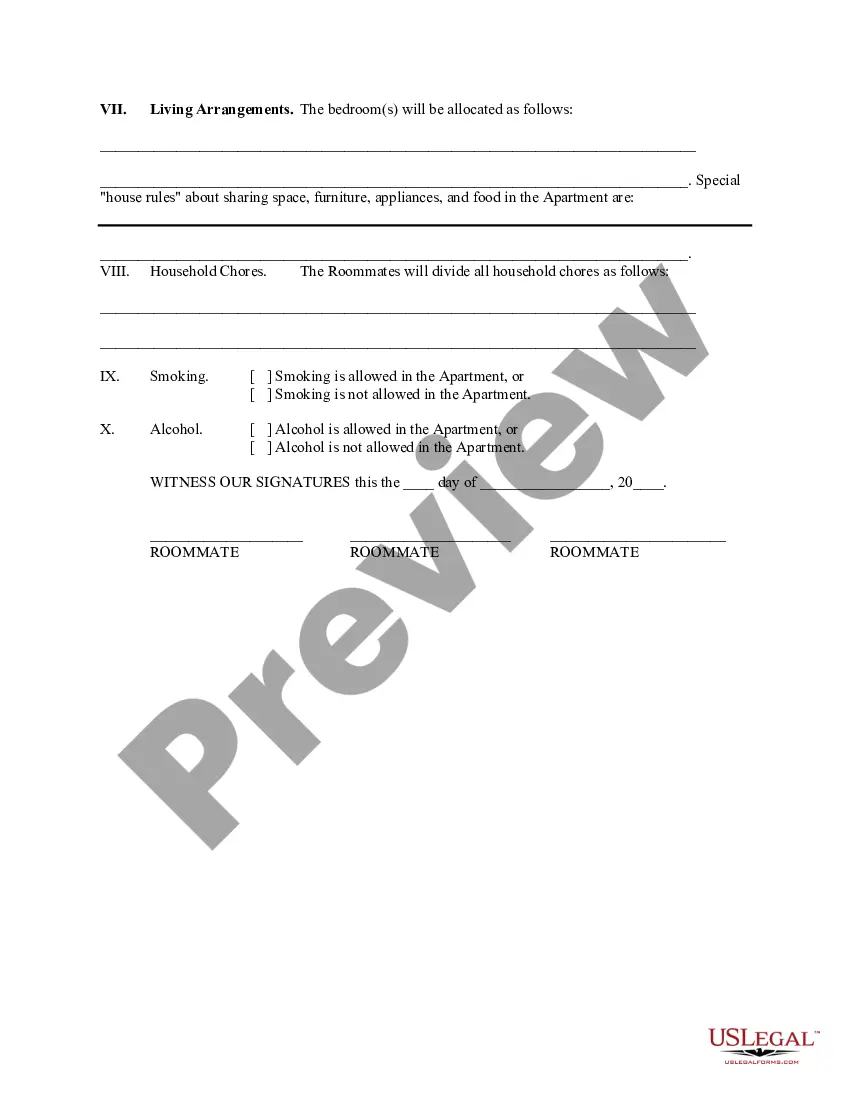
Get your form ready online
Our built-in tools help you complete, sign, share, and store your documents in one place.
Make edits, fill in missing information, and update formatting in US Legal Forms—just like you would in MS Word.
Download a copy, print it, send it by email, or mail it via USPS—whatever works best for your next step.
Sign and collect signatures with our SignNow integration. Send to multiple recipients, set reminders, and more. Go Premium to unlock E-Sign.
If this form requires notarization, complete it online through a secure video call—no need to meet a notary in person or wait for an appointment.
We protect your documents and personal data by following strict security and privacy standards.

Make edits, fill in missing information, and update formatting in US Legal Forms—just like you would in MS Word.

Download a copy, print it, send it by email, or mail it via USPS—whatever works best for your next step.

Sign and collect signatures with our SignNow integration. Send to multiple recipients, set reminders, and more. Go Premium to unlock E-Sign.

If this form requires notarization, complete it online through a secure video call—no need to meet a notary in person or wait for an appointment.

We protect your documents and personal data by following strict security and privacy standards.
Looking for another form?









Form popularity
FAQ
How to write a roommate agreement Names of both tenants. The property address. The dates the lease begins and ends. The amount of rent each person pays. Who pays for utilities. Who pays the security deposit. Which bedroom each person occupies. Who buys food, or if you're each buying your own food.
A roommate arrangement is when multiple adults occupy a single unit together. In most cases, the renters are not related, but siblings and cousins can be roommates as well. With a traditional roommate arrangement, all roommates share a single lease.
Understanding Roommate Laws in California Co-tenant: If your roommate signed the lease with you, they have equal rights to the property. Evicting them often requires coordination with the landlord.
When executed properly, a Roommate Agreement is a legally binding document. If a roommate fails to uphold their end of the agreement, it's possible you can reinforce your claims in court. However, there may be practical difficulties when trying to do so.
The landlord can include you in an eviction (unlawful detainer) court case even if your name is not on the lease or rental agreement.
Agreements that are over a year should be in writing to be enforceable in court. Agreements that are a year or less can be verbal or written.
Breaking a lease in California with a roommate happens. If you or a roommate moves out, you're both still responsible for paying rent as per your lease. If the person not making the payment (breaking the lease) has a co-signer, the co-signer will be contacted for the remaining rent.
Santa Clara University requires all full-time undergraduate students to live on campus during their first (freshman) and second-year unless the student has been approved for an exception or space is not available to accommodate this requirement.
Housing is available for all traditional undergraduate students ages 17-24. Housing is assigned on a first-come-first-serve basis, therefore, availability ing to preference may be limited.
Eighty percent of undergraduate students receive financial aid–based scholarships, grants, or loans. More than half (53 percent) of the undergraduate population live in University housing, with 92 percent of first-year students and 86 percent of sophomores living on campus.