Roommate Agreement In Michigan In Chicago
Description

Get your form ready online
Our built-in tools help you complete, sign, share, and store your documents in one place.
Make edits, fill in missing information, and update formatting in US Legal Forms—just like you would in MS Word.
Download a copy, print it, send it by email, or mail it via USPS—whatever works best for your next step.
Sign and collect signatures with our SignNow integration. Send to multiple recipients, set reminders, and more. Go Premium to unlock E-Sign.
If this form requires notarization, complete it online through a secure video call—no need to meet a notary in person or wait for an appointment.
We protect your documents and personal data by following strict security and privacy standards.

Make edits, fill in missing information, and update formatting in US Legal Forms—just like you would in MS Word.

Download a copy, print it, send it by email, or mail it via USPS—whatever works best for your next step.

Sign and collect signatures with our SignNow integration. Send to multiple recipients, set reminders, and more. Go Premium to unlock E-Sign.

If this form requires notarization, complete it online through a secure video call—no need to meet a notary in person or wait for an appointment.

We protect your documents and personal data by following strict security and privacy standards.
Looking for another form?






Form popularity
FAQ
Under Senate Bills 205, 206 and 207, landlords cannot deny a renter housing based on their source of income including Section 8 housing choice vouchers, public assistance, veterans' benefits, Social Security, supplemental security income or other retirement programs.
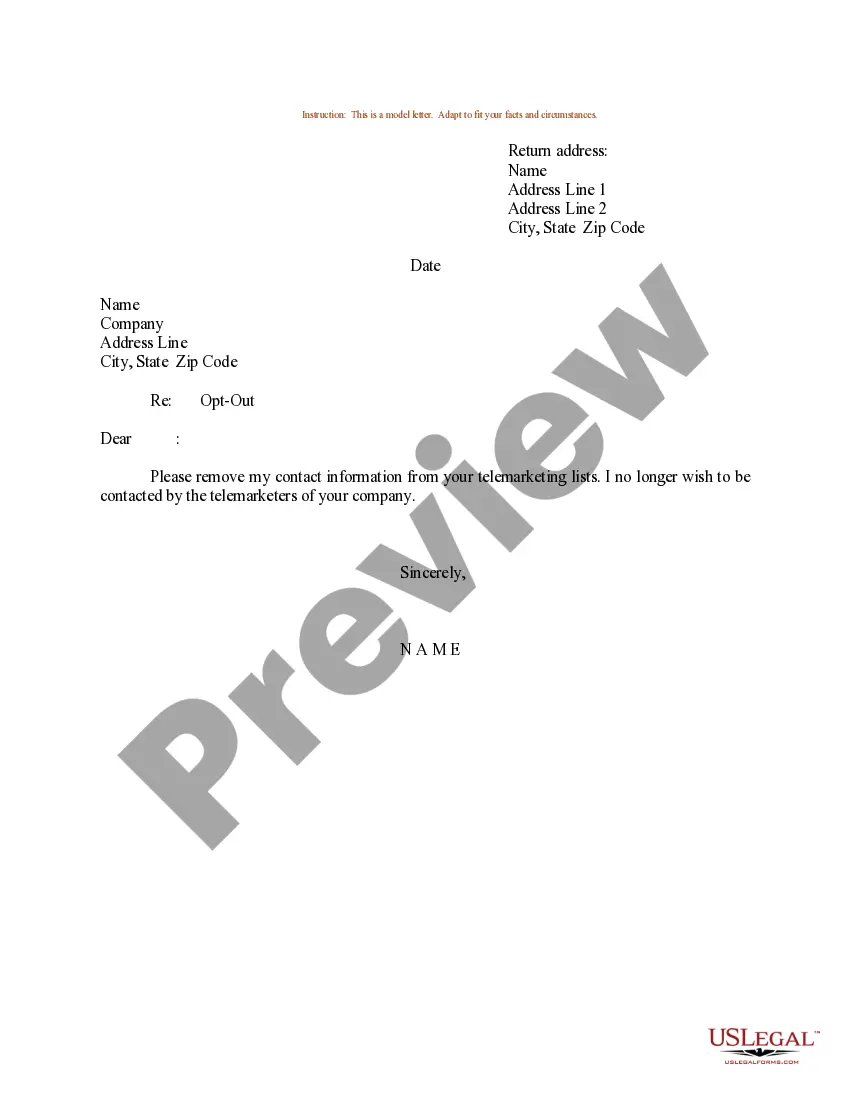
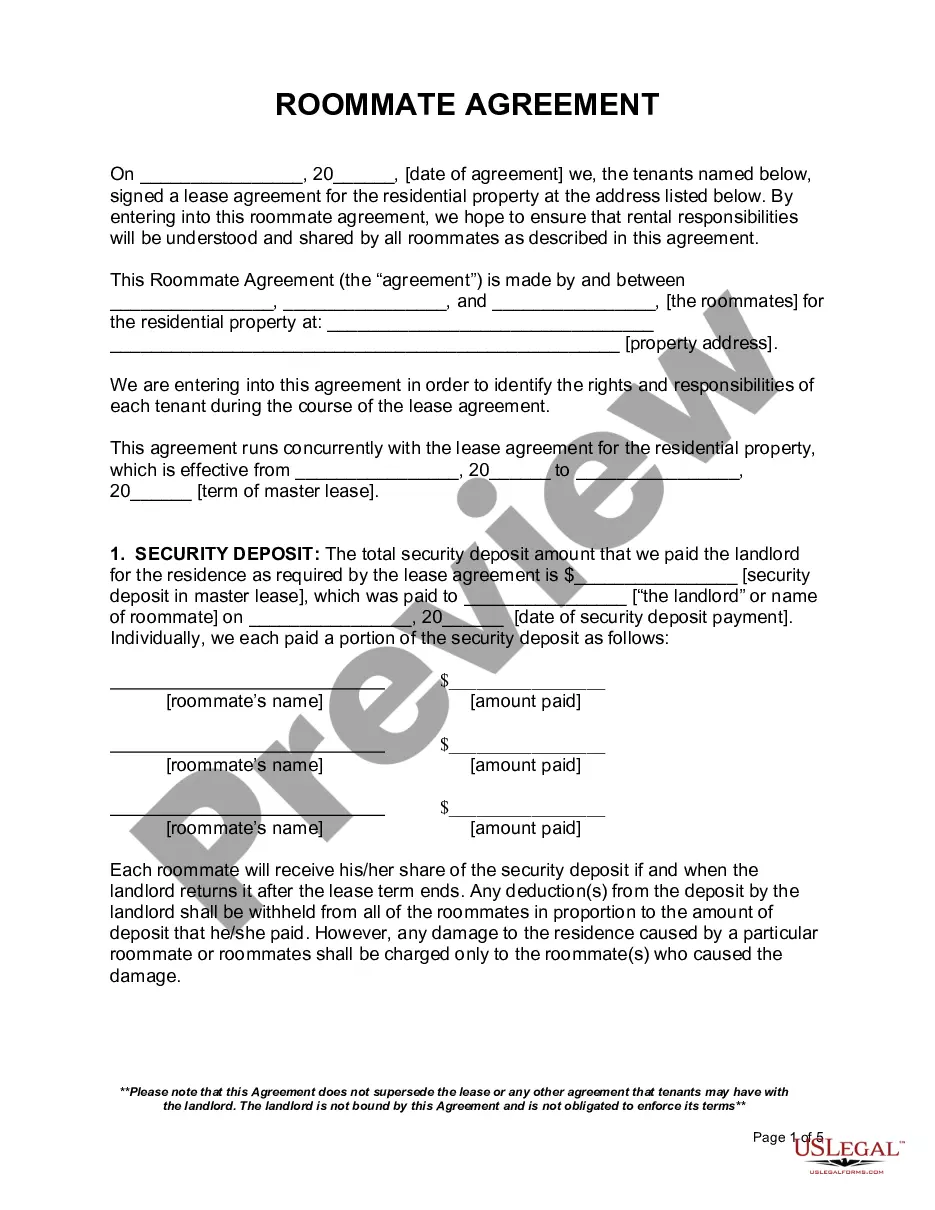
A Roommate Agreement is a written contract between roommates that outlines their rights and obligations while living together. This agreement includes house rules, maintenance duties, restricted behaviors, and more. For a Roommate Agreement to be useful, everyone sharing the household must agree to it.
Per contract law, a contract is only considered to be legally binding if it is mutually beneficial for all parties involved. This is also known as consideration. When one party does something without getting anything in return, the contract is typically considered unenforceable by the courts.
As a tenant, you are legally responsible for the lease agreement that you signed with the landlord and property owner. While you can choose to live with someone who is not on the lease, some potential complications and risks come with this choice.
Roommates cannot evict one another. The eviction process is only available in landlord-tenant relationships. This means you cannot force your roommate to leave the home, and your roommate cannot force you to leave the home. This is true even if your roommate stopped paying for their portion of rent and utilities.
To Sum it Up: Verbal agreements can be legal in Michigan, but it's always better to have a written contract, especially for important agreements. A written contract provides clear evidence of the terms and reduces the risk of misunderstandings or someone backing out of the agreement.
Here are the states that do explicitly state when guests are considered tenants: StateWhen guests become tenants Arizona After 29 days California After 14 days within 6 months or 7 consecutive nights Colorado After 14 days, within 6 months Connecticut After 14 days, within 6 months19 more rows •
No. A lease cannot be changed without the written consent of all parties to the lease. In some cases, parties to a lease can be deemed to have given consent by their actions or by their failure to act, but such consent must be determined by a court in the context of a legal matter.
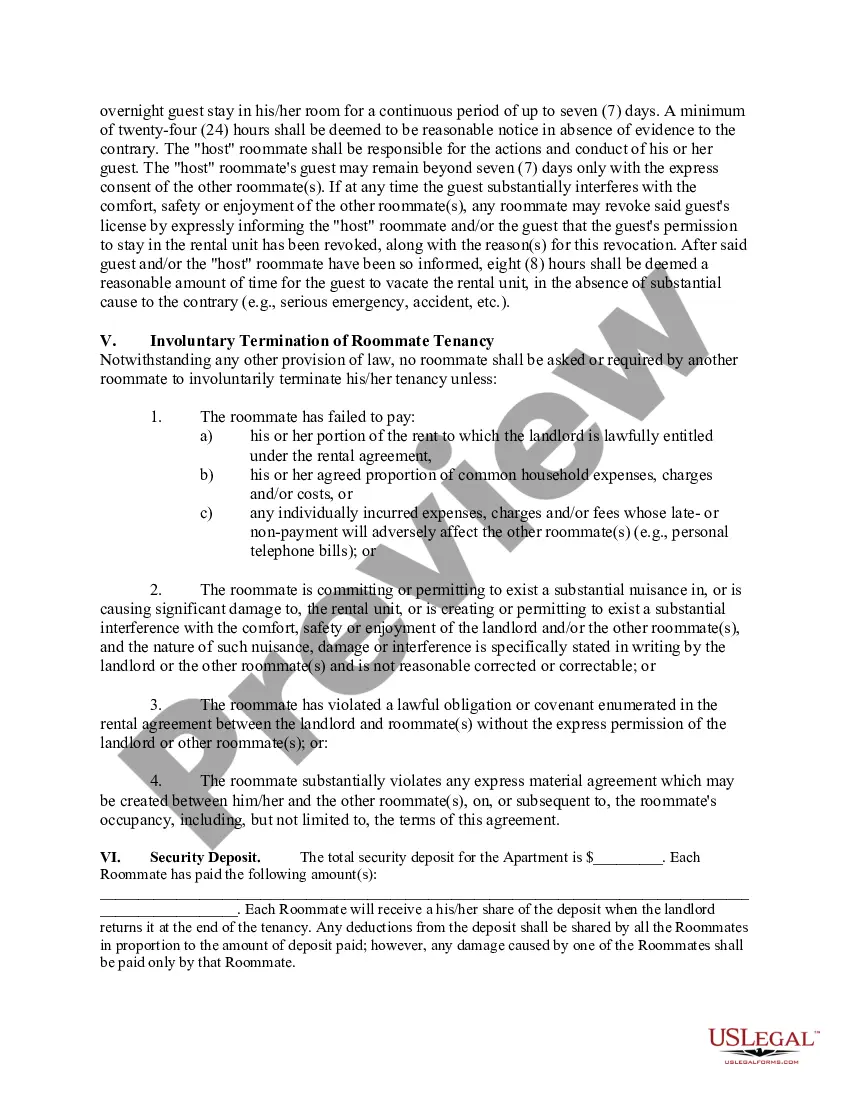
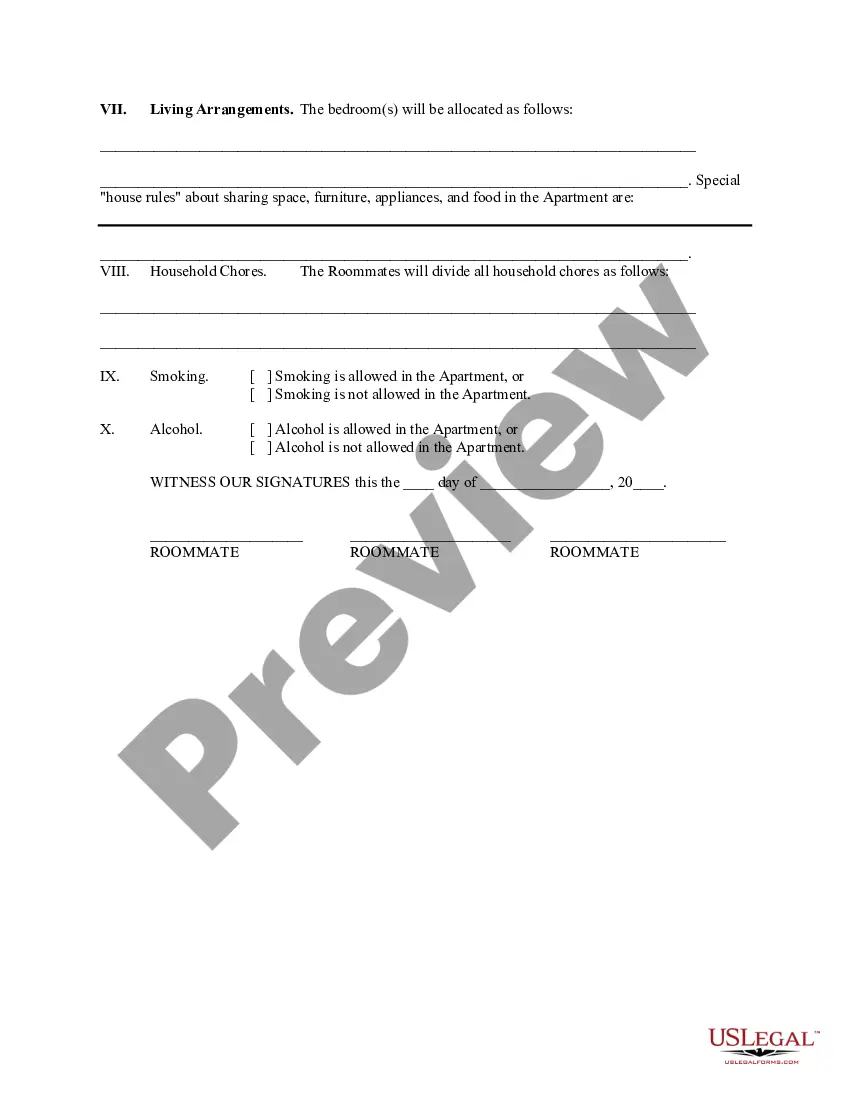
What do I include in a Roommate Agreement? Information about the property, roommates, and original lease. Term or length of the agreement. Rent responsibilities. Security deposit details. Responsibilities for utilities and household costs. House rules, roommate duties, and restrictions. Rules for termination of tenancy.