Sibling Agreement Contract Template For Students In Massachusetts
Description
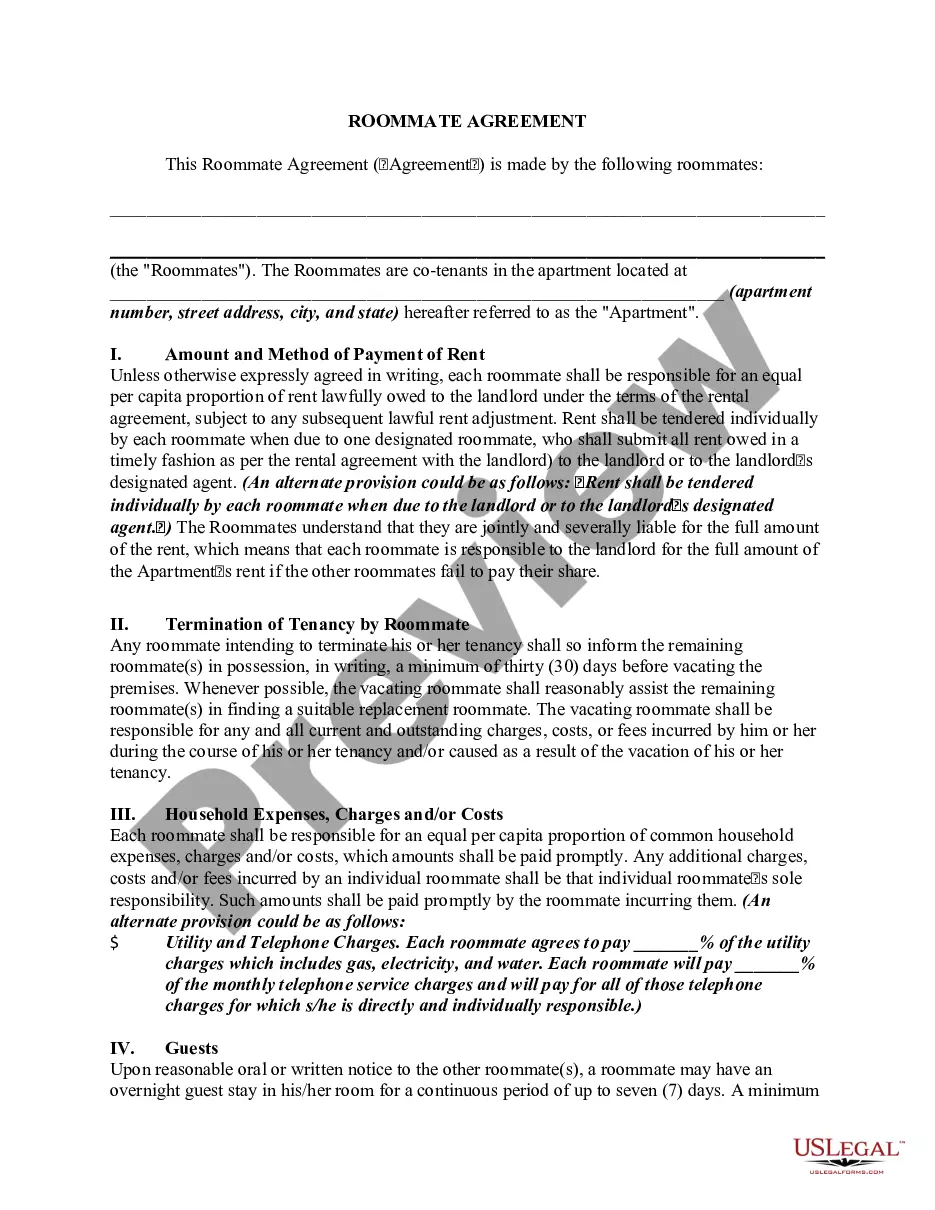
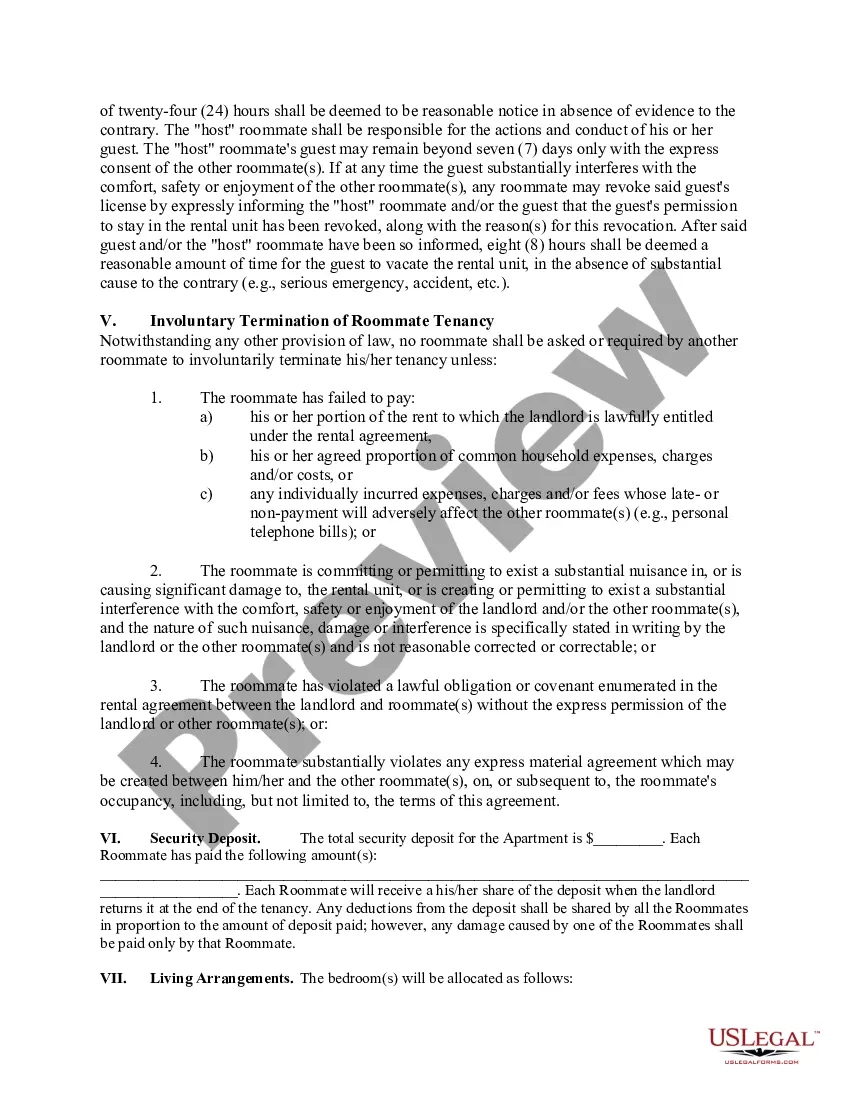
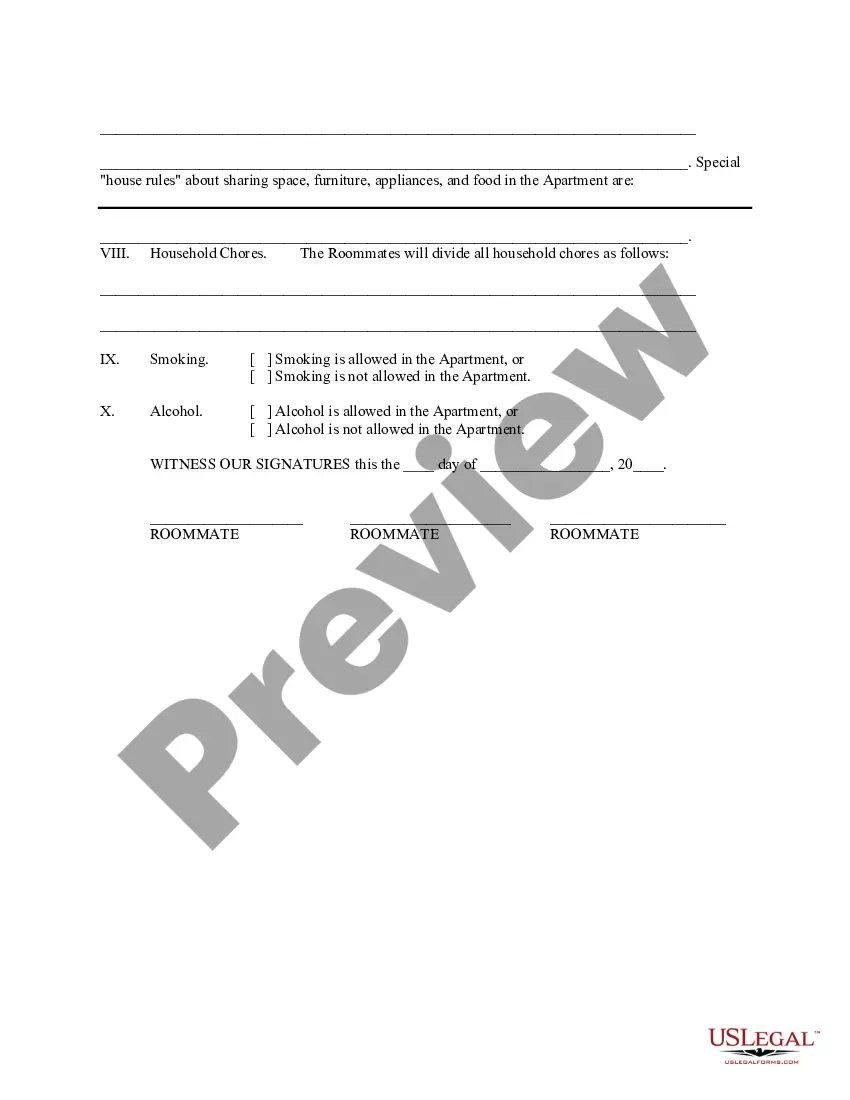

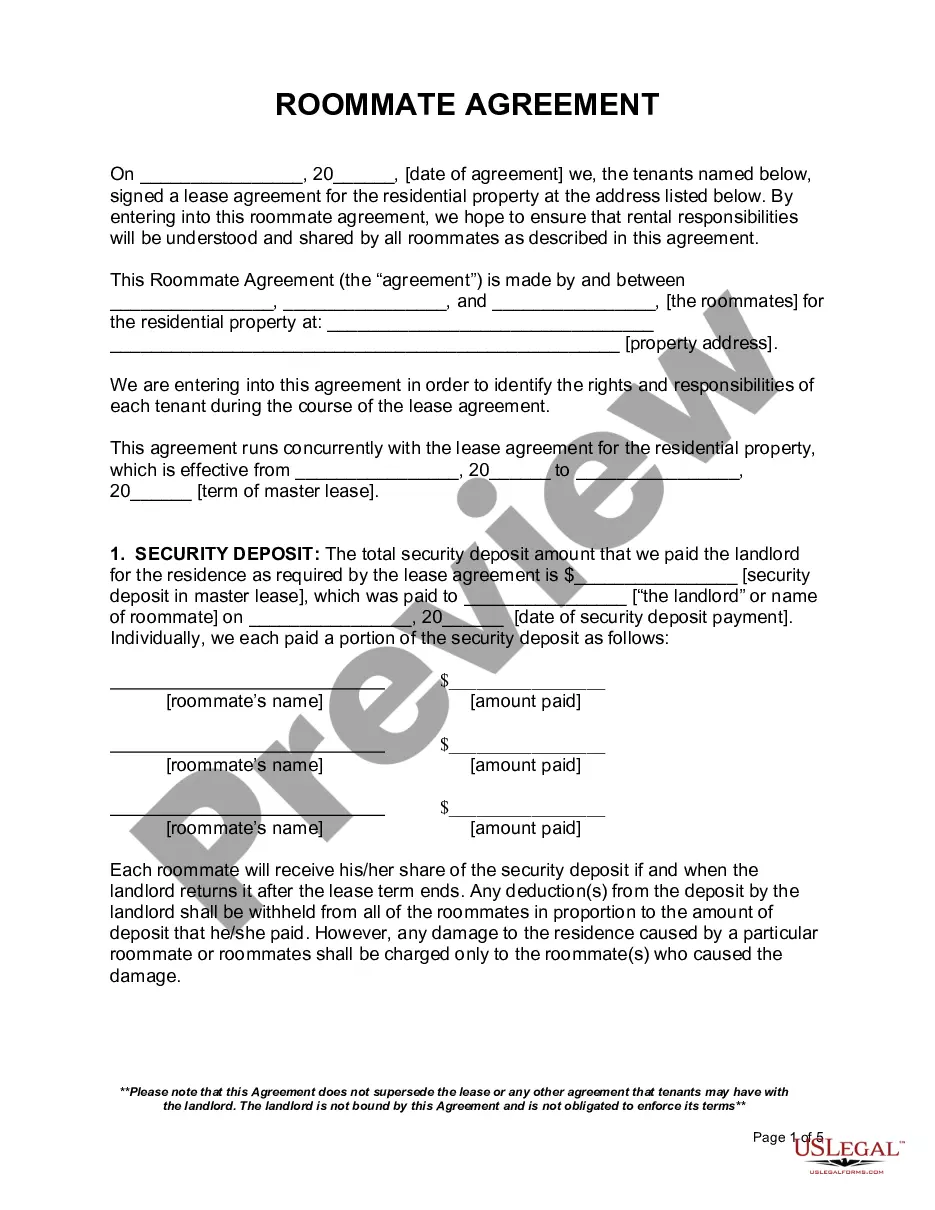
Get your form ready online
Our built-in tools help you complete, sign, share, and store your documents in one place.
Make edits, fill in missing information, and update formatting in US Legal Forms—just like you would in MS Word.
Download a copy, print it, send it by email, or mail it via USPS—whatever works best for your next step.
Sign and collect signatures with our SignNow integration. Send to multiple recipients, set reminders, and more. Go Premium to unlock E-Sign.
If this form requires notarization, complete it online through a secure video call—no need to meet a notary in person or wait for an appointment.
We protect your documents and personal data by following strict security and privacy standards.

Make edits, fill in missing information, and update formatting in US Legal Forms—just like you would in MS Word.

Download a copy, print it, send it by email, or mail it via USPS—whatever works best for your next step.

Sign and collect signatures with our SignNow integration. Send to multiple recipients, set reminders, and more. Go Premium to unlock E-Sign.

If this form requires notarization, complete it online through a secure video call—no need to meet a notary in person or wait for an appointment.

We protect your documents and personal data by following strict security and privacy standards.
Looking for another form?










Form popularity
FAQ
By law, when parents are not married, the mother has custody of their child unless a court orders otherwise. A father who has legally established paternity can ask a court to make a decision about custody and visitation. The court will decide what is best for the child. DOR does not handle custody issues.
What is a Marital Settlement Agreement in Massachusetts? A Marital Settlement Agreement (MSA) is a legal document that outlines the terms of a divorce or legal separation agreed upon by both spouses. It covers aspects such as property division, alimony, child custody and support, and insurance.
A letter of agreement between two parents should clearly state the terms of their co-parenting arrangement, including custody, visitation, decision-making responsibilities, and financial obligations. Both parents should sign the letter, which should be notarized to ensure enforceability.
Child custody is determined in Massachusetts either by agreement of the parties, or if the issue is contested, the court deciding what's in the “best interest of the child.” The court considers a number of factors, including the child's bond with each parent, minimizing disruption, history of care-taking responsibility ...
Joint physical custody is not the norm in Massachusetts. Joint physical custody is typically an arrangement where the parents share equal or nearly equal parenting time.
Q: Can One Parent Keep a Child From Another Parent Without Court Orders in Massachusetts? A: One parent cannot keep their child from the other parent without a court order unless there are safety issues like abuse.
If the parents aren't married — The person who gave birth has sole legal and physical custody of her child until a court orders otherwise.
Mothers historically have won more custody battles due to traditional roles and perceptions of mothers as the primary caregivers. However, this trend is changing as courts increasingly focus on the best interests of the child, considering many factors beyond traditional roles.
