Girlfriend Contract With Husband In San Diego
Description

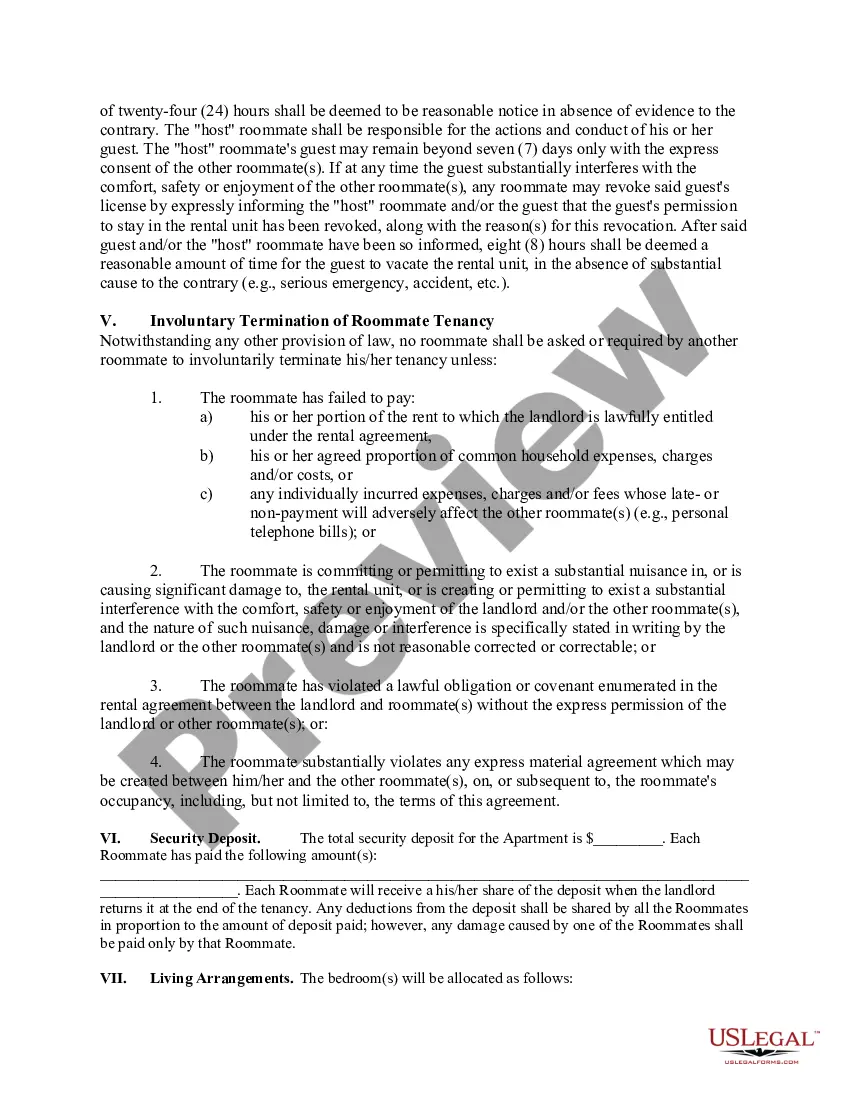
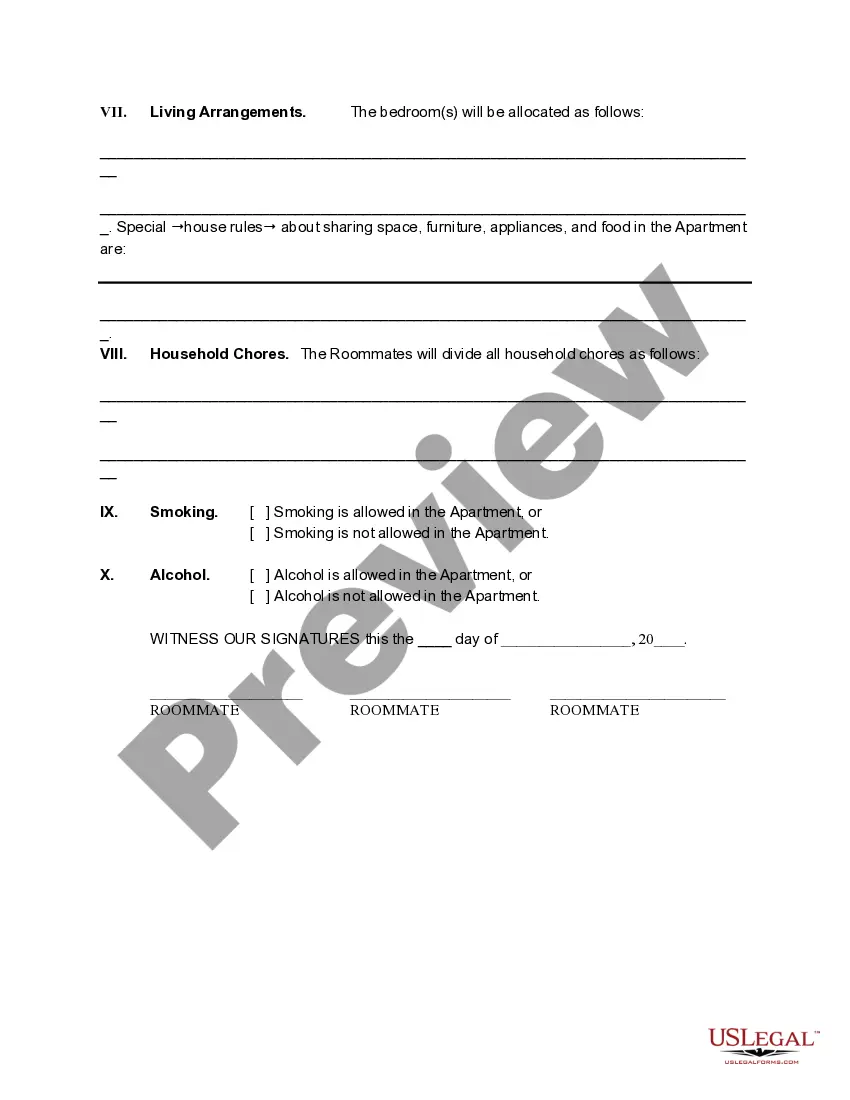

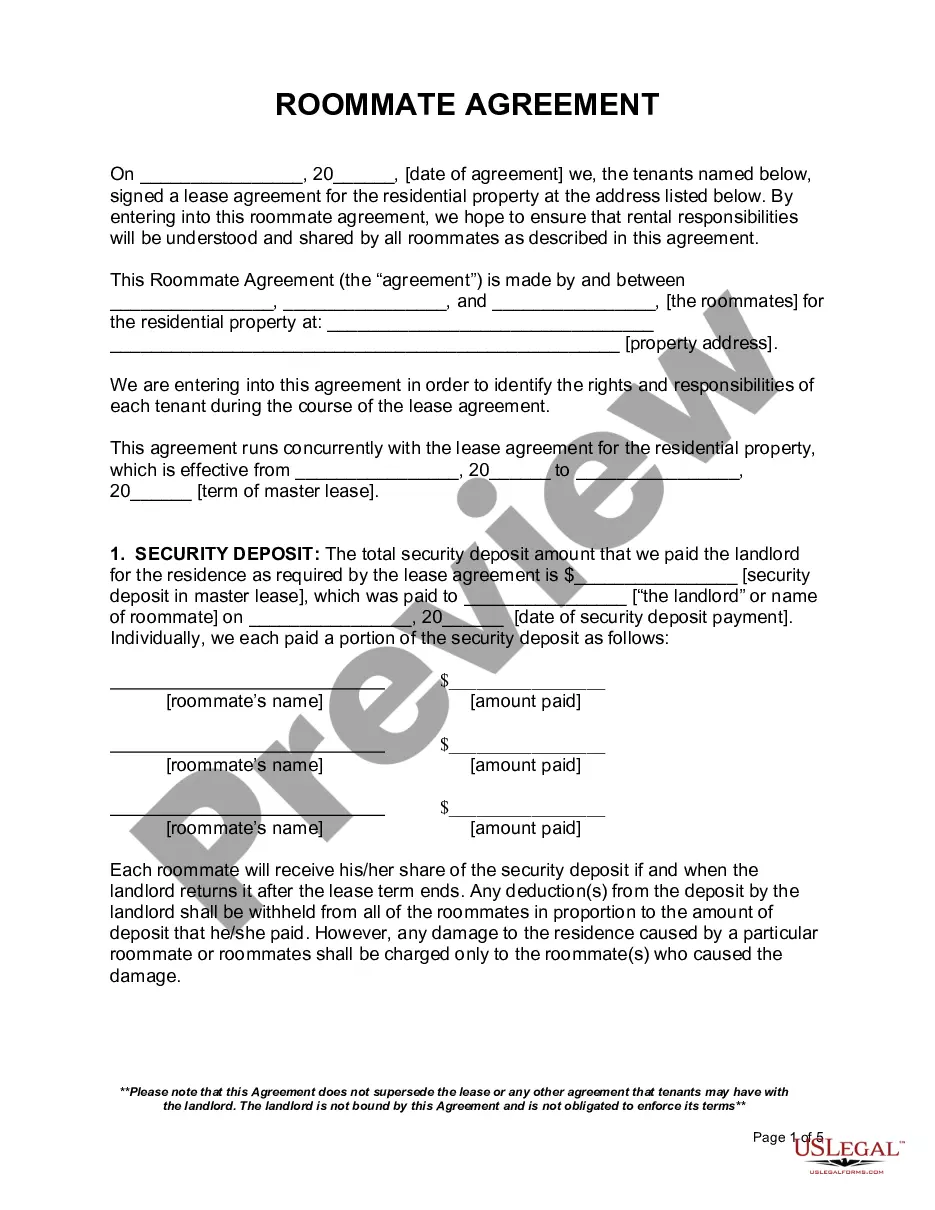
Get your form ready online
Our built-in tools help you complete, sign, share, and store your documents in one place.
Make edits, fill in missing information, and update formatting in US Legal Forms—just like you would in MS Word.
Download a copy, print it, send it by email, or mail it via USPS—whatever works best for your next step.
Sign and collect signatures with our SignNow integration. Send to multiple recipients, set reminders, and more. Go Premium to unlock E-Sign.
If this form requires notarization, complete it online through a secure video call—no need to meet a notary in person or wait for an appointment.
We protect your documents and personal data by following strict security and privacy standards.

Make edits, fill in missing information, and update formatting in US Legal Forms—just like you would in MS Word.

Download a copy, print it, send it by email, or mail it via USPS—whatever works best for your next step.

Sign and collect signatures with our SignNow integration. Send to multiple recipients, set reminders, and more. Go Premium to unlock E-Sign.

If this form requires notarization, complete it online through a secure video call—no need to meet a notary in person or wait for an appointment.

We protect your documents and personal data by following strict security and privacy standards.
Looking for another form?




Form popularity
FAQ
Domestic Partners are two adults who have chosen to share one another's lives in an intimate and committed relationship of mutual caring.
There are also some financial benefits, such as tax and health insurance benefits, employment (leave) benefits and child and family rights benefits for those who formalize a domestic partnership.
There is not a specific period that you must live together before you can establish a domestic partnership in California. Any couple who meets the eligibility criteria may register a domestic partnership to receive many of the same rights as married couples.
Here's a step-by-step guide to drafting your own settlement agreement in California: Gather Information About Assets, Debts, and Child Custody Needs. Draft a Clear Outline of the Agreement. Specify Terms for Property Division and Debt Allocation. Address Spousal Support and Child Custody Arrangements.
The laws allow you to add a new spouse or domestic partner to your policy. They allow you to switch to your partner's policy. They allow you to sign up for a new plan on the marketplace. They don't usually allow you to drop your own coverage without replacing it with your spouse's coverage or a marketplace plan.
The laws allow you to add a new spouse or domestic partner to your policy. They allow you to switch to your partner's policy. They allow you to sign up for a new plan on the marketplace. They don't usually allow you to drop your own coverage without replacing it with your spouse's coverage or a marketplace plan.
Every married Californian has a prenuptial/premarital agreement (“prenup”)—it's the California Family Code. The Family Code governs during the marriage and during a divorce. Even if California spouses 'don't want to plan for a divorce,' the state legislature has already codified marital division.
Because California is not a state that recognizes common law marriage, your girlfriend has no rights to your assets by virtue of the relationship that you had. Any assets that you own individually are yours and not subject to claim by her unless she has some other cause of action against you, such as in contract.
Cohabitation Agreements Generally This means that both parties have a legal and ethical obligation to act in each other's best interests on financial matters. It must address joint accounts, joint debts, joint property, and any financial support if the relationship ends (“palimony").
While you can technically draw up a postnuptial agreement in California without the help of a family law attorney, it is difficult and unwise to do so. Without the guidance of a legal professional, you might find it hard to create an equitable, effective plan for the division of your property.
