Contract For Girlfriend In Los Angeles
Description

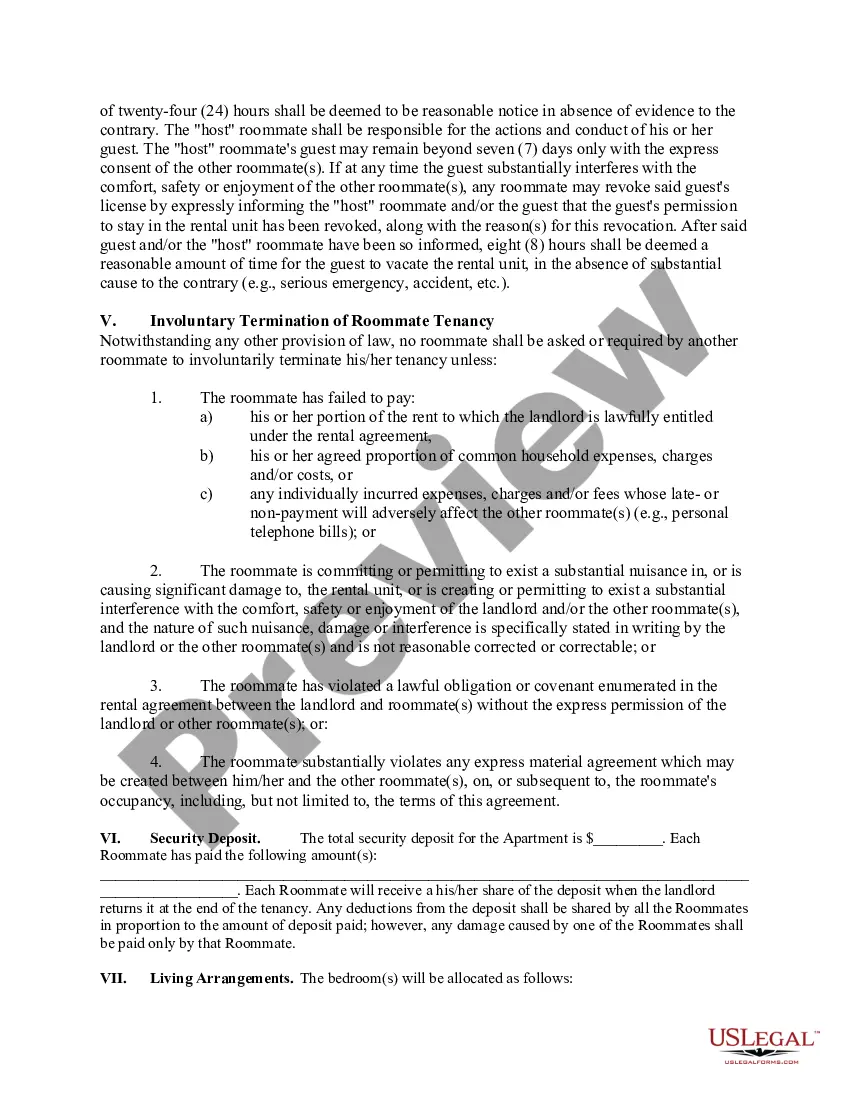
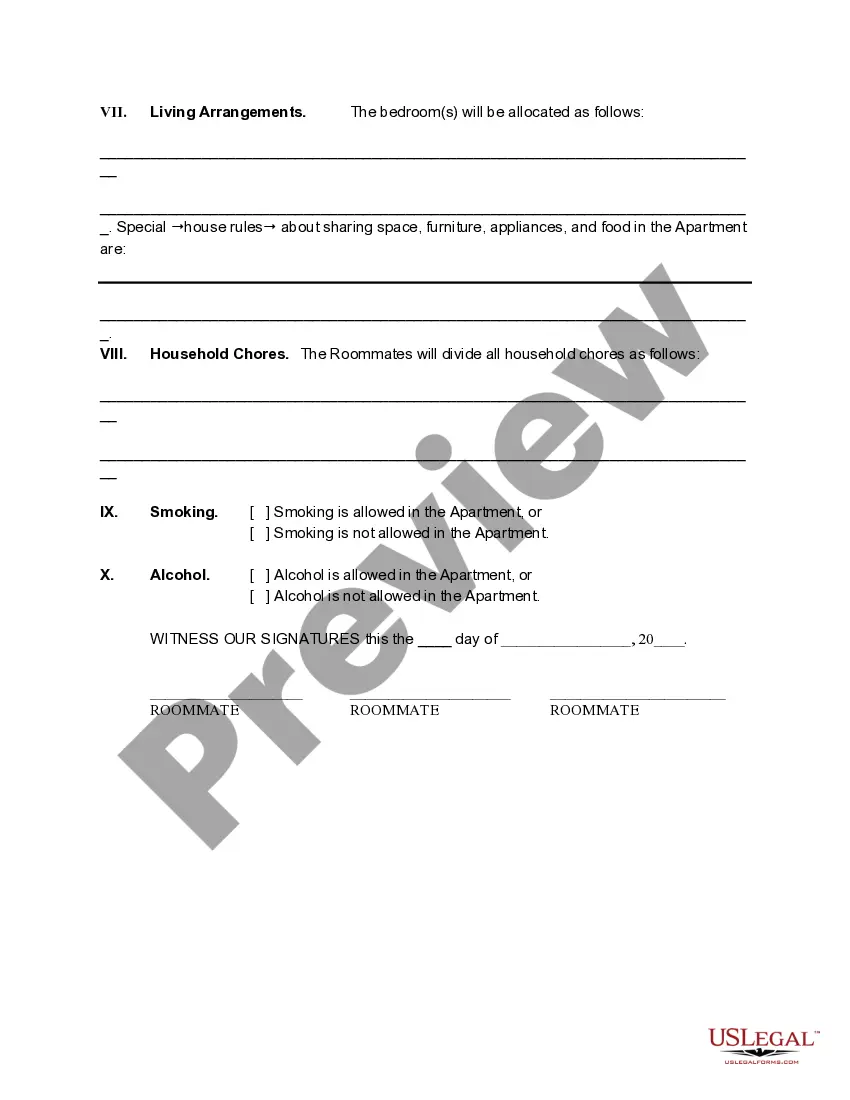

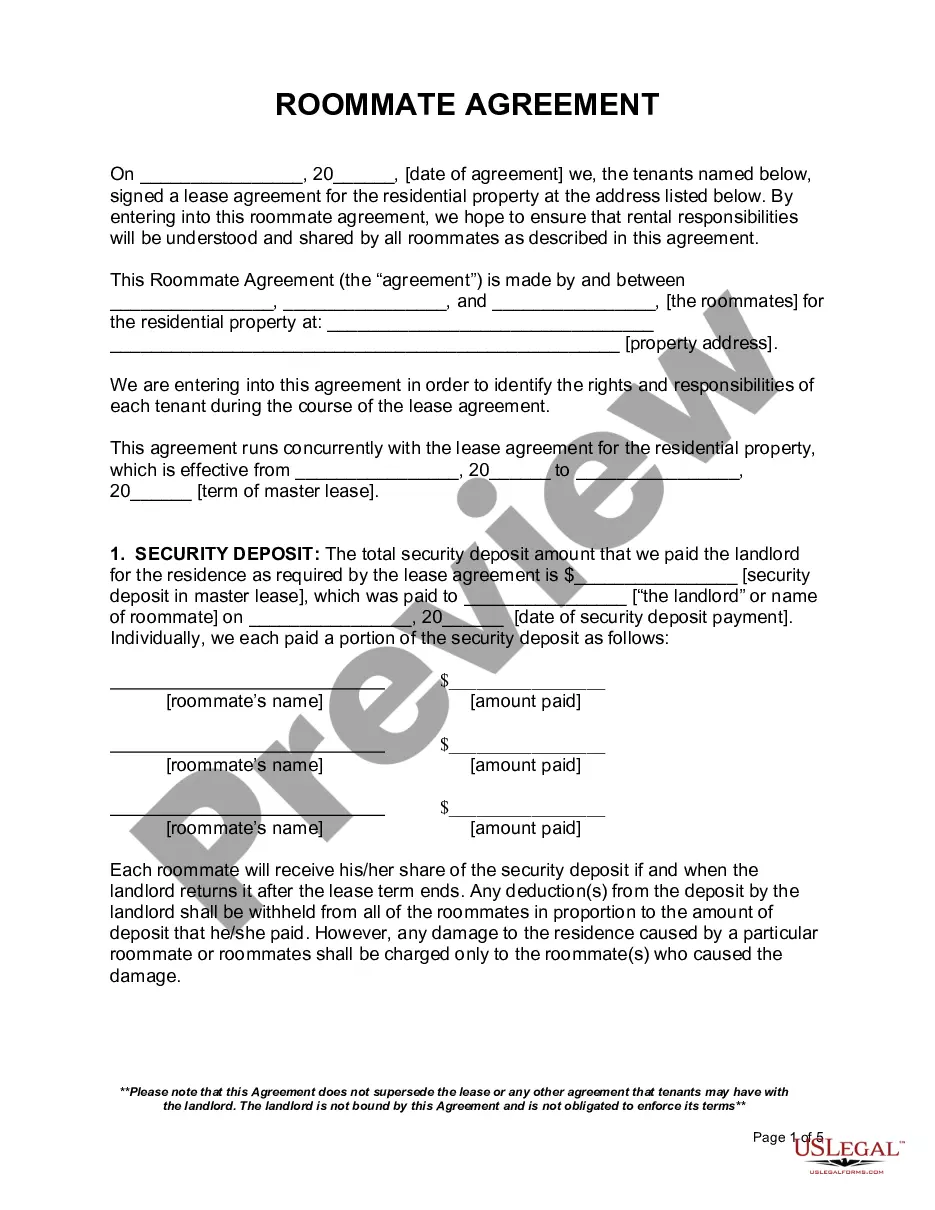
Get your form ready online
Our built-in tools help you complete, sign, share, and store your documents in one place.
Make edits, fill in missing information, and update formatting in US Legal Forms—just like you would in MS Word.
Download a copy, print it, send it by email, or mail it via USPS—whatever works best for your next step.
Sign and collect signatures with our SignNow integration. Send to multiple recipients, set reminders, and more. Go Premium to unlock E-Sign.
If this form requires notarization, complete it online through a secure video call—no need to meet a notary in person or wait for an appointment.
We protect your documents and personal data by following strict security and privacy standards.

Make edits, fill in missing information, and update formatting in US Legal Forms—just like you would in MS Word.

Download a copy, print it, send it by email, or mail it via USPS—whatever works best for your next step.

Sign and collect signatures with our SignNow integration. Send to multiple recipients, set reminders, and more. Go Premium to unlock E-Sign.

If this form requires notarization, complete it online through a secure video call—no need to meet a notary in person or wait for an appointment.

We protect your documents and personal data by following strict security and privacy standards.
Looking for another form?
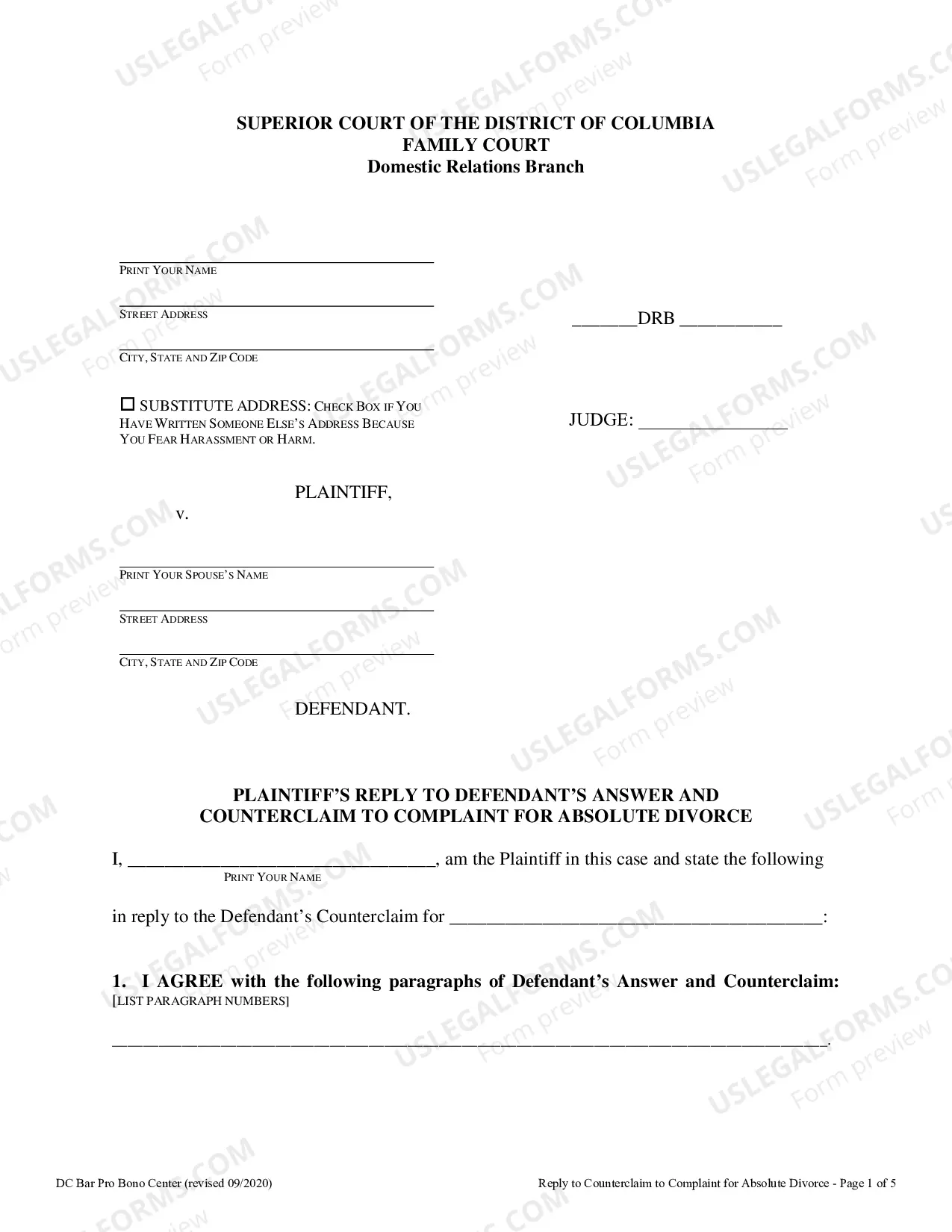






Form popularity
FAQ
Most critically, relationship contracts (where used to define respective roles of each party and not deal with purely financial or property matters) are not legally enforceable, whereas prenuptial agreements, provided they meet required criteria usually established by state law, are legally binding contracts which can ...
Not to be confused with legally binding contracts between two parties, these “contracts” are not typically legally binding but rather intended to be used to establish mutual understandings between those involved in a romantic relationship.
There is no common law marriage in the State of California. This means that if two people live together, there is no statute that confers the rights of married couples upon them. There are situations also where a couple believes that they are married, but they are in fact, not.
Unmarried couples who live together in California fall under the legal umbrella of 'cohabitation. ' A new law in California allows cohabitating romantic couples to file to be known as a domestic partnership. While this law affords couples similar rights to married couples, the law is only recognized within California.
There is not a specific period that you must live together before you can establish a domestic partnership in California. Any couple who meets the eligibility criteria may register a domestic partnership to receive many of the same rights as married couples.
The two persons are not related by blood in a way that would prevent them from being married to each other in this state. Both persons are at least 18 years of age, except as provided in California Family Code section 297.1. Both persons are capable of consenting to the Domestic Partnership.
The laws allow you to add a new spouse or domestic partner to your policy. They allow you to switch to your partner's policy. They allow you to sign up for a new plan on the marketplace. They don't usually allow you to drop your own coverage without replacing it with your spouse's coverage or a marketplace plan.
Absence of Common Law Marriage in California The concept of a couple being considered legally married after living together for a specific period doesn't apply here. Despite popular belief, even if you've been cohabiting for 7 years or more, it won't automatically grant you the status of a married couple.
Domestic Partners are two adults who have chosen to share one another's lives in an intimate and committed relationship of mutual caring.
Unless you are registered domestic partners you have no legal rights over each other more than single people dating. A power of attorney could already grant healthcare decision rights, but you say that is lost. And California does not recognize a common law marriage (being together long enough to establish a marriage).
