Girlfriend Contract With Parents In Fairfax
Description

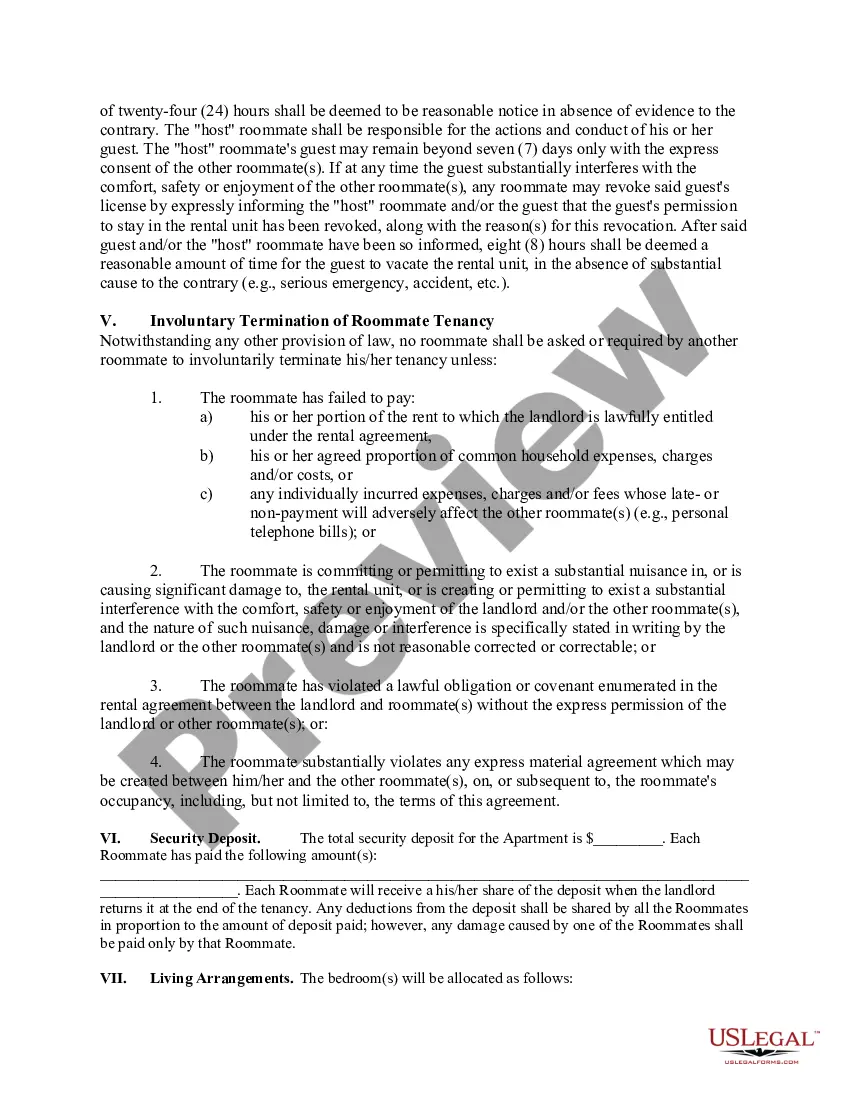
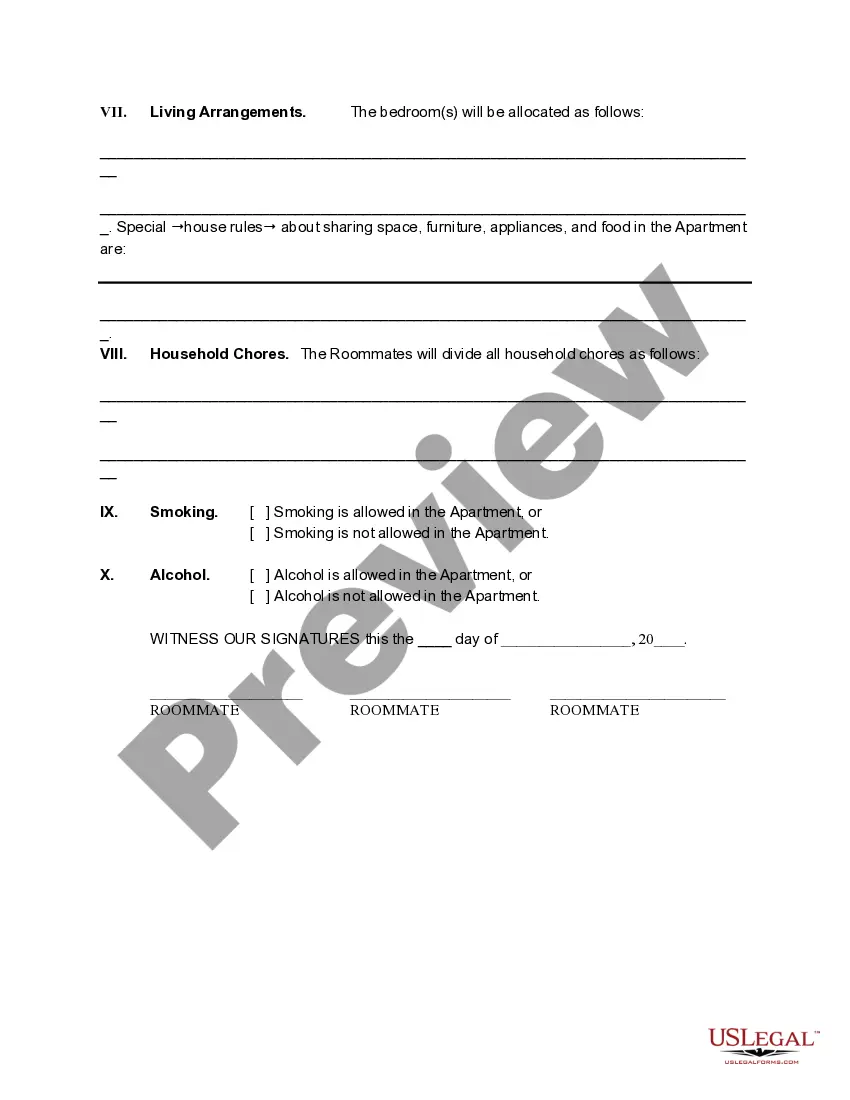

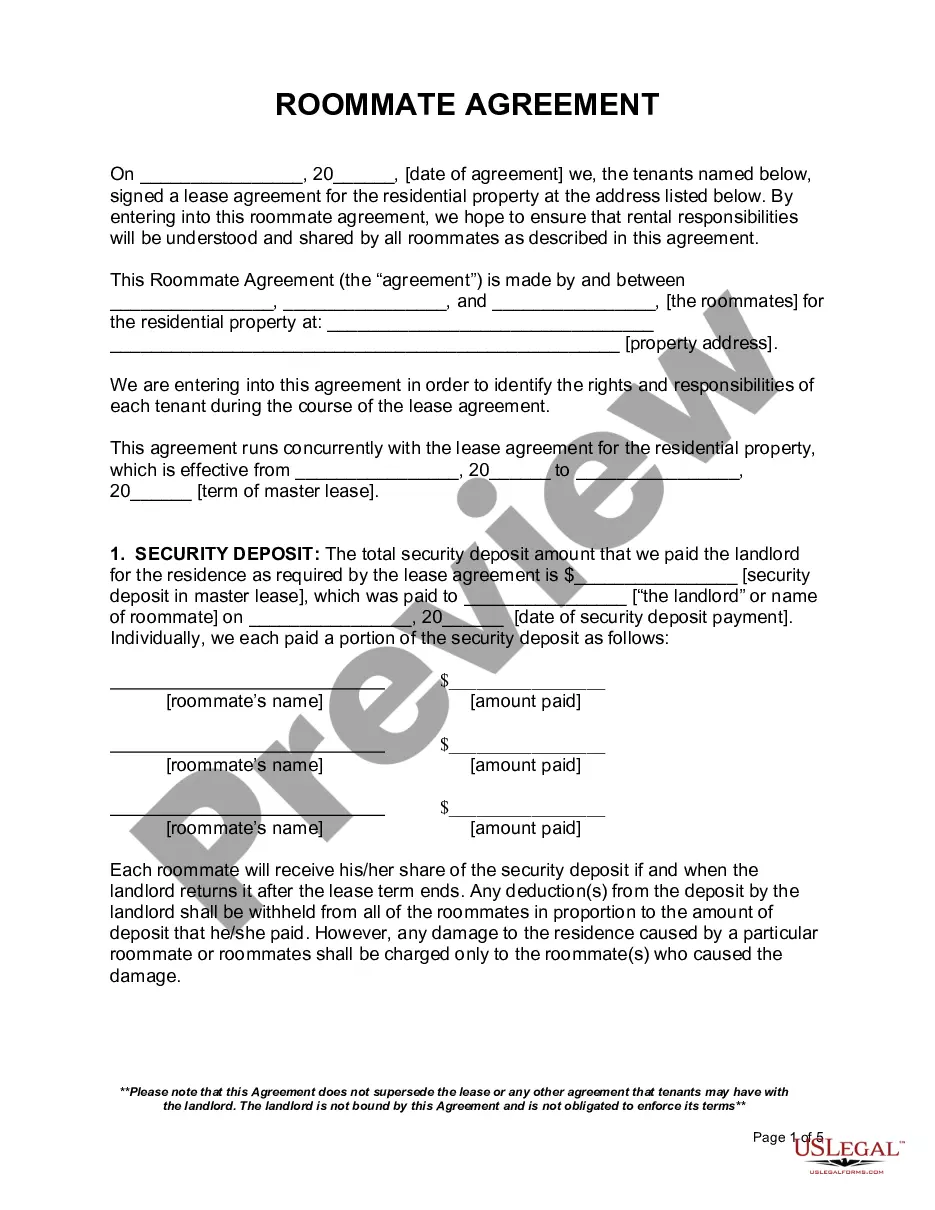
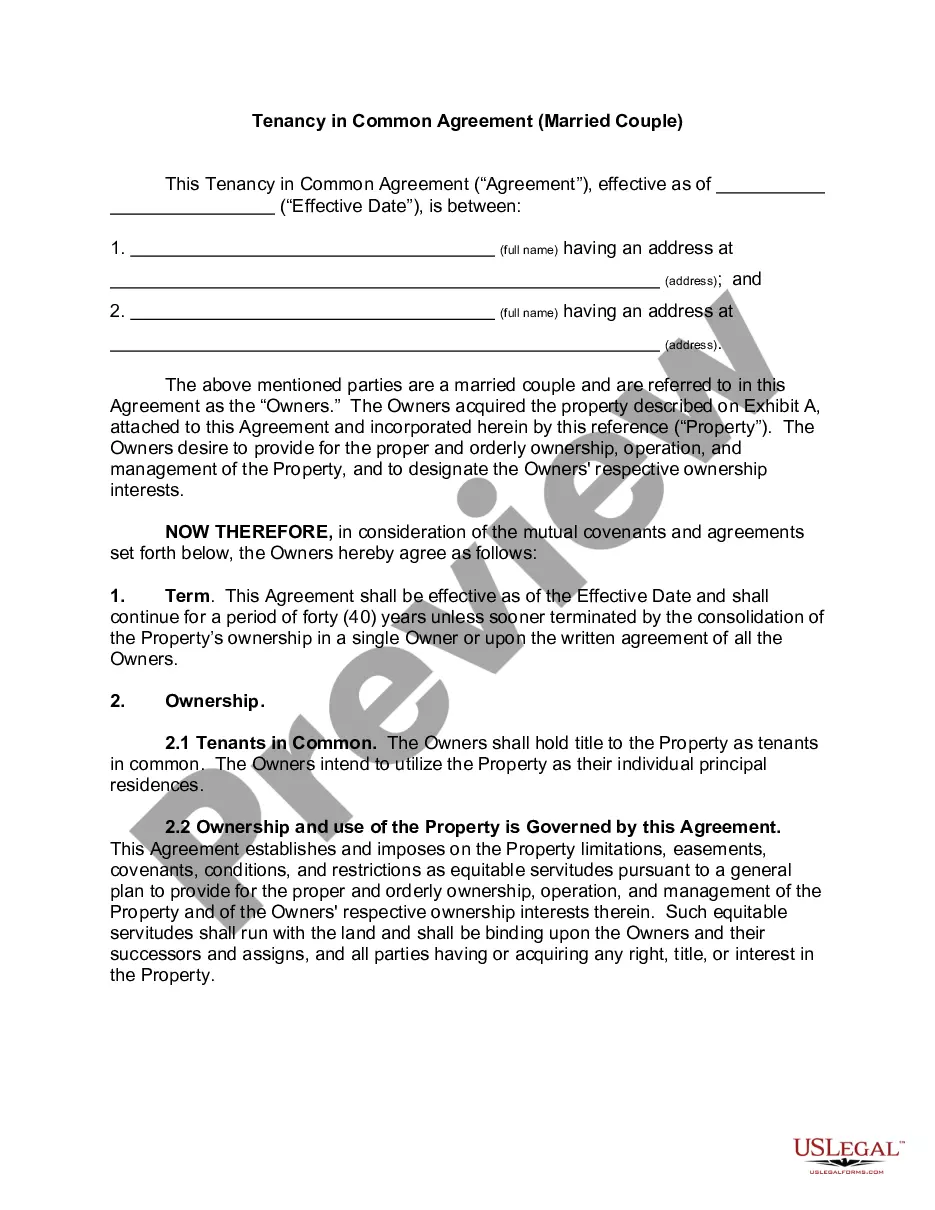
Get your form ready online
Our built-in tools help you complete, sign, share, and store your documents in one place.
Make edits, fill in missing information, and update formatting in US Legal Forms—just like you would in MS Word.
Download a copy, print it, send it by email, or mail it via USPS—whatever works best for your next step.
Sign and collect signatures with our SignNow integration. Send to multiple recipients, set reminders, and more. Go Premium to unlock E-Sign.
If this form requires notarization, complete it online through a secure video call—no need to meet a notary in person or wait for an appointment.
We protect your documents and personal data by following strict security and privacy standards.

Make edits, fill in missing information, and update formatting in US Legal Forms—just like you would in MS Word.

Download a copy, print it, send it by email, or mail it via USPS—whatever works best for your next step.

Sign and collect signatures with our SignNow integration. Send to multiple recipients, set reminders, and more. Go Premium to unlock E-Sign.

If this form requires notarization, complete it online through a secure video call—no need to meet a notary in person or wait for an appointment.

We protect your documents and personal data by following strict security and privacy standards.
Looking for another form?







Form popularity
FAQ
Virginia Divorce Checklist 1) Meet the Virginia residency requirement. 2) Reach an agreement on the key issues. 3) Live apart for long enough. 4) File a “bill of complaint” with the Circuit Court. 5) Provide legal notice to the other spouse. 6) Wait for an answer. 7) Provide evidence to the court. 8) Wait for results.
Virginia is an equitable distribution state, not a community property or 50/50 state. The split in a Virginia divorce does not have to be 50/50. Instead, the court will decide what is a fair division of property.
The VS-4 form is a statistical form that must be provided before a divorce can be finalized. This form requires basic information about the client such as their date of birth, education level, and each spouse's address. After the form is endorsed, it is used for statistical purposes by the state.
The length of time that a contested divorce will take in Virginia depends on the complexity of the case. Due to the many factors involved, the process can last over a year. The length of time will also depend on if any appeals are filed based on the court's decision.
Virginia law allows for no-fault divorce on the grounds of (a) living “separate and apart” for one year or (b) living separate and apart for six months with a separation agreement in place and no minor children.
By filing first, you may feel more prepared and find yourself less surprised by the litigation. Men often report that they feel surprised. But, again, that's not a legal upper hand.
You should be able to sign the affidavit at your lawyer's office. In your affidavit, you would need to state the date of your marriage, the date you separated, any children you had together, and whether you have a signed property settlement agreement. You would also need to have a corroborating witness.
Under this approach, spouses can cite “irreconcilable differences” or claim their marriage is “irretrievably broken.” Subsequently, a sexless marriage can serve as valid grounds for divorce without requiring detailed proof of fault.
Uncontested Divorce: A term used to describe a divorce case where the spouses have resolved all outstanding issues regarding support, property, and children. The ground upon which the divorce is based is usually the “no fault” ground of six (6) months or one (1) year separation.
