Master Deed Condominium Meaning In Salt Lake
Description



Get your form ready online
Our built-in tools help you complete, sign, share, and store your documents in one place.
Make edits, fill in missing information, and update formatting in US Legal Forms—just like you would in MS Word.
Download a copy, print it, send it by email, or mail it via USPS—whatever works best for your next step.
Sign and collect signatures with our SignNow integration. Send to multiple recipients, set reminders, and more. Go Premium to unlock E-Sign.
If this form requires notarization, complete it online through a secure video call—no need to meet a notary in person or wait for an appointment.
We protect your documents and personal data by following strict security and privacy standards.

Make edits, fill in missing information, and update formatting in US Legal Forms—just like you would in MS Word.

Download a copy, print it, send it by email, or mail it via USPS—whatever works best for your next step.

Sign and collect signatures with our SignNow integration. Send to multiple recipients, set reminders, and more. Go Premium to unlock E-Sign.

If this form requires notarization, complete it online through a secure video call—no need to meet a notary in person or wait for an appointment.

We protect your documents and personal data by following strict security and privacy standards.
Looking for another form?








Form popularity
FAQ
To form an HOA in Utah, one must adhere to state-specific statutes, primarily the Utah inium Ownership Act and the Utah Community Association Act. The formation process begins with recording a declaration in the county where the property is located.
Under Utah Code § 16-6a et seq., HOAs/COAs that are registered nonprofit corporations may be dissolved following Utah Code § 16-1 et seq. This is done by a proposal from the members to the HOAs/COAs association boards for adoption.
Utah law does not require any particular amount of reserves for associations.
Is it mandatory to join a Utah HOA? In Utah, if an individual buys a house in an area where an HOA already exists, they have to join and start contributing to the association.
In New Jersey, deeds are recorded with the County Clerk's office or the Registrar of Deeds in the county where the property is located. This office maintains all property records and ensures they are accessible to the public.
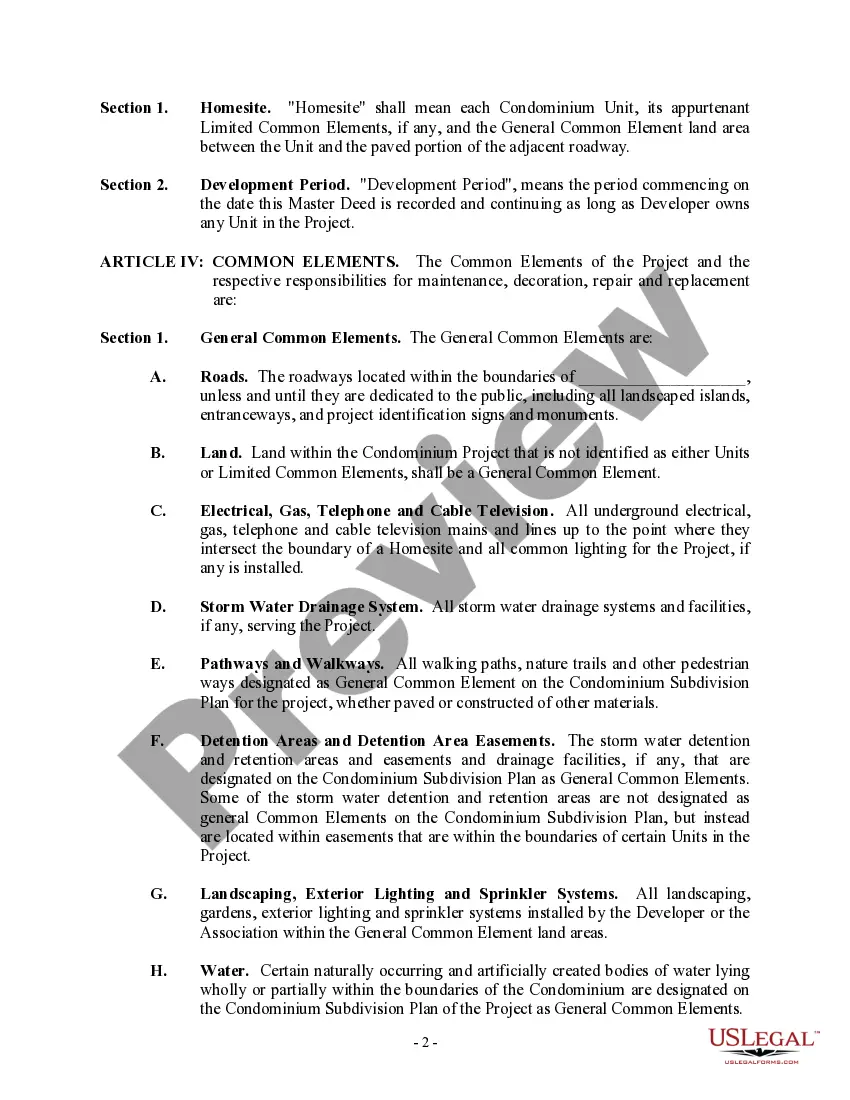
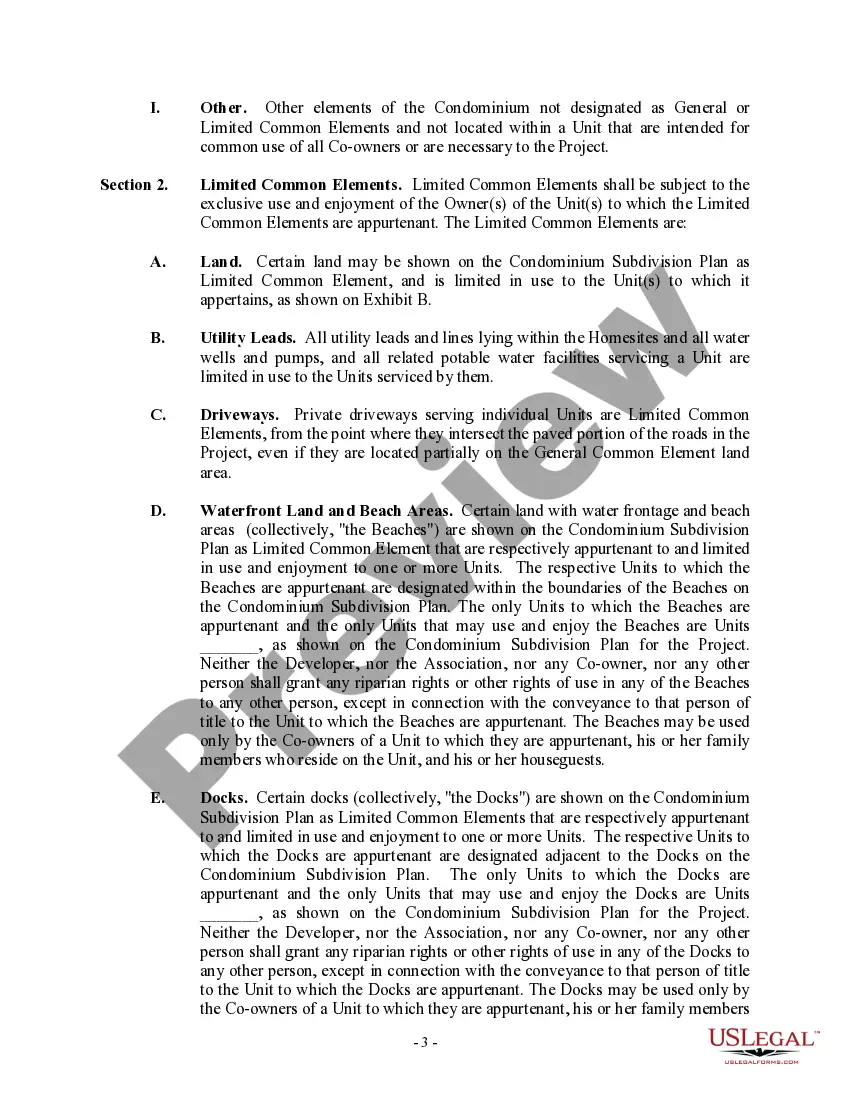
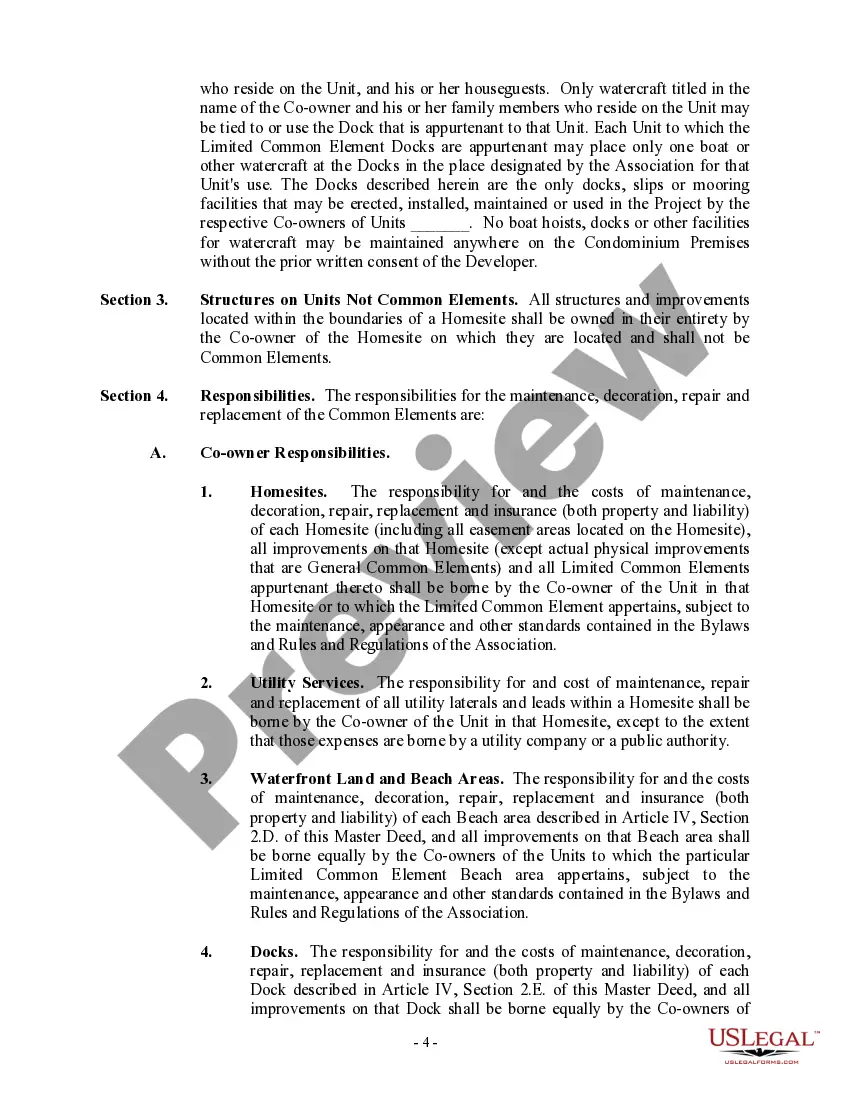
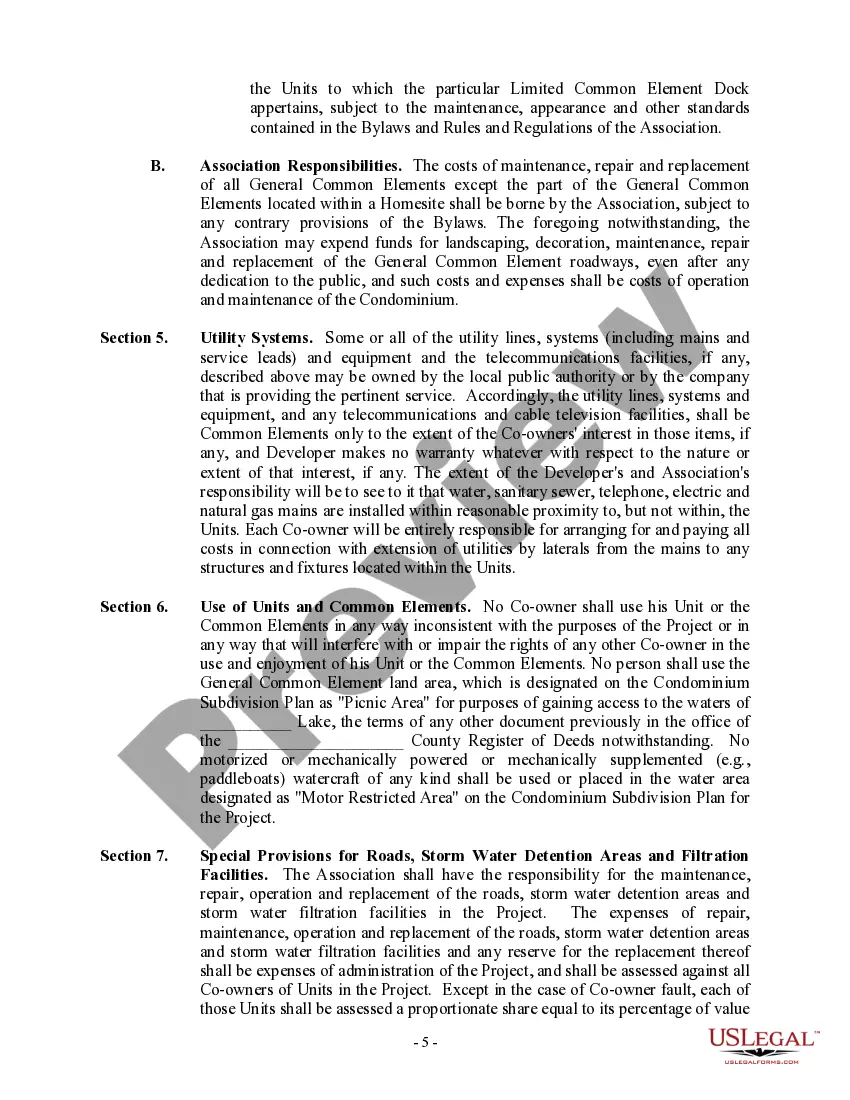
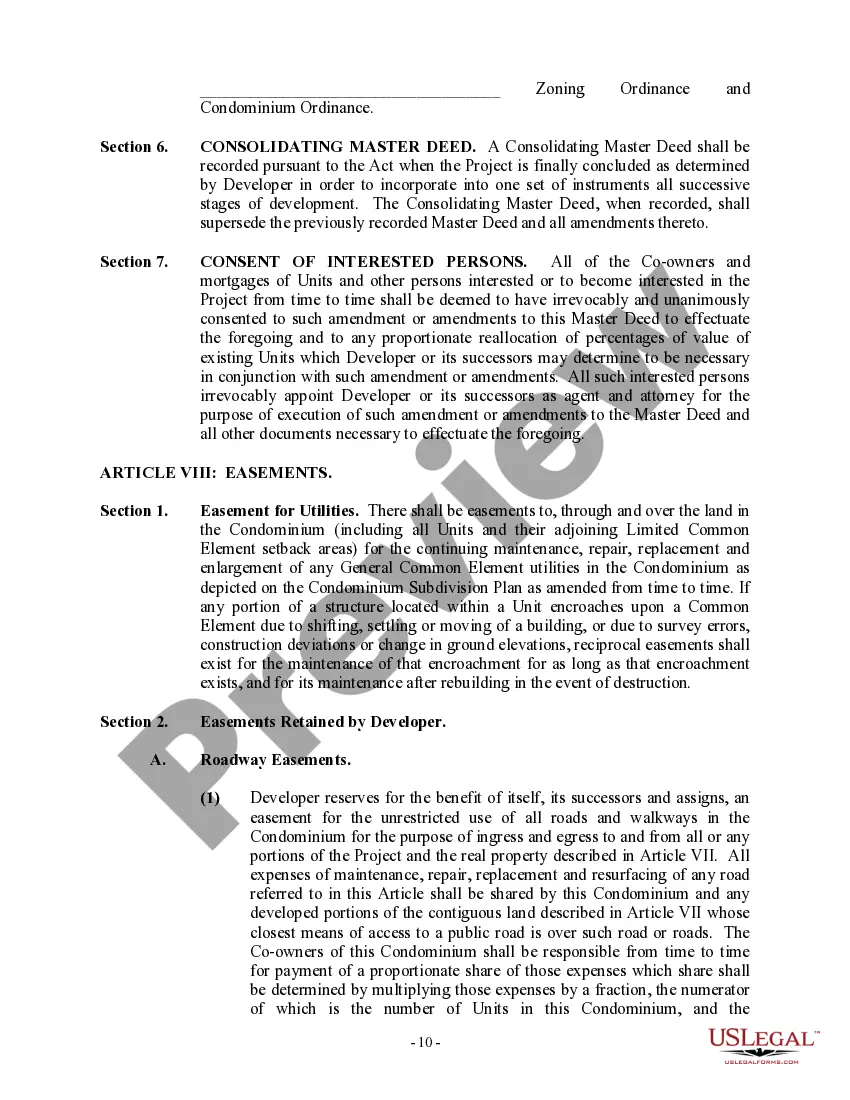
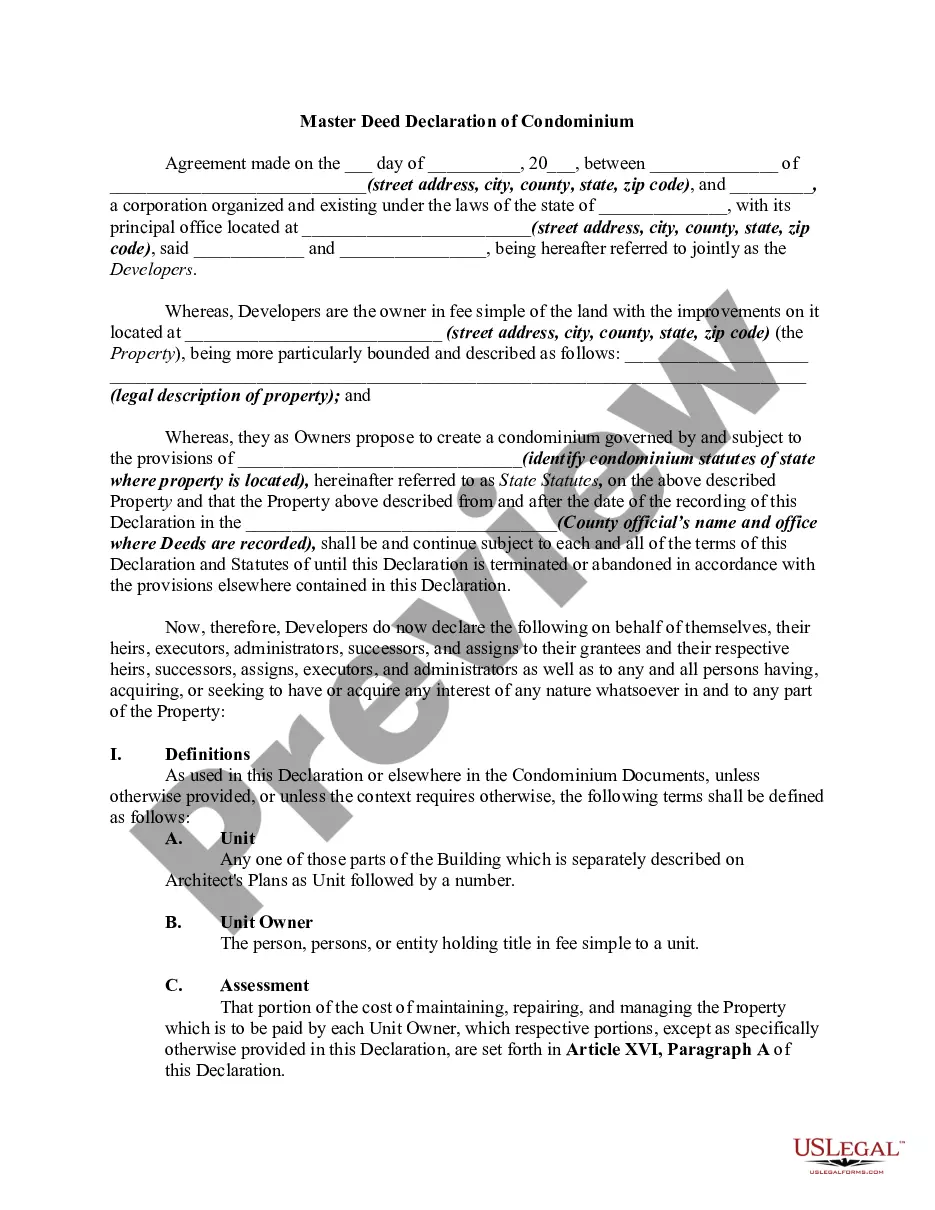
Master Deed/Declaration of Covenants and Restrictions It is filed with the county clerk's office where the community is located and outlines the physical boundaries of the property, including common areas, limited common elements or areas, and individual units/lots.
A condo is short for a “inium.” It is a privately owned unit in a larger building or complex. Condos are usually purchased, not rented, but some people choose to rent out their condo units. The owners can turn residential properties like apartments and houses into condos.
The deed must be signed in ink by the Grantors in the presence of a notary public, with the Grantors' names printed below the signatures. Contrary to popular belief, the Grantors' signatures do not need to be witnessed (other than by a notary). The deed does not need to be signed by the Grantees (buyers).
While it is not legally required to have an attorney, it is highly recommended to consult with a real estate attorney when dealing with deed transfers in New York and New Jersey. An attorney can ensure that the transfer is conducted correctly, protect your interests, and address any legal issues that may arise.
In New Jersey, transferring real property using TOD deeds upon the owner's death isn't permitted by law. Therefore, real estate in the state typically goes through the probate process, unless it's held in a trust or owned jointly with rights of survivorship.
