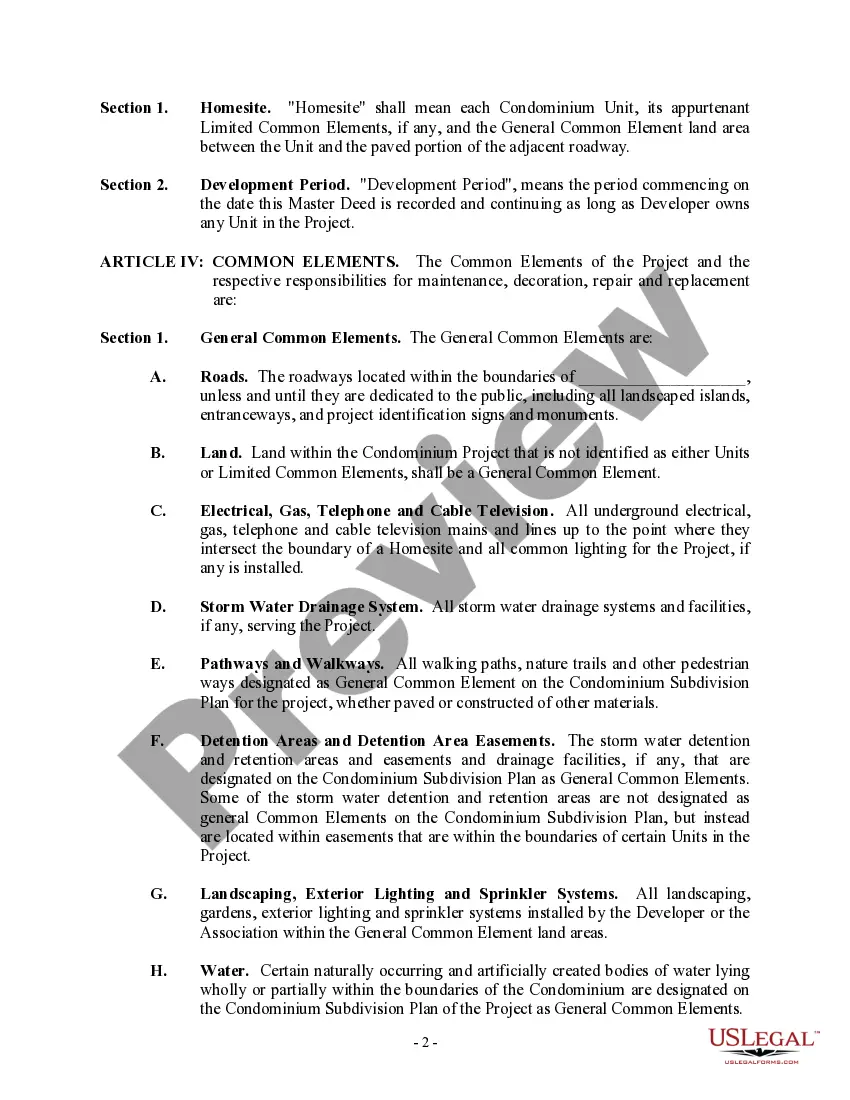
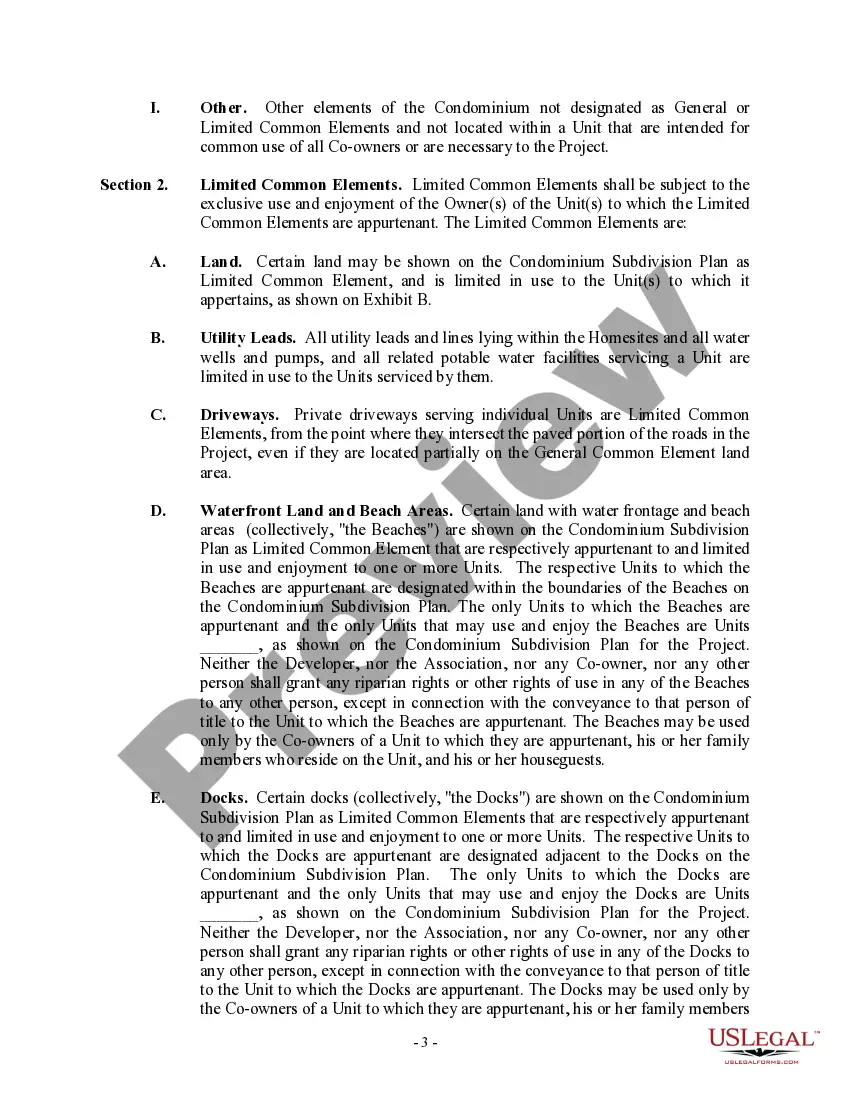
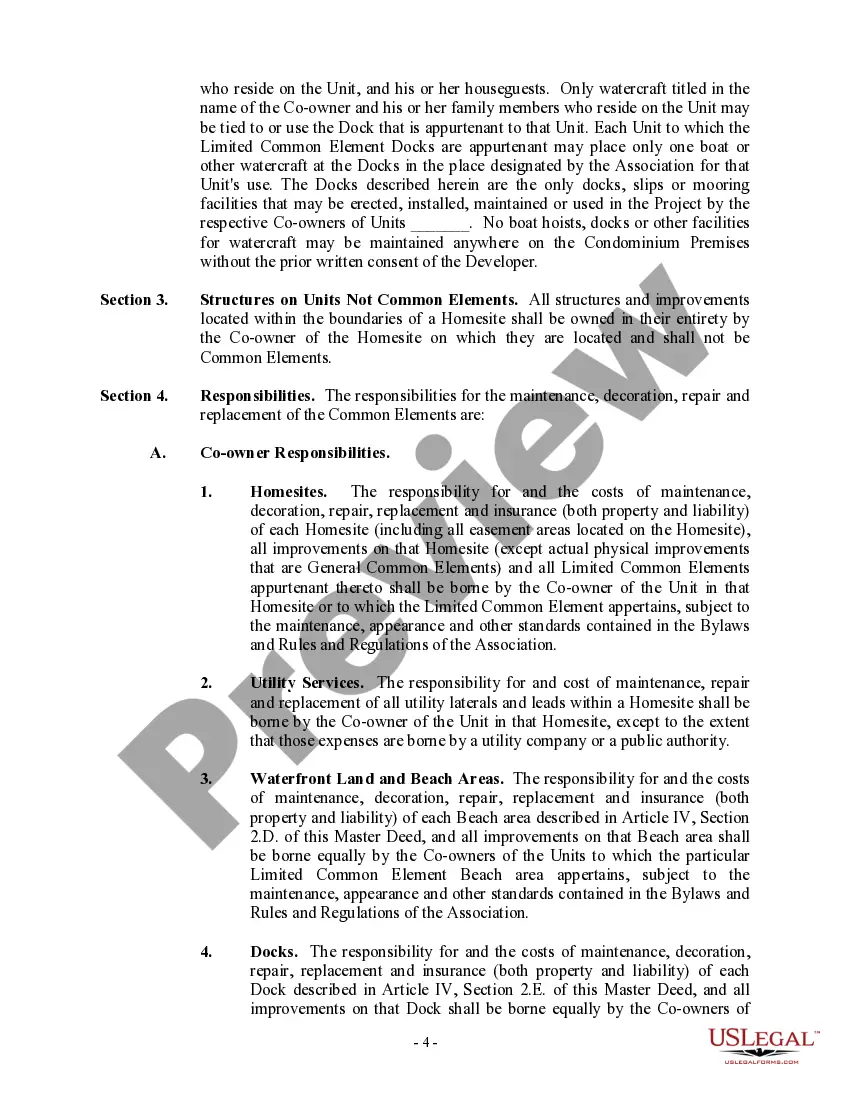
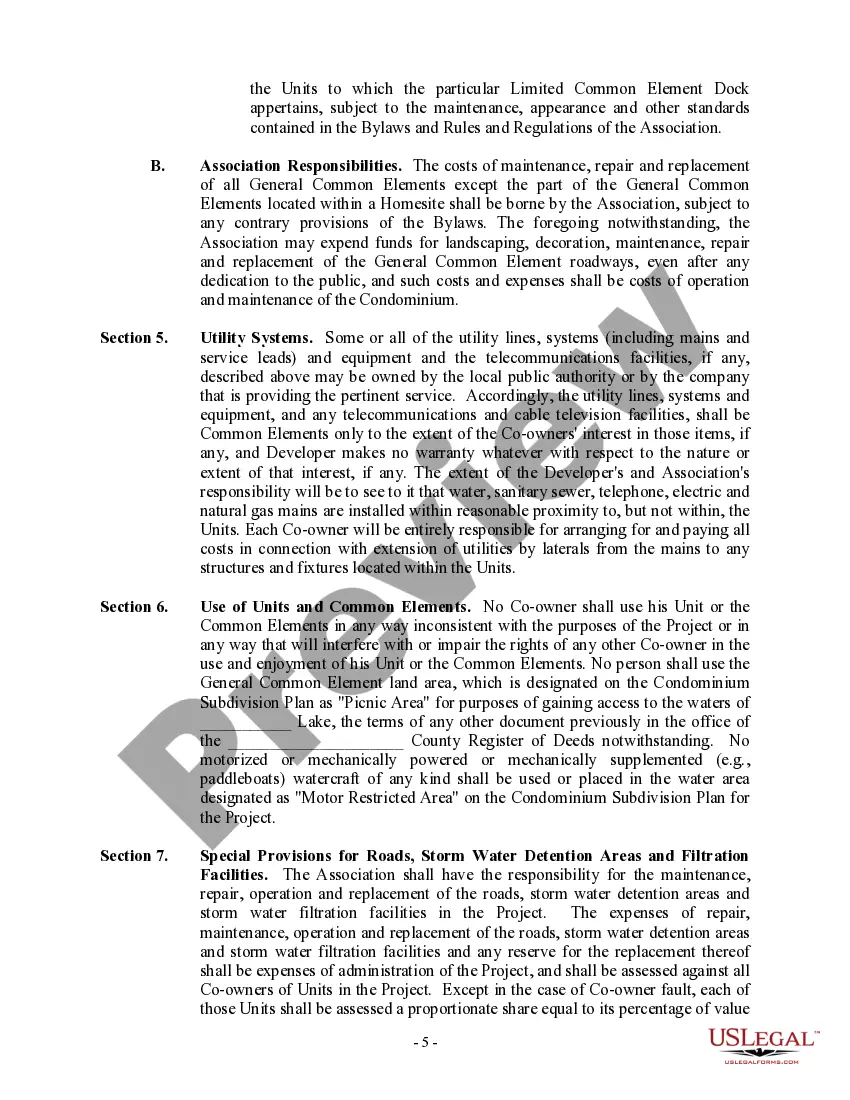
Condominium Common Element For Fraternities And Sororities In Phoenix
Description



Get your form ready online
Our built-in tools help you complete, sign, share, and store your documents in one place.
Make edits, fill in missing information, and update formatting in US Legal Forms—just like you would in MS Word.
Download a copy, print it, send it by email, or mail it via USPS—whatever works best for your next step.
Sign and collect signatures with our SignNow integration. Send to multiple recipients, set reminders, and more. Go Premium to unlock E-Sign.
If this form requires notarization, complete it online through a secure video call—no need to meet a notary in person or wait for an appointment.
We protect your documents and personal data by following strict security and privacy standards.

Make edits, fill in missing information, and update formatting in US Legal Forms—just like you would in MS Word.

Download a copy, print it, send it by email, or mail it via USPS—whatever works best for your next step.

Sign and collect signatures with our SignNow integration. Send to multiple recipients, set reminders, and more. Go Premium to unlock E-Sign.

If this form requires notarization, complete it online through a secure video call—no need to meet a notary in person or wait for an appointment.

We protect your documents and personal data by following strict security and privacy standards.
Looking for another form?





Form popularity
FAQ
Building permits are required for all structures with the exception of a structure that is less than 200 square feet with no electrical, plumbing or mechanical.
R1-6 is a single-family residence district that aims to create stable, functional neighborhoods. In this zoning type, accessory structures can be as close as 3 feet to rear and side property lines and can have a maximum height of 15 feet.
If your structure is less than 120 square feet, you will not require a building permit. Please refer to section 706 of the Zoning Ordinance for full text on accessory structures.
In most residentially, zoning districts, accessory structures can be located in the rear of your property, can be as close as 3 feet to the rear and side property lines, with a maximum height of 15 feet. The building must be 6 feet away from other structures.
Any shed or structure that is greater than 200 square feet requires a building permit. If a storage shed is equal to or under 200 square feet, no permit is required.
The quick and simple answer is: you usually don't need a permit if the shed is 120 square feet or less. In California, most jurisdictions have adopted the 120 square foot rule. If your shed area is larger than 120 square feet, it needs a building permit. If it's less than that, it doesn't.
