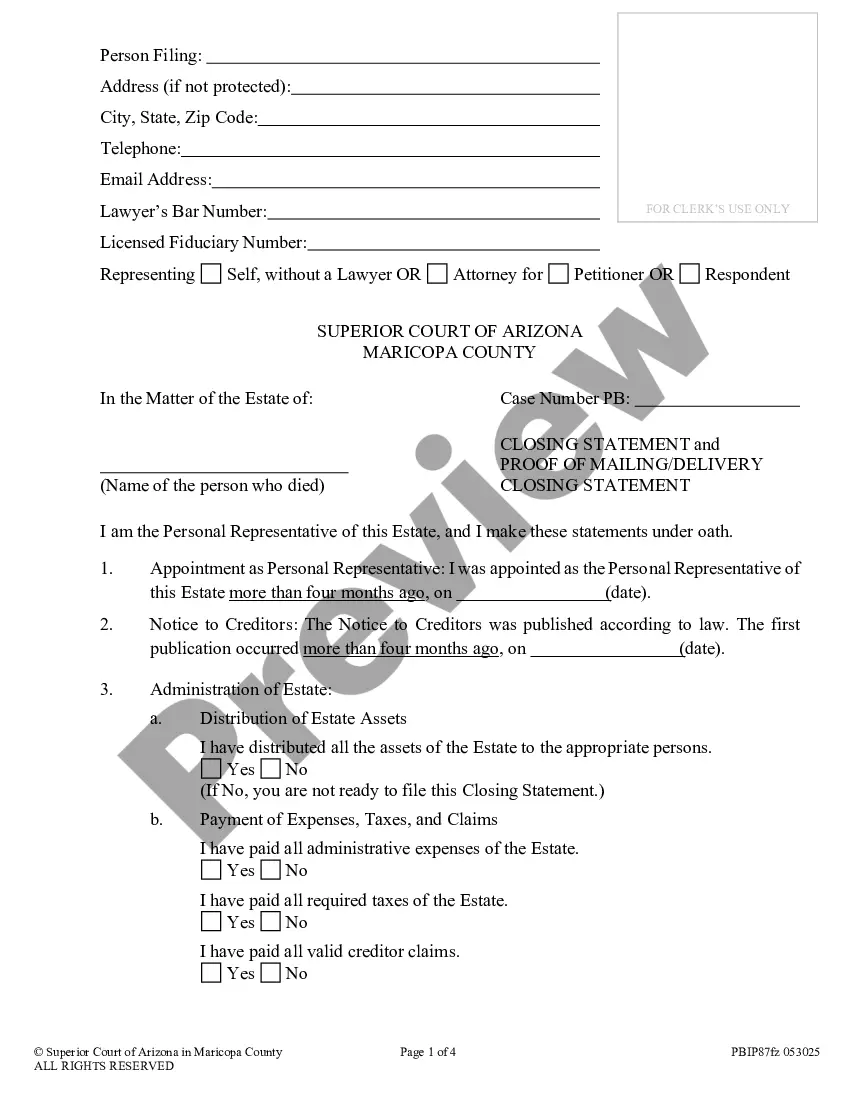
Mississippi Complaint for Declaratory Judgment
What is this form?
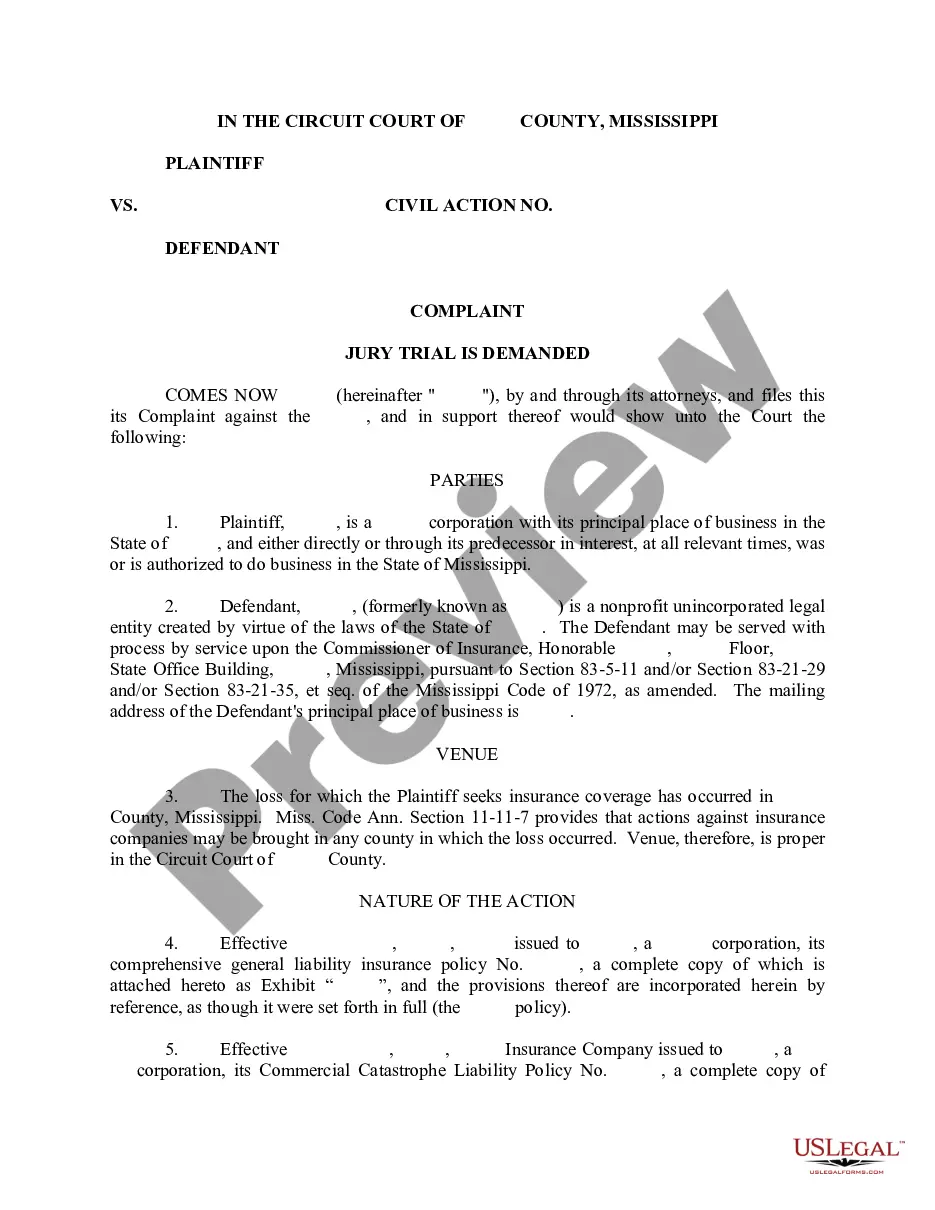
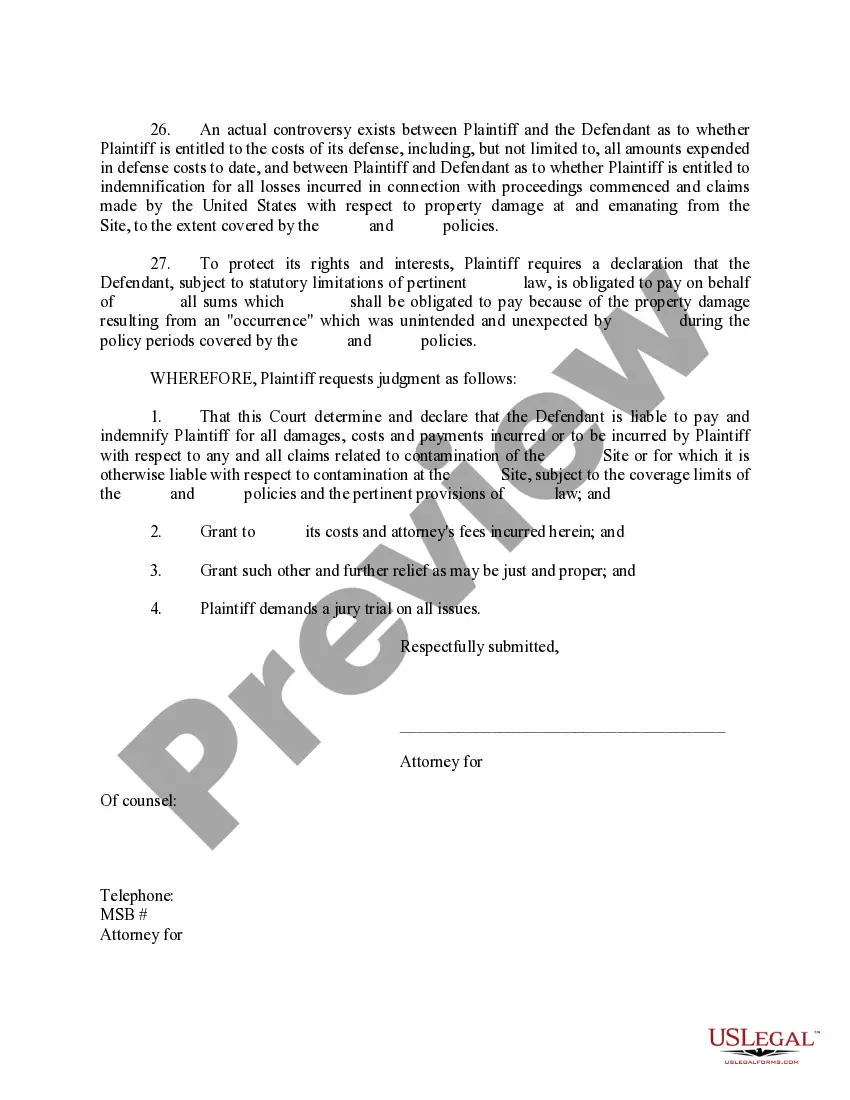
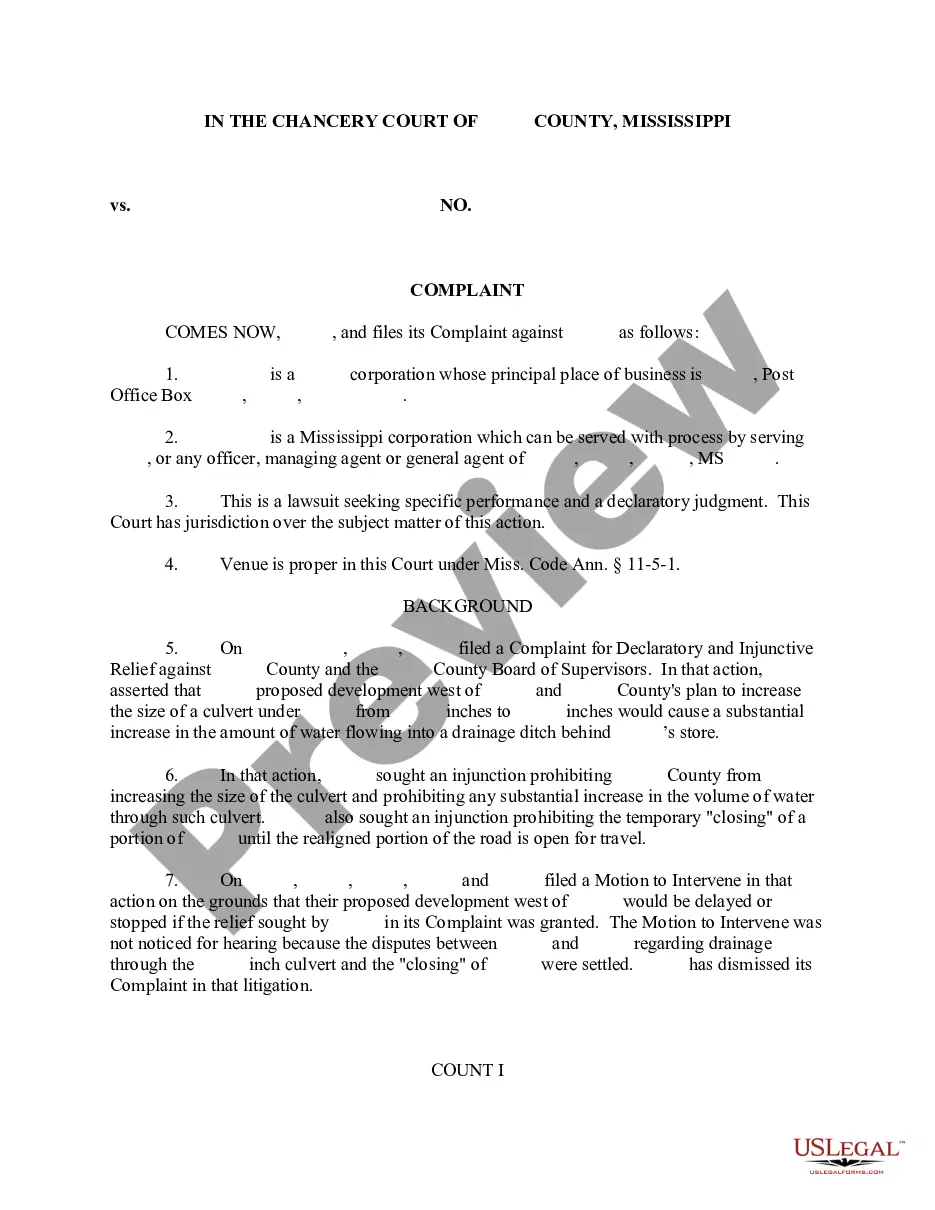
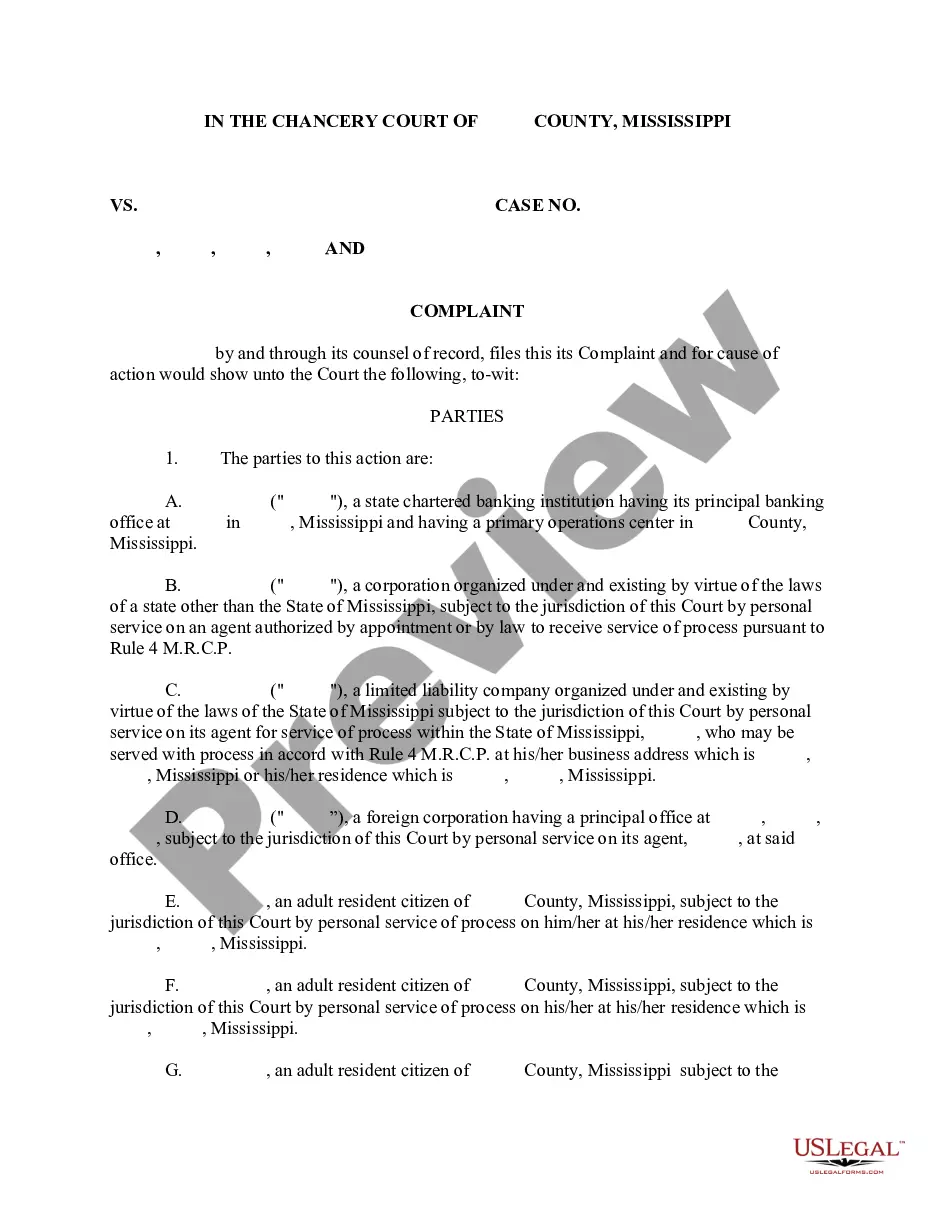
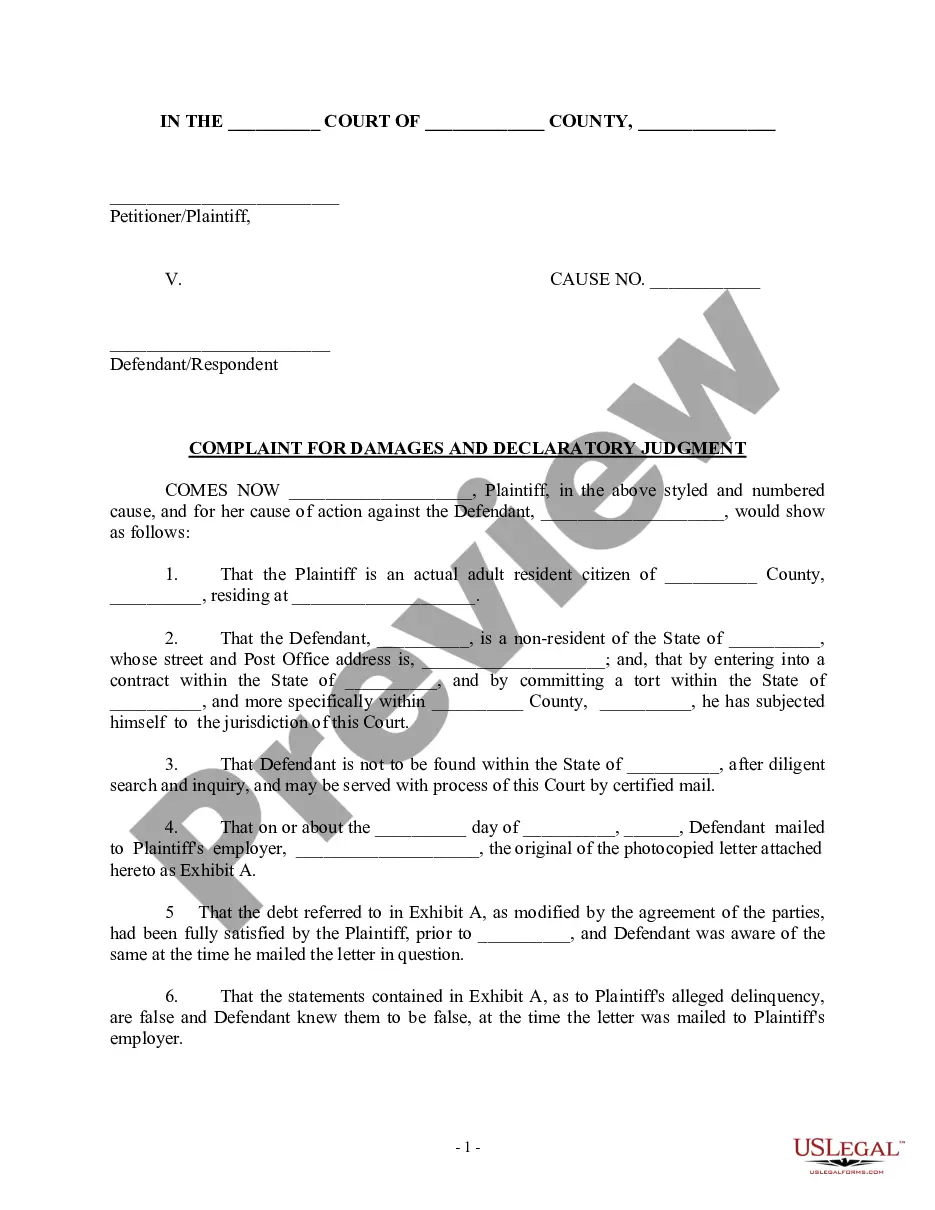
The Complaint for Declaratory Judgment is a legal document that initiates a court action. This form lays out the allegations of the complaining party and states the specific relief sought from the court. Unlike other complaints, this form seeks a declaration from the court regarding the rights or legal status of the parties involved, rather than pursuing damages or punitive actions. This form is essential for individuals or entities needing clarity on legal rights or obligations.
Form components explained
- Caption: Identifies the court, parties, and case number.
- Introduction: States the purpose of the complaint and the basis for jurisdiction.
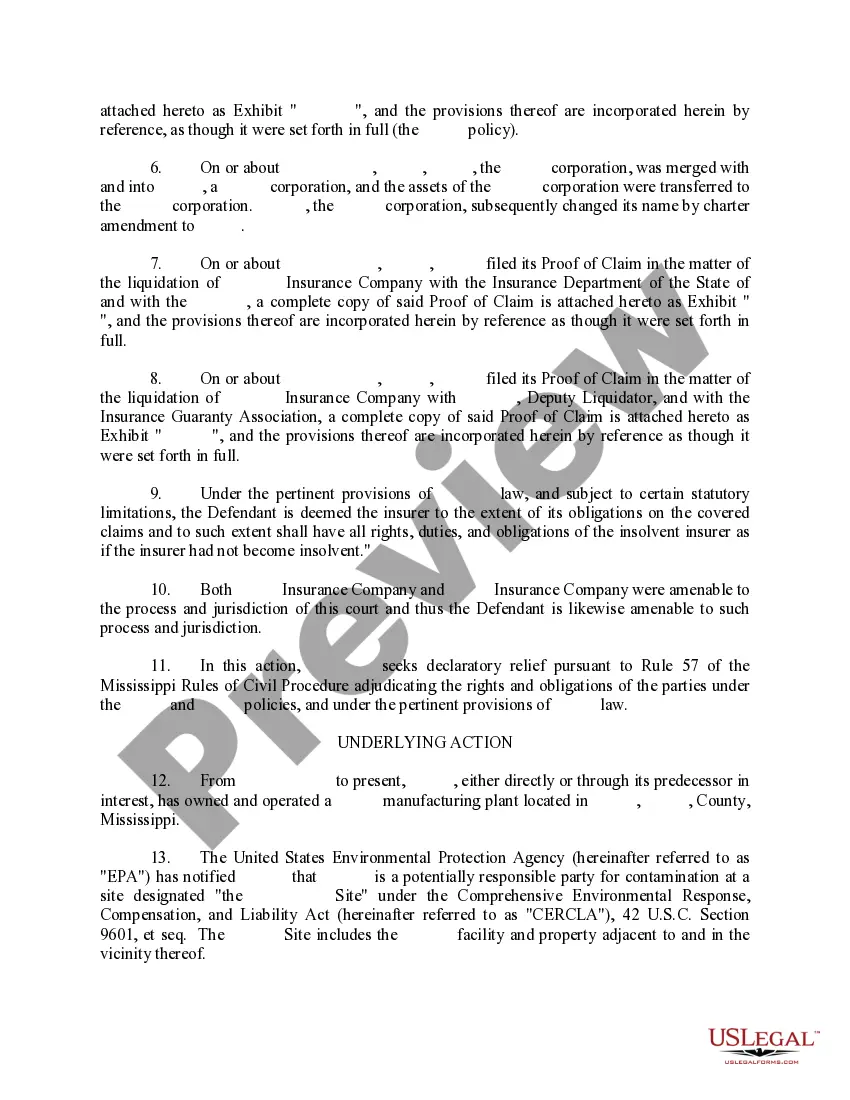
- Allegations: Details the facts and circumstances related to the case.
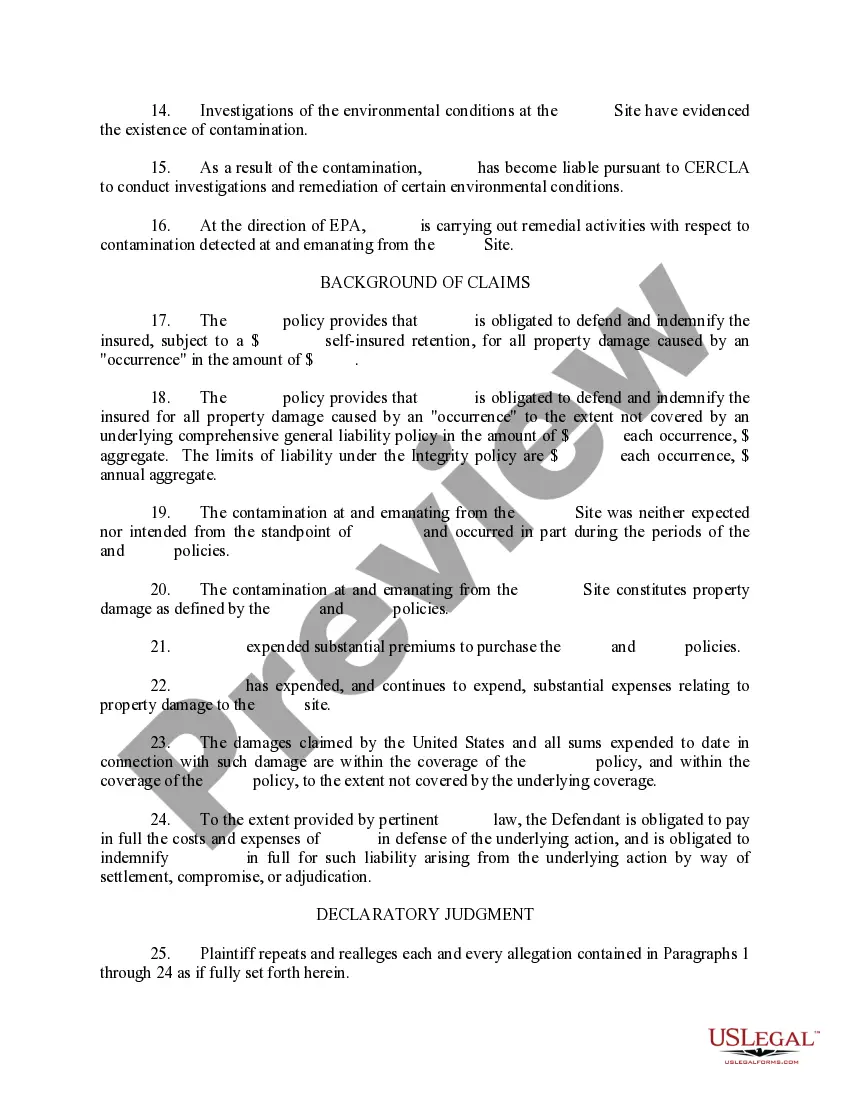
- Relief Sought: Specifies the exact judicial declaration or remedy requested.
- Jury Demand: Indicates whether a jury trial is requested for any issues.


Situations where this form applies
This form should be used when you seek a court's declaration on a specific legal issue affecting your rights or obligations. Examples include disputes over contract interpretations, property rights, or statutory interpretations. It is appropriate when the parties involved agree on the facts but need a legal judgment to clarify their rights.
Who should use this form
- Individuals seeking resolution of legal uncertainties.
- Businesses needing clarification on contractual obligations.
- Parties engaged in disputes that require legal interpretation.
Steps to complete this form
- Identify the parties: Clearly state the names and addresses of all involved parties.
- State the jurisdiction: Include the relevant court and legal basis for jurisdiction.
- Detail the allegations: Describe the facts that led to the dispute succinctly.
- Specify the relief sought: Clearly articulate the specific declaratory relief you are asking the court to provide.
- Include a jury demand: If applicable, state explicitly that you are requesting a jury trial.
Notarization guidance
Notarization is generally not required for this form. However, certain states or situations might demand it. You can complete notarization online through US Legal Forms, powered by Notarize, using a verified video call available anytime.
Get your form ready online
Our built-in tools help you complete, sign, share, and store your documents in one place.
Make edits, fill in missing information, and update formatting in US Legal Forms—just like you would in MS Word.
Download a copy, print it, send it by email, or mail it via USPS—whatever works best for your next step.
Sign and collect signatures with our SignNow integration. Send to multiple recipients, set reminders, and more. Go Premium to unlock E-Sign.
If this form requires notarization, complete it online through a secure video call—no need to meet a notary in person or wait for an appointment.
We protect your documents and personal data by following strict security and privacy standards.

Make edits, fill in missing information, and update formatting in US Legal Forms—just like you would in MS Word.

Download a copy, print it, send it by email, or mail it via USPS—whatever works best for your next step.

Sign and collect signatures with our SignNow integration. Send to multiple recipients, set reminders, and more. Go Premium to unlock E-Sign.

If this form requires notarization, complete it online through a secure video call—no need to meet a notary in person or wait for an appointment.

We protect your documents and personal data by following strict security and privacy standards.
Mistakes to watch out for
- Failing to properly identify all parties involved in the dispute.
- Omitting critical facts or details that support the allegations.
- Not clearly stating the relief sought from the court.
- Inaccuracy in jurisdiction information.
Benefits of using this form online
- Convenient access from any location at any time.
- Editable templates that allow you to customize your complaint.
- Reliability of forms drafted by licensed attorneys.
Quick recap
- The Complaint for Declaratory Judgment is used to clarify legal rights without seeking monetary damages.
- It is suitable for various legal disputes, especially those concerning contracts or property.
- Accurate completion is essential to avoid common mistakes and meet court requirements.
Looking for another form?
Form popularity
FAQ
To Have Standing to Appeal a Declaratory Judgment Action, the Injured Party Must Have a Direct Interest in the Litigation.
The above submissions of counsel for the defendants are the mainstay of the contention for the defendants by their counsel, Chief Benson, S.A.N., that declaratory judgments can sometimes be stayed having accepted, as I understand him to have done, that, generally speaking, declaratory judgments cannot be stayed.
A declaratory judgment is a binding judgment from a court defining the legal relationship between parties and their rights in a matter before the court. Typically, a party will first send a cease and desist letter prior to seeking declaratory judgment from a court.
The grounds for a cause of action for declaratory relief are codified in Code of Civil Procedure § 1060, which provides in part as follows: Any person interested under a written instrument, . . . or under a contract, or who desires a declaration of his or her rights or duties with respect to another, . . .
A declaratory judgment is a binding judgment from a court defining the legal relationship between parties and their rights in a matter before the court. Typically, a party will first send a cease and desist letter prior to seeking declaratory judgment from a court.A declaratory judgment is also called a declaration.
Declaratory relief refers to a court's judgment stating the rights of parties without ordering any specific action or listing awards for damages. When a party is requesting a declaratory judgment, the party is seeking an official declaration regarding the status of the controversy in issue.
The Court clarified that declaratory judgment jurisdiction required disputes to be 'definite and concrete, touching the legal relations of the parties having adverse legal interests'; and that it be 'real and substantial' and 'admit of specific relief through a decree of a conclusive character, as distinguished from
The declaratory judgment is generally considered a statutory remedy and not an equitable remedy in the United States, and is thus not subject to equitable requirements, though there are analogies that can be found in the remedies granted by courts of equity.
A court-issued declaratory judgment outlines the rights and responsibilities of each involved party. This judgment does not require action or award damages. It helps to resolve disputes and prevent lawsuits.