Master Deed For A Condominium In Dallas
Description

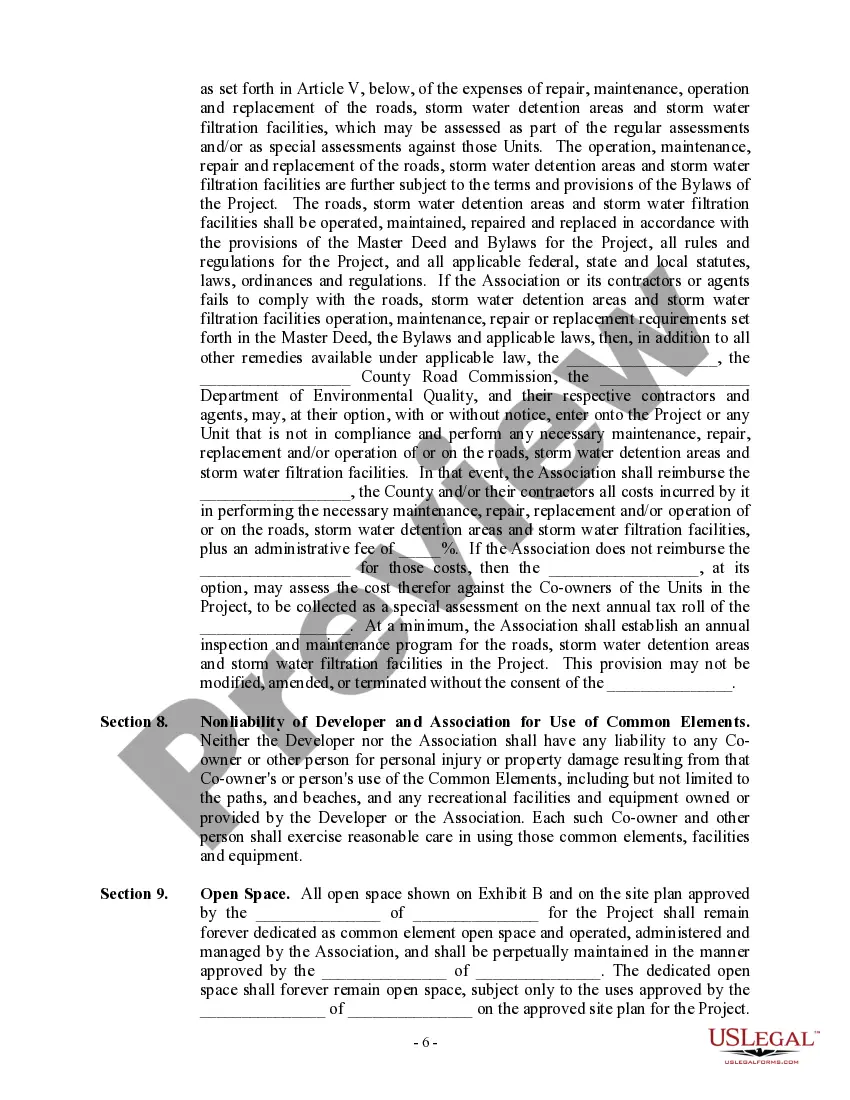
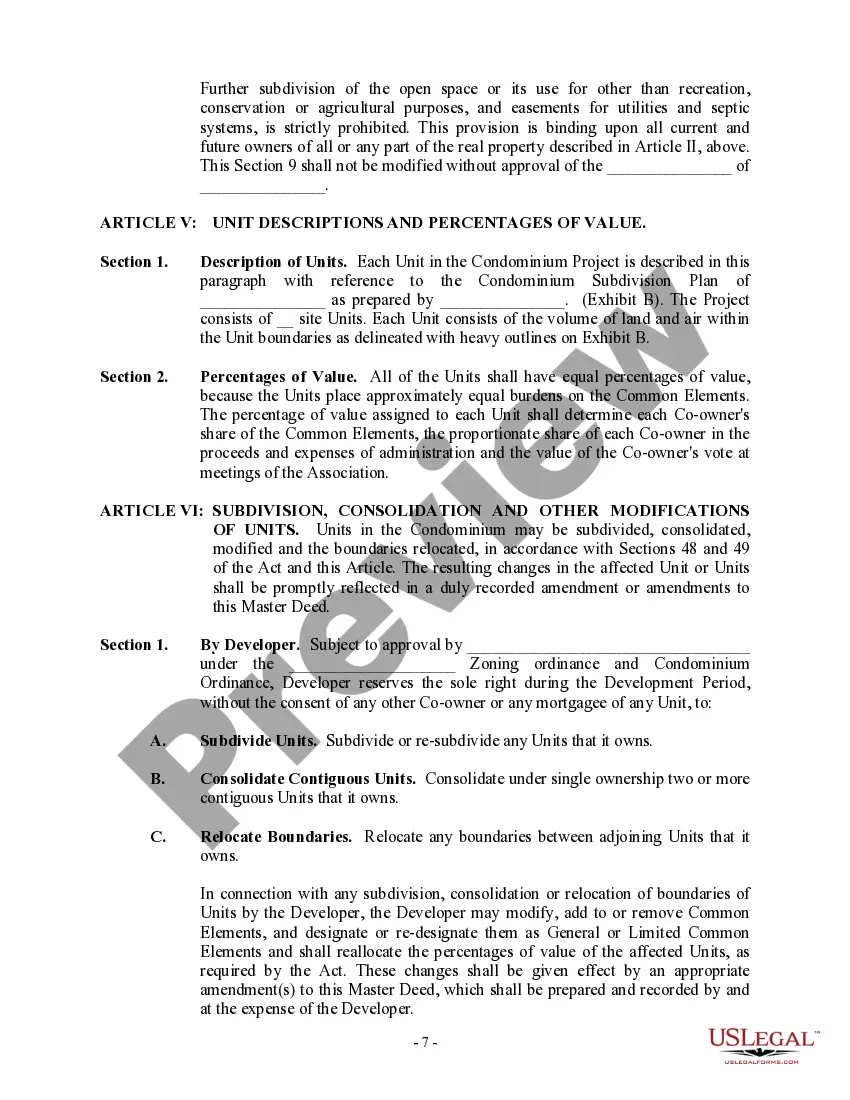
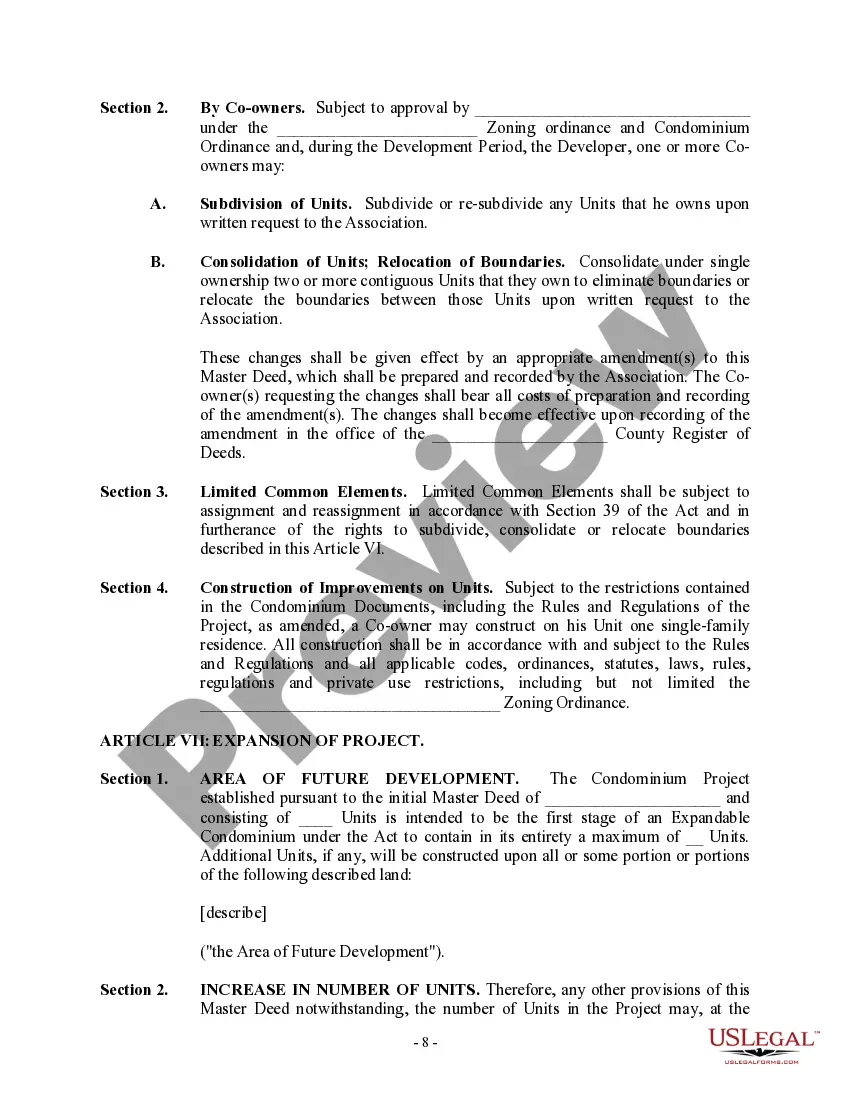
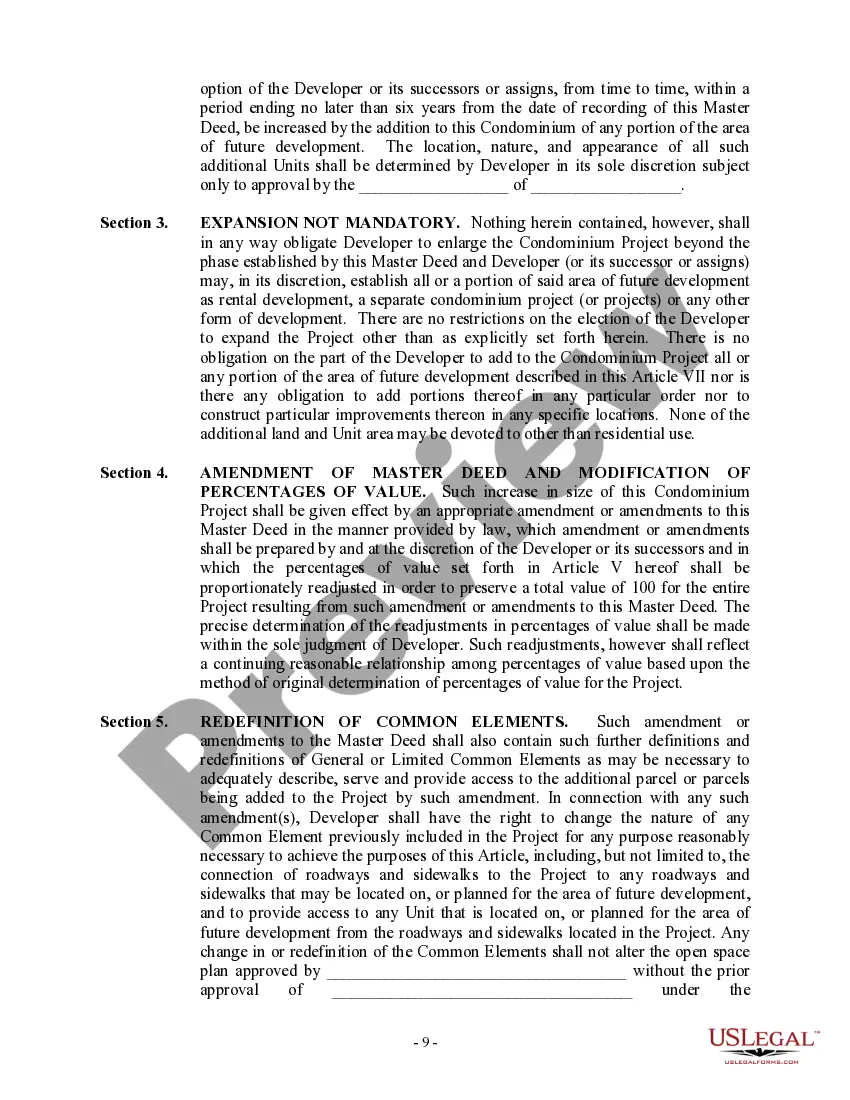
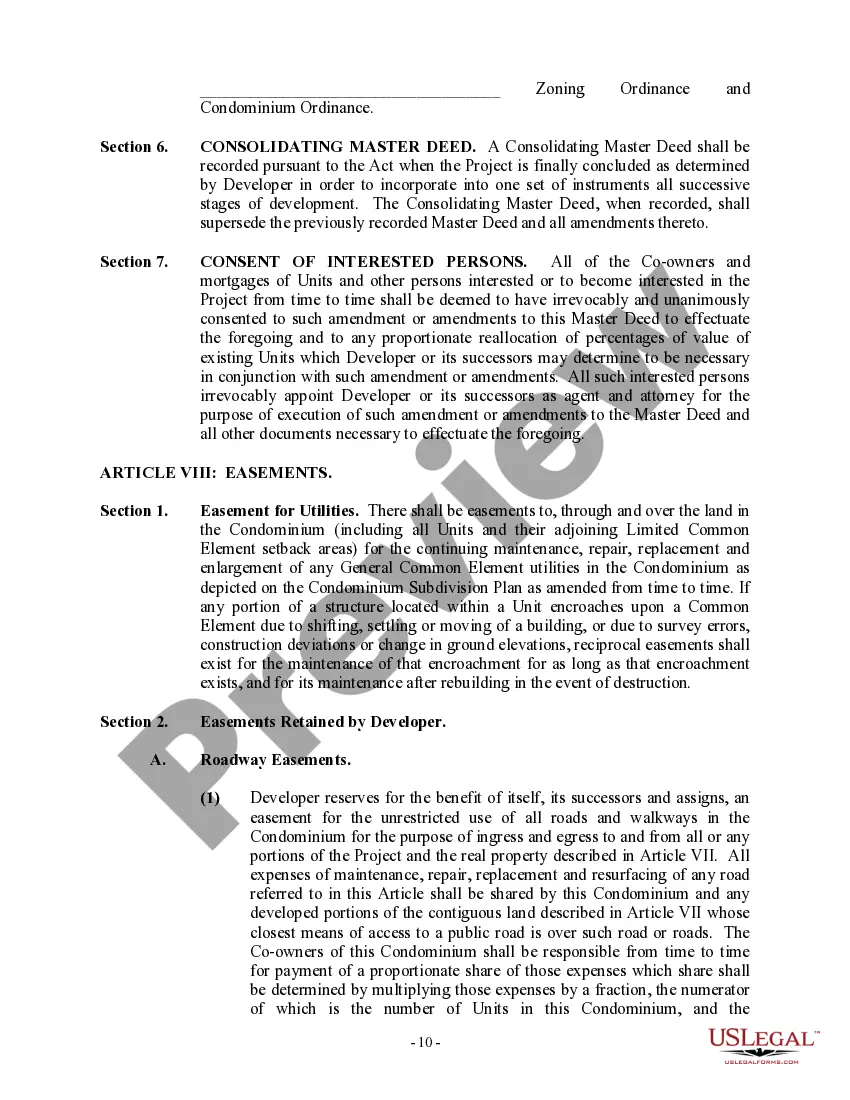


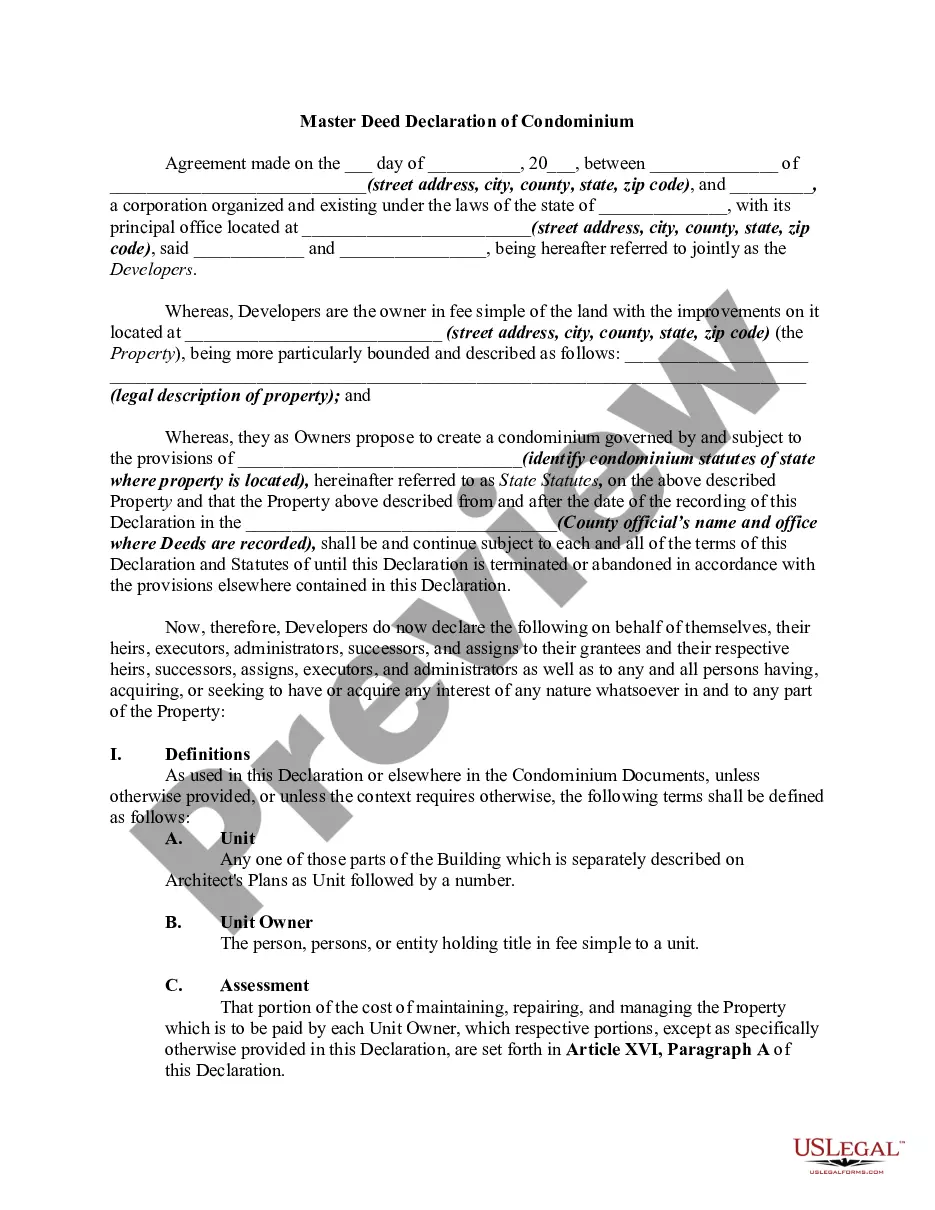
Get your form ready online
Our built-in tools help you complete, sign, share, and store your documents in one place.
Make edits, fill in missing information, and update formatting in US Legal Forms—just like you would in MS Word.
Download a copy, print it, send it by email, or mail it via USPS—whatever works best for your next step.
Sign and collect signatures with our SignNow integration. Send to multiple recipients, set reminders, and more. Go Premium to unlock E-Sign.
If this form requires notarization, complete it online through a secure video call—no need to meet a notary in person or wait for an appointment.
We protect your documents and personal data by following strict security and privacy standards.

Make edits, fill in missing information, and update formatting in US Legal Forms—just like you would in MS Word.

Download a copy, print it, send it by email, or mail it via USPS—whatever works best for your next step.

Sign and collect signatures with our SignNow integration. Send to multiple recipients, set reminders, and more. Go Premium to unlock E-Sign.

If this form requires notarization, complete it online through a secure video call—no need to meet a notary in person or wait for an appointment.

We protect your documents and personal data by following strict security and privacy standards.
Looking for another form?






Form popularity
FAQ
The inium declaration, also called a master deed or master lease, is recorded in the public records, binding all current and future condo owners to its terms and conditions. It includes restrictive covenants on inium owners that regulate the use of both common areas and private inium units.
The property ownership structures for iniums come in a variety of forms. So let's find the main differences between these two common types of condo ownership in the Philippines, namely: Freehold and Leasehold Ownership.
Final answer: The correct option is a: individually owned units and jointly owned common areas identified by reference to a declaration. The essential characteristics of inium ownership include individually owned units and jointly owned common areas identified by a declaration.
In the US deeds are recorded by a Register of Deeds.. usually there is a Register of Deeds for each county. So contact the county where the real property is located and ask for the register of deeds. You may have to search their records.
Expert-Verified Answer. The best description of inium ownership is that the space inside the unit belongs to the unit owner, while all owners share ownership of the common elements.
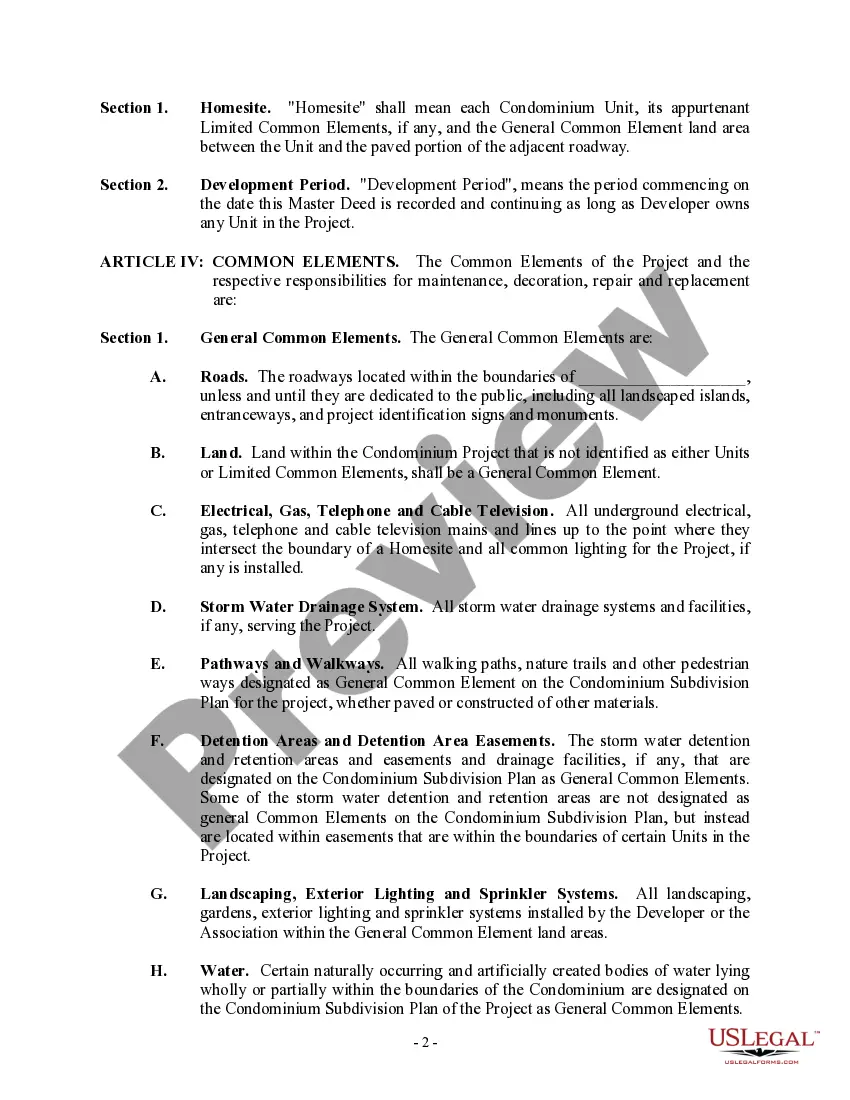
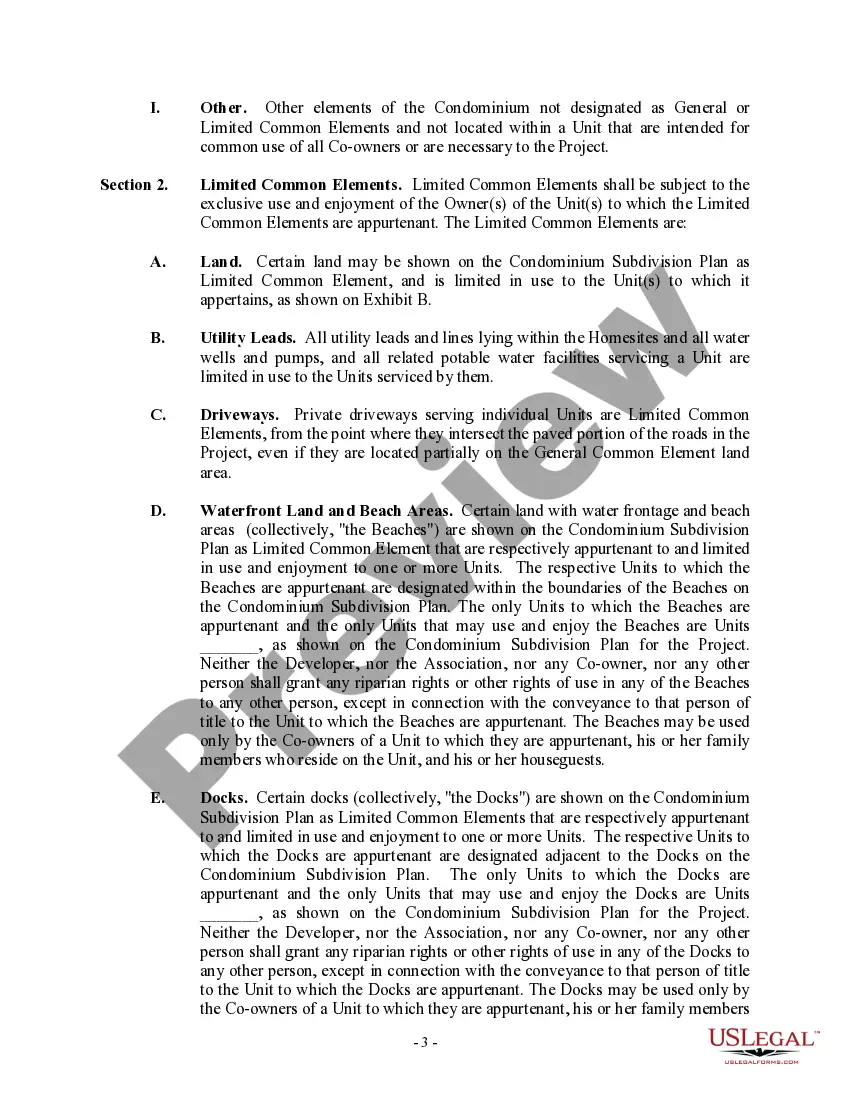
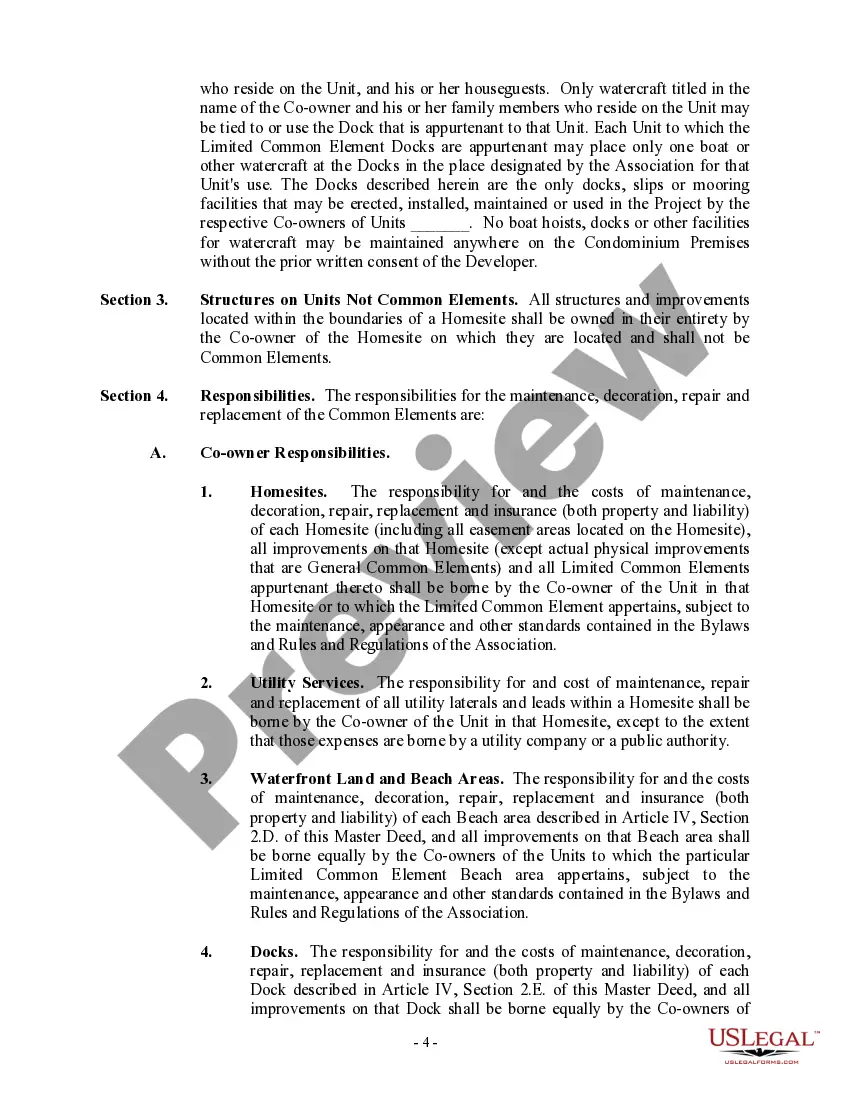
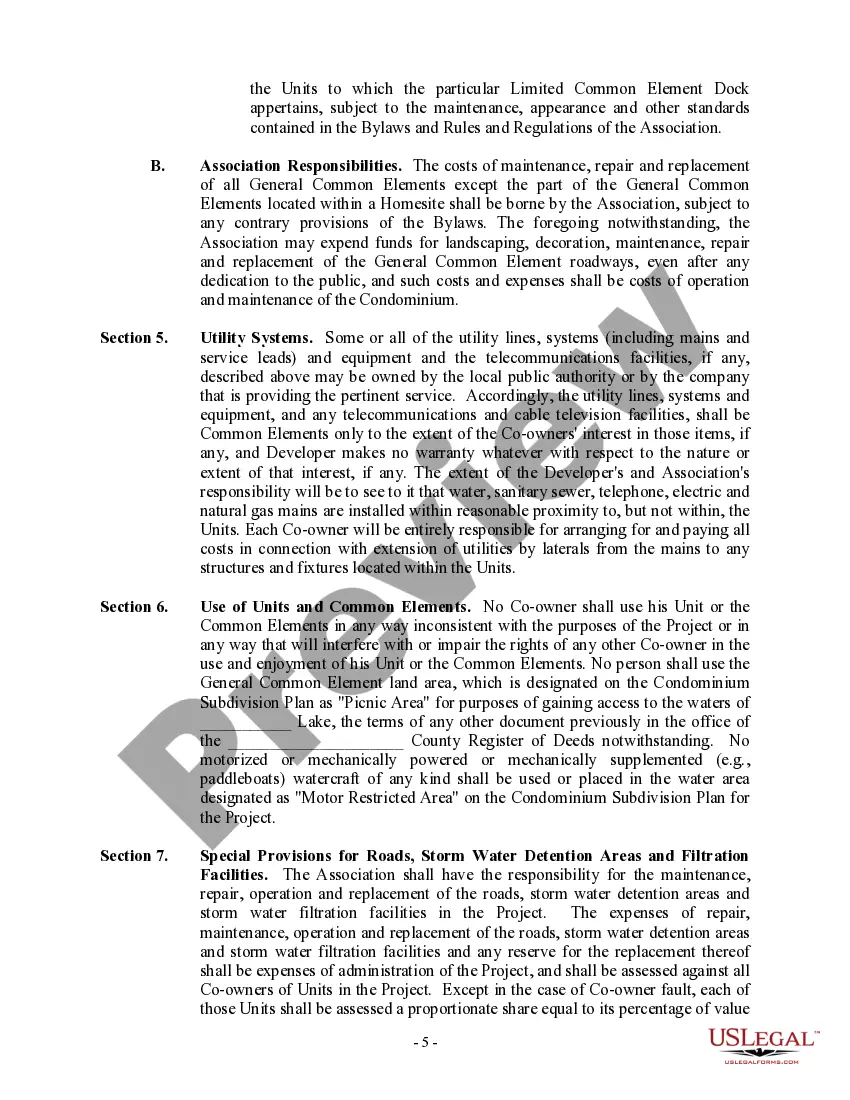
The master deed defines the specifics of the condo association, the development, what is to be built, how it is to be managed, as well as who is responsible for what elements of the development. The master deed is the over arching. document that defines much of the development.
You'll need to start by getting your hands on a copy of your current deed to know exactly what you're working with. Once you've got that deed, you'll need to prepare a new one that includes the name of the person you're adding. This is where you'll decide on the type of ownership that best suits your situation.
Potential for Legal Disputes Beneficiaries may challenge the deed if they believe the grantor was unduly influenced or lacked the mental capacity to execute the deed. In some cases, disputes can arise if the grantor decides to sell the property or change the beneficiary after the deed has been executed.
Gift deeds in Texas are legal documents that transfer property ownership but must meet specific requirements: they must be written, signed, describe the property, and be delivered. The grantor must intend to immediately give up all control of the property, and the grantee must accept the gift.
Here are the steps to follow when transferring property ownership in Texas legally: Step 1: Prepare the Deed. The first step is to prepare the deed, but what's the difference between a title vs. Step 2: Sign the Deed. Step 3: Record the Deed. Step 4: Update Property Records.
