Rules For Condo Owners In Travis
Description

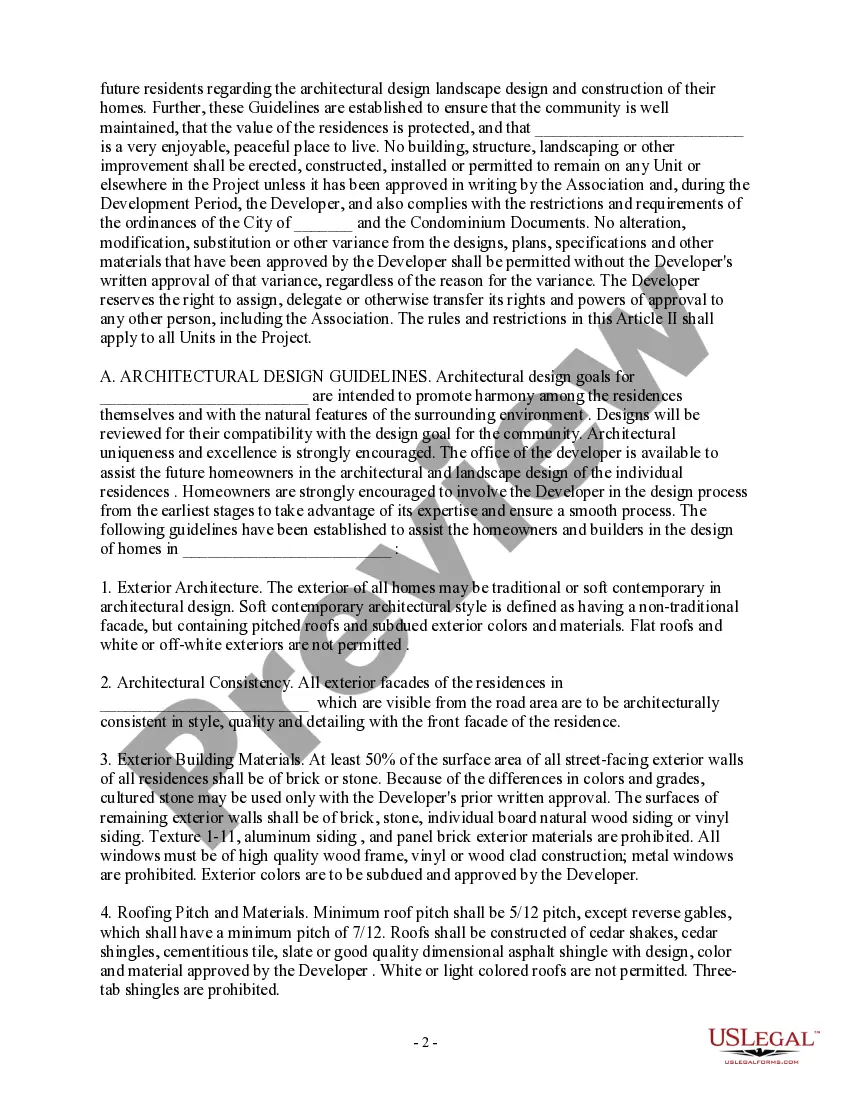
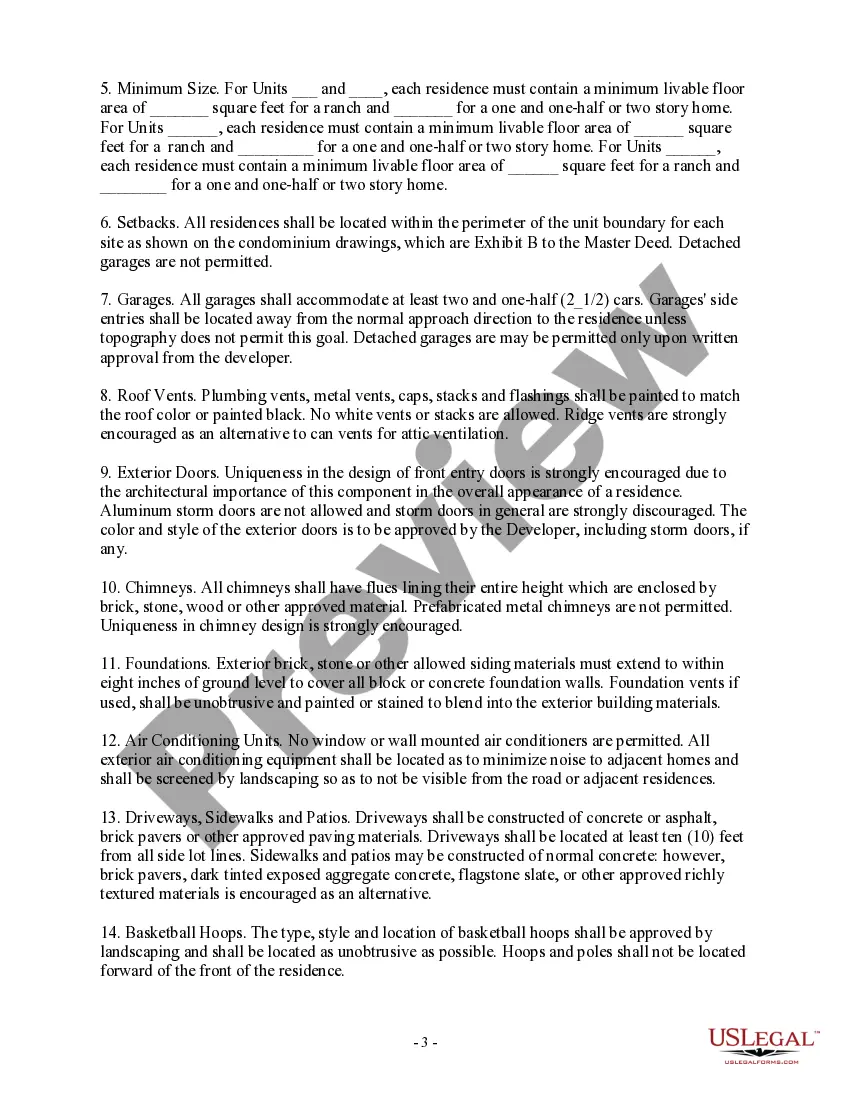
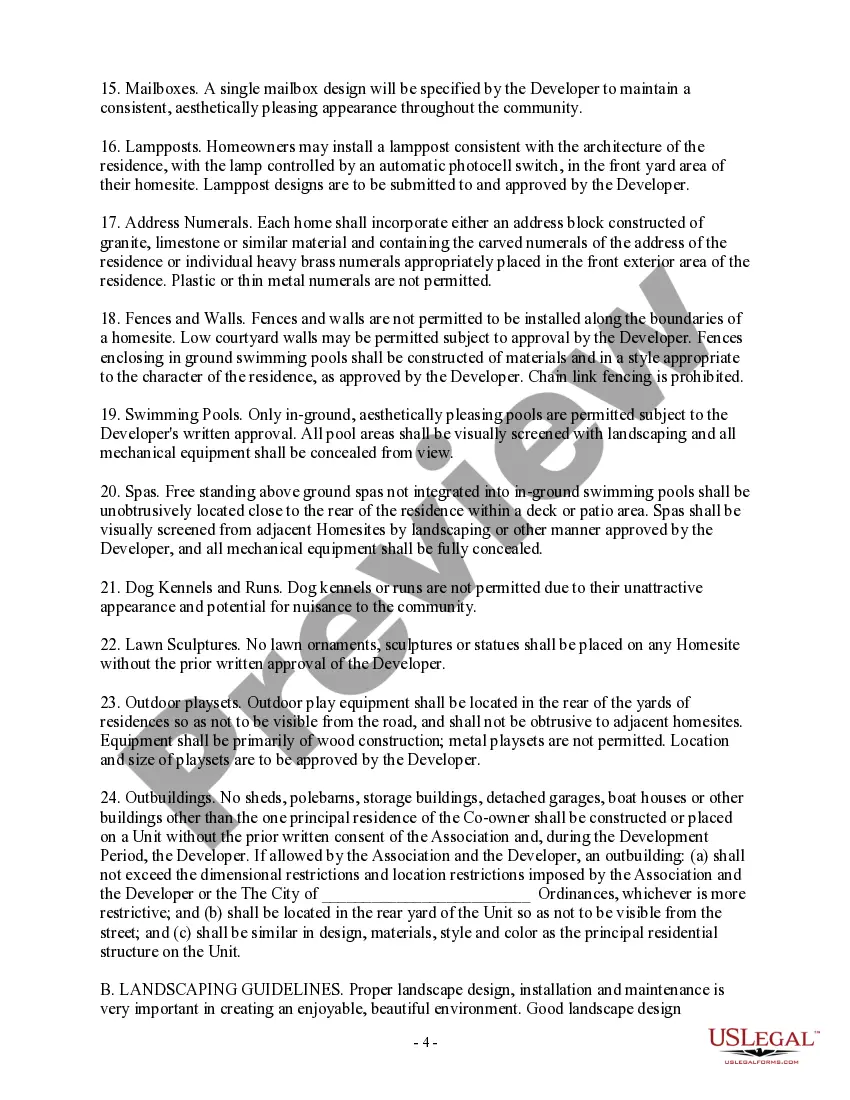
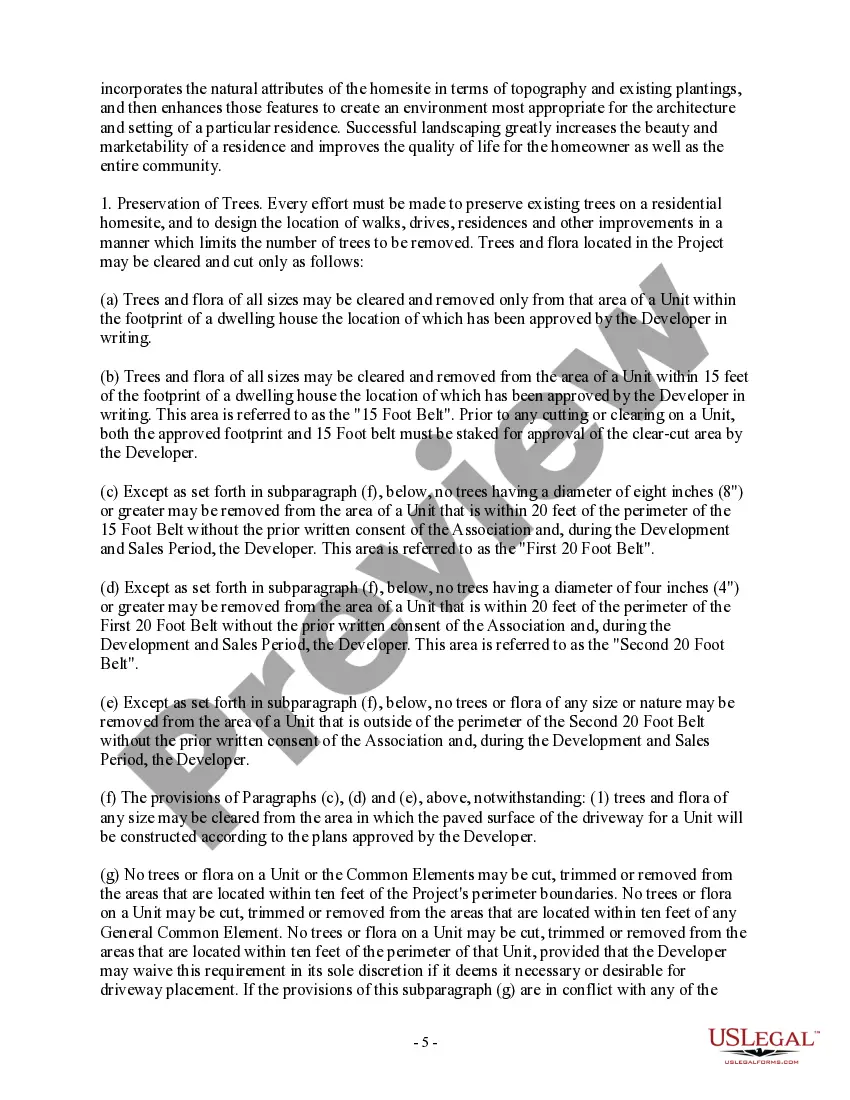


Get your form ready online
Our built-in tools help you complete, sign, share, and store your documents in one place.
Make edits, fill in missing information, and update formatting in US Legal Forms—just like you would in MS Word.
Download a copy, print it, send it by email, or mail it via USPS—whatever works best for your next step.
Sign and collect signatures with our SignNow integration. Send to multiple recipients, set reminders, and more. Go Premium to unlock E-Sign.
If this form requires notarization, complete it online through a secure video call—no need to meet a notary in person or wait for an appointment.
We protect your documents and personal data by following strict security and privacy standards.

Make edits, fill in missing information, and update formatting in US Legal Forms—just like you would in MS Word.

Download a copy, print it, send it by email, or mail it via USPS—whatever works best for your next step.

Sign and collect signatures with our SignNow integration. Send to multiple recipients, set reminders, and more. Go Premium to unlock E-Sign.

If this form requires notarization, complete it online through a secure video call—no need to meet a notary in person or wait for an appointment.

We protect your documents and personal data by following strict security and privacy standards.
Looking for another form?








Form popularity
FAQ
REQUIRED DOCUMENTATION Attach a copy of each property owner's driver's license or state-issued personal identification certificate. The address listed on the driver's license or state-issued personal identification certificate must correspond to the property address for which the exemption is requested.
In Texas, there is a standard homestead exemption that is offered by public school districts for primary residences. Before November 2023, this amount was $40,000; however, a constitutional amendment has more than doubled the amount to a generous $100,000. This exemption reduces the taxable value of your property.
Per the Texas Comptroller, the completed application and required documentation are due no later than April 30 of the tax year for which you are applying. A late homestead exemption application, however, may be filed up to two years after the delinquency date, which is usually Feb. 1. 8.
Physical Address Changes within the City of Austin or Travis County can be requested by phone at 512-974-2797, online service form or email at addressing@austintexas. A change of address may be initiated by a property owner or the Address Management Services office.
For persons age 65 or older or disabled, Tax Code Section 11.13(c) requires school districts to provide an additional $10,000 residence homestead exemption. Tax Code Section 11.13(d) allows any taxing unit to adopt a local option residence homestead exemption. This local option exemption cannot be less than $3,000.
The Online Services Portal is available to ALL owners that would like to conduct business with the Appraisal District electronically. This service includes filing an exemption on your residential homestead property, submitting a Notice of Protest, and receiving important notices and other information online.
To form an HOA in Texas, one initiates the creation of a nonprofit corporation in alignment with the Texas Nonprofit Corporation Act. This act specifies the legal framework for nonprofit entities, including HOAs. The process begins with articles of incorporation, which must be filed with the Texas Secretary of State.
TO VERIFY. Your verification must include a valid Texas driver's license or ID card with an address that matches your property. Action on your verification will occur within 90 days from the date it is received.
Section 105 of the Palm Beach County Amendments to the Florida Building Code requires permits for most construction-related work. Various improvements to real property may not require a Building permit or Zoning review.
482.229 Design Requirements: Impervious Cover Impervious cover shall not exceed fifteen percent (15%) of the property's acreage for single family and duplex residential development and forty-five percent (45%) for commercial development in a preferred commercial development area.
