Bylaws For Condo Association In Suffolk
Description

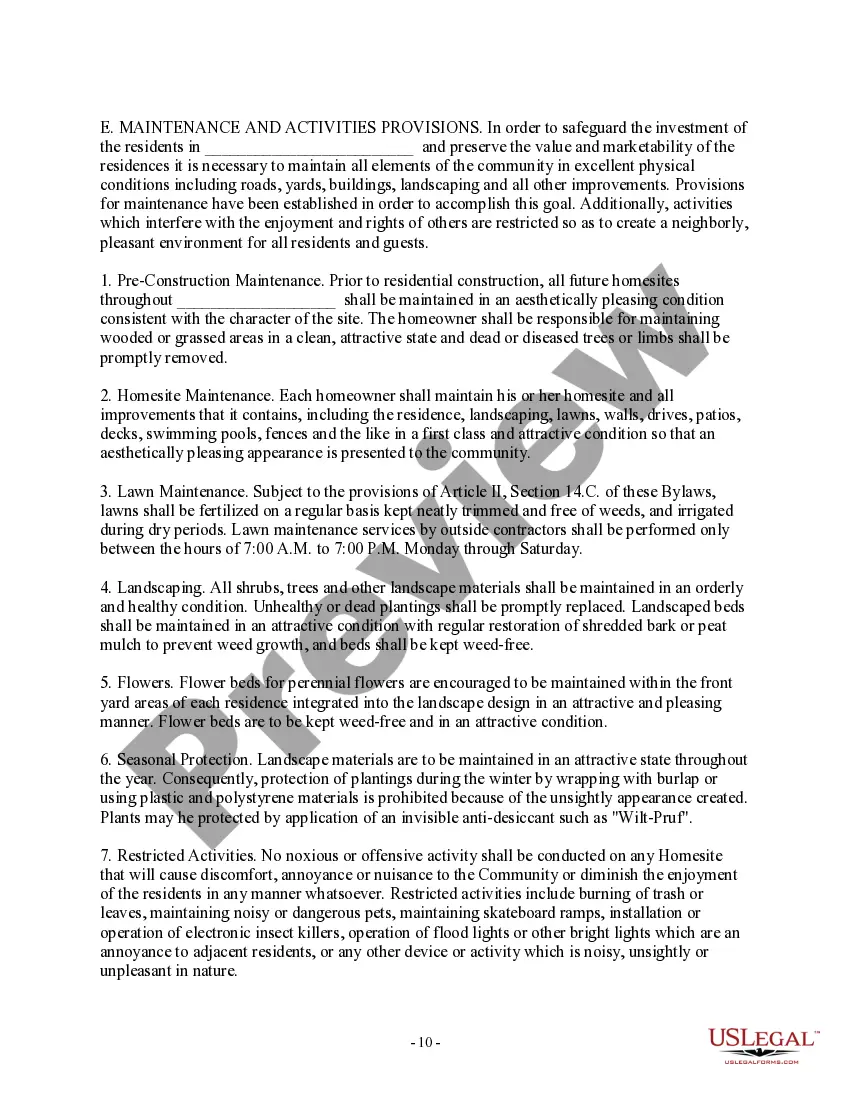


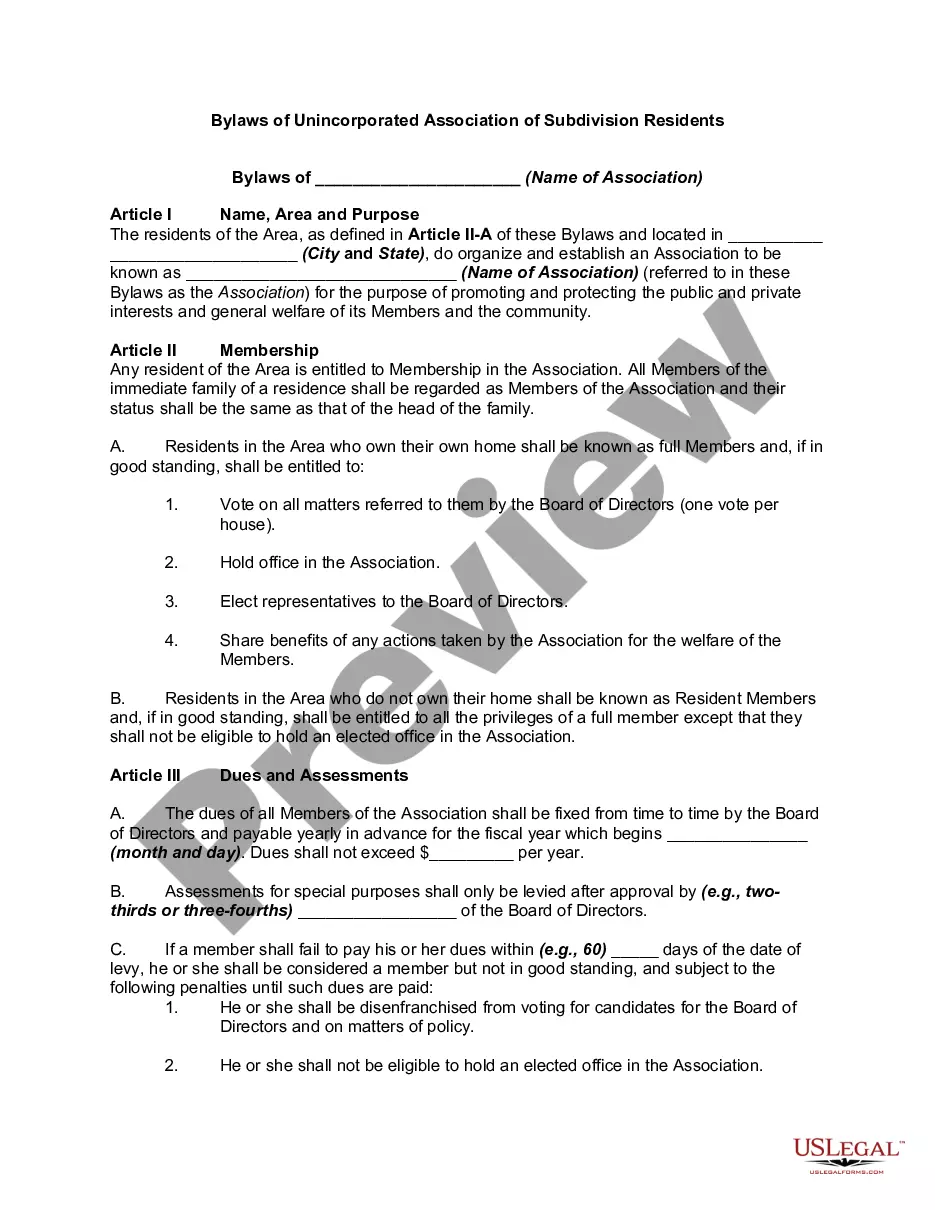
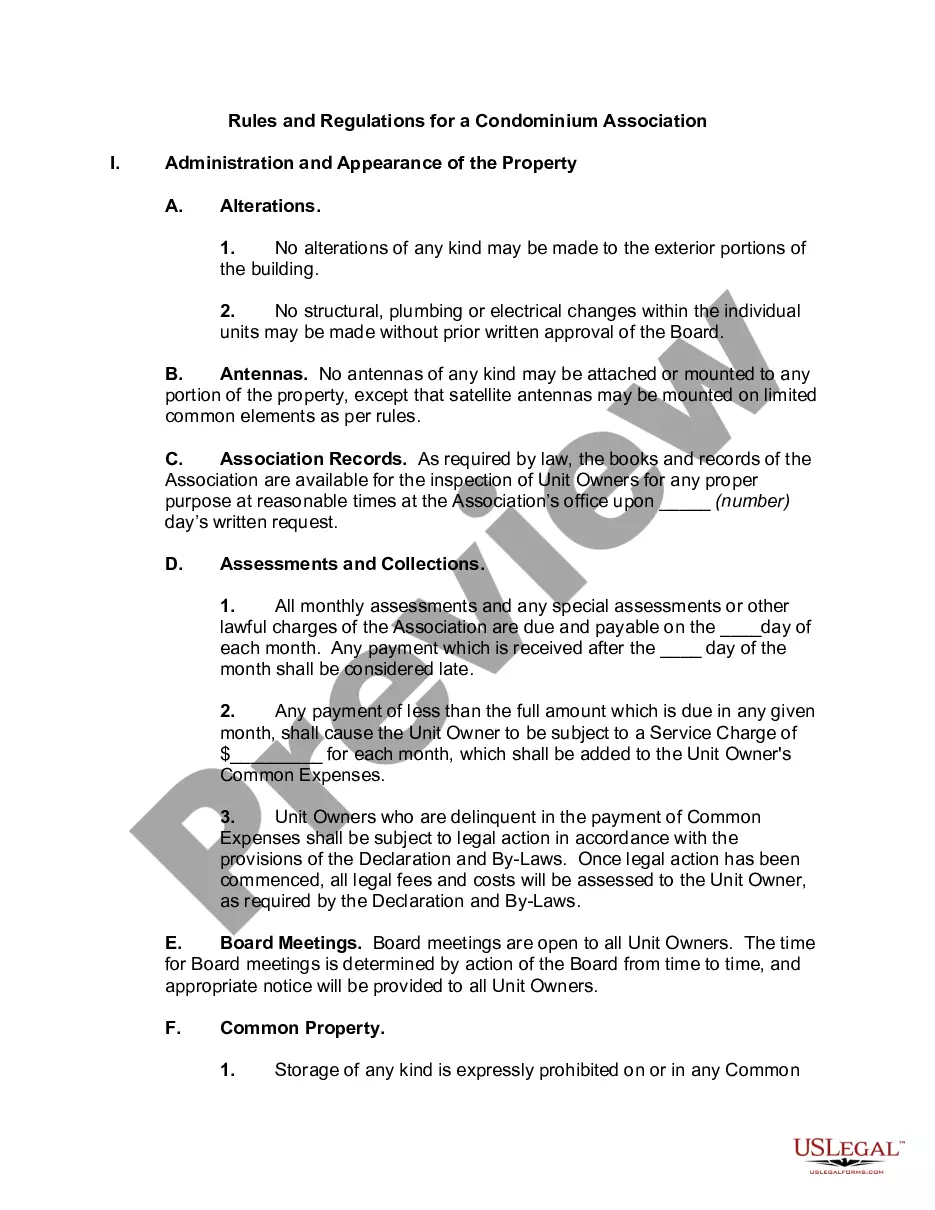
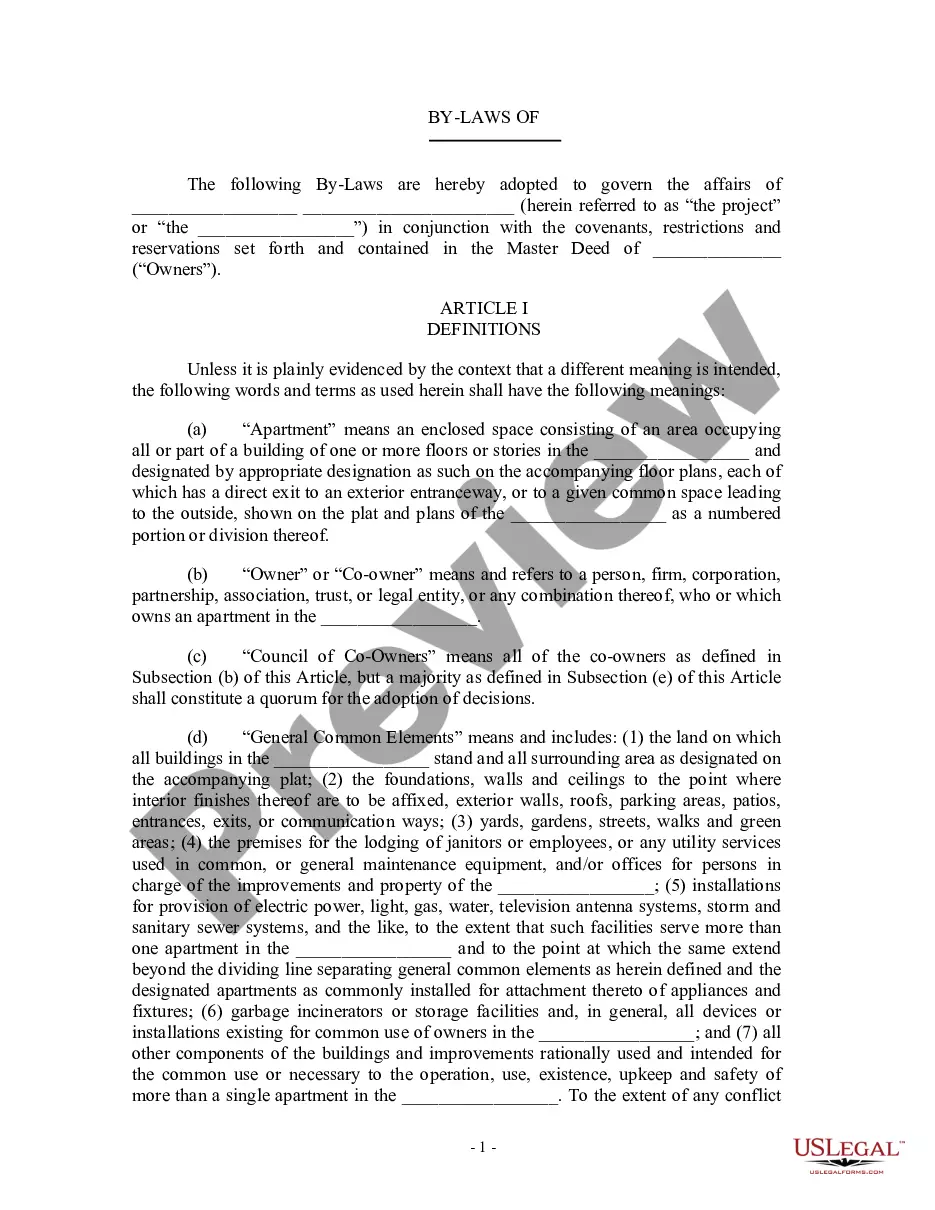
Get your form ready online
Our built-in tools help you complete, sign, share, and store your documents in one place.
Make edits, fill in missing information, and update formatting in US Legal Forms—just like you would in MS Word.
Download a copy, print it, send it by email, or mail it via USPS—whatever works best for your next step.
Sign and collect signatures with our SignNow integration. Send to multiple recipients, set reminders, and more. Go Premium to unlock E-Sign.
If this form requires notarization, complete it online through a secure video call—no need to meet a notary in person or wait for an appointment.
We protect your documents and personal data by following strict security and privacy standards.

Make edits, fill in missing information, and update formatting in US Legal Forms—just like you would in MS Word.

Download a copy, print it, send it by email, or mail it via USPS—whatever works best for your next step.

Sign and collect signatures with our SignNow integration. Send to multiple recipients, set reminders, and more. Go Premium to unlock E-Sign.

If this form requires notarization, complete it online through a secure video call—no need to meet a notary in person or wait for an appointment.

We protect your documents and personal data by following strict security and privacy standards.
Looking for another form?









Form popularity
FAQ
Federal laws - In addition to state law regulations, the federal government has laws that govern the operation of homeowners' associations, iniums, and other residential properties in the state of Massachusetts.
The Office of the New York State Attorney General (OAG) requires that the sponsor file an offering plan for the homeowners association, and that the sponsor maintain the commitments it made in the offering plan. The OAG's jurisdiction is limited to ownership and maintenance of HOA common property.
Key Takeaways: HOAs Cannot Directly Evict Tenants – While HOAs enforce rules and maintain community standards, they cannot directly evict tenants. However, rule violations, unpaid fees, or legal actions initiated by the HOA can impact the property owner, potentially leading to eviction through the landlord.
Homeowners' Associations in New York, or otherwise known as Common Interest Communities, are regulated by the Attorney General's office and must be set up as non-profit organizations. They are governed by NY Not-For-Profit Corporation Law, the Association's Articles of Declaration, and Bylaws.
The CPA lets unit owners challenge the association's actions which violate the governing documents or the law. Depending on the situation, remedies might include requesting a hearing before the board, filing a lawsuit, or seeking intervention from the Illinois Attorney General's inium Ombudsman Program.
Ing to the Illinois Department of Financial and Professional Regulation, an individual condo owner may be forced to sell their property only if 75 percent of unit owners vote in favor of a bulk sale.
On the flip side, board members can be held personally liable if they engage in illegal activities, breach their fiduciary duties or personally benefit from association transactions.
Can an HOA Evict a Homeowner? Yes. Under Illinois state law (765 ILCS 605/9.2), a homeowners' association can 'evict' a member from their unit in order to recover past due assessments. If your community is considering eviction as a remedy, an experienced Chicago HOA/condo lawyer can help.