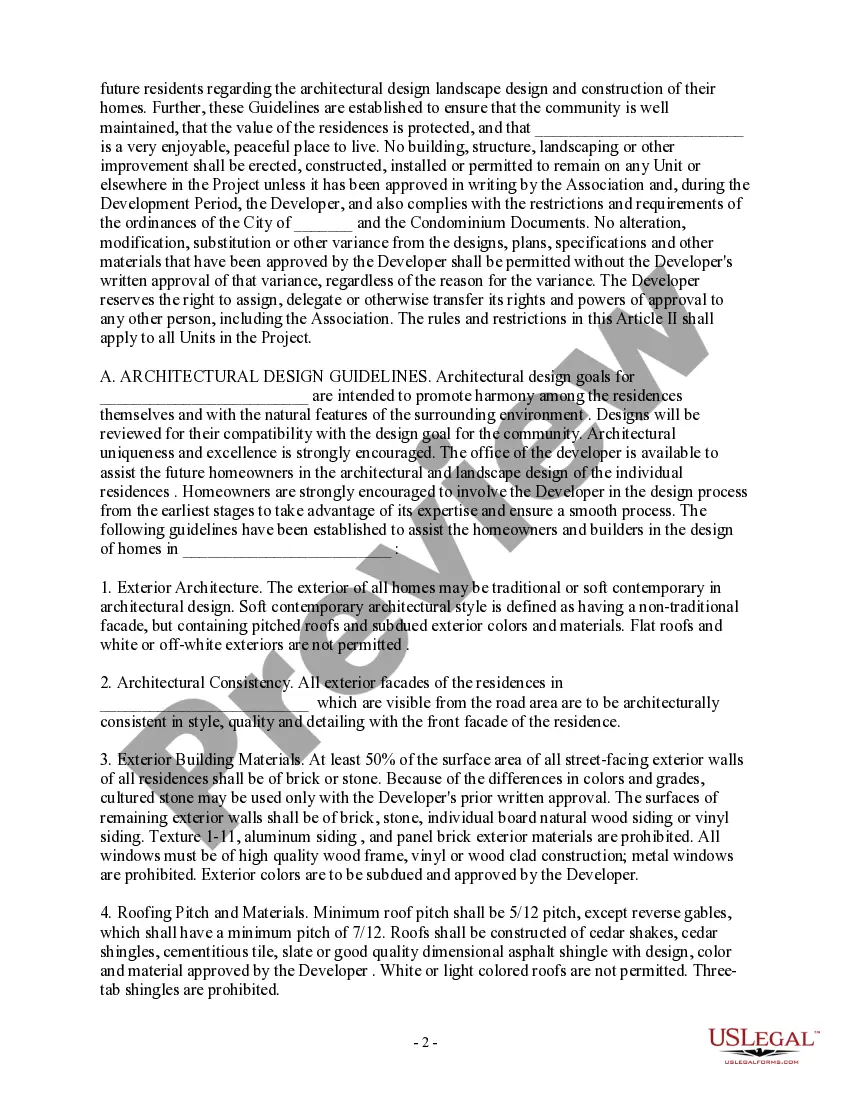
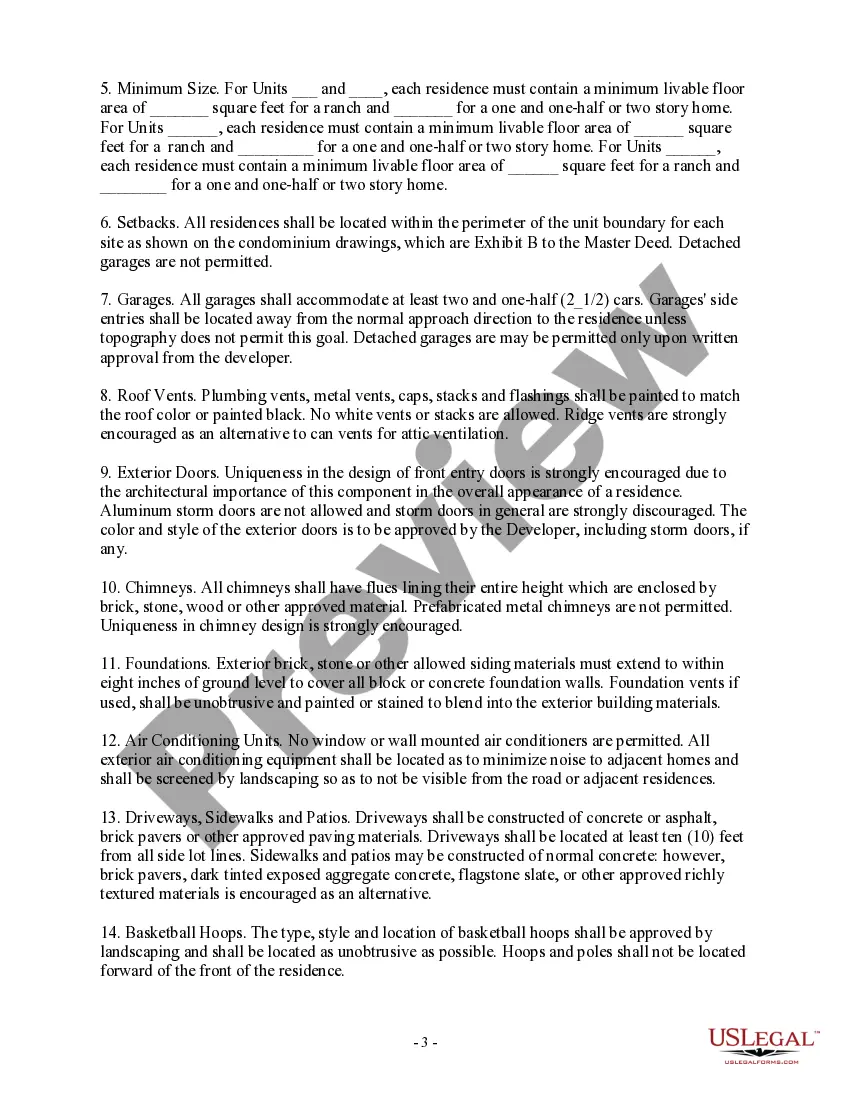
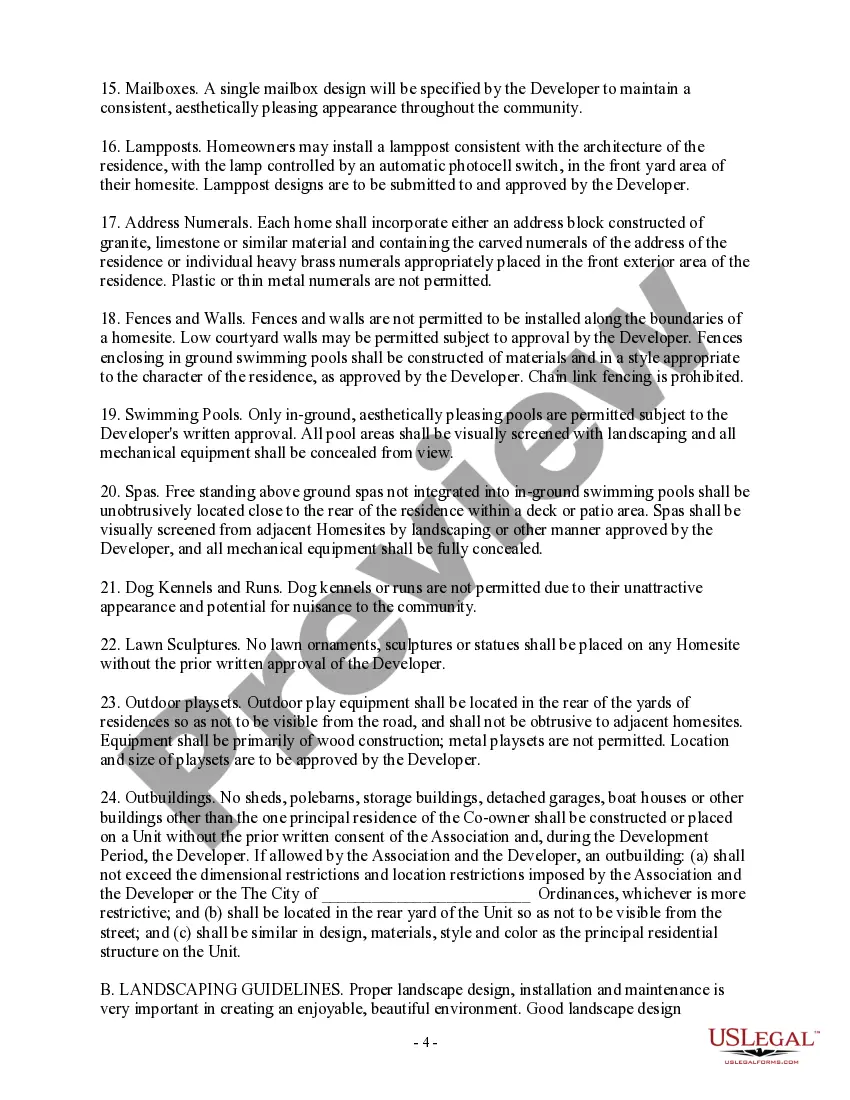
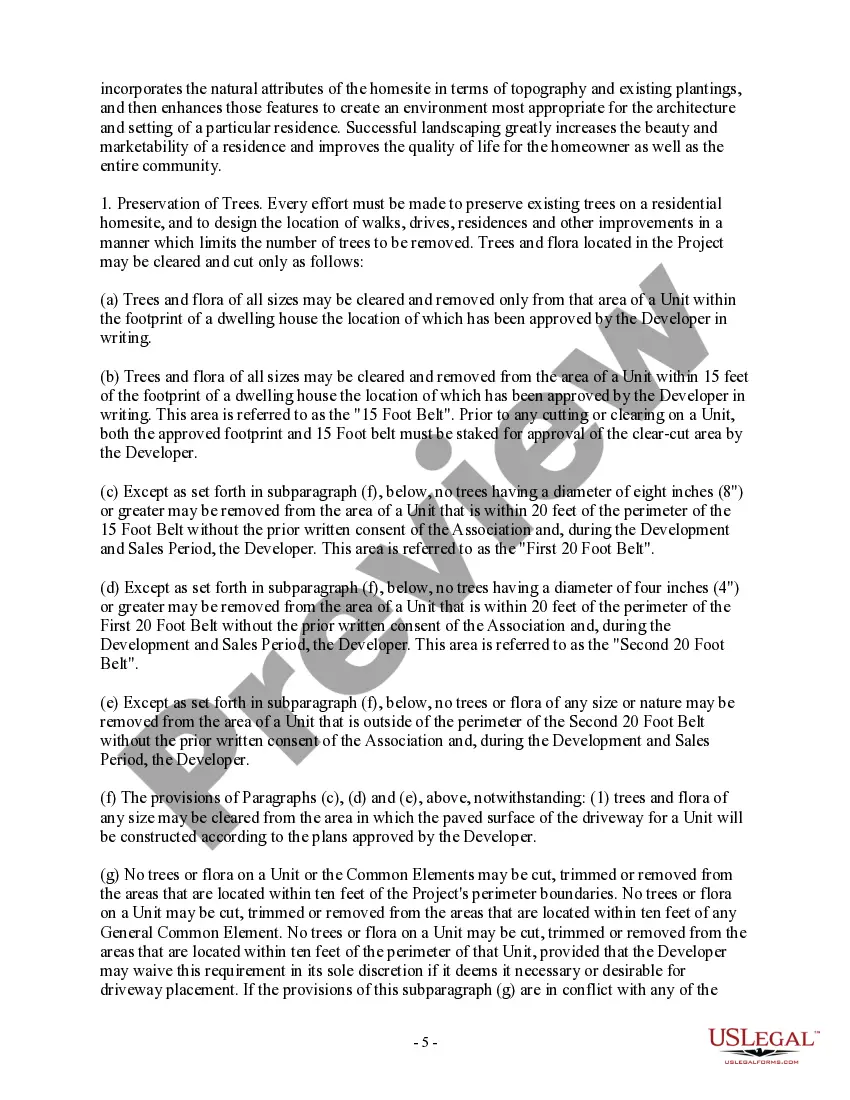
Condominium Bylaws Condo Association With Hoa In Orange
Description

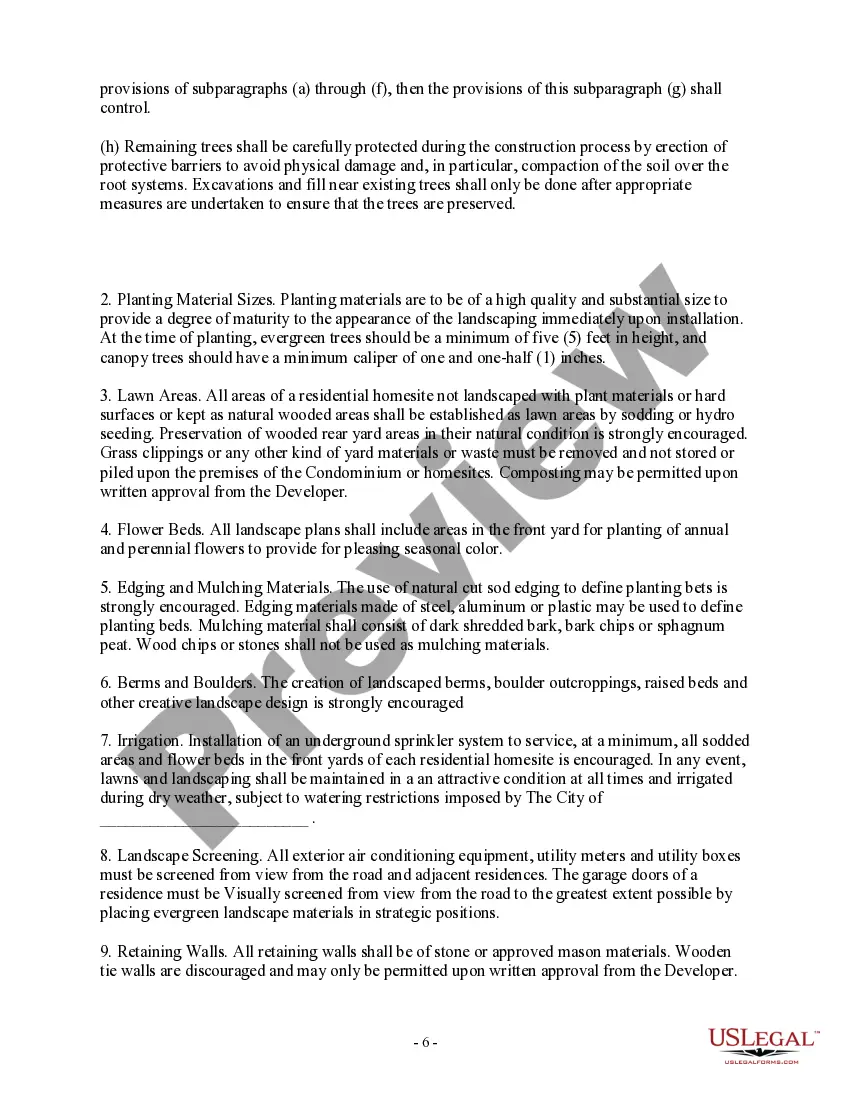
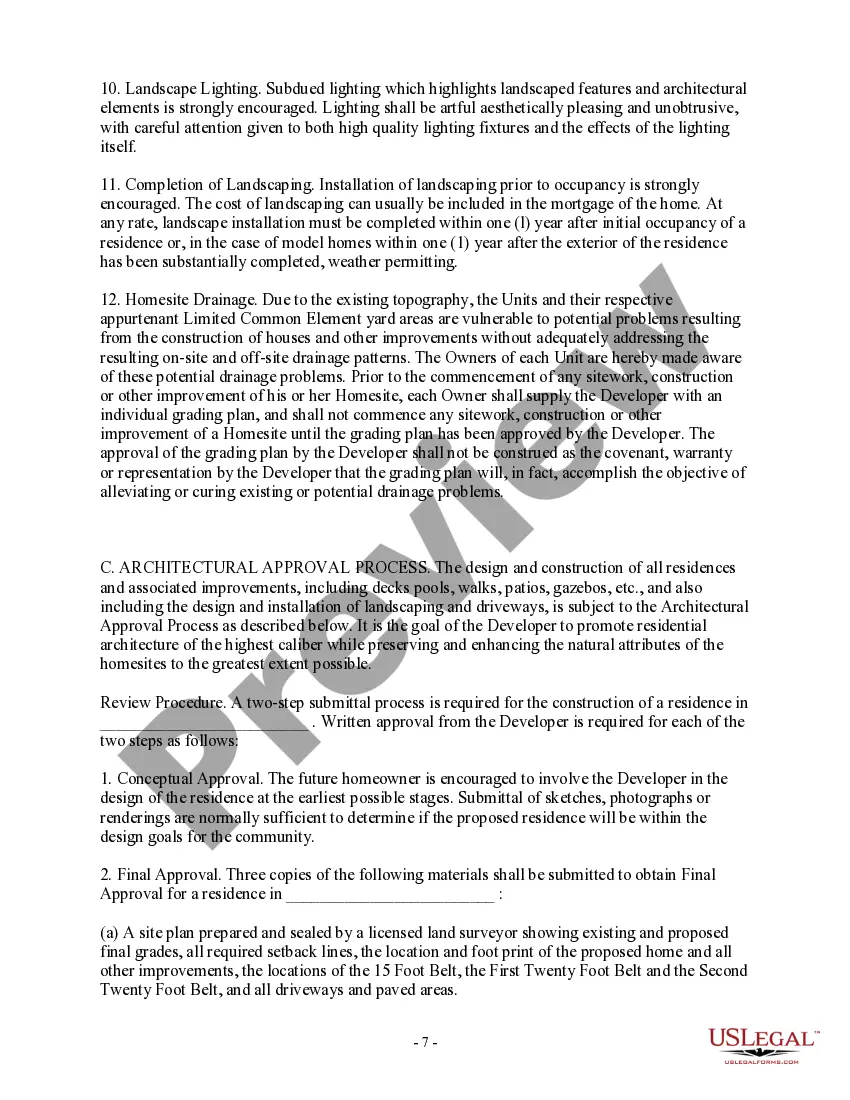
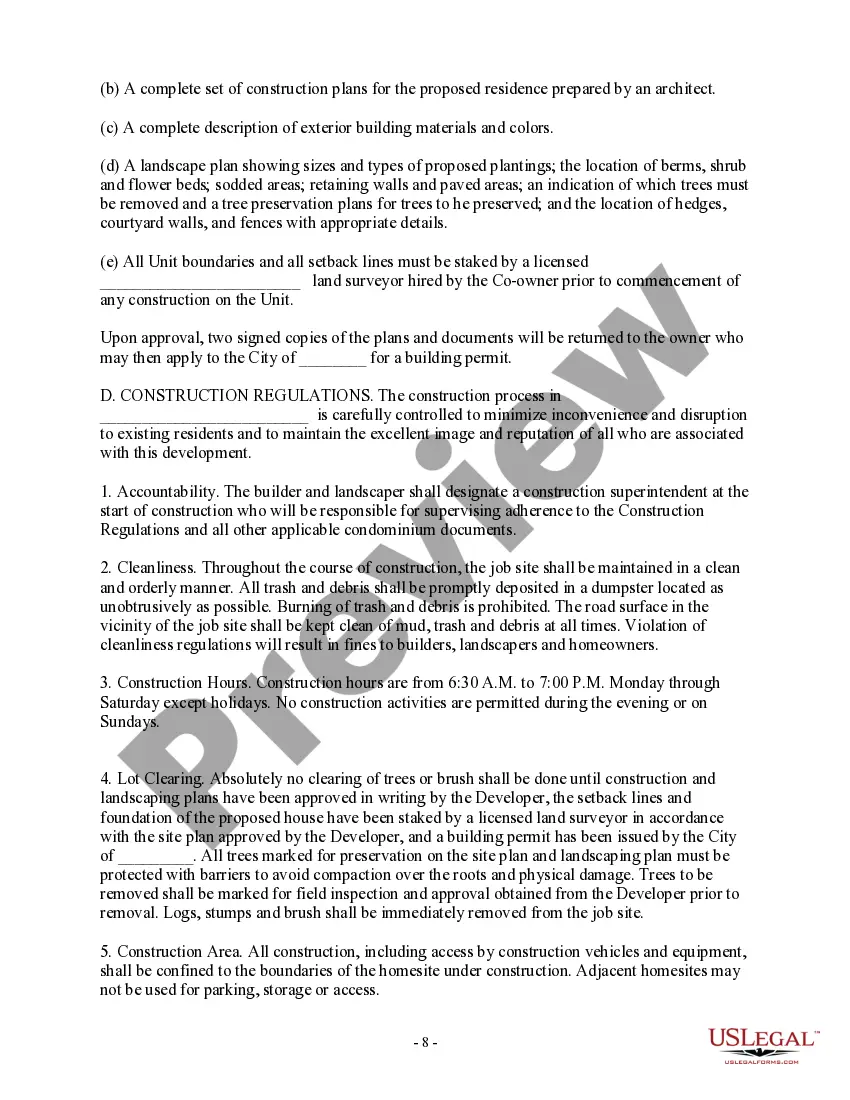
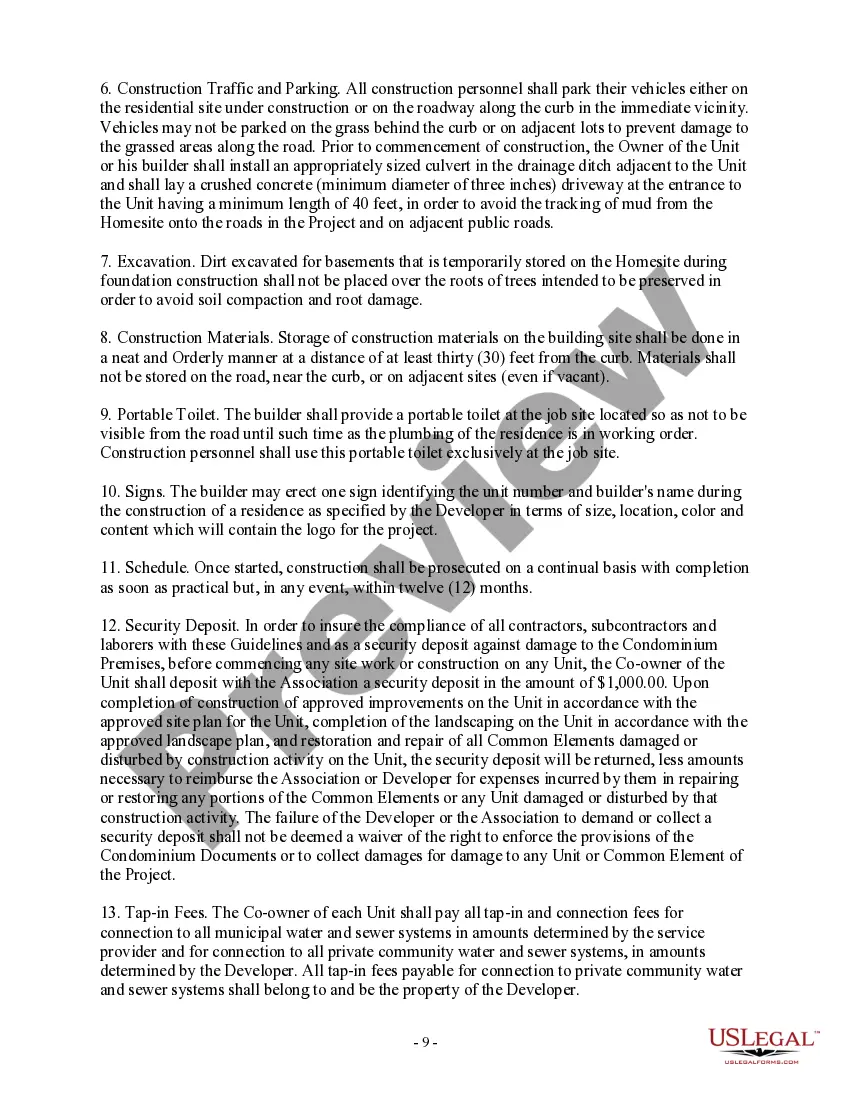
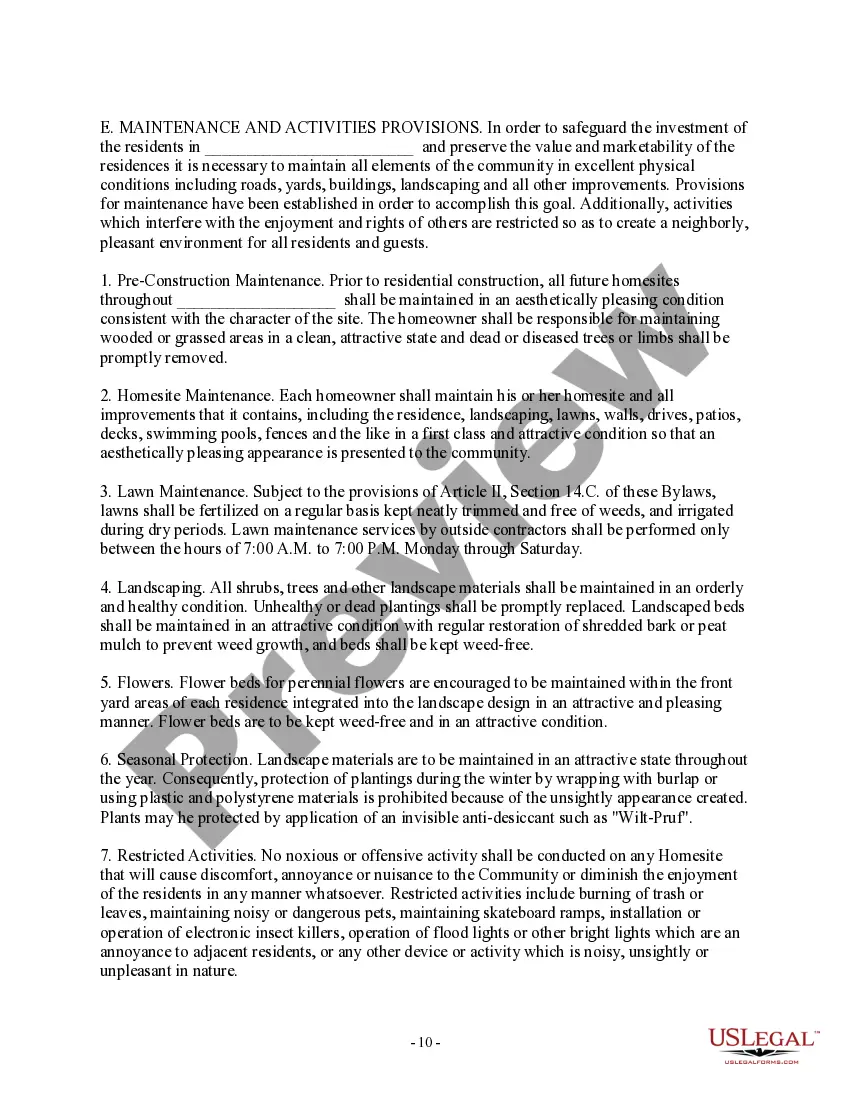


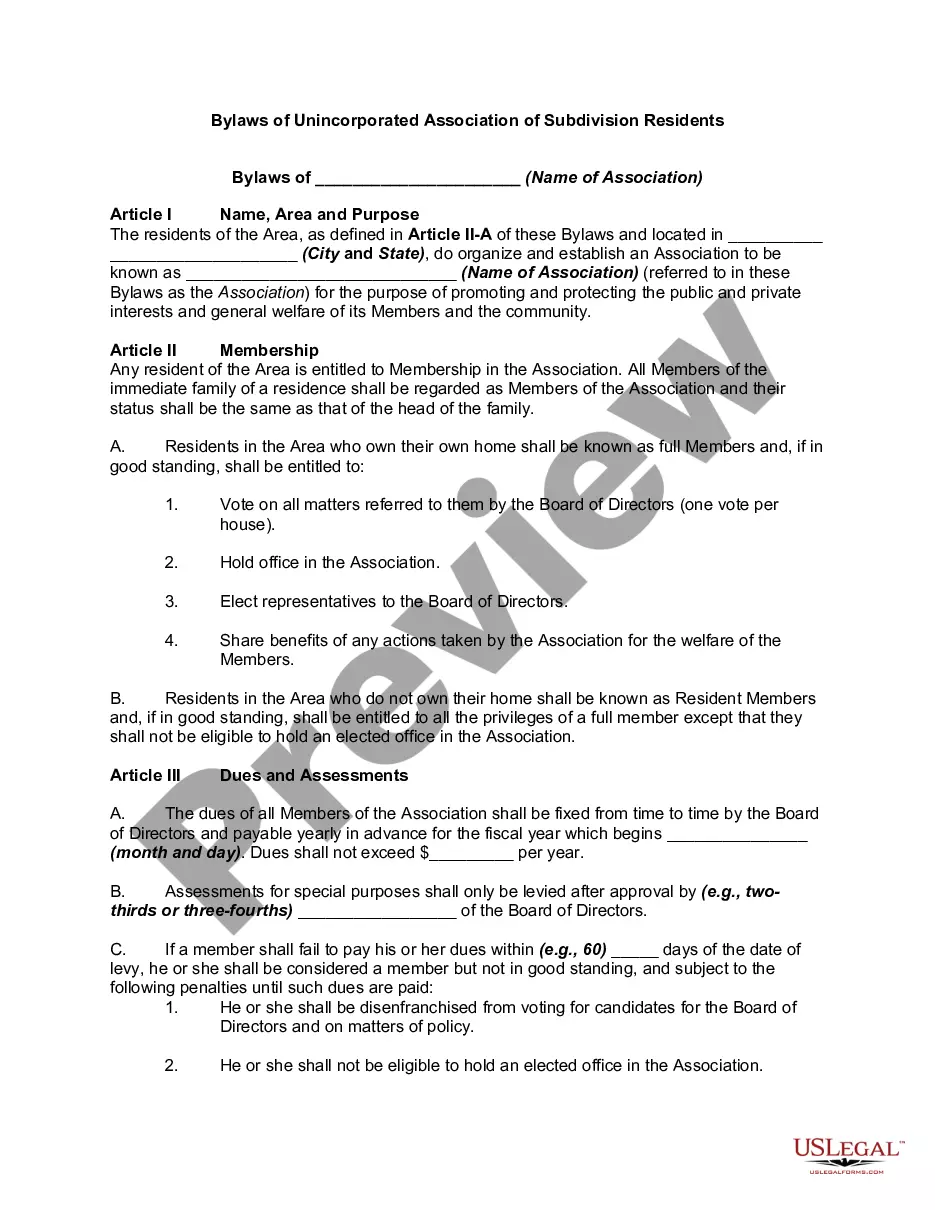
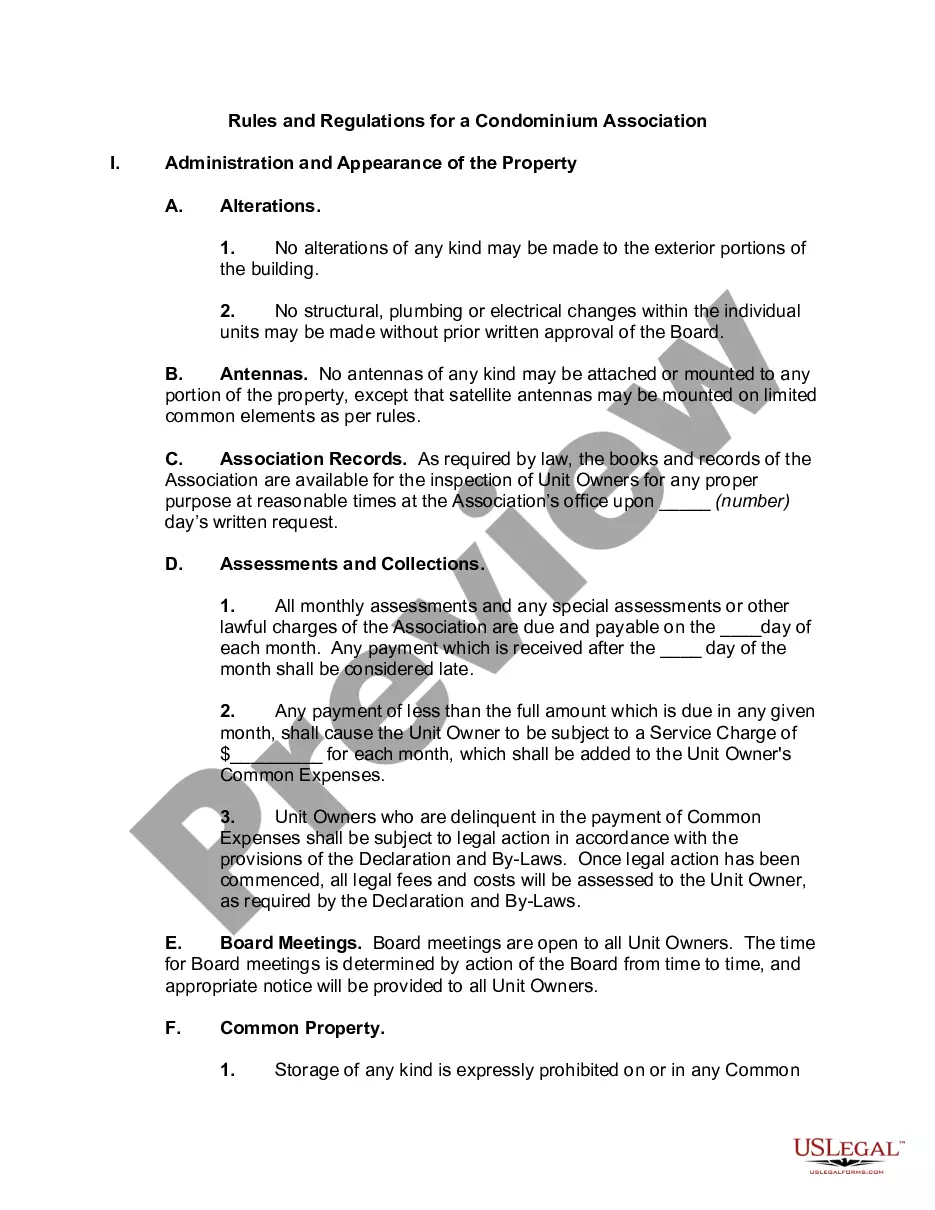
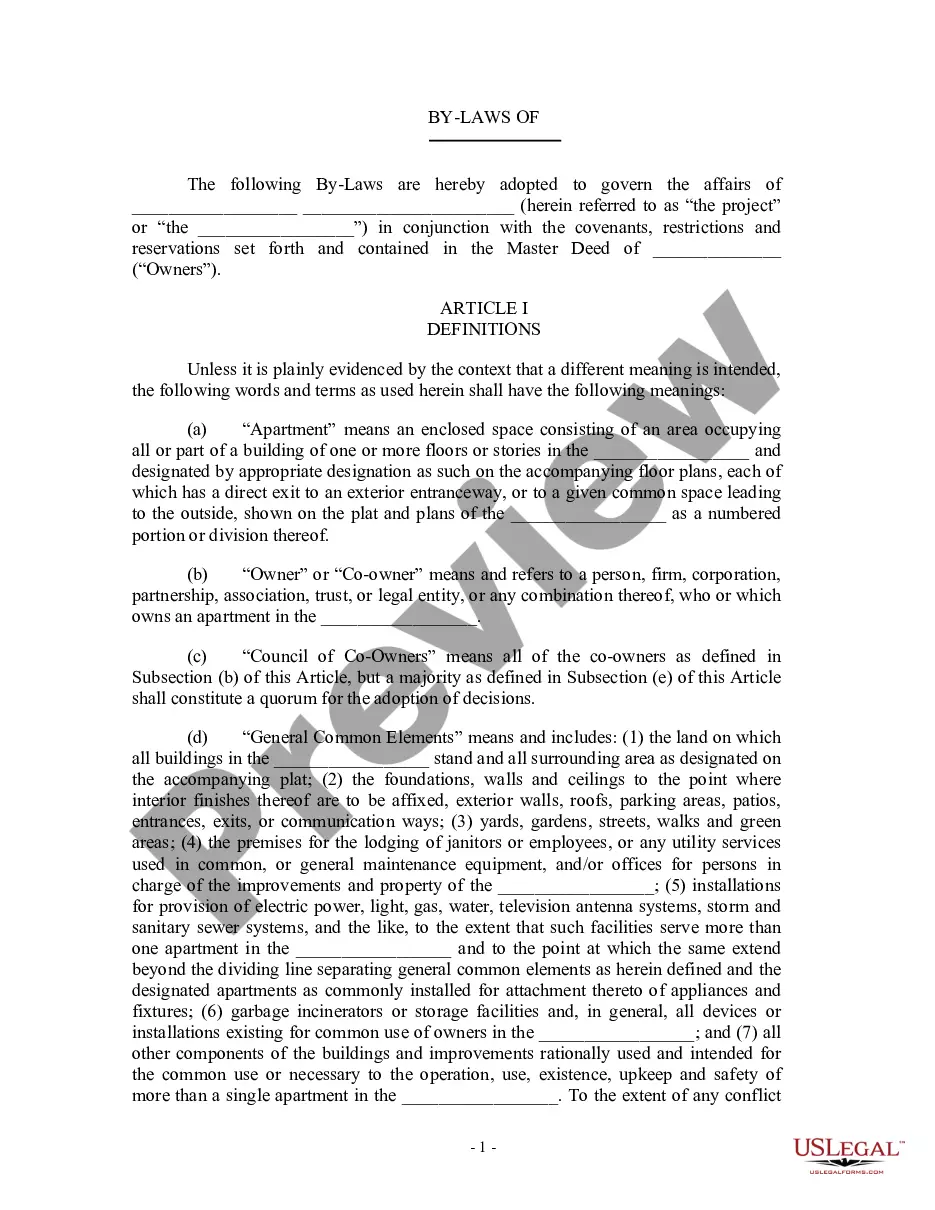
Get your form ready online
Our built-in tools help you complete, sign, share, and store your documents in one place.
Make edits, fill in missing information, and update formatting in US Legal Forms—just like you would in MS Word.
Download a copy, print it, send it by email, or mail it via USPS—whatever works best for your next step.
Sign and collect signatures with our SignNow integration. Send to multiple recipients, set reminders, and more. Go Premium to unlock E-Sign.
If this form requires notarization, complete it online through a secure video call—no need to meet a notary in person or wait for an appointment.
We protect your documents and personal data by following strict security and privacy standards.

Make edits, fill in missing information, and update formatting in US Legal Forms—just like you would in MS Word.

Download a copy, print it, send it by email, or mail it via USPS—whatever works best for your next step.

Sign and collect signatures with our SignNow integration. Send to multiple recipients, set reminders, and more. Go Premium to unlock E-Sign.

If this form requires notarization, complete it online through a secure video call—no need to meet a notary in person or wait for an appointment.

We protect your documents and personal data by following strict security and privacy standards.
Looking for another form?






Form popularity
FAQ
Here are 6 of the most common items that are typically covered: Utilities. Maintenance and repairs. HOA insurance. HOA reserve funds. Property management staffing. Professional property management.
HOAs must be registered with the state as a corporation and must file all governing documents in the official records of the county in which the community is located. While they must file with the county government, homeowners' associations in Florida are not governed by a government agency.
What are unenforceable HOA rules? Keep you out of court. Hush up litigation. Discriminate indiscriminately. Enter your home without cause or notice. String you out on the (clothes)line. Fine you for fun. Change rules on the fly. Demand you take down your dish.
In an HOA, residents own their property, but the association owns and maintains common areas, such as lobbies, pools, clubhouses, and gyms. Conversely, in a COA, owners own their individual units and a percentage of all shared property, like tennis courts, pickleball courts, sidewalks, and parking lots.
HOA Information and Documents Florida Recorded Document Search - Visit the county recorder's office where the property is located to find an association's Declaration of Covenants, Conditions, and Restrictions (CC&Rs), Amendments to CC&Rs, Bylaws, Lien Notices, HOA Notices, Plats, Maps, and other community documents.
The Hierarchy of HOA Governing Documents Declaration of Covenants, Conditions, and Restrictions (CC&Rs) ... Articles of Incorporation. Bylaws. Operating Rules & Regulations.
An association's “governing documents” are defined as “the declaration and any other documents, such as bylaws, operating rules, articles of incorporation, or articles of association, which govern the operation of the common interest development or association.” (Civ.
In general, homeowners can request HOA documents that cover the following: Governing documents, including the CC&Rs, bylaws, articles of incorporation, community plat, and operating rules; All board and membership meeting minutes and notices; Membership lists; All insurance policies of the association;
Under Florida law, HOAs are required to complete a financial report for the preceding year within 90 days after the fiscal's year end, or annually on the date provided in the governing documents.
Keep in mind that anyone can see HOA records that have been filed with the Florida Secretary of State online, which include documents pertaining to the formation of an HOA, financial statements and annual reports, and the records of the dissolution of an HOA.
