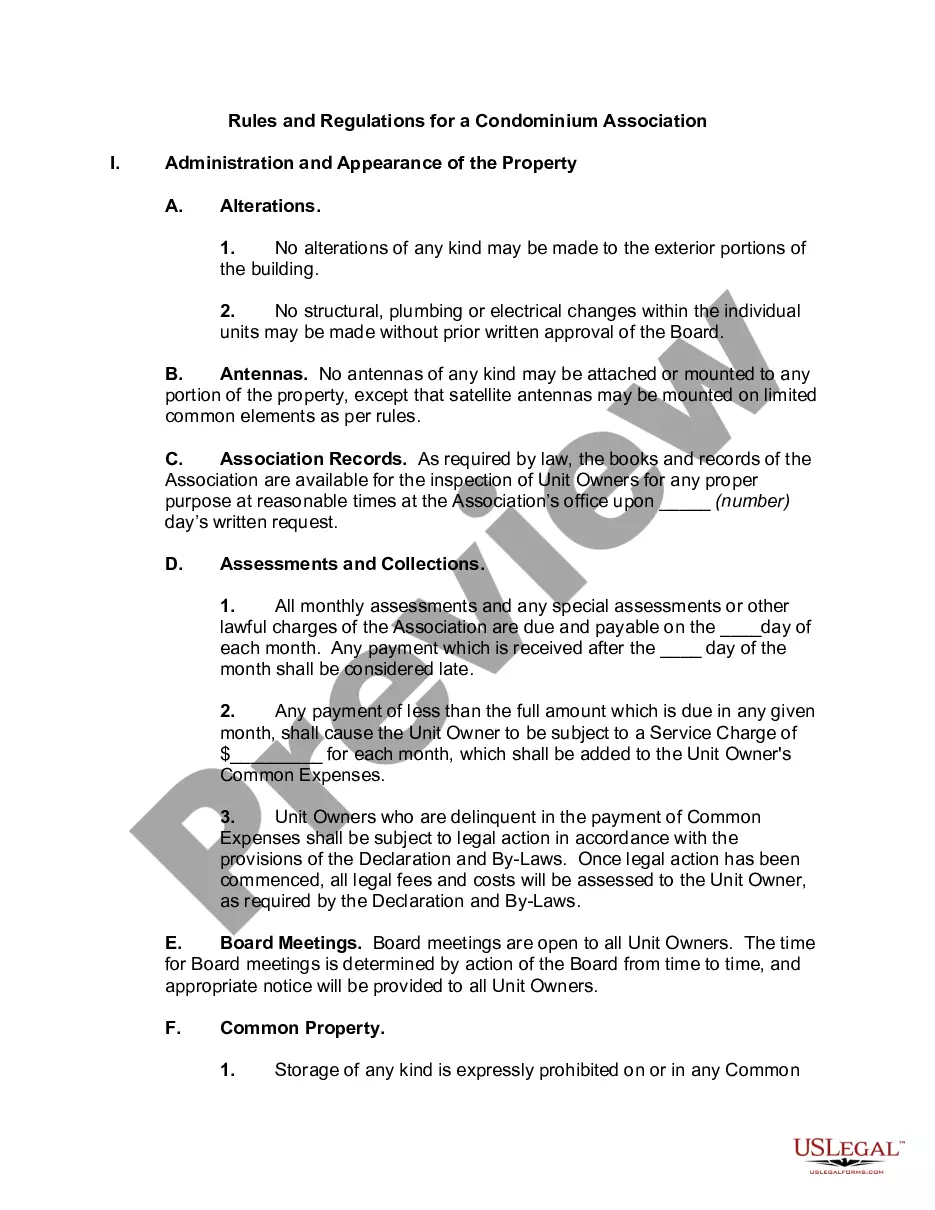
Rules For Condo Owners In Kings
Description

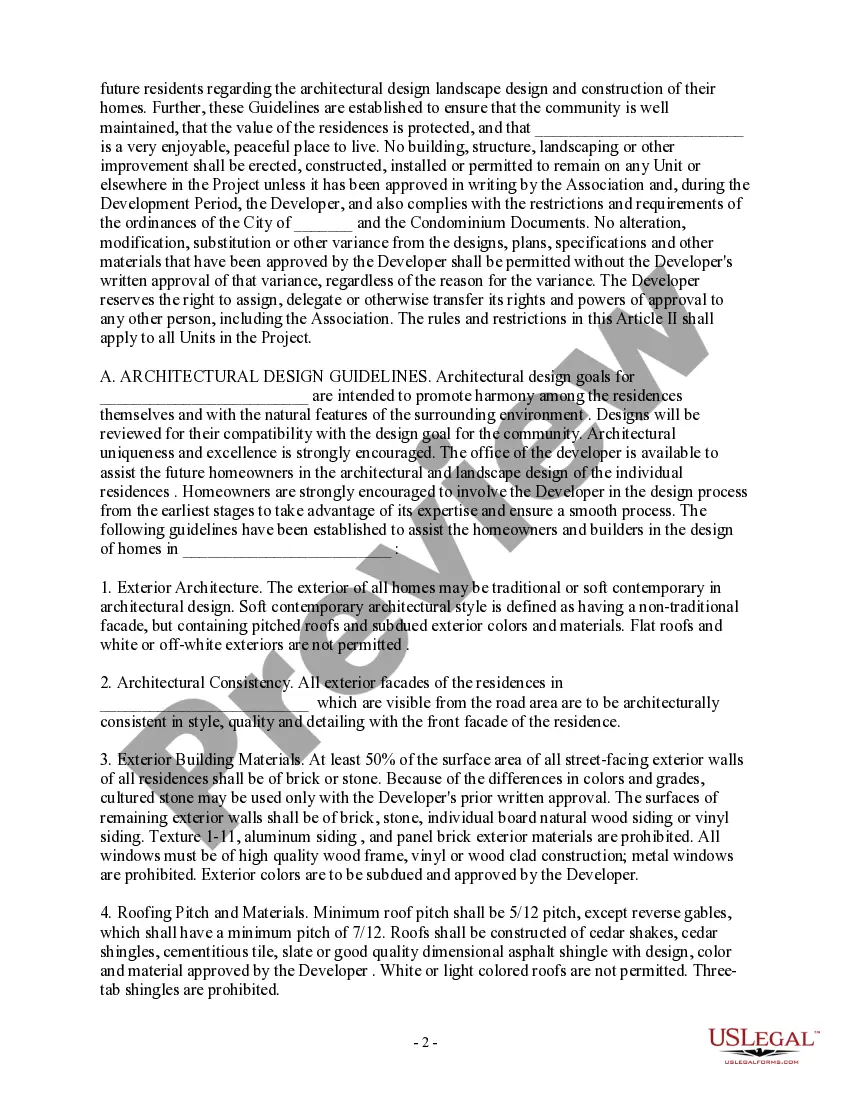
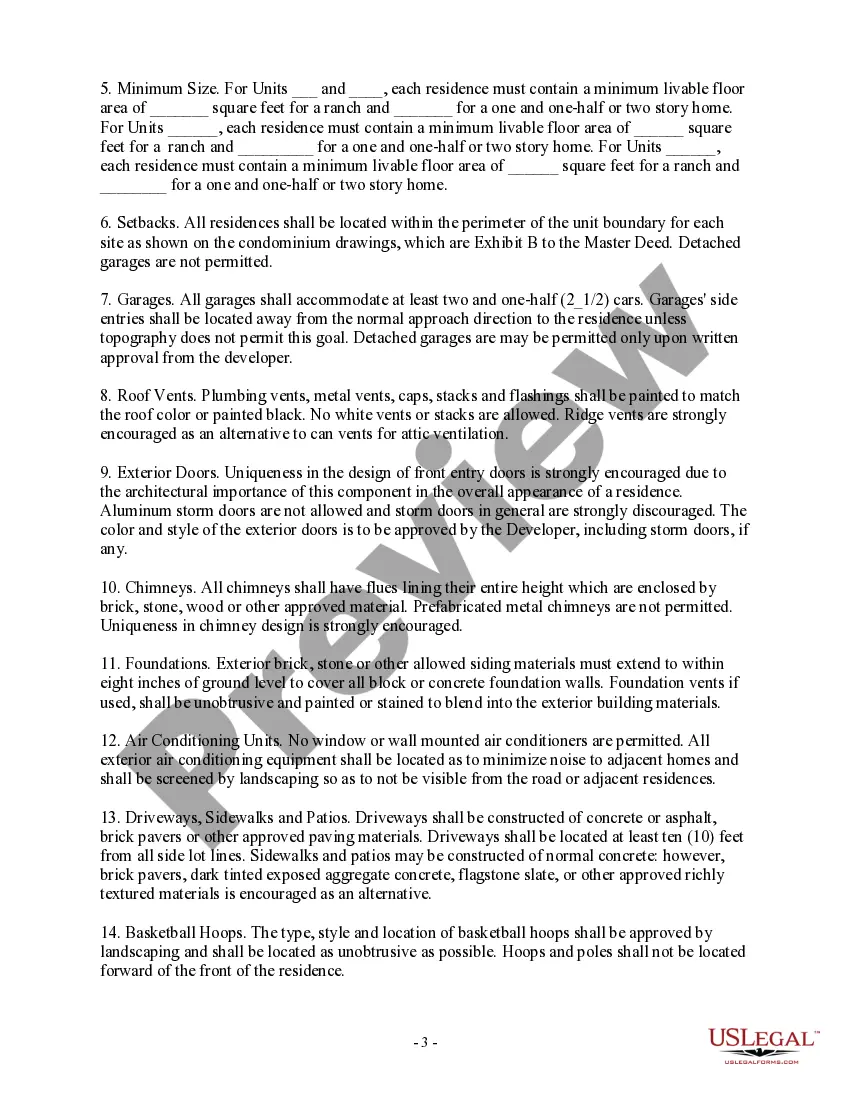
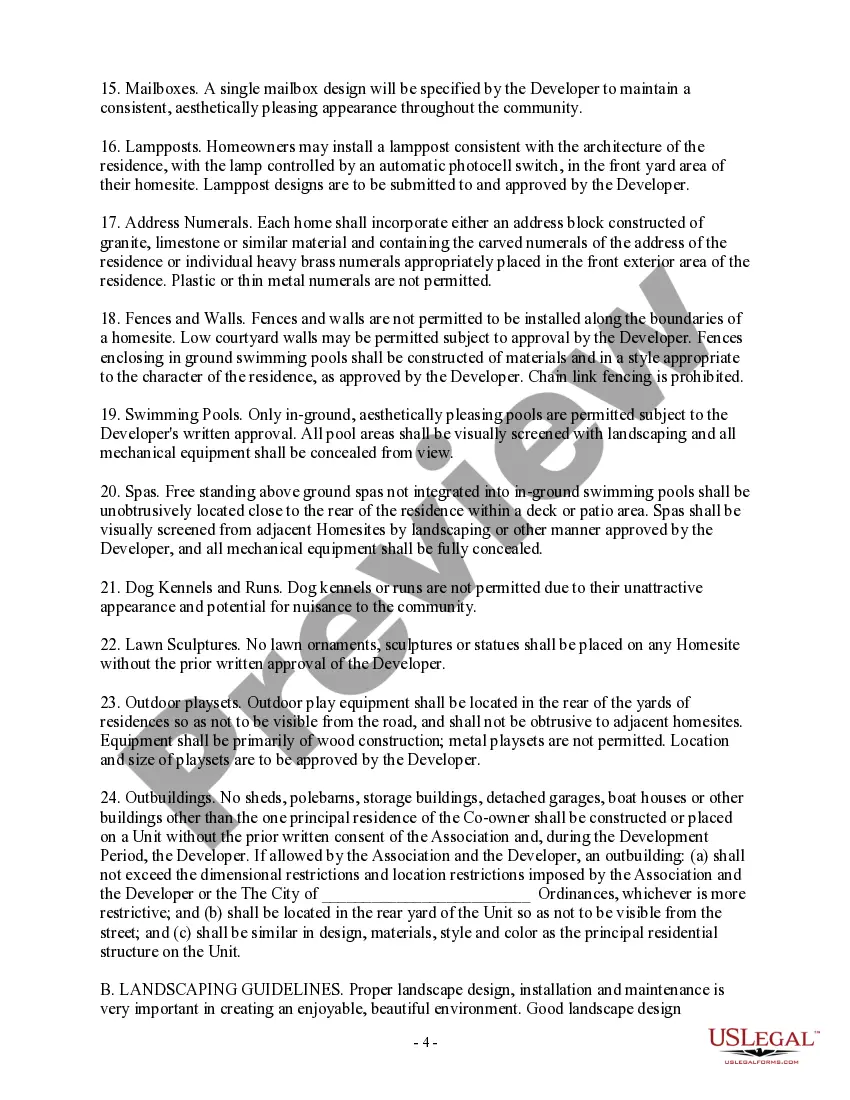
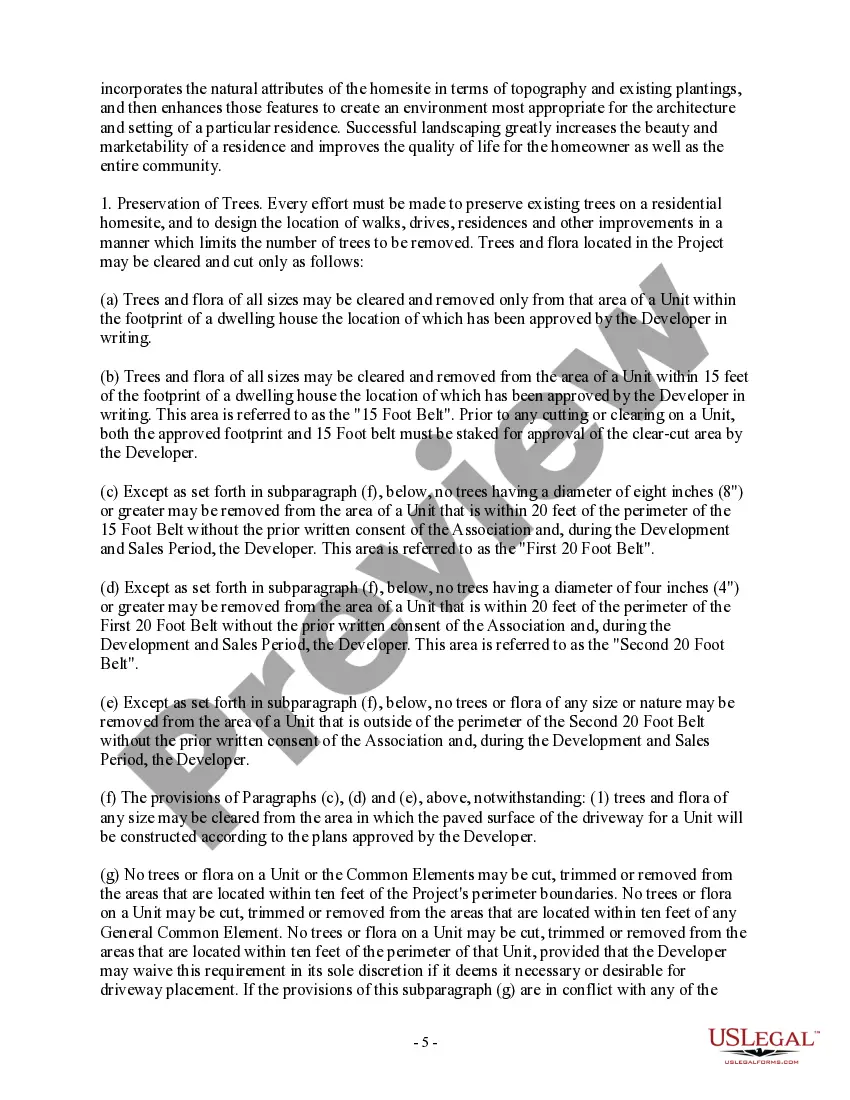


Get your form ready online
Our built-in tools help you complete, sign, share, and store your documents in one place.
Make edits, fill in missing information, and update formatting in US Legal Forms—just like you would in MS Word.
Download a copy, print it, send it by email, or mail it via USPS—whatever works best for your next step.
Sign and collect signatures with our SignNow integration. Send to multiple recipients, set reminders, and more. Go Premium to unlock E-Sign.
If this form requires notarization, complete it online through a secure video call—no need to meet a notary in person or wait for an appointment.
We protect your documents and personal data by following strict security and privacy standards.

Make edits, fill in missing information, and update formatting in US Legal Forms—just like you would in MS Word.

Download a copy, print it, send it by email, or mail it via USPS—whatever works best for your next step.

Sign and collect signatures with our SignNow integration. Send to multiple recipients, set reminders, and more. Go Premium to unlock E-Sign.

If this form requires notarization, complete it online through a secure video call—no need to meet a notary in person or wait for an appointment.

We protect your documents and personal data by following strict security and privacy standards.
Looking for another form?







Form popularity
FAQ
Unless there is some clause in the HOA or a court order, no, you cannot be forced to sell your condo.
Inium is a Latin word that means "Owning property together." That's what it is like when someone buys a condo unit. They have an "interest" in the land beneath the building, but the building's association owns the actual land.
Tips for Enforcing Condo Association Rules and Regulations Communicate the rules and regulations effectively with residents. Be consistent in your enforcement. Use graduated penalties. Hire a good property management company.
The most common methods of enforcement for inium rules in Ontario are for the corporation to give you notice to remedy the issue on a deadline, and then to remedy it themselves and bill you for it if you don't comply.
Enforcing the Rules Notify residents who are not complying to make them aware of the issue. Follow up as required. Refer the issue to the Condo Authority Tribunal if it is within the CAT's jurisdiction. Refer the issue to mediation, arbitration or the Superior Court if it is not within the CAT's jurisdiction.
Condo owners have the right to take legal action against the association or other condo owners. They can file for damages or injunctive relief on board members or owners who fail to comply with the governing documents and condo laws.
A inium (or condo for short) is an ownership regime in which a building (or group of buildings) is divided into multiple units that are either each separately owned, or owned in common with exclusive rights of occupation by individual owners.
"Owning:" Why Condo Owners Don't Own the Land. One of the main differences between buying a house versus buying a condo is that condo owners are not landowners. A condo owner is purchasing an "interest" in the condo association that runs the day-to-day operations of the building, similar to a homeowners association.
