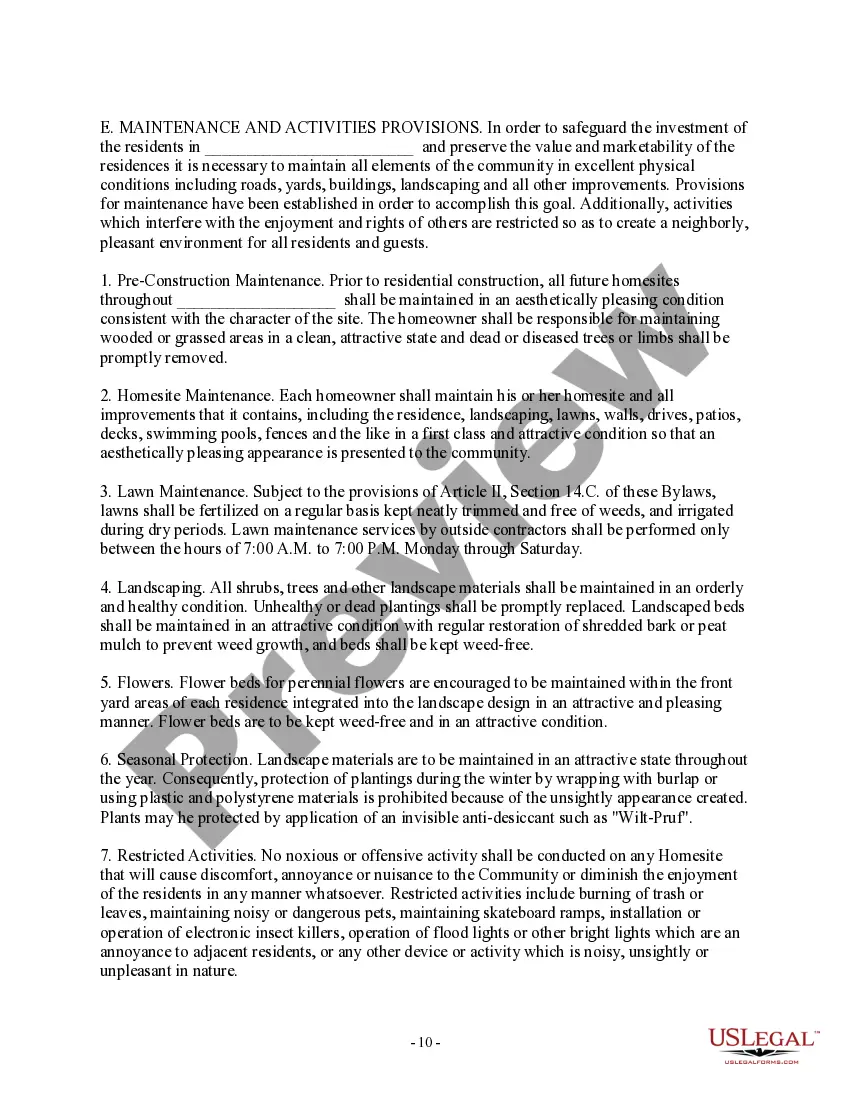
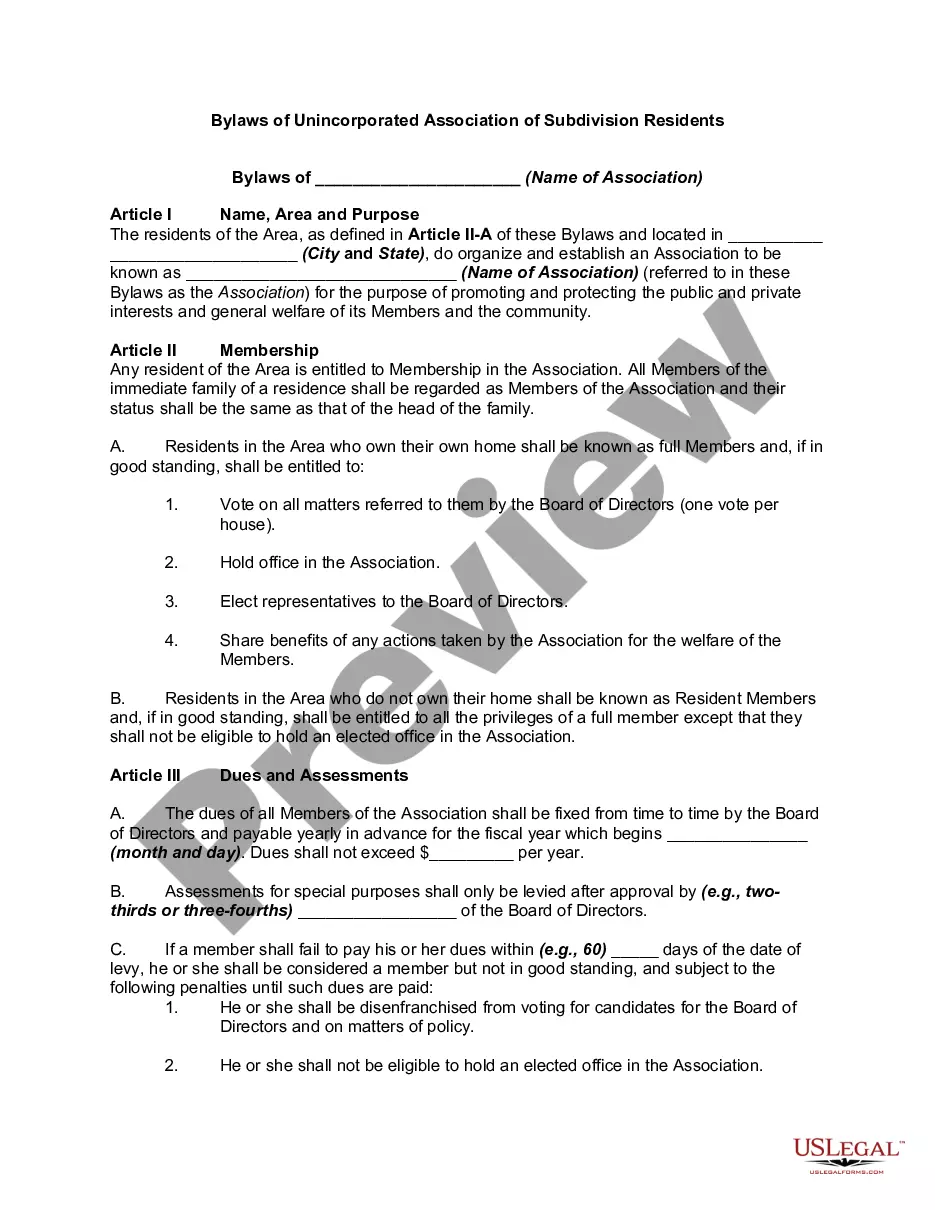
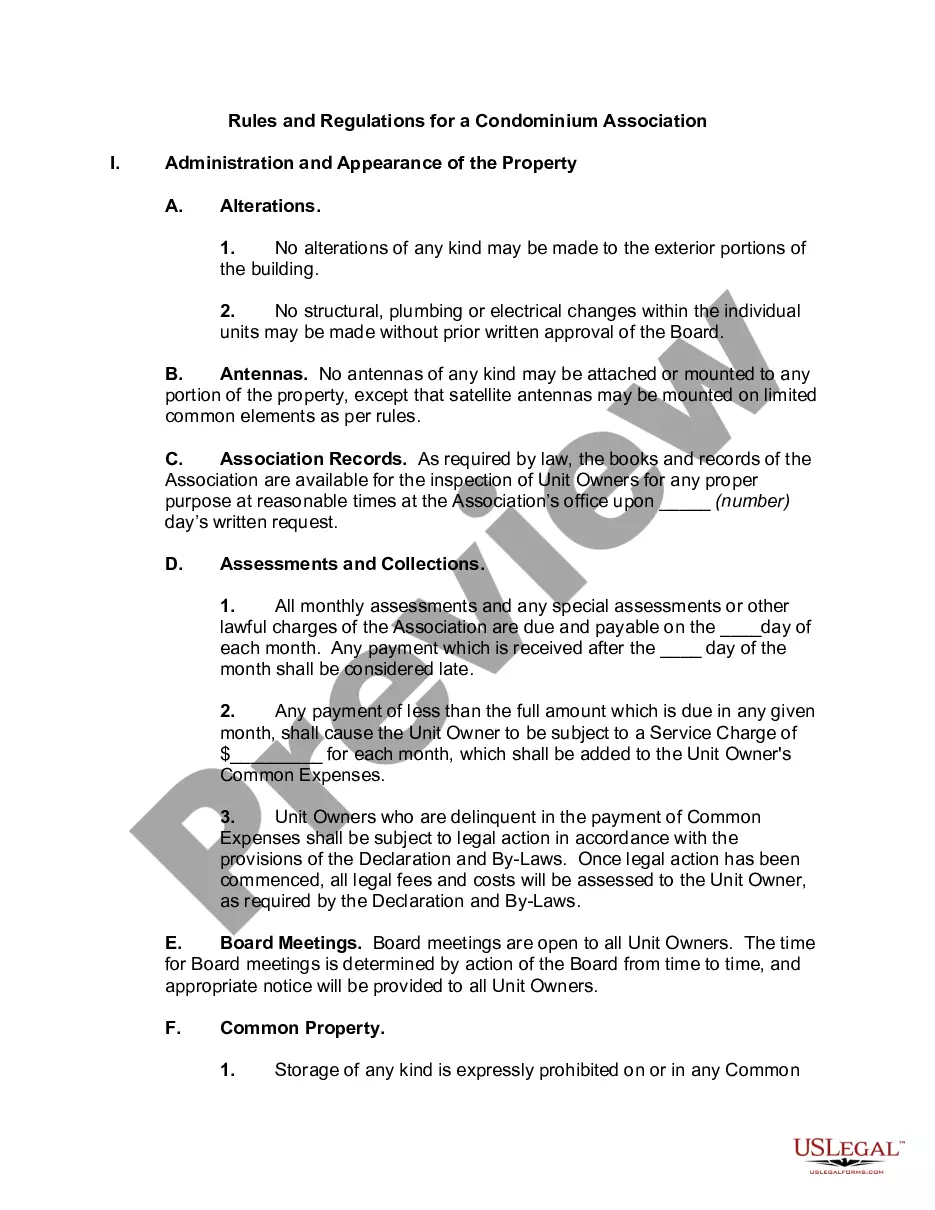
Rules For Condo Board Members In Dallas
Description

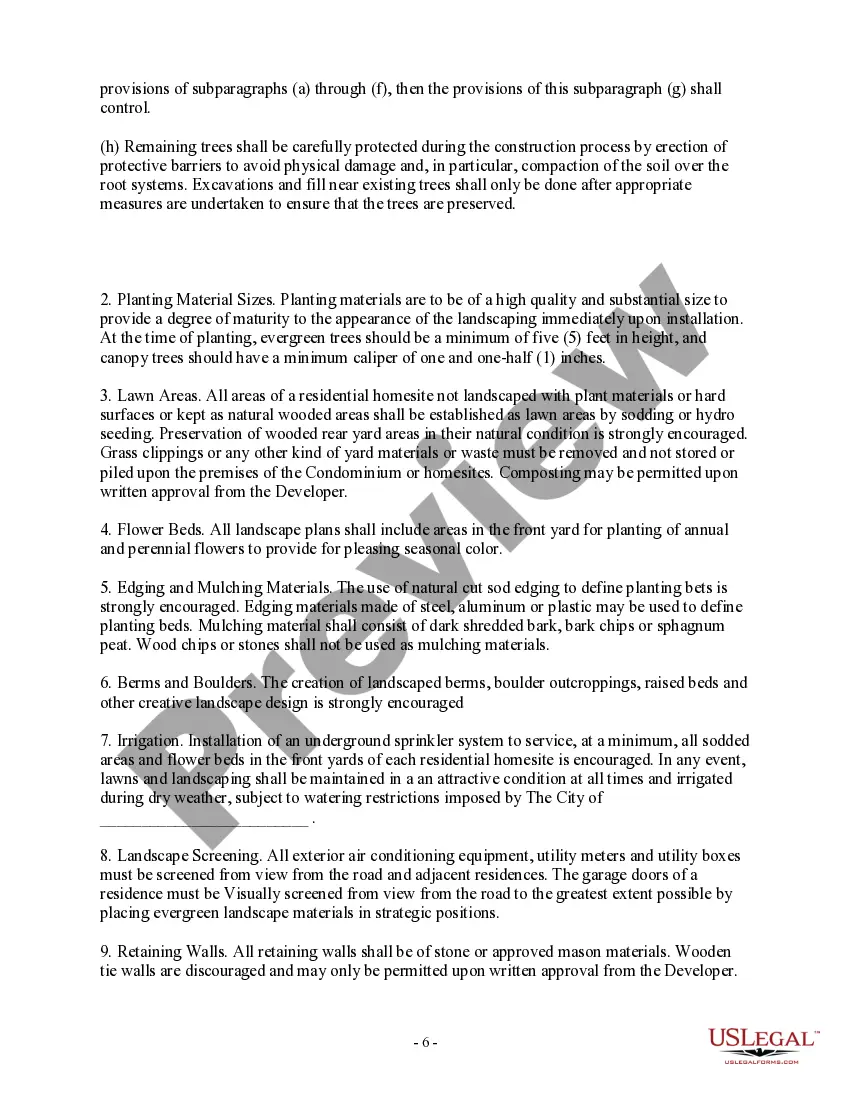
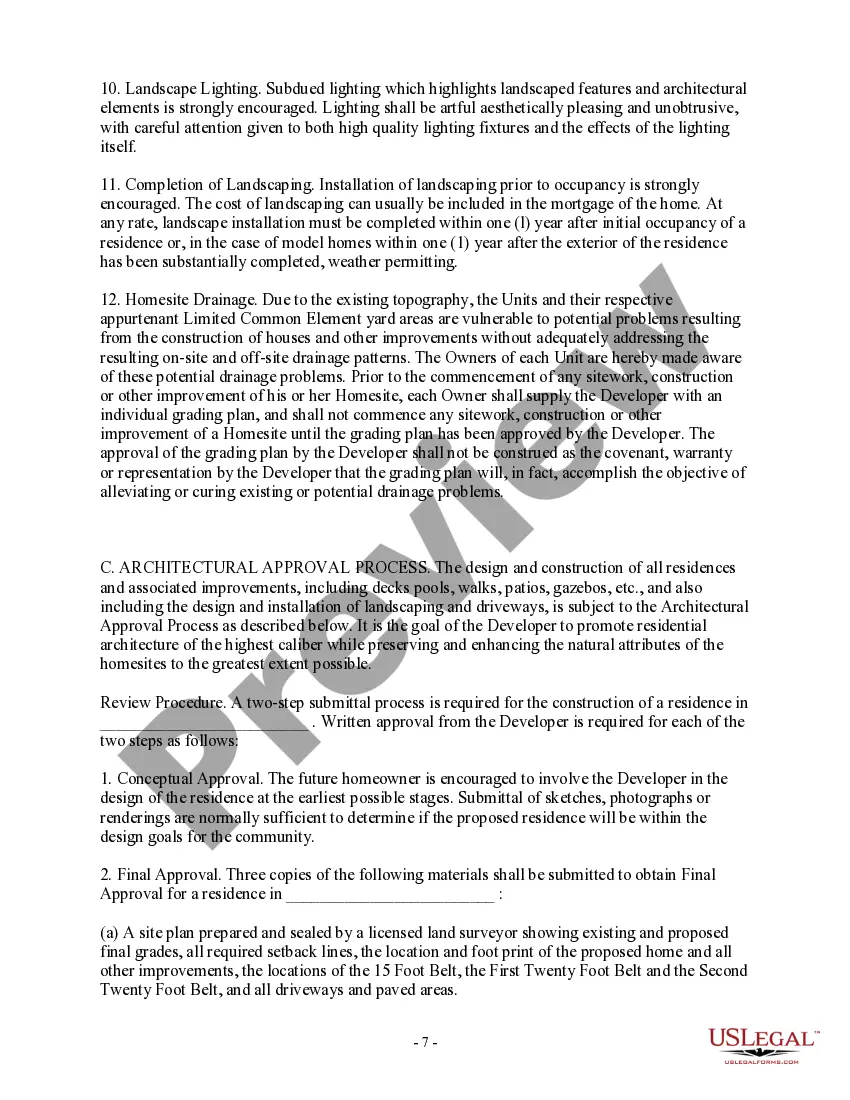
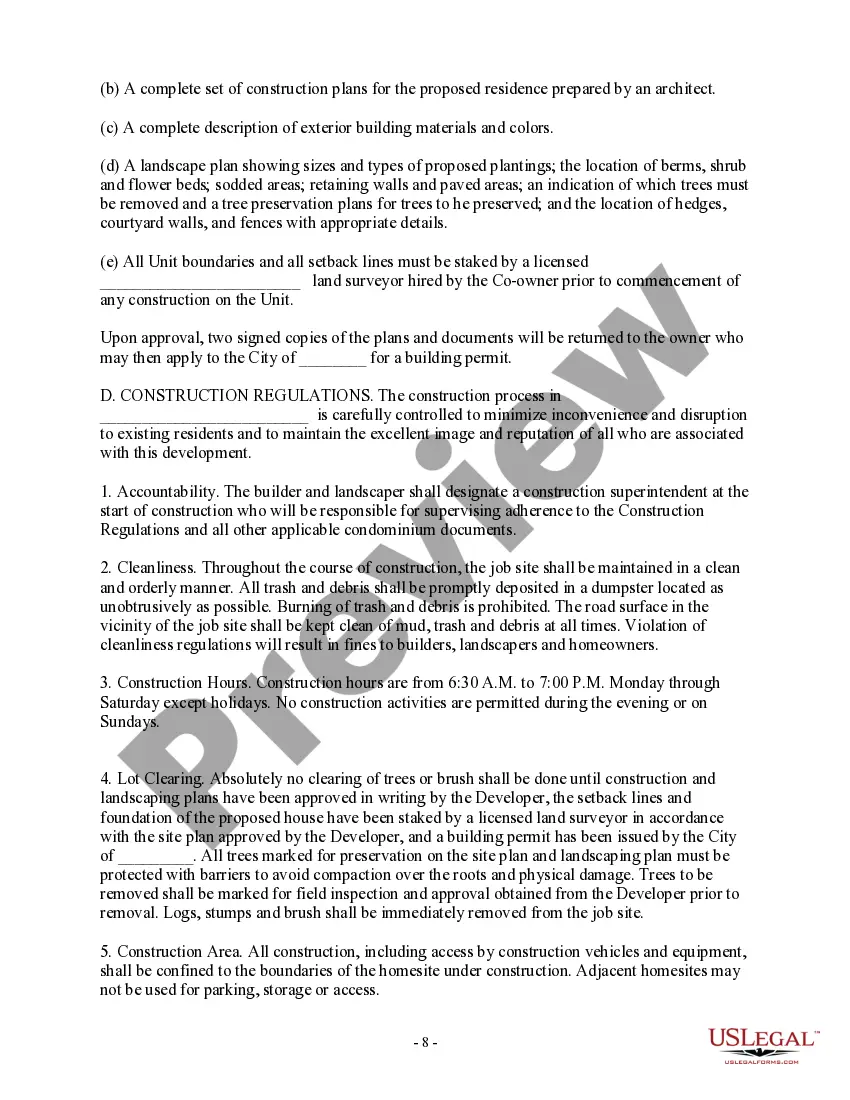
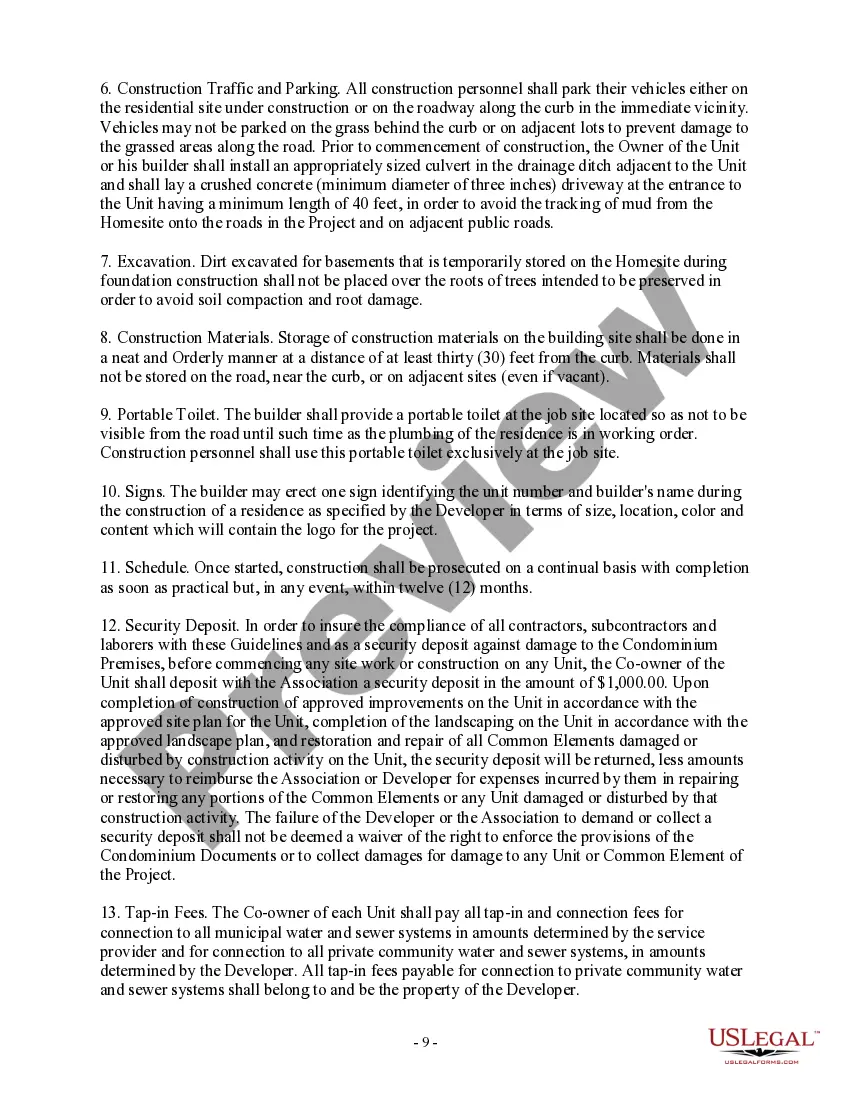



Get your form ready online
Our built-in tools help you complete, sign, share, and store your documents in one place.
Make edits, fill in missing information, and update formatting in US Legal Forms—just like you would in MS Word.
Download a copy, print it, send it by email, or mail it via USPS—whatever works best for your next step.
Sign and collect signatures with our SignNow integration. Send to multiple recipients, set reminders, and more. Go Premium to unlock E-Sign.
If this form requires notarization, complete it online through a secure video call—no need to meet a notary in person or wait for an appointment.
We protect your documents and personal data by following strict security and privacy standards.

Make edits, fill in missing information, and update formatting in US Legal Forms—just like you would in MS Word.

Download a copy, print it, send it by email, or mail it via USPS—whatever works best for your next step.

Sign and collect signatures with our SignNow integration. Send to multiple recipients, set reminders, and more. Go Premium to unlock E-Sign.

If this form requires notarization, complete it online through a secure video call—no need to meet a notary in person or wait for an appointment.

We protect your documents and personal data by following strict security and privacy standards.
Looking for another form?









Form popularity
FAQ
HOA board members in Texas can be sued personally if they engage in negligent, willful misconduct, bad faith, fraud, criminal activity or actions beyond their board authority.
The Texas Uniform inium Act contains a provision which states that unless a declaration provides otherwise, a inium building may be terminated and sold if 100% of the owners agree. It also allows unit owners associations to adopt a rule allowing for a lower threshold of 80% of the votes.
Contact the Texas Attorney General's Office: If you believe the HOA has violated state laws or regulations, you can contact the Texas Attorney General's Office to file a complaint. The Attorney General's Office may investigate the matter and take appropriate action if necessary.
Amending HOA bylaws in Texas typically requires a vote from the membership in ance with the procedures outlined in the bylaws themselves. These procedures often include a specific quorum and majority of votes, and must comply with the Texas Residential Property Owners Protection Act.
Board of Directors and Officers The Board of Directors is the cornerstone of an HOA's governance structure. They hold the responsibility for overseeing the association's affairs in ance with Texas law and the association's own governing documents.
There must be at least three people on the Board of Directors. If an association's governing documents do not state how many people must serve on the Board of Directors, Texas law says that the number will be equal to the initial number of directors listed in the Articles of Incorporation.
House Bill 614 guarantees your right to a hearing before the HOA board to contest the violation or the proposed fine. This ensures a fair and transparent process where you can voice your concerns and advocate for your interests.
Board members are generally responsible for: Providing a clear vision for the community image and culture. Protecting and preserving the association's assets. Minimizing the financial risks to the association. Maintaining the community's property values. Enhancing the living experience for all residents.
Other rules apply to the use of the facilities and the adherence to certain architectural guidelines. Anyone who doesn't comply with these laws may be subject to fines, but the HOA can't evict them. These fines, along with unpaid HOA fees, can lead to the removal of non-compliant homeowners from a community.
House Bill 614 guarantees your right to a hearing before the HOA board to contest the violation or the proposed fine. This ensures a fair and transparent process where you can voice your concerns and advocate for your interests.
