Condominium Bylaws Condo For Rent In Allegheny
Description

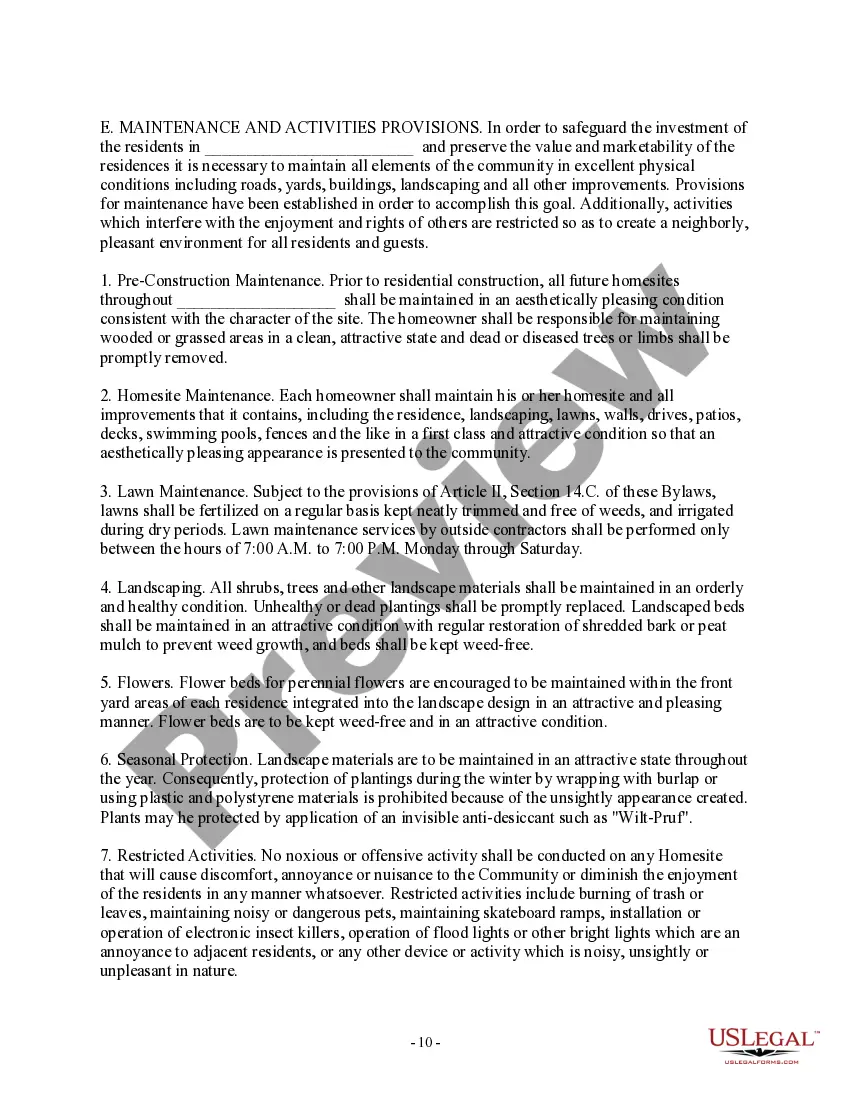


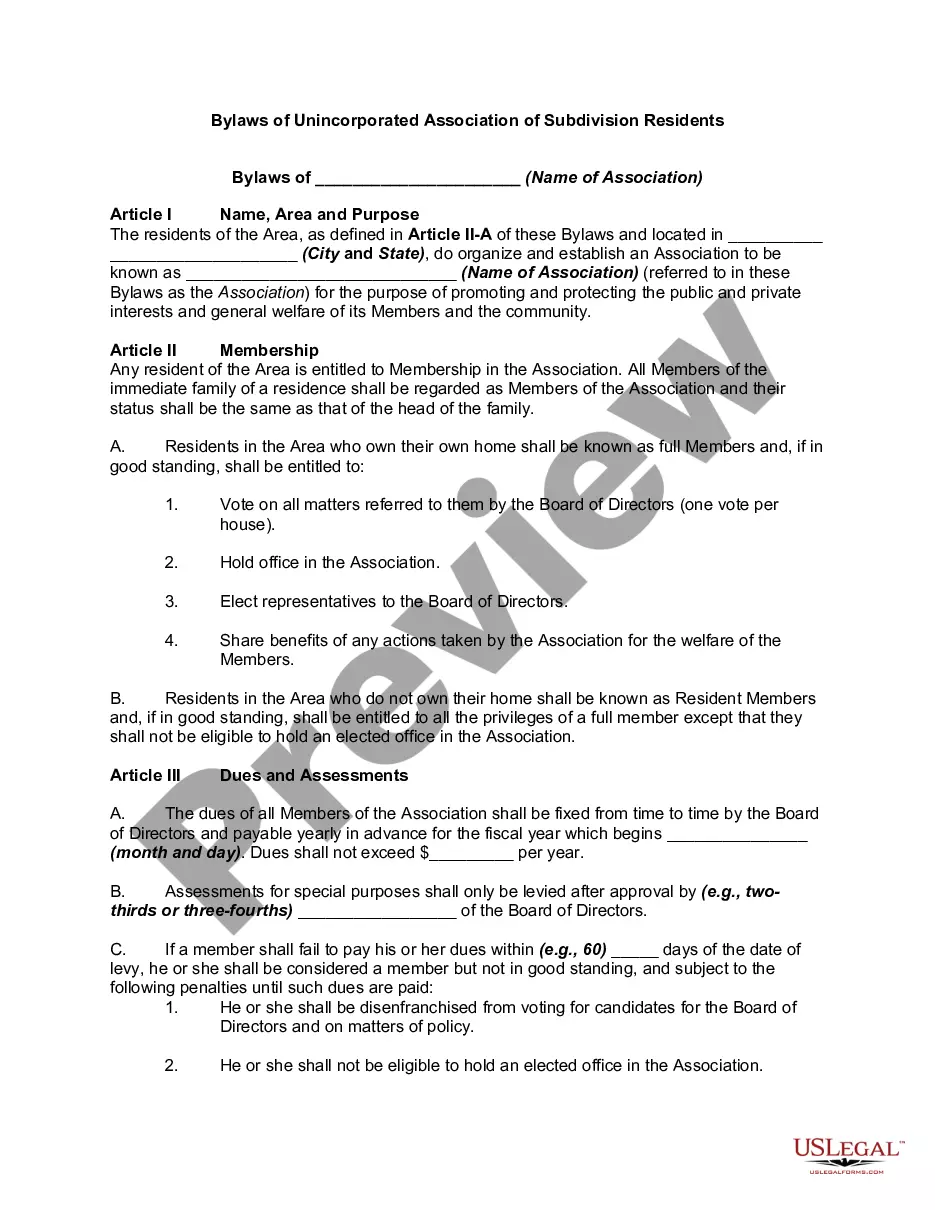
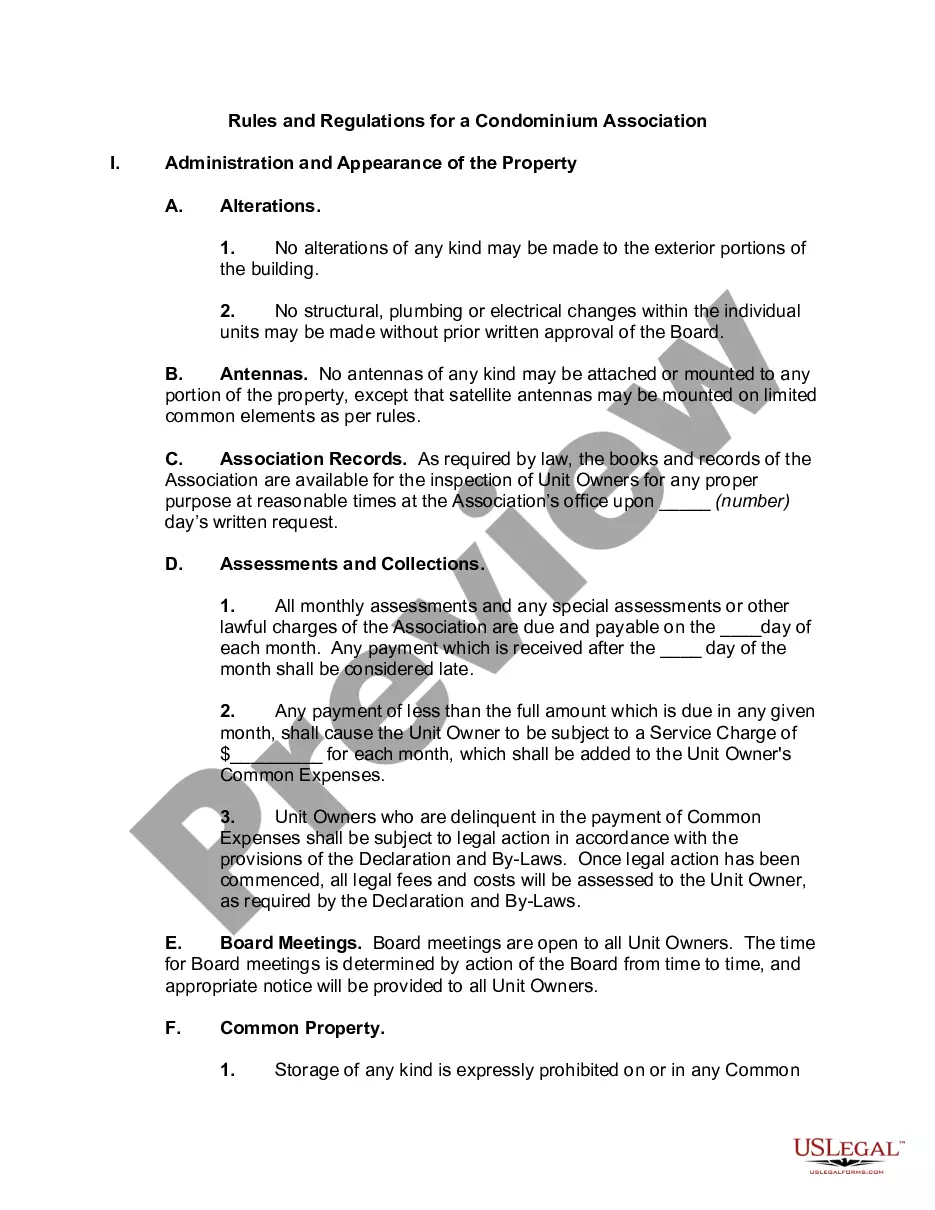
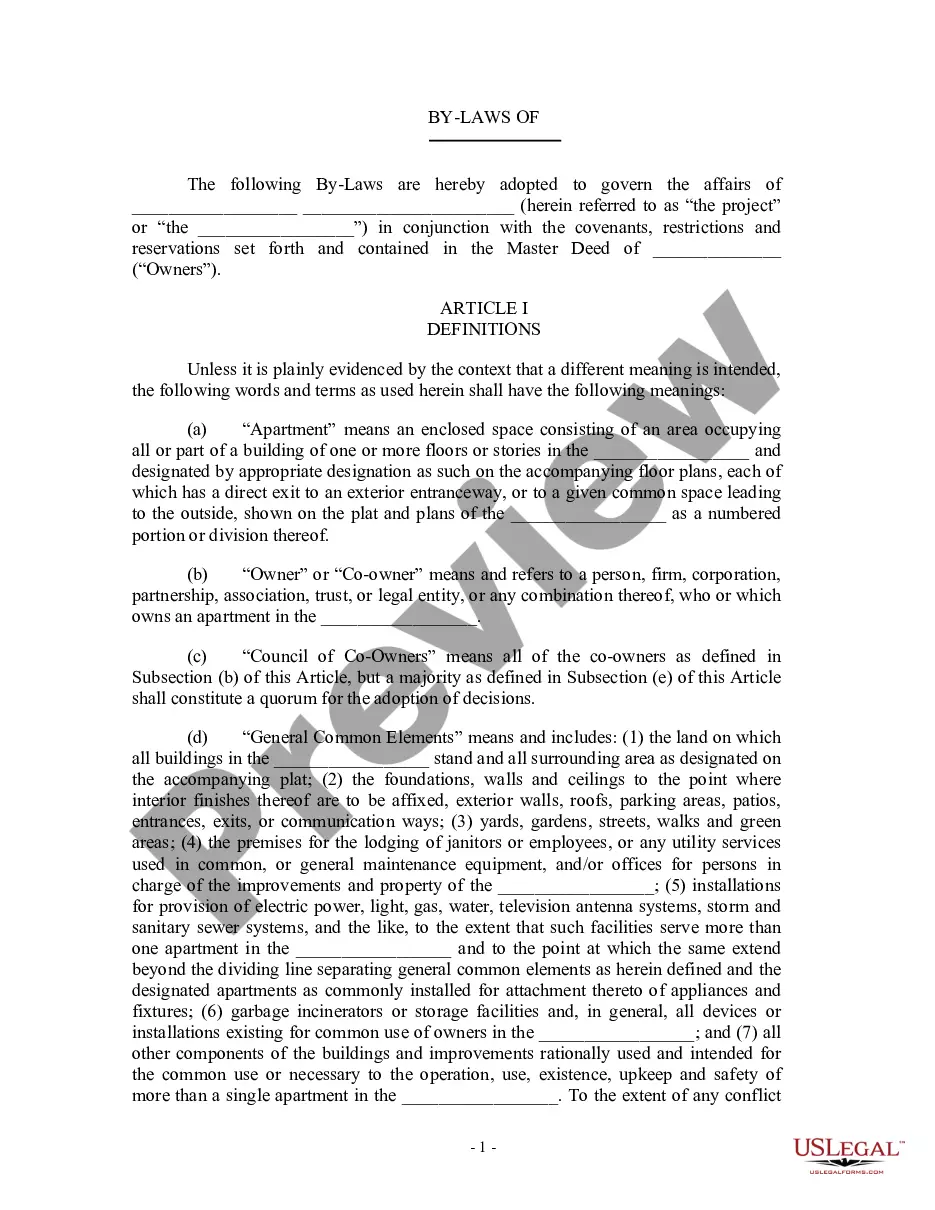
Get your form ready online
Our built-in tools help you complete, sign, share, and store your documents in one place.
Make edits, fill in missing information, and update formatting in US Legal Forms—just like you would in MS Word.
Download a copy, print it, send it by email, or mail it via USPS—whatever works best for your next step.
Sign and collect signatures with our SignNow integration. Send to multiple recipients, set reminders, and more. Go Premium to unlock E-Sign.
If this form requires notarization, complete it online through a secure video call—no need to meet a notary in person or wait for an appointment.
We protect your documents and personal data by following strict security and privacy standards.

Make edits, fill in missing information, and update formatting in US Legal Forms—just like you would in MS Word.

Download a copy, print it, send it by email, or mail it via USPS—whatever works best for your next step.

Sign and collect signatures with our SignNow integration. Send to multiple recipients, set reminders, and more. Go Premium to unlock E-Sign.

If this form requires notarization, complete it online through a secure video call—no need to meet a notary in person or wait for an appointment.

We protect your documents and personal data by following strict security and privacy standards.
Looking for another form?








Form popularity
FAQ
It is not legal for your landlord to physically force you to move out or to change the locks or to shut off your utilities to get you to move out. Pennsylvania law only allows a landlord to evict you by going to court, usually before an MDJ.
Pennsylvania Uniform inium Act §§ 3101 to. 3414) was adopted in 1980 to govern the formation and operation of iniums. Prior to the UCA, iniums in Pennsylvania were governed by the since-repealed Unit Property Act. By definition, a inium is a form of real estate ownership.
The notice period will depend on the tenancy or agreement, but it's usually at least 4 weeks.
Under tenant protection laws in Pennsylvania, tenants have a clear right to their security deposit return at the end of their lease. The process for returning these funds, however, may involve deductions to compensate for property damages deemed beyond normal wear and tear.
(a) General rule. --It is unlawful for any landlord ratepayer or agent or employee thereof to threaten or take reprisals against a tenant because the tenant exercised his rights under section 1527 (relating to right of tenants to continued service) or section 1529 (relating to right of tenant to recover payments).
What Are Tenant Rights in Pennsylvania? Tenants have renter rights in PA that grant a habitable living environment, fair treatment and a clear understanding of lease terms. Renters are entitled to privacy, with landlords required to provide notice before entry, except in emergencies.
Contact the PHRC Call the Pennsylvania Fair Housing Line. Call 855-866-5718. Call the PHRC. Call 717-787-4410. Contact the PHRC regional office closest to you. Contact the PHRC regional office closest to you. Fill out a contact us form. Fill out a contact us form.
Iniums in Pennsylvania are governed by the Uniform inium Act, 68 Pa. Stat. §§ 3101 to 3414 (the “UCA”). Although “inium” is a term generally used to refer to an individually-owed unit, it is also a form of ownership where property other than the individual unit is deemed to be common property.
The amount of time depends on the seriousness of the defect. If it is an emergency, the landlord is required to act quickly. For example, if you are without heat in the winter, it is reasonable to expect the landlord to provide heat within 24 hours. In the case of a non-emergency the landlord would have more time.
