Educational Assistance Employees With Mental Health Issues In North Carolina
Description

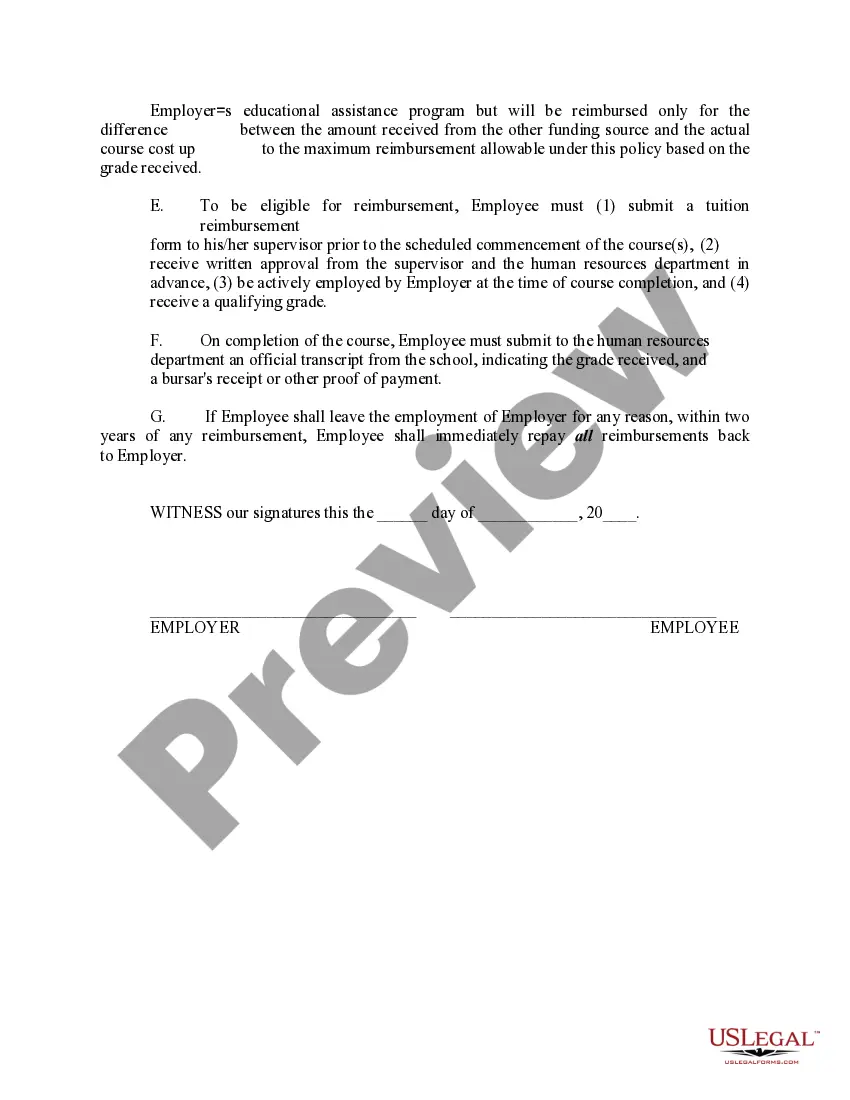
Get your form ready online
Our built-in tools help you complete, sign, share, and store your documents in one place.
Make edits, fill in missing information, and update formatting in US Legal Forms—just like you would in MS Word.
Download a copy, print it, send it by email, or mail it via USPS—whatever works best for your next step.
Sign and collect signatures with our SignNow integration. Send to multiple recipients, set reminders, and more. Go Premium to unlock E-Sign.
If this form requires notarization, complete it online through a secure video call—no need to meet a notary in person or wait for an appointment.
We protect your documents and personal data by following strict security and privacy standards.

Make edits, fill in missing information, and update formatting in US Legal Forms—just like you would in MS Word.

Download a copy, print it, send it by email, or mail it via USPS—whatever works best for your next step.

Sign and collect signatures with our SignNow integration. Send to multiple recipients, set reminders, and more. Go Premium to unlock E-Sign.

If this form requires notarization, complete it online through a secure video call—no need to meet a notary in person or wait for an appointment.

We protect your documents and personal data by following strict security and privacy standards.
Looking for another form?



Form popularity
FAQ
Be informed. Develop a helpful approach toward the person suffering. Say what you think in a positive way. Encourage the person suffering to seek help when necessary. Express your feelings. Take care of yourself. Solve one problem at a time. Respect your limits and seek help when necessary.
Recognize their feelings and express your understanding back to them. Don't be afraid to relate on a personal level. Ask them what they can do to get better. Encourage them to seek support or talk to someone.
The state ranks last in the nation for access to quality behavioral health care, with about two out of five North Carolinians living in an area with no access to mental health professionals.
For this reason it's vital you have a meaningful conversation with your employee about their needs and really listen to them. Be positive – focus on what employees can do, rather than what they can't. Work together and involve people in finding solutions as much as possible.
How you can help let them know you care and support them. treat them with respect and dignity. talk with them about their feelings. suggest that speaking to someone they feel comfortable with, their GP or other mental health professional, may help them feel better.
The 5Cs are competence, confidence, character, caring, and connection. The anxiety dimensions are Social anxiety, Physical symptoms, Separation anxiety, and Harm avoidance.
There are many ways you can help a friend, relative or colleague who has a mental health problem: Talking about mental health. Set time aside with no distractions. Let them share as much or as little as they want to. Don't try to diagnose or second guess their feelings. Keep questions open ended. Talk about self-care.
When someone shares information about their mental health, it's essential to have a sensitive and supportive conversation with them about their needs. Choose an appropriate place. Avoid making assumptions. Embed confidentiality. Encourage people to talk. Respond flexibly. Develop a wellbeing plan.
Ask simple, open and non-judgmental questions and let people explain in their own words how their mental health problem manifests, the triggers, how it impacts on their work and what support they need.
Adult Services Assertive Community Treatment Team (ACTT) ... Community Support Team (CST) ... Comprehensive Clinical Assessment (CCA) ... Crisis Evaluation and Observation. Facility-Based Crisis. Family Living-Low. Family Living-Moderate. Group Living-Low.
