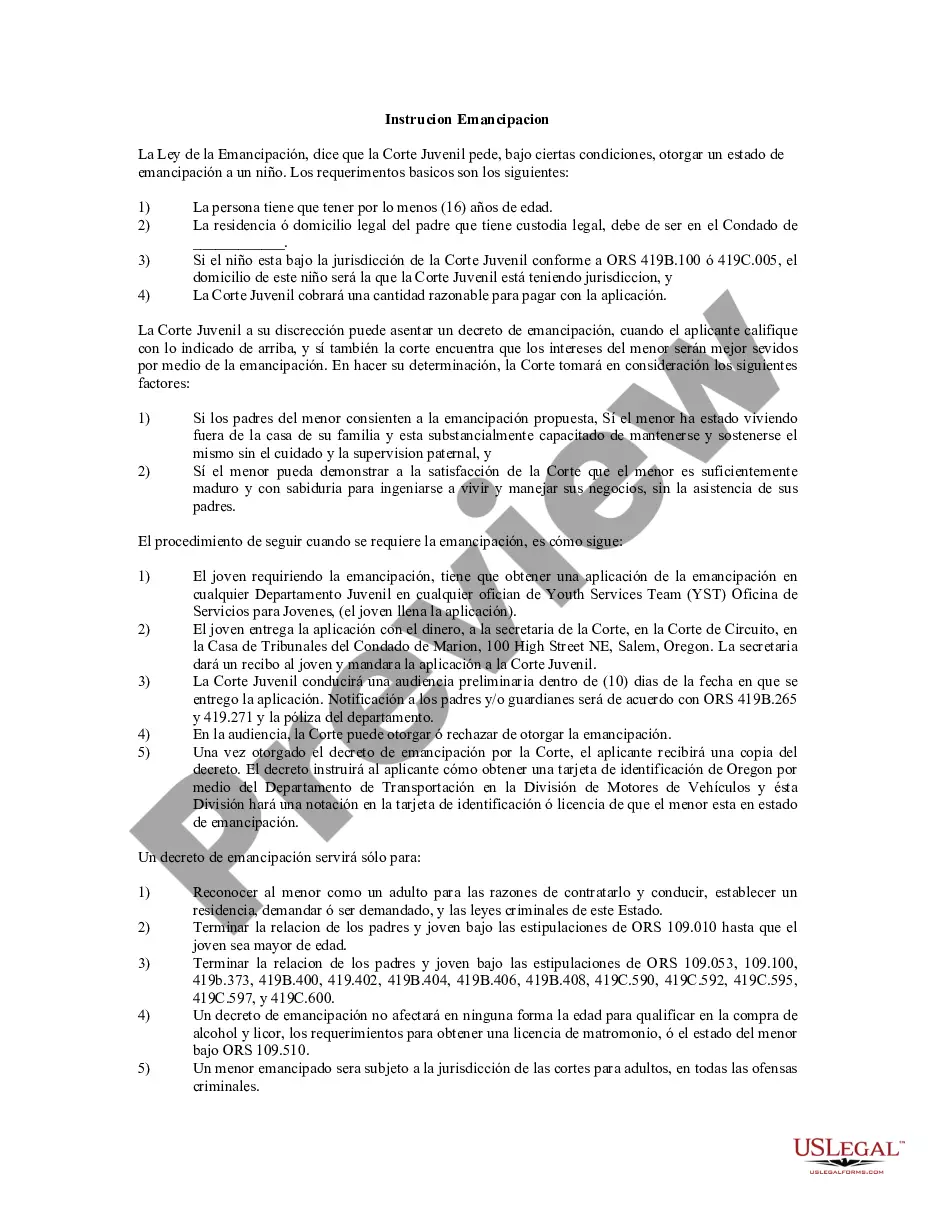
Educational Assistance Program Employees With Disabilities In Massachusetts
Description

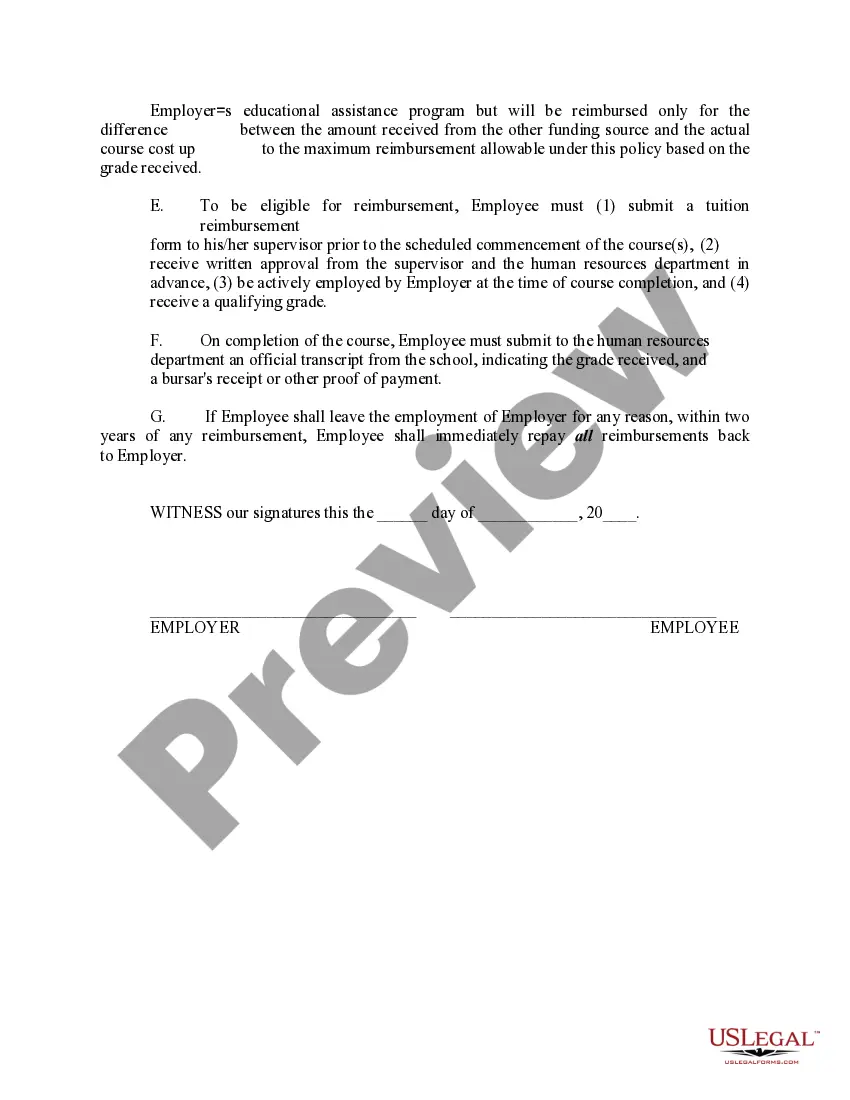
Get your form ready online
Our built-in tools help you complete, sign, share, and store your documents in one place.
Make edits, fill in missing information, and update formatting in US Legal Forms—just like you would in MS Word.
Download a copy, print it, send it by email, or mail it via USPS—whatever works best for your next step.
Sign and collect signatures with our SignNow integration. Send to multiple recipients, set reminders, and more. Go Premium to unlock E-Sign.
If this form requires notarization, complete it online through a secure video call—no need to meet a notary in person or wait for an appointment.
We protect your documents and personal data by following strict security and privacy standards.

Make edits, fill in missing information, and update formatting in US Legal Forms—just like you would in MS Word.

Download a copy, print it, send it by email, or mail it via USPS—whatever works best for your next step.

Sign and collect signatures with our SignNow integration. Send to multiple recipients, set reminders, and more. Go Premium to unlock E-Sign.

If this form requires notarization, complete it online through a secure video call—no need to meet a notary in person or wait for an appointment.

We protect your documents and personal data by following strict security and privacy standards.
Looking for another form?






Form popularity
FAQ
Massachusetts Office on Disability (MOD) The Massachusetts Office on Disability (MOD) provides information, guidance, and training on disability-related civil rights and architectural access.
No, Massachusetts doesn't have its own state disability program. Only five states have a state program (California, Hawaii, New Jersey, New York, and Rhode Island). Residents of Massachusetts can apply for federal disability programs (SSDI and SSI). Read more about SSDI and SSI here.
Massachusetts Developmental Disabilities Council (MDDC) The MDDC is an independent agency, funded by the federal government, dedicated to empowering people with developmental disabilities and their families to enjoy full productive lives by promoting self-sufficiency, community inclusion & opportunity.
We promote the health and well-being of people with disabilities in Massachusetts and prevent secondary conditions by transforming public health systems and sharing power with the disability community. People with disabilities have the right and the ability to be healthy.
The Department of Developmental Services provides supports for individuals with intellectual and developmental disabilities including Autism Spectrum Disorder to enhance opportunities to become fully engaged members of their community.
The Department of Developmental Services (DDS) offers services and supports for individuals with intellectual disabilities and children with developmental disabilities. DDS offers residential supports, services for families, respite care, and transportation services.
The employer is only required to provide a reasonable accommodation to known disabilities (i.e. if the applicant or employee informs the employer of the disability, or if the disability is obvious). Moreover, if an accommodation would cause "undue hardship" <LINK> an employer is not legally required to provide it.
The Disability Law Center (DLC) is the Protection and Advocacy (P&A) agency for Massachusetts. DLC is a private, non-profit organization responsible for providing protection and advocacy for the rights of Massachusetts residents with disabilities.
Yes. Massachusetts law requires the IEP Team to consider and specifically address the full range of a child's complex communication, social, behavioral, and academic needs resulting from autism spectrum disorders.
Special education services are available to eligible students ages 3 up to 22 in Massachusetts who 1) have a disability and 2) as a result of their disability require specially designed instruction or one or more related services (i.e., speech therapy) to access and make progress in the general curriculum.
