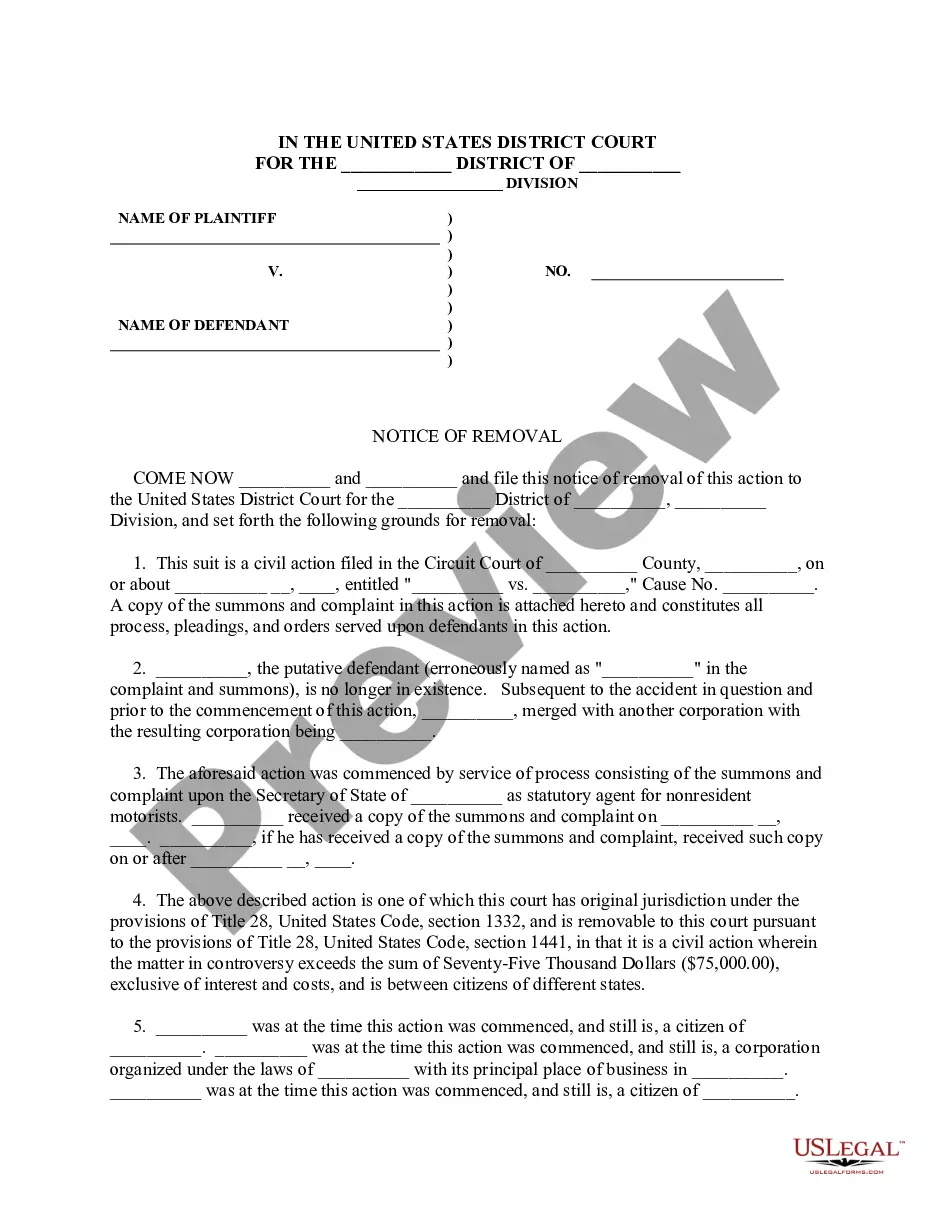
Educational Assistance Employee With Quizlet In King
Description

Get your form ready online
Our built-in tools help you complete, sign, share, and store your documents in one place.
Make edits, fill in missing information, and update formatting in US Legal Forms—just like you would in MS Word.
Download a copy, print it, send it by email, or mail it via USPS—whatever works best for your next step.
Sign and collect signatures with our SignNow integration. Send to multiple recipients, set reminders, and more. Go Premium to unlock E-Sign.
If this form requires notarization, complete it online through a secure video call—no need to meet a notary in person or wait for an appointment.
We protect your documents and personal data by following strict security and privacy standards.

Make edits, fill in missing information, and update formatting in US Legal Forms—just like you would in MS Word.

Download a copy, print it, send it by email, or mail it via USPS—whatever works best for your next step.

Sign and collect signatures with our SignNow integration. Send to multiple recipients, set reminders, and more. Go Premium to unlock E-Sign.

If this form requires notarization, complete it online through a secure video call—no need to meet a notary in person or wait for an appointment.

We protect your documents and personal data by following strict security and privacy standards.
Looking for another form?



Form popularity
FAQ
The 1920s marked a shift from focusing on employees' efficiency to recognizing the importance of their psychological well-being and satisfaction. The human relations movement, founded by George Elton Mayo, acknowledged that social and psychological factors could better explain employee productivity and output.
The human relations movement in organizational behavior focuses instead on the person as an individual and analyzes what motivates and cultivates their achievement in a work setting. Employee attitudes towards work became important to a successful company.
The first seeds of HR were sown in the early 20th century, as “employment clerks” emerged to select daily help, primarily in factories. But the real genesis of HR was during World War I.
The answer: Employees' moods, emotions, and overall dispositions have an impact on job performance, decision making, creativity, turnover, teamwork, negotiations and leadership. “The state of the literature shows that affect matters because people are not isolated 'emotional islands.
Personnel management is mainly about basic administrative tasks like hiring, paying, teaching, and making sure everyone gets along. HRM, on the other hand, focuses on measuring the needs of the company and constantly reviewing and changing all systems to reach a single goal.
Over the past decade, the HR role has evolved from just providing administrative support with tasks like filling in talent gaps or managing employee relations issues. Now, these professionals are leading the overarching people experience and, together with leadership, driving workplace culture.
A mentor is a more experienced nurse who provides guidance and support to a novice nurse in a continuing and caring relationship. The guidance and support can be provided through counseling, role modeling, and teaching.
How do employee assistance programs (EAPs) enhance employee effectiveness? Prevention, identification, and resolution of personal concerns.