Educational Assistance Employees With Disabilities In Chicago
Description

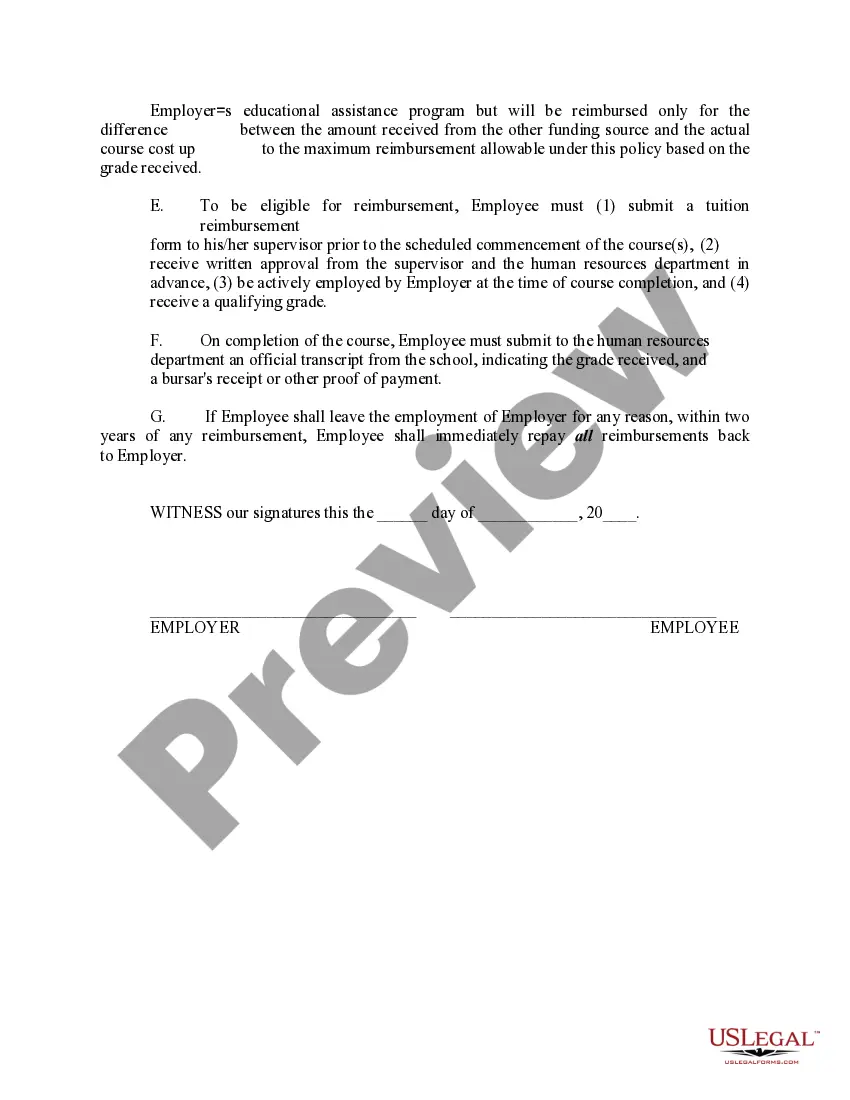
Get your form ready online
Our built-in tools help you complete, sign, share, and store your documents in one place.
Make edits, fill in missing information, and update formatting in US Legal Forms—just like you would in MS Word.
Download a copy, print it, send it by email, or mail it via USPS—whatever works best for your next step.
Sign and collect signatures with our SignNow integration. Send to multiple recipients, set reminders, and more. Go Premium to unlock E-Sign.
If this form requires notarization, complete it online through a secure video call—no need to meet a notary in person or wait for an appointment.
We protect your documents and personal data by following strict security and privacy standards.

Make edits, fill in missing information, and update formatting in US Legal Forms—just like you would in MS Word.

Download a copy, print it, send it by email, or mail it via USPS—whatever works best for your next step.

Sign and collect signatures with our SignNow integration. Send to multiple recipients, set reminders, and more. Go Premium to unlock E-Sign.

If this form requires notarization, complete it online through a secure video call—no need to meet a notary in person or wait for an appointment.

We protect your documents and personal data by following strict security and privacy standards.
Looking for another form?

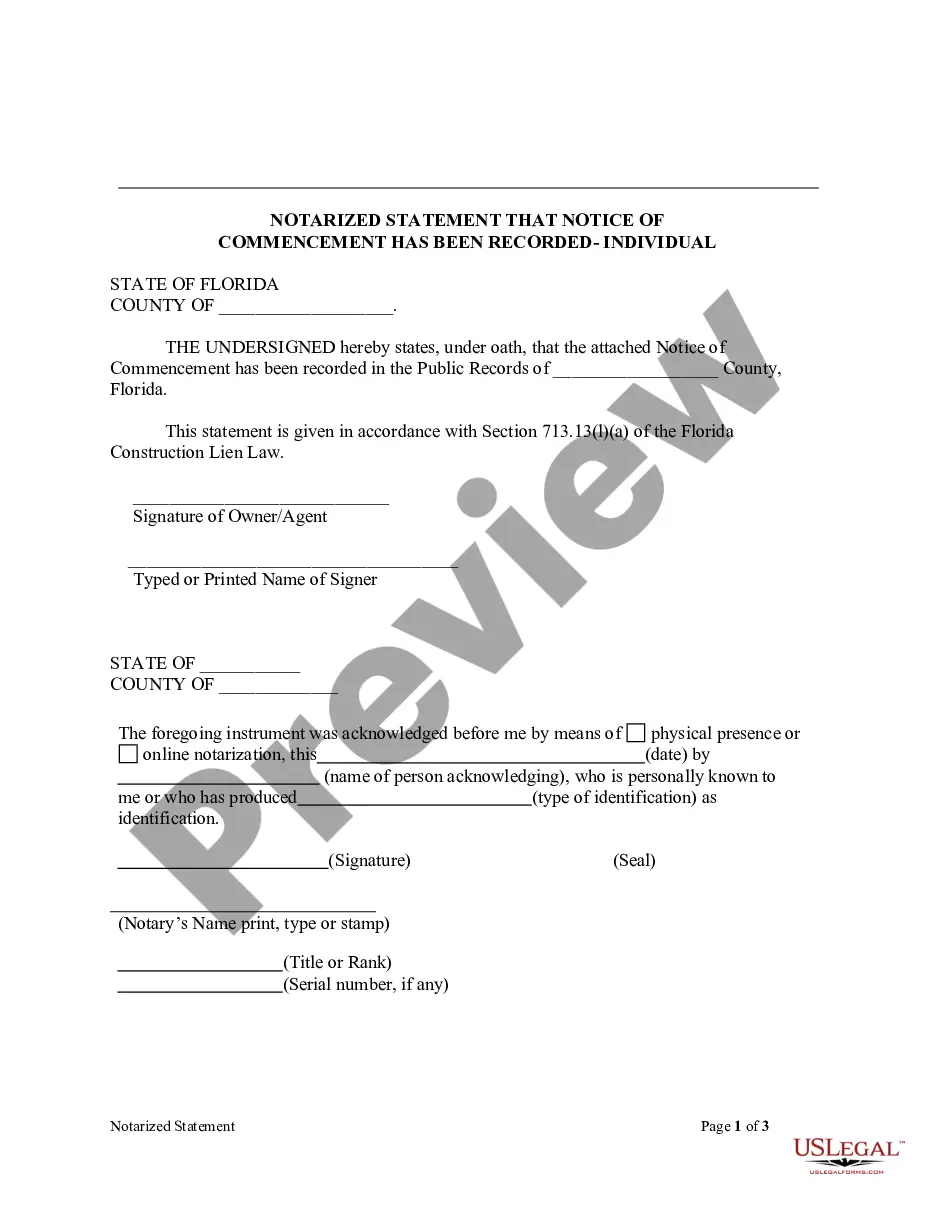


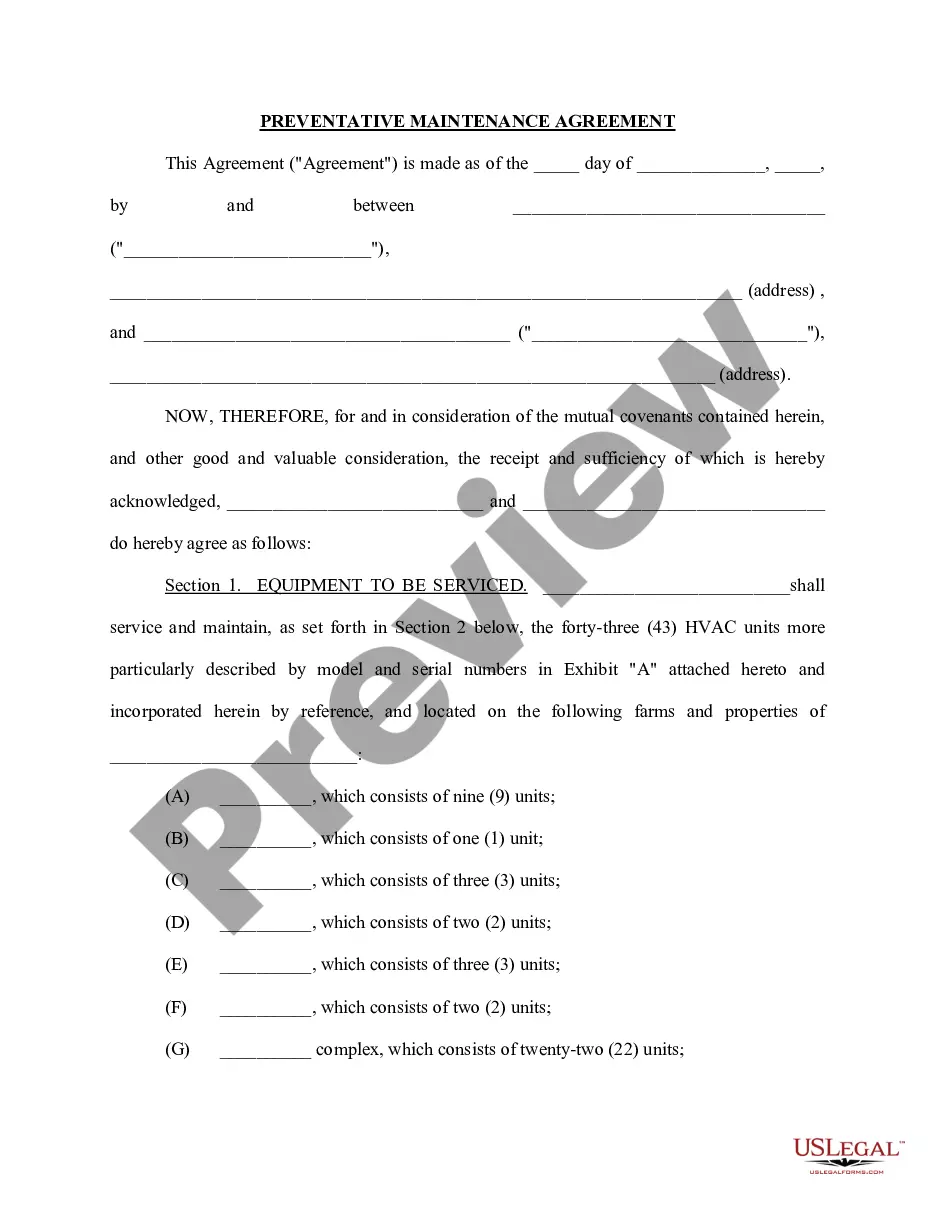

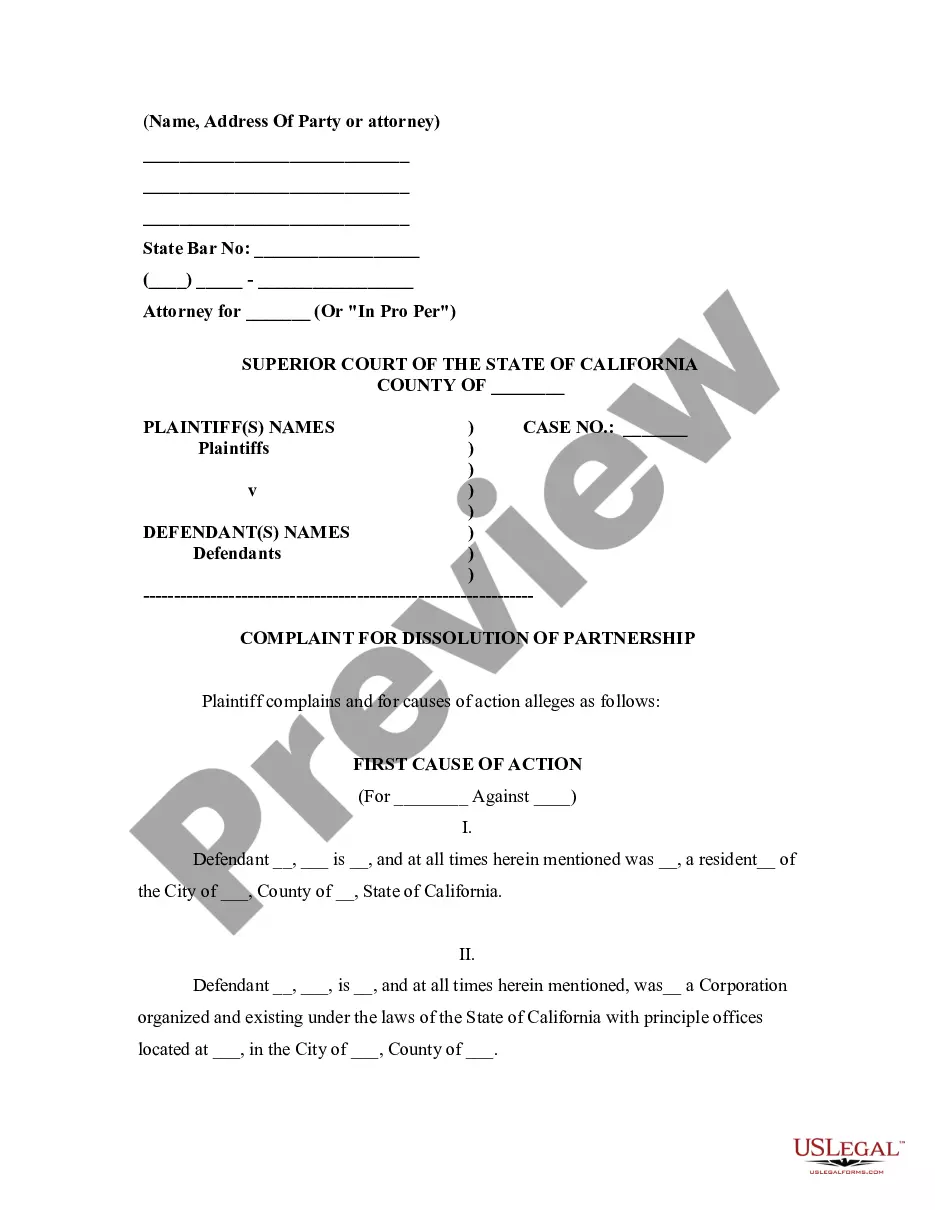

Form popularity
FAQ
You're disabled under the Equality Act 2010 if you have a physical or mental impairment that has a 'substantial' and 'long-term' negative effect on your ability to do normal daily activities.
The Athletic Use, Resident, Contractor, and Service Provider (ARCS) program enables artists, artist organizations, community groups, organizations, and businesses to enter into a mutual agreement to provide mission-centered programs and services to the public on Park District property.
121101 prohibits discrimination against a qualified individual with a disability with regard to job application procedures; the hiring, advancement, or discharge of employees; employee compensation; job training; and other terms, conditions, and privileges of employment.
A person has a disability if the condition substantially limits at least one major life activity, such as walking, hearing, seeing, working, or learning. A person can also be considered disabled under civil rights laws if regarded as having disability, even if the actual condition does not qualify as a disability.
The law says someone is disabled if both of these apply: they have a 'physical or mental impairment' the impairment 'has a substantial and long-term adverse effect on their ability to carry out normal day-to-day activities'
Illinois Department of Human Services, Division of Rehabilitation Services. The Division of Rehabilitation Services is the state's lead agency serving individuals with disabilities.
121101 prohibits discrimination against a qualified individual with a disability with regard to job application procedures; the hiring, advancement, or discharge of employees; employee compensation; job training; and other terms, conditions, and privileges of employment.
The Persons with Disabilities waiver is a part of a program called the Home Services Program (HSP). The Illinois Department of Healthcare and Family Services (HFS) is the state Medicaid Agency (MA) and is responsible for administration and oversight of this Home and Community Based Services (HCBS) waiver.
The Chicago Recovery Plan (CRP) leverages federal funding from the American Rescue Plan Act (ARPA) alongside City-issued bond funds to create an equity-based investment strategy aiming to catalyze a sustainable economic recovery from the COVID-19 pandemic.
