Credit Card Form Statement With Authorized User In Ohio
Description
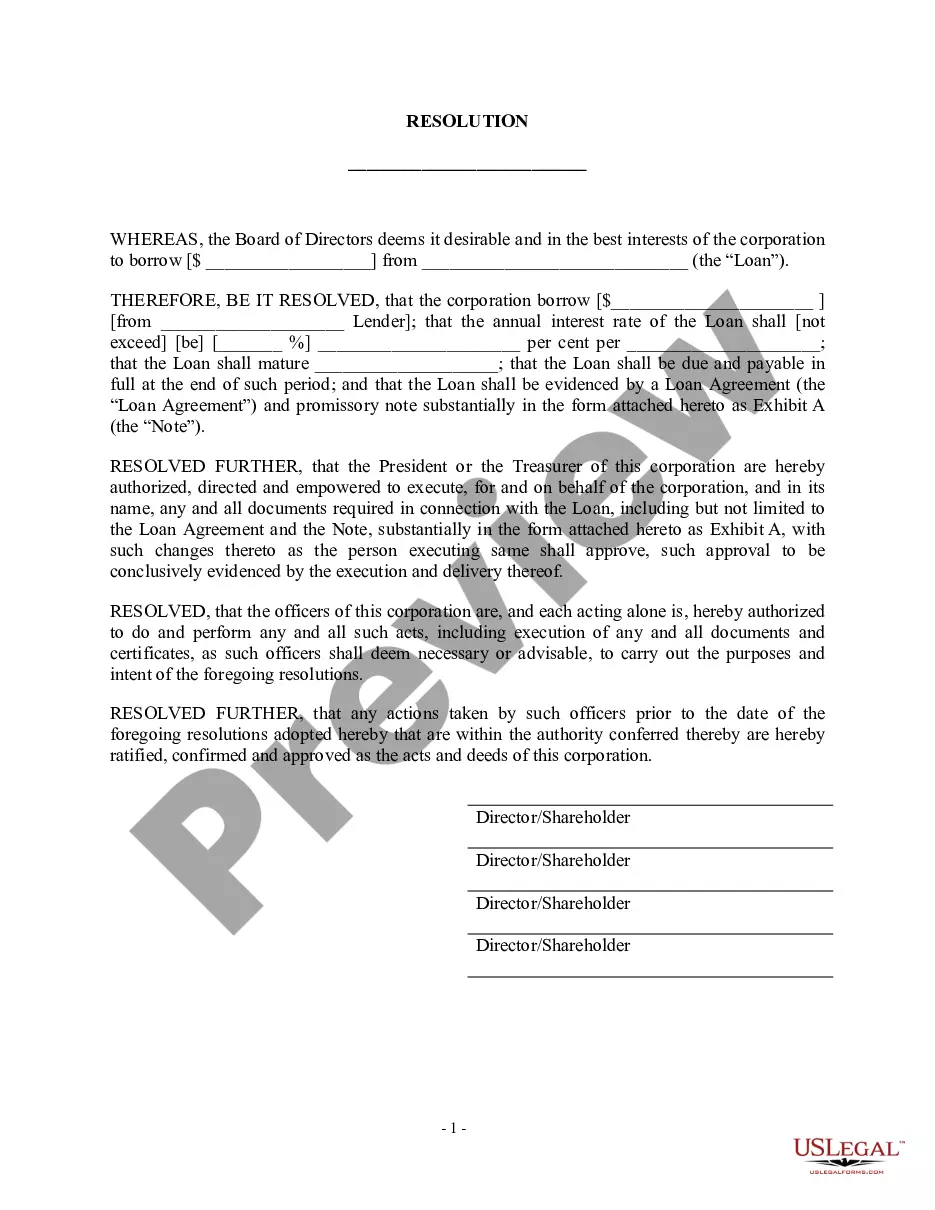
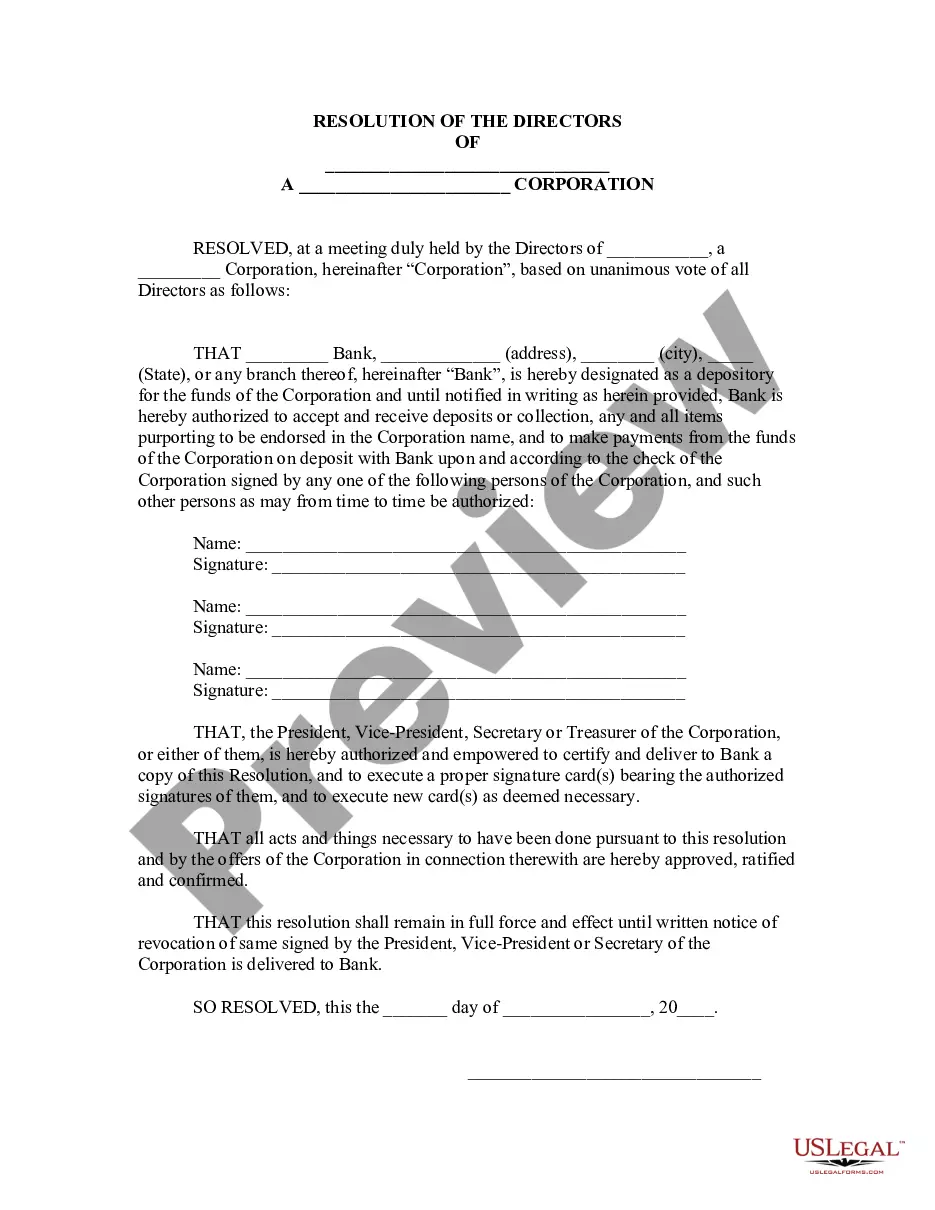
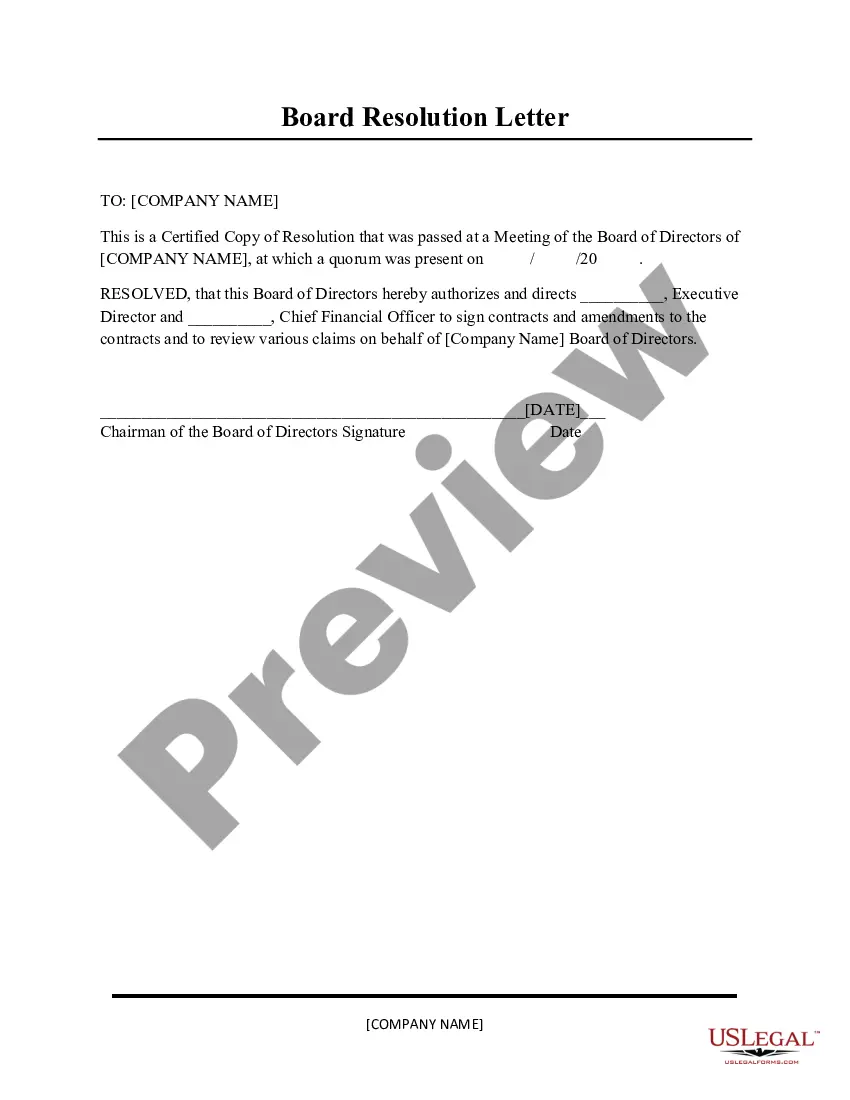
Get your form ready online
Our built-in tools help you complete, sign, share, and store your documents in one place.
Make edits, fill in missing information, and update formatting in US Legal Forms—just like you would in MS Word.
Download a copy, print it, send it by email, or mail it via USPS—whatever works best for your next step.
Sign and collect signatures with our SignNow integration. Send to multiple recipients, set reminders, and more. Go Premium to unlock E-Sign.
If this form requires notarization, complete it online through a secure video call—no need to meet a notary in person or wait for an appointment.
We protect your documents and personal data by following strict security and privacy standards.

Make edits, fill in missing information, and update formatting in US Legal Forms—just like you would in MS Word.

Download a copy, print it, send it by email, or mail it via USPS—whatever works best for your next step.

Sign and collect signatures with our SignNow integration. Send to multiple recipients, set reminders, and more. Go Premium to unlock E-Sign.

If this form requires notarization, complete it online through a secure video call—no need to meet a notary in person or wait for an appointment.

We protect your documents and personal data by following strict security and privacy standards.
Looking for another form?









Form popularity
FAQ
The information on such a form must include: Cardholder's name. Card number. Card network (Visa, Mastercard, American Express, Discover, etc.) Card expiration date. Cardholder's billing zip code. Business name. Statement authorizing charges. Cardholder's signature and the date they signed.
The information on such a form must include: Cardholder's name. Card number. Card network (Visa, Mastercard, American Express, Discover, etc.) Card expiration date. Cardholder's billing zip code. Business name. Statement authorizing charges. Cardholder's signature and the date they signed.
If these forms are not stored securely or are accessible to unauthorized individuals, it increases the likelihood of credit card fraud or data breaches. Transmission of Information: Transmitting paper forms with credit card details via fax, mail, or email is not secure.
It's simple: A credit card authorization form typically includes the following general information to ensure a smooth transaction process: Cardholder's name. Card number. Card network. Credit card expiration date. Billing address. Contact information. Authorized amount. Cardholder's signature.
Potential drawbacks associated with authorized users include possible fees, unequal financial responsibility, credit score impact and more.
The authorized user will likely not receive a monthly statement for the credit card. However, some credit cards can break out spending made by the authorized user within the balance statement so the cardholder can understand which charges were made by whom.
Yes, you can give someone permission to use your debit card, but there are a few important considerations: Authorization: You can verbally or in writing authorize someone to use your card, but this doesn't change the fact that you are still responsible for any transactions made with it.
Just about anyone can be an authorized user as long as they are of age; some issuers may have different age requirements, but generally you have to be at least 13 years or older to become an authorized user. Usually, this is a trusted friend or family member who's seeking a way to build up their credit.
They might be a child, another family member or even a close friend. However, anybody can become an authorized user if they meet the card issuer's age requirements and the primary cardholder approves the addition.
Adding your partner as an authorized user can help them build their credit and help you manage household expenses. Some cards extend cardholder benefits to authorized users, letting them enjoy perks like lounge access and statement credits.

