Completion Report For In Washington
Description
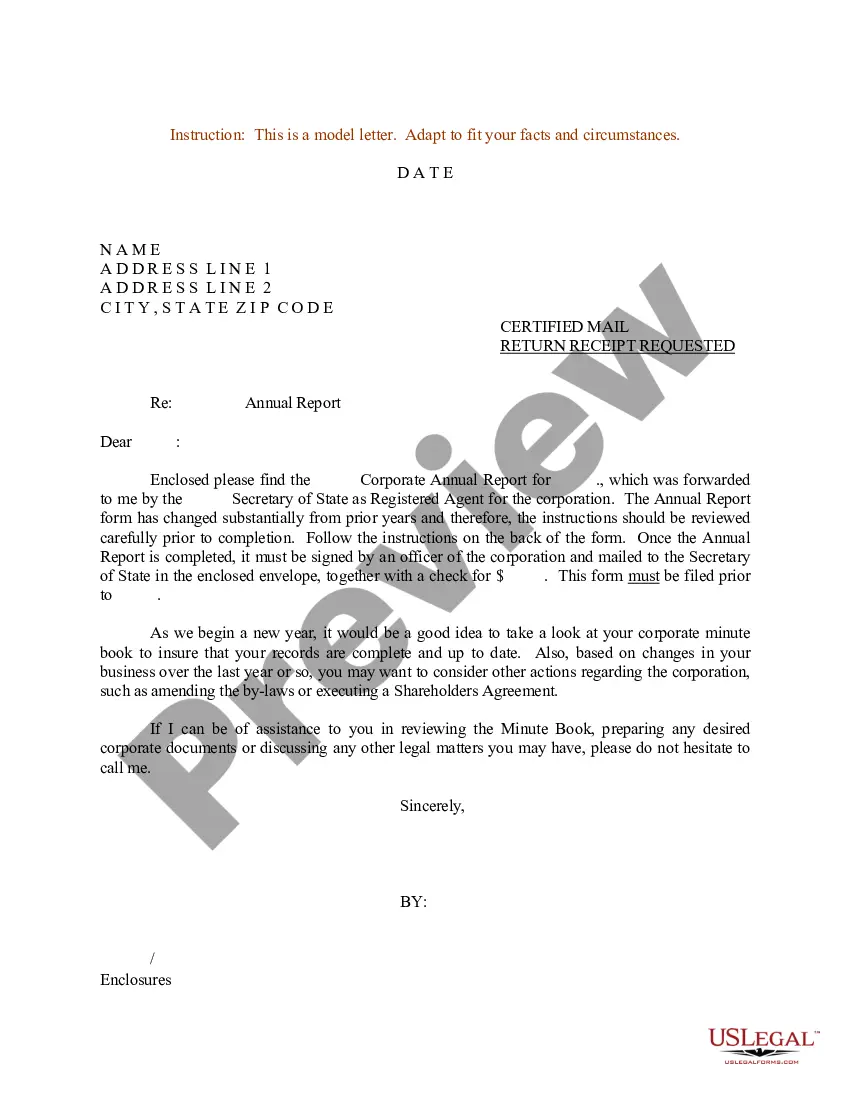
Get your form ready online
Our built-in tools help you complete, sign, share, and store your documents in one place.
Make edits, fill in missing information, and update formatting in US Legal Forms—just like you would in MS Word.
Download a copy, print it, send it by email, or mail it via USPS—whatever works best for your next step.
Sign and collect signatures with our SignNow integration. Send to multiple recipients, set reminders, and more. Go Premium to unlock E-Sign.
If this form requires notarization, complete it online through a secure video call—no need to meet a notary in person or wait for an appointment.
We protect your documents and personal data by following strict security and privacy standards.

Make edits, fill in missing information, and update formatting in US Legal Forms—just like you would in MS Word.

Download a copy, print it, send it by email, or mail it via USPS—whatever works best for your next step.

Sign and collect signatures with our SignNow integration. Send to multiple recipients, set reminders, and more. Go Premium to unlock E-Sign.

If this form requires notarization, complete it online through a secure video call—no need to meet a notary in person or wait for an appointment.

We protect your documents and personal data by following strict security and privacy standards.
Looking for another form?








Form popularity
FAQ
However, all completion report samples should include the following information: Project name and description. List of objectives/goals. Scope of work. Overview of progress to date. Remaining tasks and deliverables. Anticipated completion date. Issues and risks.
How do you write a closure report? Arrange a project post-mortem. Briefly summarize the project and its objectives. Describe what the team accomplished during the project. Discuss any lessons learned during the project. Make recommendations for future projects. Thank your team and sponsors.
Completion reports describe the project's expected impact, outcome and outputs; conduct of activities; evaluation and achievement of the expected outcomes; an assessment and rating; major lessons; and recommendations and follow-up actions.
How to write a project report: Understand the purpose: Know the “why” and “who” to guide the content and tone. Gather and organize information: Collect accurate and up-to-date data, and structure it logically. Format and proofread: Ensure consistent formatting and check for errors.
It provides written documentation of the planned and actual budget, the baseline and actual schedule, and documents recommendations for other projects of similar size and scope. Be certain to identify in the report the project successes, problems on the project, and new ideas that were successful on the project.
Log into your existing Washington CCFS (Corporation and Charities Filing System) Account. Create a new Washington CCFS Account. Click “Express Annual Report Without Changes – No Login Required” OR “Express Annual Report With Changes – No Login Required.” Then, follow a series of prompts to begin the filing process.
Your Washington Annual Report can be filed online or by mail. However, if you file by mail, you'll need to contact the Secretary of State's office and request to have a paper form mailed to you. To File Online: Go to the WA state website.
The annual report must also comply with any requirements prescribed by the rules, which are detailed in this guidance. For entities that report on a financial year basis the annual report must be prepared and provided to the responsible Minister by 15 October for each reporting period.
First, an Annual Report is required. Washington LLCs and for-profit business corporations are required to file an Annual Report with the Washington Secretary of State each year by the end of the month marking the anniversary of the entity's formation.