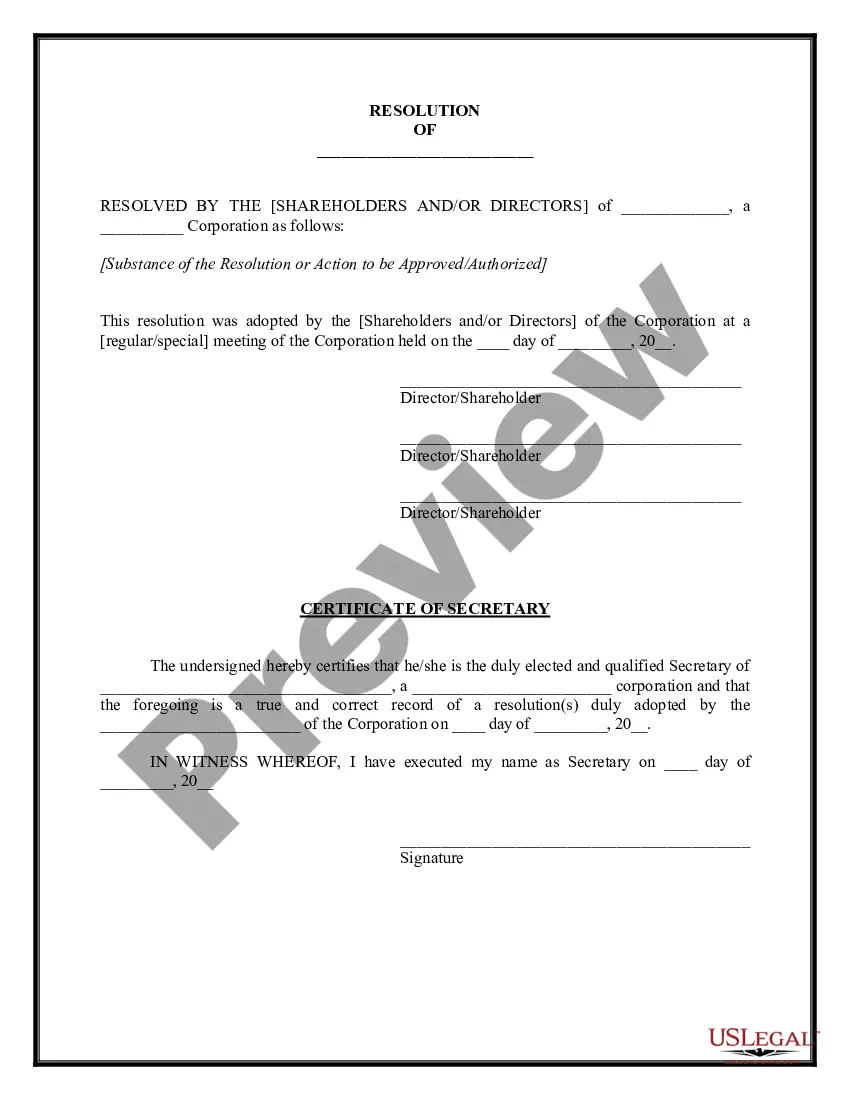
Completion Certificate For Residential Building In North Carolina
Description
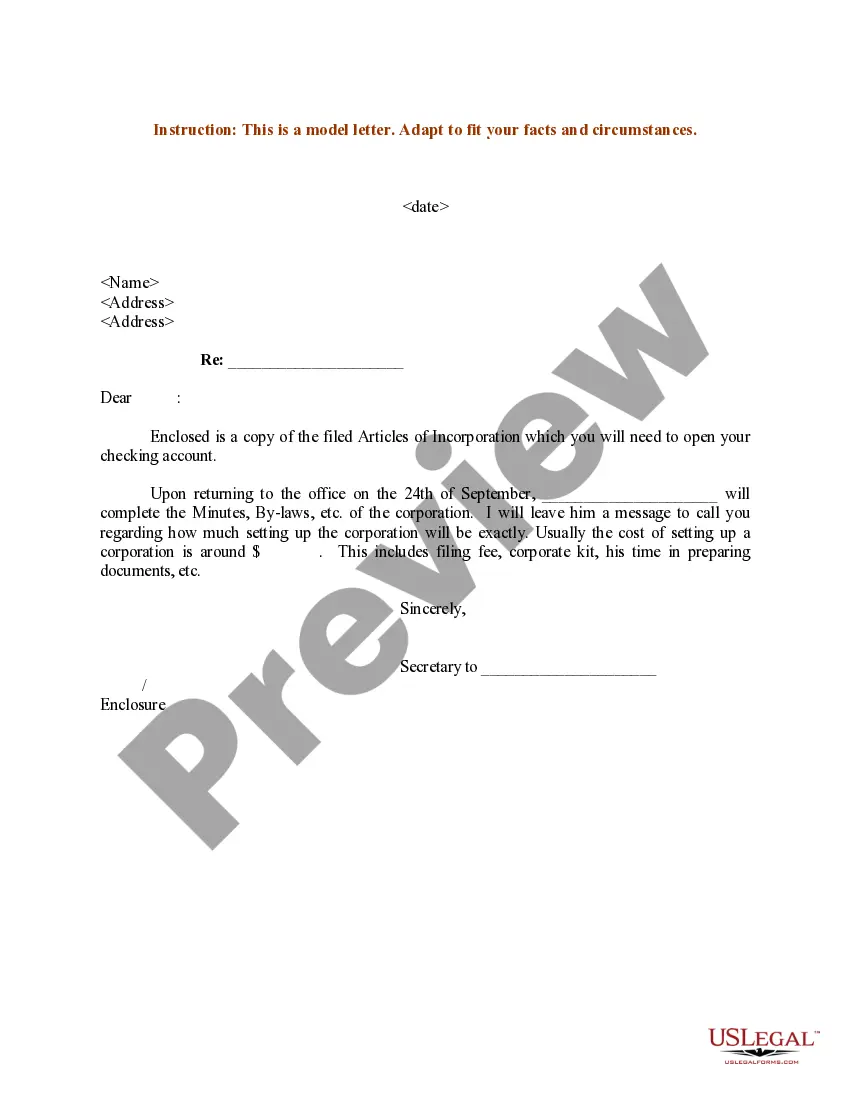
Get your form ready online
Our built-in tools help you complete, sign, share, and store your documents in one place.
Make edits, fill in missing information, and update formatting in US Legal Forms—just like you would in MS Word.
Download a copy, print it, send it by email, or mail it via USPS—whatever works best for your next step.
Sign and collect signatures with our SignNow integration. Send to multiple recipients, set reminders, and more. Go Premium to unlock E-Sign.
If this form requires notarization, complete it online through a secure video call—no need to meet a notary in person or wait for an appointment.
We protect your documents and personal data by following strict security and privacy standards.

Make edits, fill in missing information, and update formatting in US Legal Forms—just like you would in MS Word.

Download a copy, print it, send it by email, or mail it via USPS—whatever works best for your next step.

Sign and collect signatures with our SignNow integration. Send to multiple recipients, set reminders, and more. Go Premium to unlock E-Sign.

If this form requires notarization, complete it online through a secure video call—no need to meet a notary in person or wait for an appointment.

We protect your documents and personal data by following strict security and privacy standards.
Looking for another form?




Form popularity
FAQ
If you fail to get a permit for work that requires it, you can be fined. You may be forced to remove a building or tear out completed work.
The North Carolina State Building Code states, "No person, firm or corporation shall , construct, enlarge, , alter, repair, move, improve, remove, convert or demolish any building, structure, or service system without first obtaining a permit for such from the Inspections Department having jurisdiction."
Failing to get the proper permit for your project may result in you having to demolish it, or hire a professional to step in and take over. In North Carolina, you're required to have a building permit whenever your structure such as a deck is larger than 12 feet.
The following projects do not require a permit: Asphalt or gravel driveways. Awnings (wall mounted only) Exterior work under $15000 - Non Structural Only. Interior work under $15000 - Non Structural Only. Non-residential farm buildings. Non-structural slab (no footers for future building construction)
Work Not Requiring A Permit Asphalt or gravel driveways. Awnings (wall mounted only) Exterior work under $15000 - Non Structural Only. Interior work under $15000 - Non Structural Only. Non-residential farm buildings. Non-structural slab (no footers for future building construction) Painting private residences.
The State of North Carolina licensing boards and the General Statutes allows a homeowner to obtain a permit to perform the work on their home by meeting certain criteria.
Completion and approval of all building, mechanical, plumbing, electrical and fire inspections: All issues need to be addressed to the satisfaction of the North Carolina Building Code.
If you fail to get a permit for work that requires it, you can be fined. You may be forced to remove a building or tear out completed work.
No new building or part thereof may be occupied, no addition or of an existing building may be occupied, and no existing building that has been altered may be occupied until a Code Enforcement Official has issued a Certificate of Occupancy (CO).
The review process may take only a few minutes to review the application for a single trade mechanical or electrical permit, and as long as 1-10 working days for review of building construction plans for decks, porches, additions, new homes, and commercial construction depending on work load.