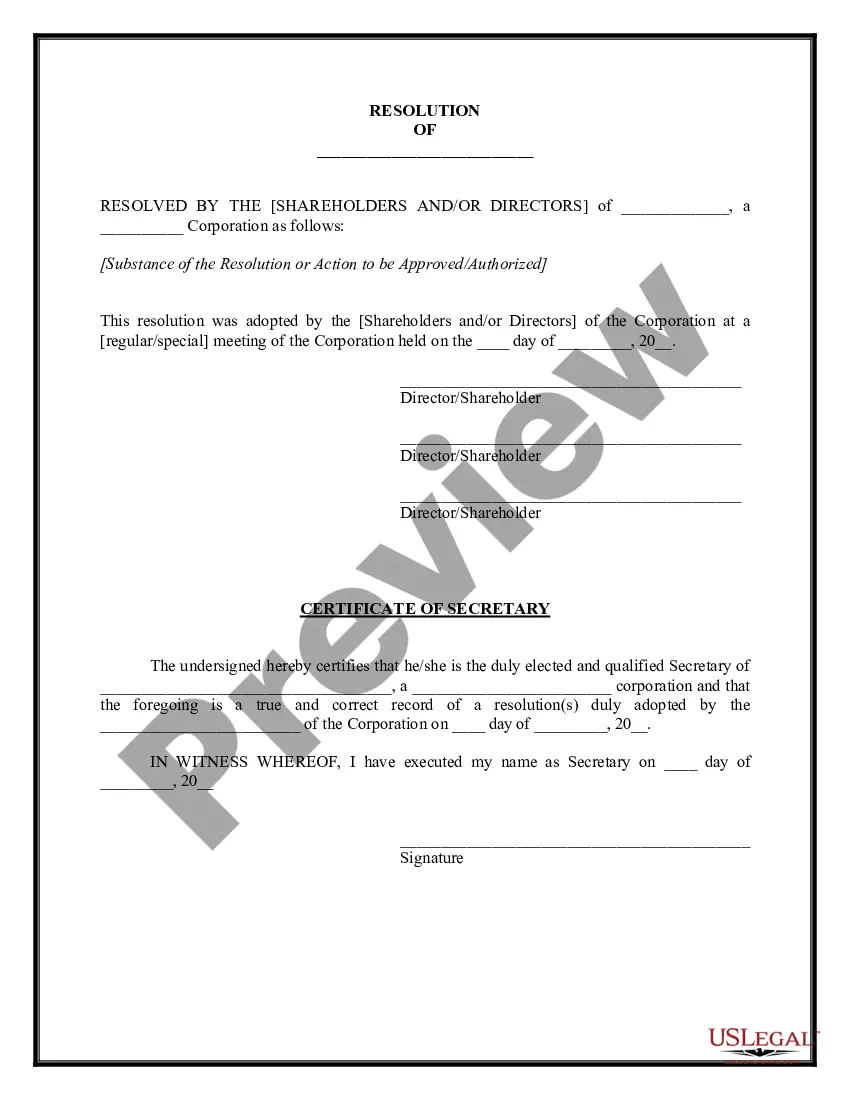
Completion Certificate For House In North Carolina
Description
Get your form ready online
Our built-in tools help you complete, sign, share, and store your documents in one place.
Make edits, fill in missing information, and update formatting in US Legal Forms—just like you would in MS Word.
Download a copy, print it, send it by email, or mail it via USPS—whatever works best for your next step.
Sign and collect signatures with our SignNow integration. Send to multiple recipients, set reminders, and more. Go Premium to unlock E-Sign.
If this form requires notarization, complete it online through a secure video call—no need to meet a notary in person or wait for an appointment.
We protect your documents and personal data by following strict security and privacy standards.

Make edits, fill in missing information, and update formatting in US Legal Forms—just like you would in MS Word.

Download a copy, print it, send it by email, or mail it via USPS—whatever works best for your next step.

Sign and collect signatures with our SignNow integration. Send to multiple recipients, set reminders, and more. Go Premium to unlock E-Sign.

If this form requires notarization, complete it online through a secure video call—no need to meet a notary in person or wait for an appointment.

We protect your documents and personal data by following strict security and privacy standards.
Looking for another form?





Form popularity
FAQ
(b) A temporary certificate of occupancy may be issued permitting occupancy for a stated period of time of either the entire building or of specified portions of the building if the inspector finds that the building may safely be occupied prior to its final completion.
Can I live in my home before receiving a certificate of occupancy? No, you may not move in and/or live in your home until the building department issues a certificate of occupancy.
The Building Inspector enforces the requirements of the building permit. 4. Can I start to move in or store furniture in my house before the certificate of occupancy is issued? No.
No new building or part thereof may be occupied, no addition or of an existing building may be occupied, and no existing building that has been altered may be occupied until a Code Enforcement Official has issued a Certificate of Occupancy (CO).
Most builders will not let you move stuff in before a CO is issued. Most insurance companies will not insure belongings before a CO is issued. The building dept will not allow occupancy ( meaning moving stuff in) before CO is issued. The CO comes after ALL of the permits and inspections have been signed off.
When all permits related to a project have been finaled AND all Fire Codes, State and local laws, local ordinances and regulations have been satisfied (and the agency responsible for enforcing the local ordinance or regulations has released its holds on the project), Code Enforcement will issue a Certificate of ...
It applies in most states except California, where a C of O is required for all new construction, changes of occupancy, renovations, and additions, but the rules of other states differ. Here in New York state, MortgageDepot can assist home buyers in obtaining homes or condos that do not have a Certificate of Occupancy.
The State of North Carolina licensing boards and the General Statutes allows a homeowner to obtain a permit to perform the work on their home by meeting certain criteria.
The following projects do not require a permit: Asphalt or gravel driveways. Awnings (wall mounted only) Exterior work under $15000 - Non Structural Only. Interior work under $15000 - Non Structural Only. Non-residential farm buildings. Non-structural slab (no footers for future building construction)