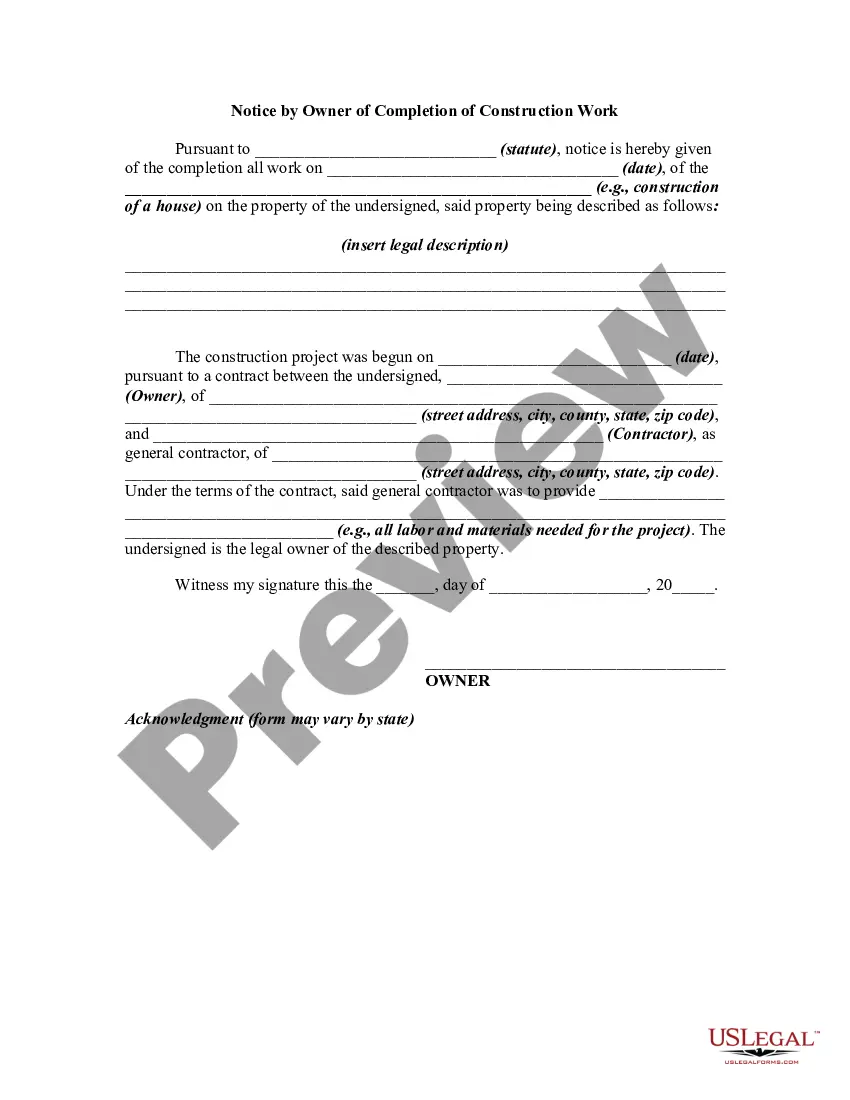
Completion Certificate For House In Illinois
Description
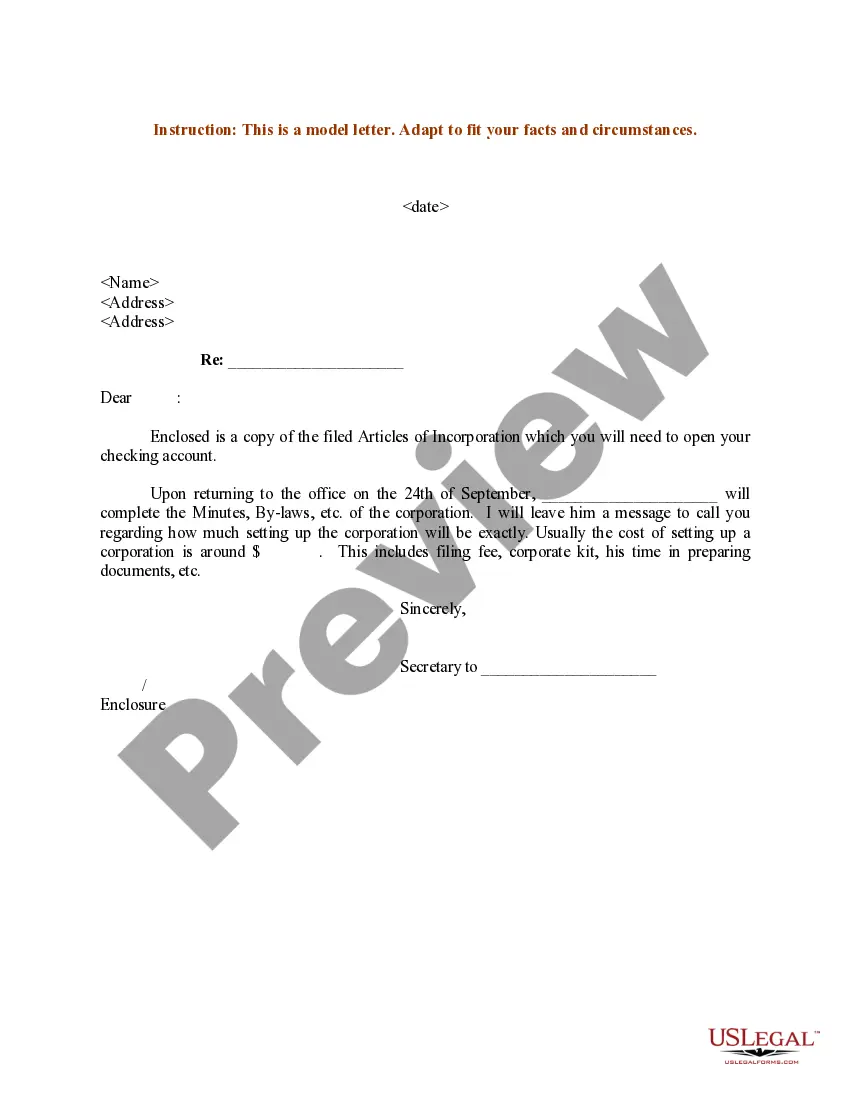
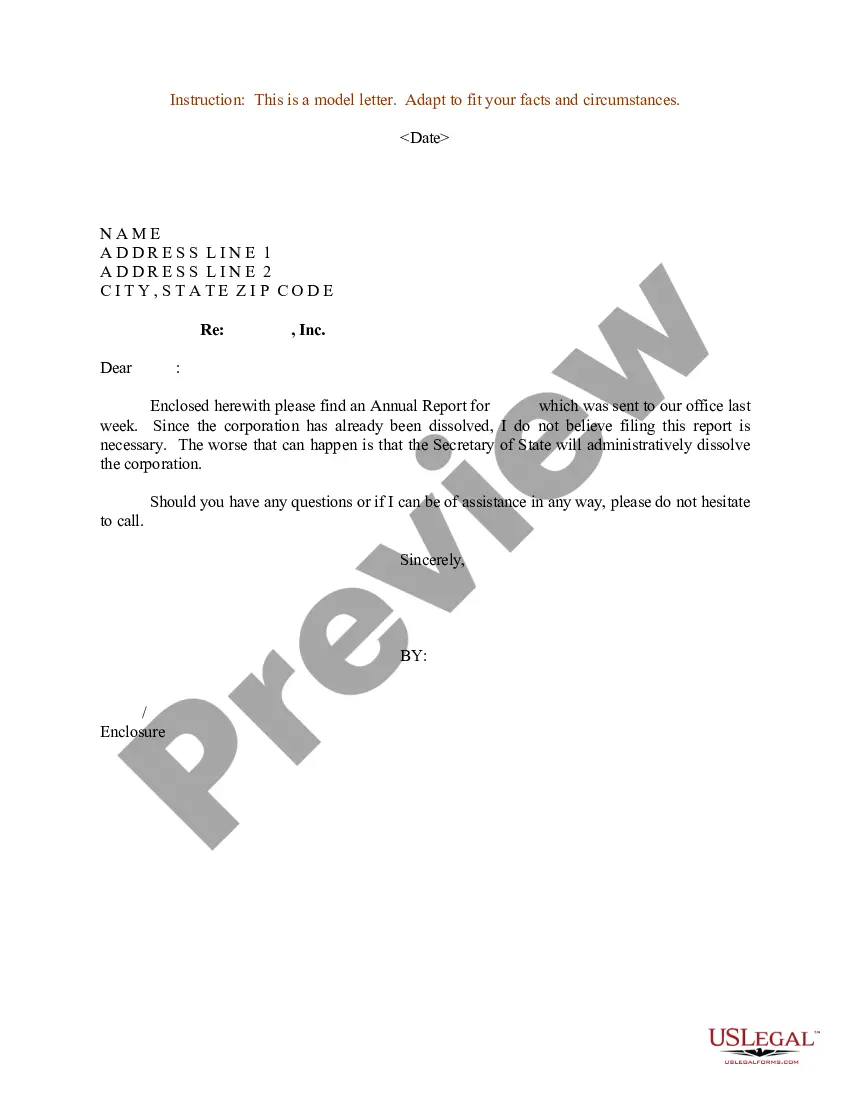
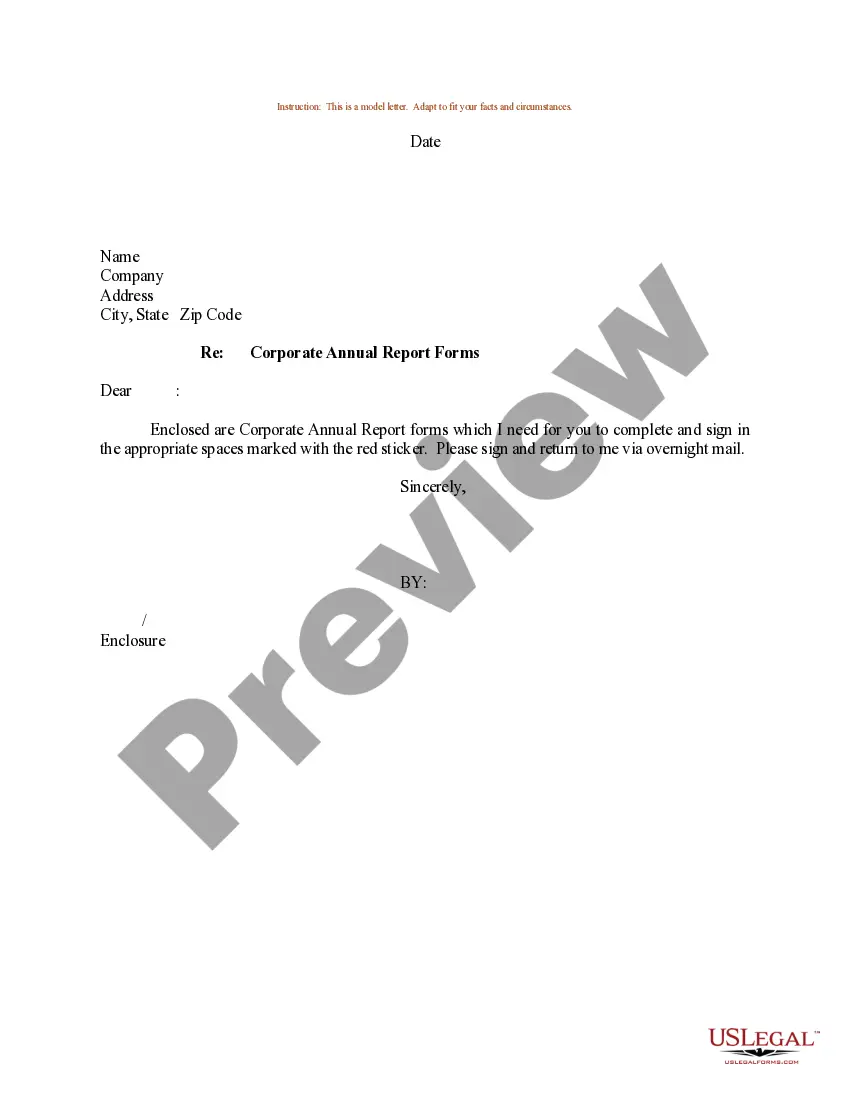
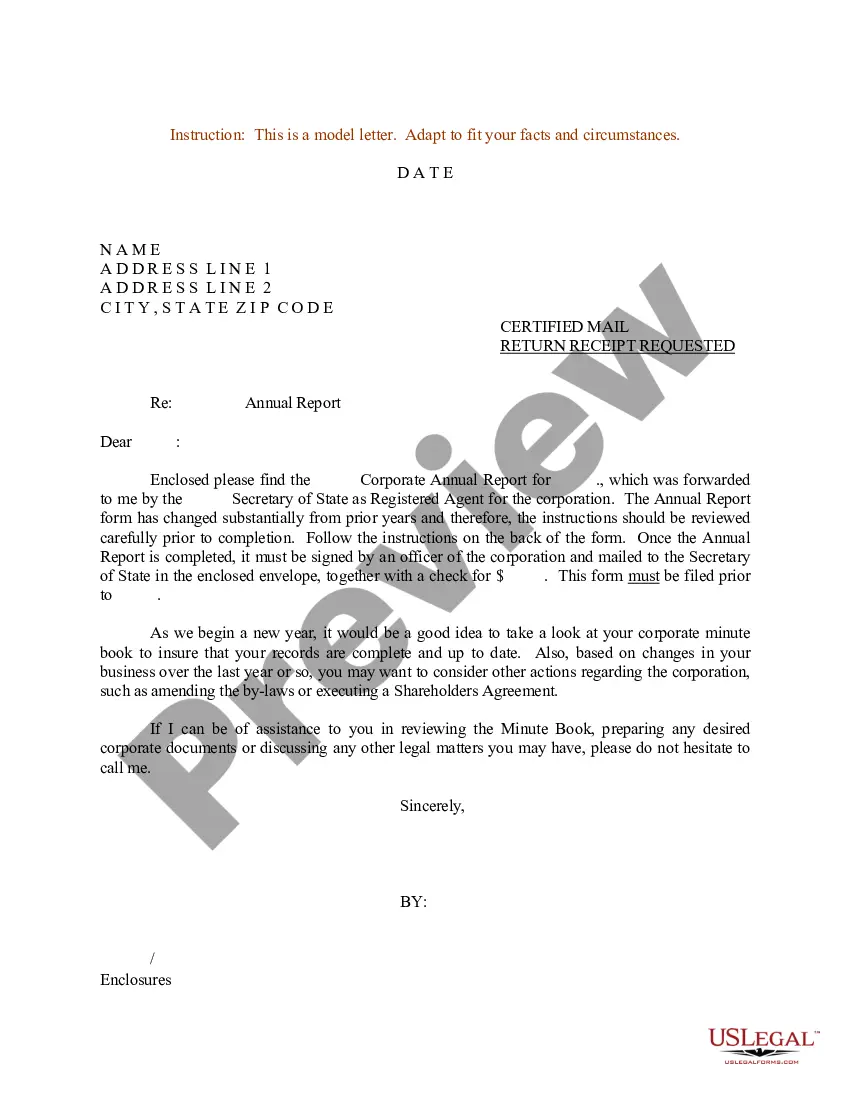
Get your form ready online
Our built-in tools help you complete, sign, share, and store your documents in one place.
Make edits, fill in missing information, and update formatting in US Legal Forms—just like you would in MS Word.
Download a copy, print it, send it by email, or mail it via USPS—whatever works best for your next step.
Sign and collect signatures with our SignNow integration. Send to multiple recipients, set reminders, and more. Go Premium to unlock E-Sign.
If this form requires notarization, complete it online through a secure video call—no need to meet a notary in person or wait for an appointment.
We protect your documents and personal data by following strict security and privacy standards.

Make edits, fill in missing information, and update formatting in US Legal Forms—just like you would in MS Word.

Download a copy, print it, send it by email, or mail it via USPS—whatever works best for your next step.

Sign and collect signatures with our SignNow integration. Send to multiple recipients, set reminders, and more. Go Premium to unlock E-Sign.

If this form requires notarization, complete it online through a secure video call—no need to meet a notary in person or wait for an appointment.

We protect your documents and personal data by following strict security and privacy standards.
Looking for another form?



Form popularity
FAQ
One crucial step that you should always consider in any construction project is obtaining a Certificate of Occupancy (CO). A CO is a legal document issued by the local government agency that certifies that a building complies with all regulations, safety codes and zoning requirements.
A Certificate of Occupancy is issued by the Department of Buildings to certify that residential buildings with 4 or more units and larger non-residential buildings conform to the requirements of the Chicago Building Code.
23 § 180.230. A certificate of occupancy shall be obtained prior to any occupancy of a facility, including a vehicular facility.
A certificate of occupancy (CO) is a legal document that certifies a building is safe and ready to be used, by verifying the structure complies with local building codes, usage regulations, and safety requirements.
Before a residence can be legally occupied, a Residential Certificate of Occupancy (Occupancy Permit) must be obtained.
Most people know that new buildings, additions to existing structures, renovations, demolitions, and temporary buildings usually require building permits and inspections. Less obvious projects that may require a permit include installing a swimming pool, deck and patios/fire pits.
All permits, except demolition permits, will expire one year from the date of issuance. Upon written request, the Building Division may extend the permit for a period of 180 days.
