Sample Speaking Engagement Agreement With Client In Wayne
Description
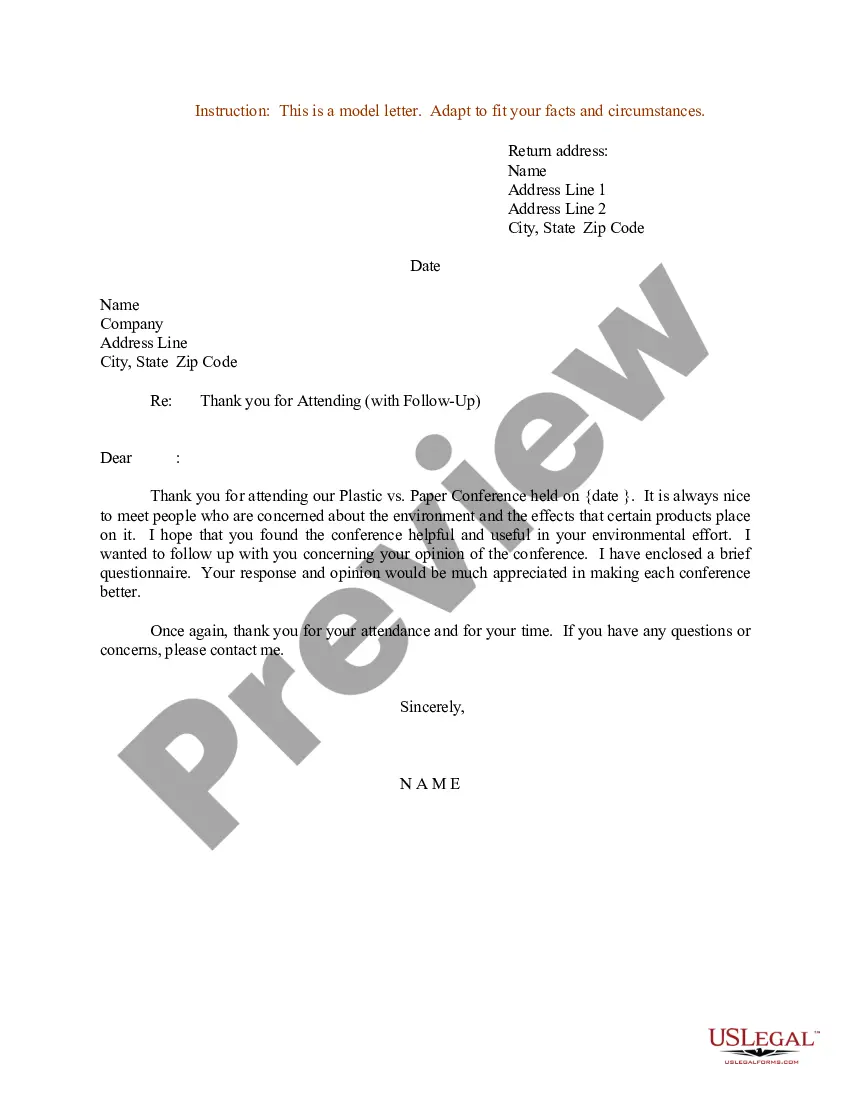
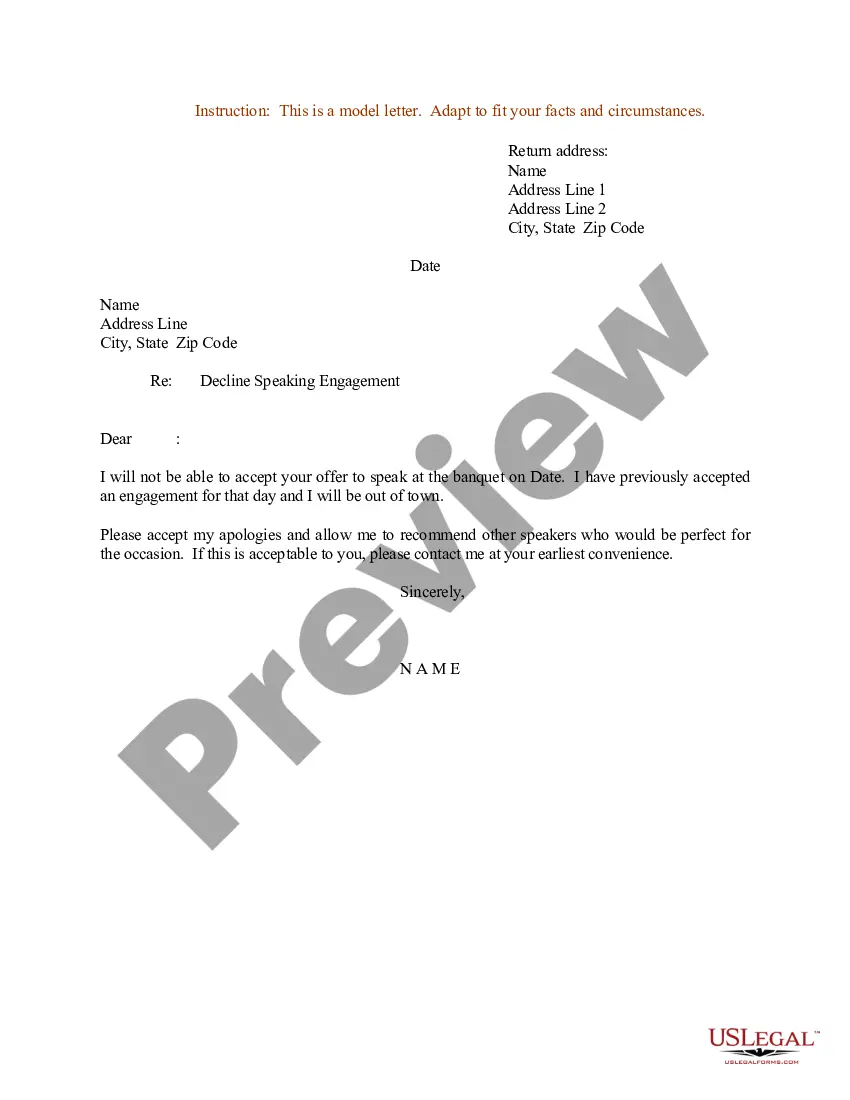
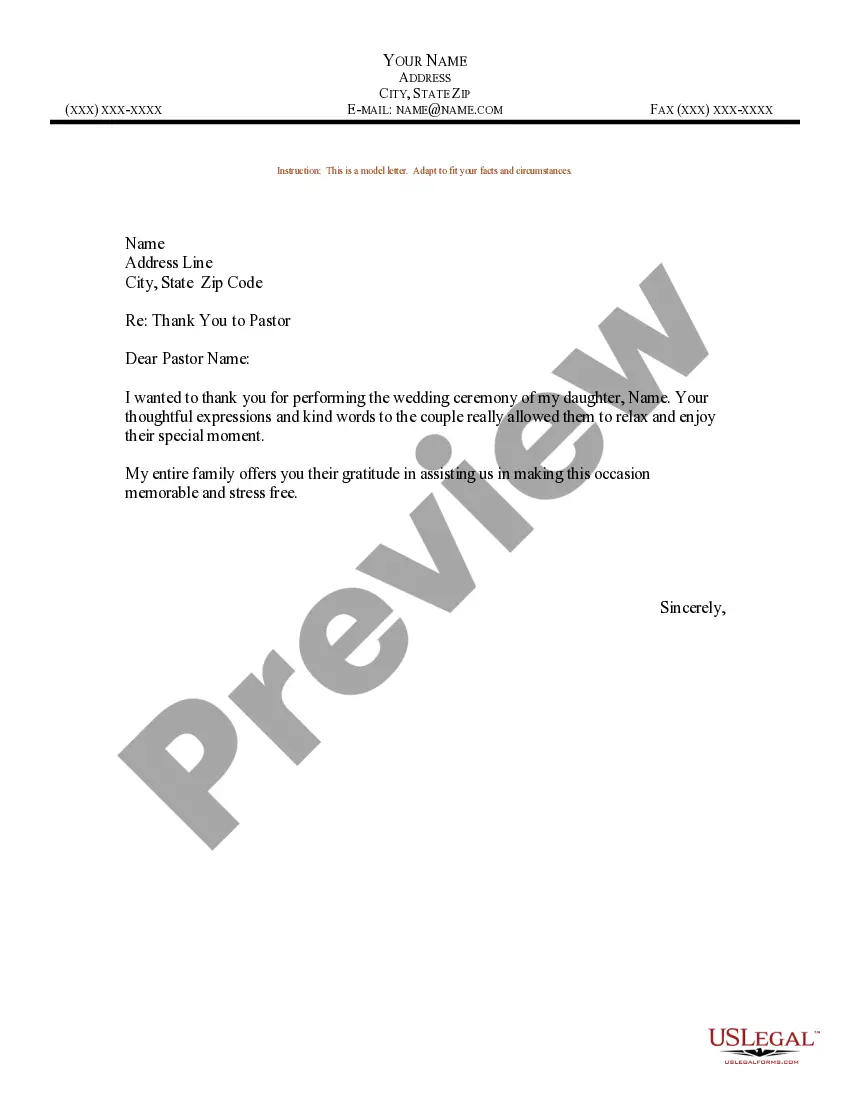
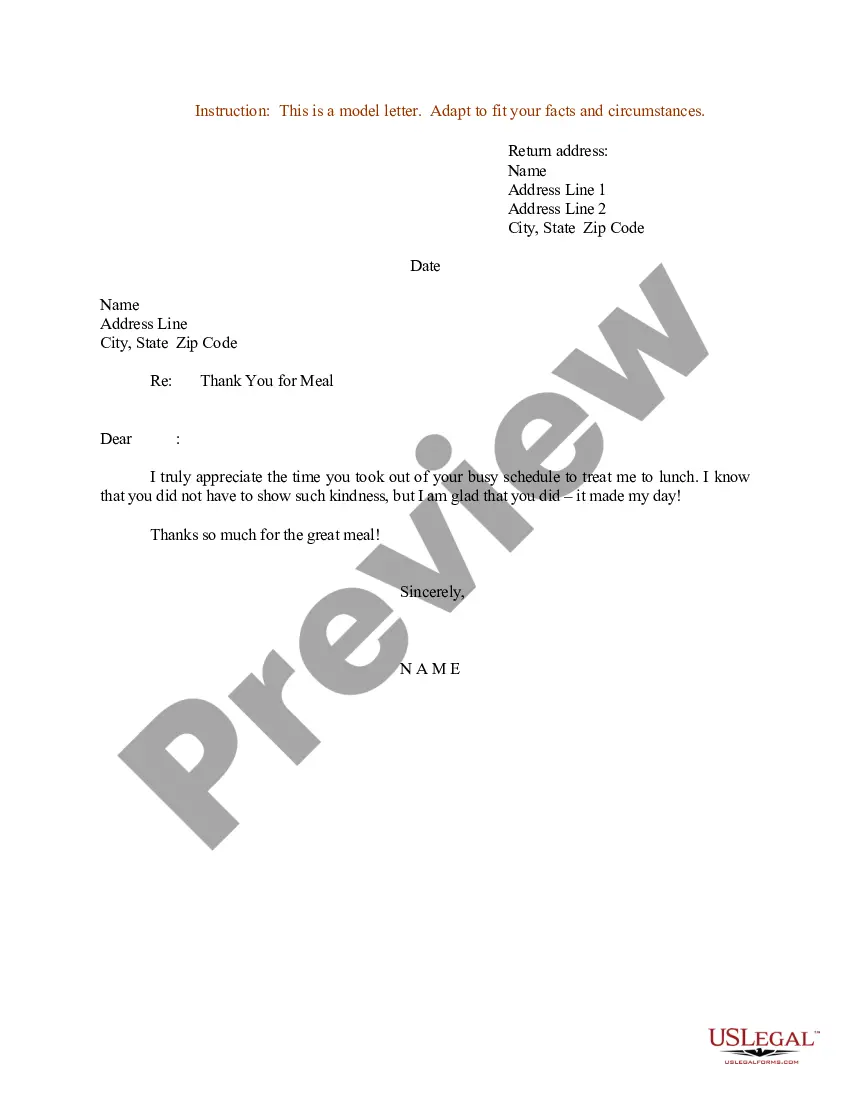
Get your form ready online
Our built-in tools help you complete, sign, share, and store your documents in one place.
Make edits, fill in missing information, and update formatting in US Legal Forms—just like you would in MS Word.
Download a copy, print it, send it by email, or mail it via USPS—whatever works best for your next step.
Sign and collect signatures with our SignNow integration. Send to multiple recipients, set reminders, and more. Go Premium to unlock E-Sign.
If this form requires notarization, complete it online through a secure video call—no need to meet a notary in person or wait for an appointment.
We protect your documents and personal data by following strict security and privacy standards.

Make edits, fill in missing information, and update formatting in US Legal Forms—just like you would in MS Word.

Download a copy, print it, send it by email, or mail it via USPS—whatever works best for your next step.

Sign and collect signatures with our SignNow integration. Send to multiple recipients, set reminders, and more. Go Premium to unlock E-Sign.

If this form requires notarization, complete it online through a secure video call—no need to meet a notary in person or wait for an appointment.

We protect your documents and personal data by following strict security and privacy standards.
Looking for another form?







Form popularity
FAQ
An advice note is a type of document that is sent by a supplier towards a customer in order to inform him or her that the products being ordered have been delivered. Generally, there are details added, such as the quantity of goods and how they are being dispatched.
When writing to advise, you should: Inform the reader's decision. Give information to help the reader to make a decision. Give your opinion. Offer a choice of actions. Support with facts and examples. Focus on the problem. Be friendly and sympathetic. Use modal verbs. Use imperative verbs.
Crafting the main body of the letter Identify the purpose of the letter and focus on providing advice that will help the recipient. Consider the recipient's needs and provide clear, concise and actionable advice. Outline the advice in a logical order and provide supporting evidence to back up your advice.
Meaning of letter of advice in English a formal letter to tell someone that you have done some something or that something has happened: She wrote a standard letter of advice to notify her client of the proposed changes.
End a letter with a respectful word or short phrase that signs off your message and signals your letter is complete. Common ways to end a letter include “Sincerely,” “Respectfully,” “Regards,” “Best,” and “Appreciatively.” Effective formal letter closings are polite, professional, and clear.
Advice notes should not be worded as though they are conditions. For example, an advice note should not state that the consent holder “shall” or “must” do something. Instead use wording like, “A building consent will be required …”
Advice notes should not be worded as though they are conditions. For example, an advice note should not state that the consent holder “shall” or “must” do something. Instead use wording like, “A building consent will be required …”
Client advice letters have a similar structure to legal memoranda. They typically include (A) an introduction, (B) a statement of facts, (C) an analysis section, and (D) a concluding paragraph.
To write a simple contract, title it clearly, identify all parties and specify terms (services or payments). Include an offer, acceptance, consideration, and intent. Add a signature and date for enforceability. Written contracts reduce disputes and offer better legal security than verbal ones.
In a nutshell, speaker contracts are print or electronic documents that outline a professional agreement between a speaker and their client.

