Sample Bio For Speaking Engagement In Wake
Description
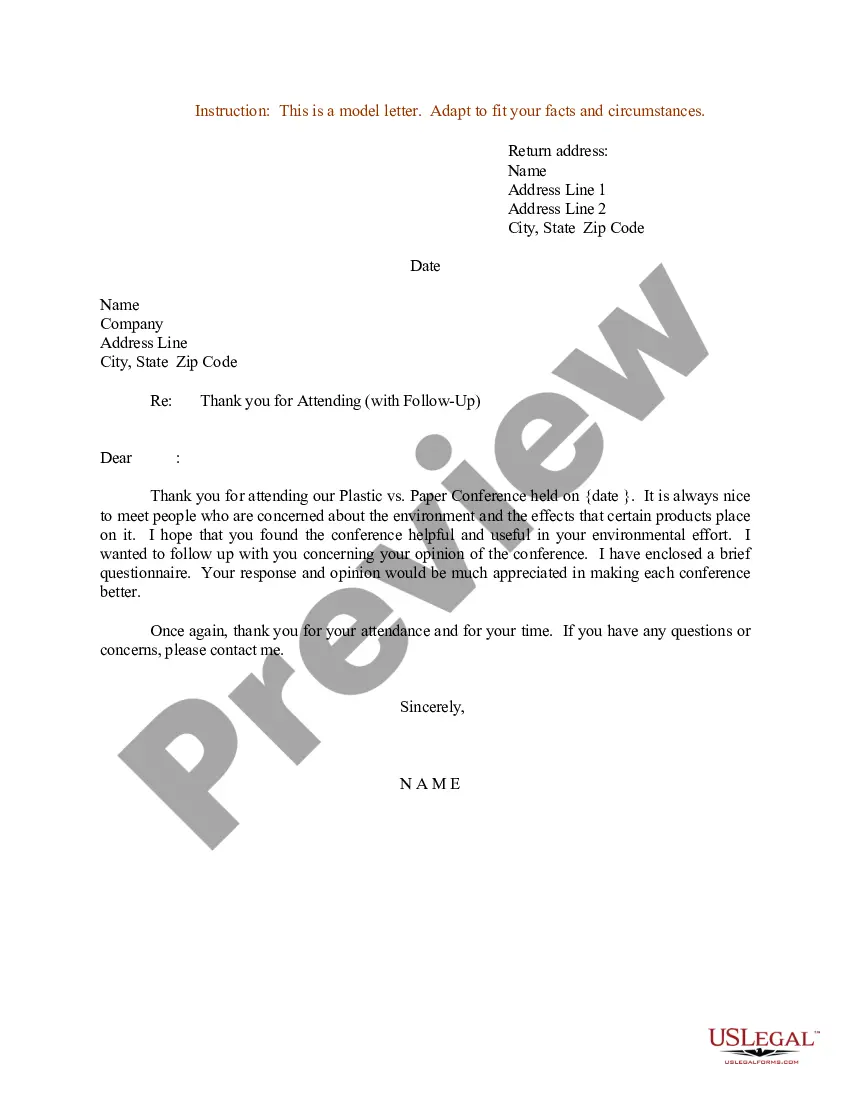
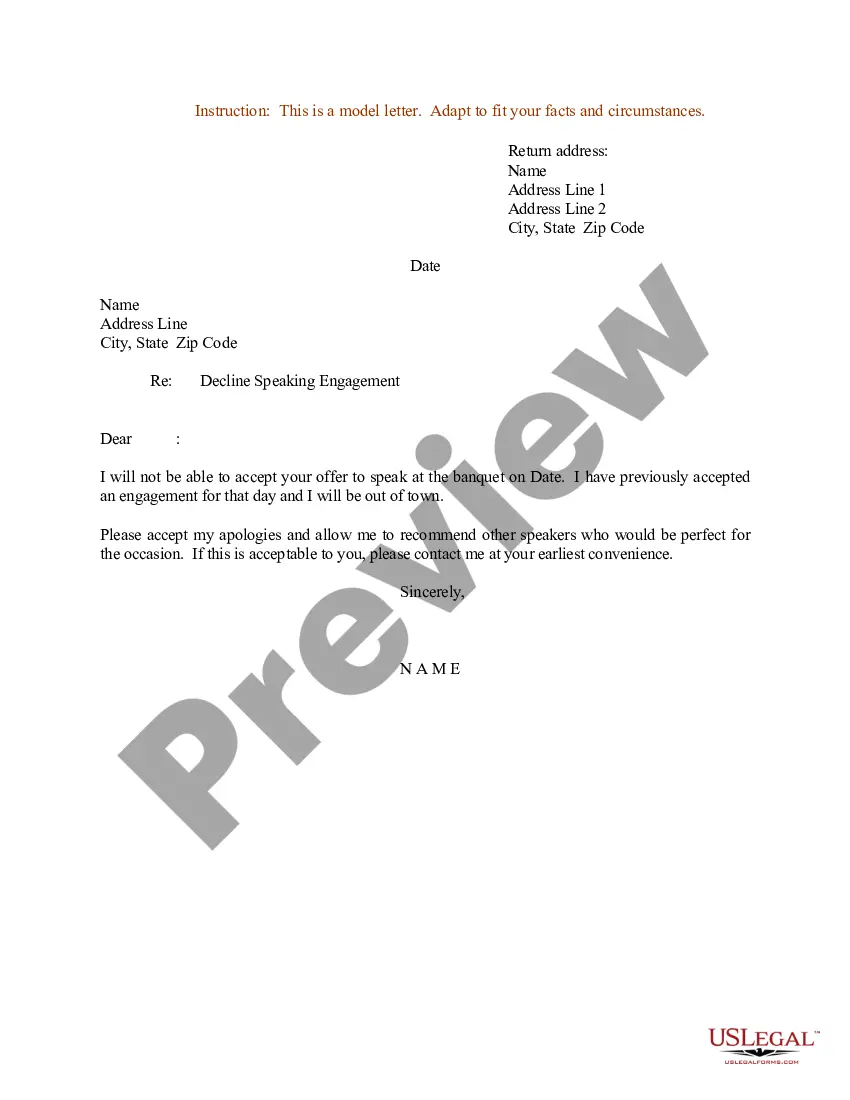
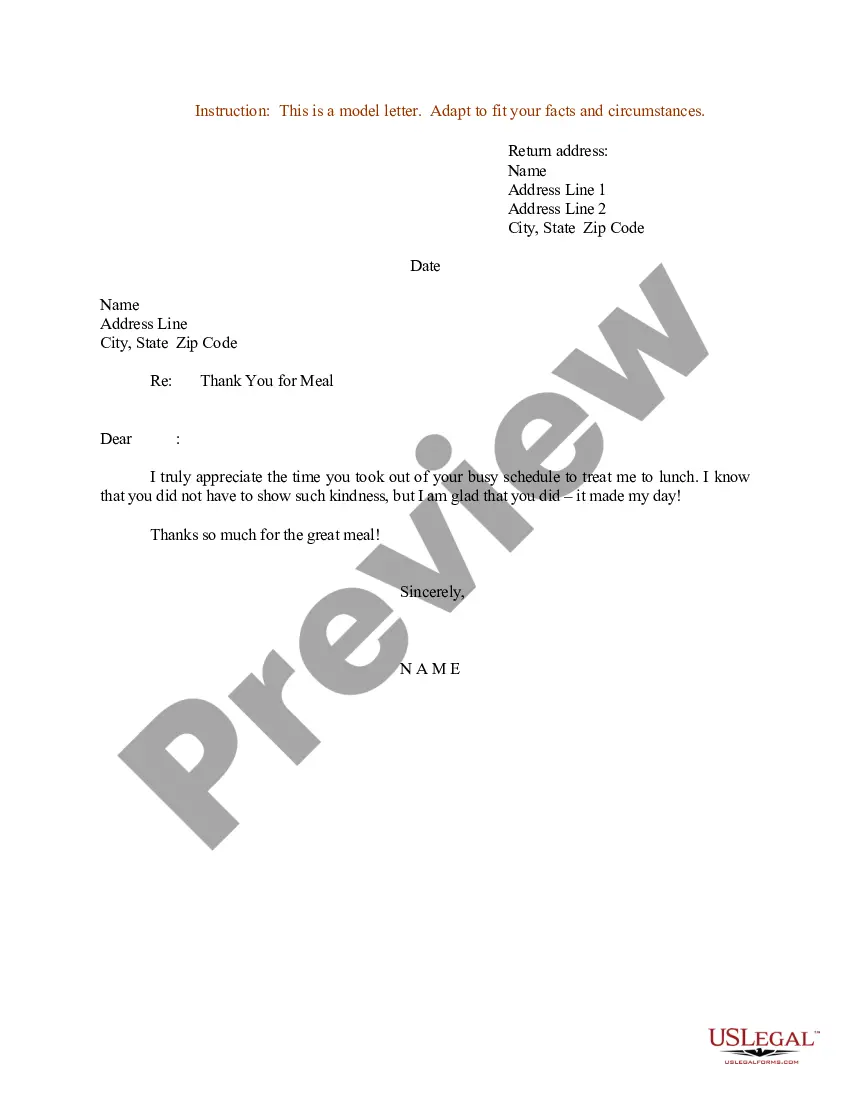
Get your form ready online
Our built-in tools help you complete, sign, share, and store your documents in one place.
Make edits, fill in missing information, and update formatting in US Legal Forms—just like you would in MS Word.
Download a copy, print it, send it by email, or mail it via USPS—whatever works best for your next step.
Sign and collect signatures with our SignNow integration. Send to multiple recipients, set reminders, and more. Go Premium to unlock E-Sign.
If this form requires notarization, complete it online through a secure video call—no need to meet a notary in person or wait for an appointment.
We protect your documents and personal data by following strict security and privacy standards.

Make edits, fill in missing information, and update formatting in US Legal Forms—just like you would in MS Word.

Download a copy, print it, send it by email, or mail it via USPS—whatever works best for your next step.

Sign and collect signatures with our SignNow integration. Send to multiple recipients, set reminders, and more. Go Premium to unlock E-Sign.

If this form requires notarization, complete it online through a secure video call—no need to meet a notary in person or wait for an appointment.

We protect your documents and personal data by following strict security and privacy standards.
Looking for another form?










Form popularity
FAQ
Give the speaker credibility by sharing his or her professional background, education, and experience. Convince the audience that this speaker is highly qualified and provide specific citations to build the speaker's expertise. Relate the importance and relevance of the topic to audience needs.
The best speaker bios include the following elements: The speaker's name and title. Their current affiliation (e.g., CEO of Acme Corp.) Relevant experience and expertise. Accomplishments and achievements (e.g., awards or publications) Education and qualifications. Information about previous speaking engagements.
The best speaker bios include the following elements: The speaker's name and title. Their current affiliation (e.g., CEO of Acme Corp.) Relevant experience and expertise. Accomplishments and achievements (e.g., awards or publications) Education and qualifications. Information about previous speaking engagements.
How to write a professional bio Your name. Your current role or professional tagline. Your company or personal brand. Your goals and aspirations. Your 2-3 most impressive and relevant achievements. One quirky fact about you (if it's appropriate to the site)
What a Speaker Bio should include (short version) Name and title. Education & qualifications. Experience & specialisms in your field (current role first) Achievements. About your presentation. Contact information.
Key Elements of a Short Bio for Presentations Start with Your Name and Current Role. Begin your bio by stating your name and current job title or professional role. Highlight Relevant Qualifications and Achievements. Mention Noteworthy Projects or Roles. Add a Personal Touch. Tailor Your Bio to the Audience and Occasion.
Here are 10 steps for putting together a winning intro for yourself. Be Concise. First and foremost, keep it short. Write it to Be Read Aloud. Open With the Problem or Need. Point to the Solution. BRIEFLY List Qualifications. Add a Fun Twist. Close With a Welcome. Confer With Your Introducer.
What Is the Best Way to Introduce a Speaker? Research and gather information. Establish credibility. Create a connection. Build anticipation. Keep it concise and engaging. Engage listeners with a thought-provoking question. Begin with a captivating anecdote or story. Make a bold statement.
Here's a simple structure you can follow: Start with your name: ``Hi, I'm (Your Name).'' Mention your background: ``I'm from (Your Location) and have a background in (Your Field/Profession).'' Share your interests: ``I'm passionate about (Your Interests or Hobbies).''

