Installment Loan Contract With Mortgage In Wayne
Description

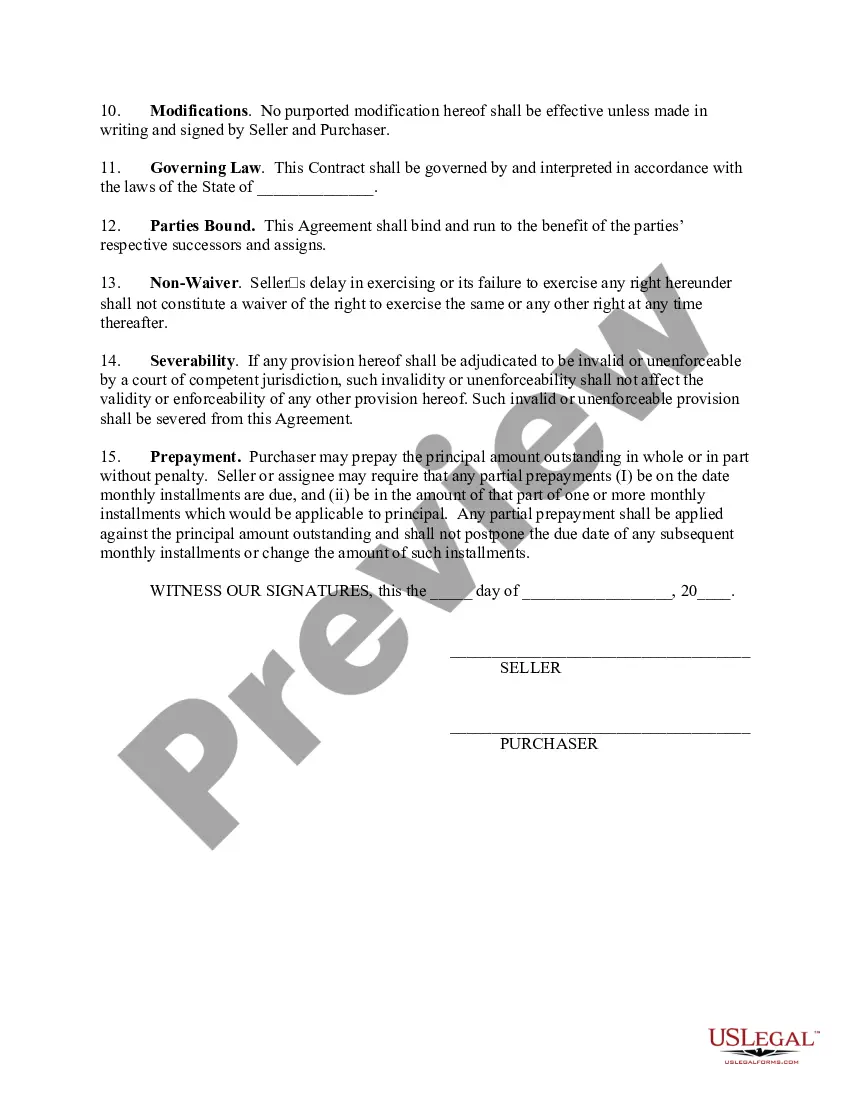
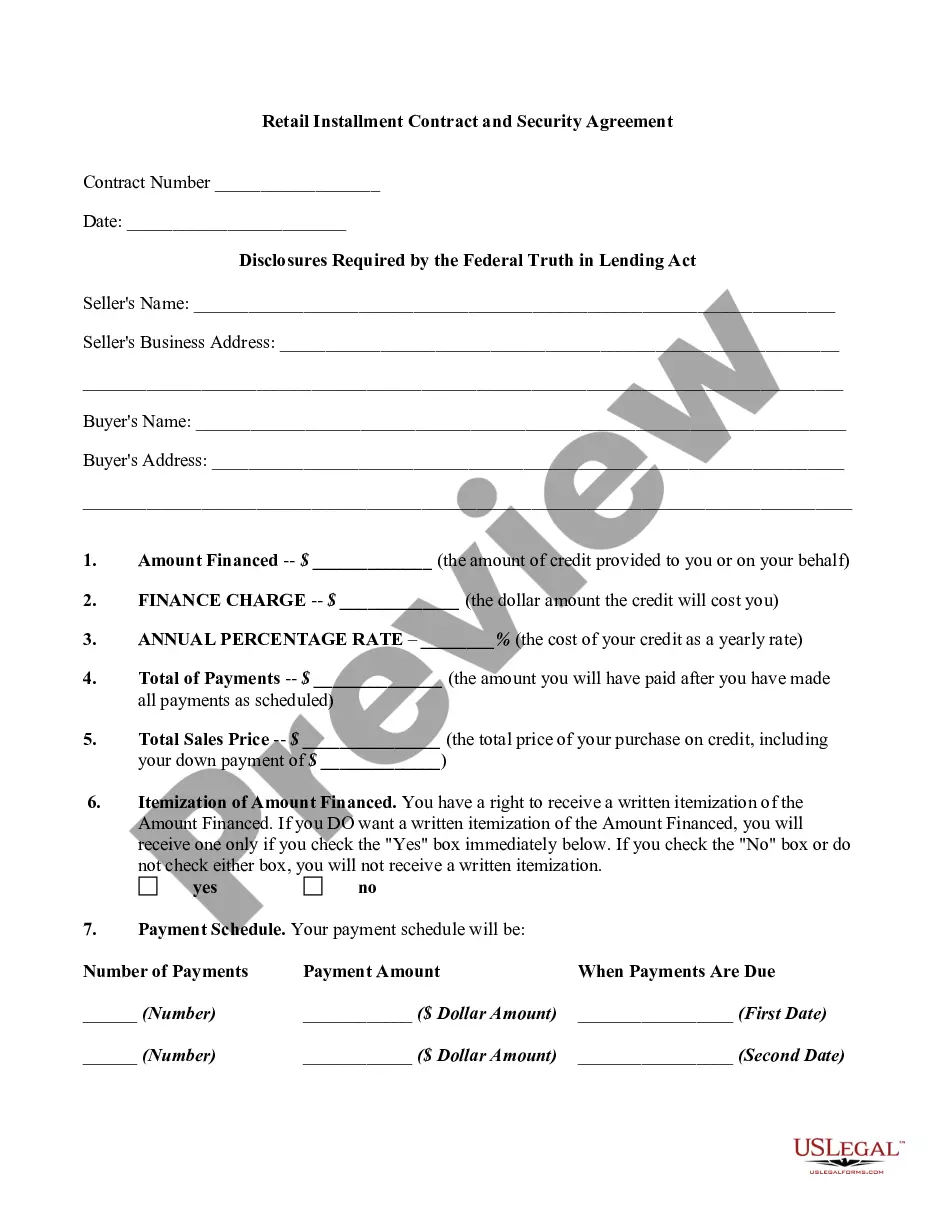
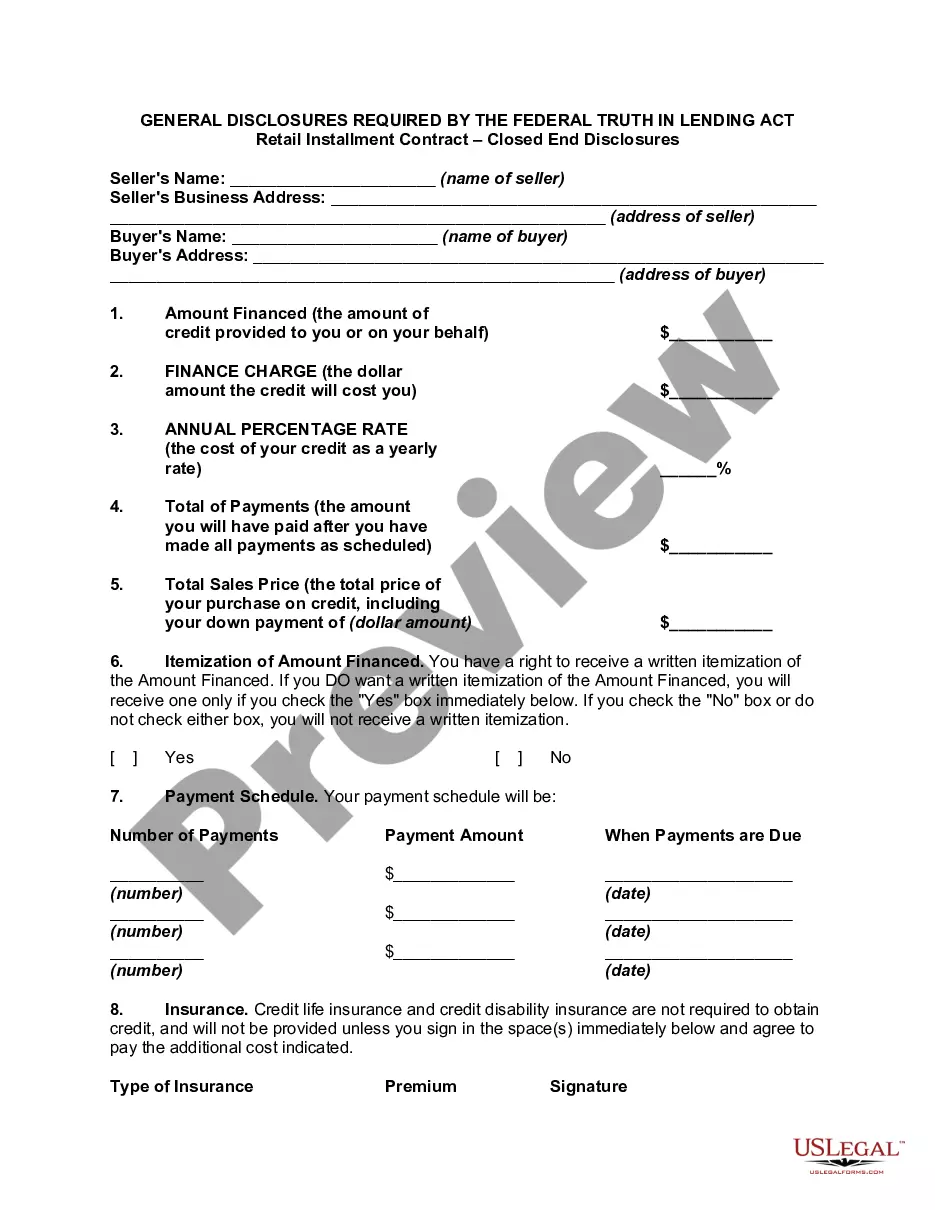
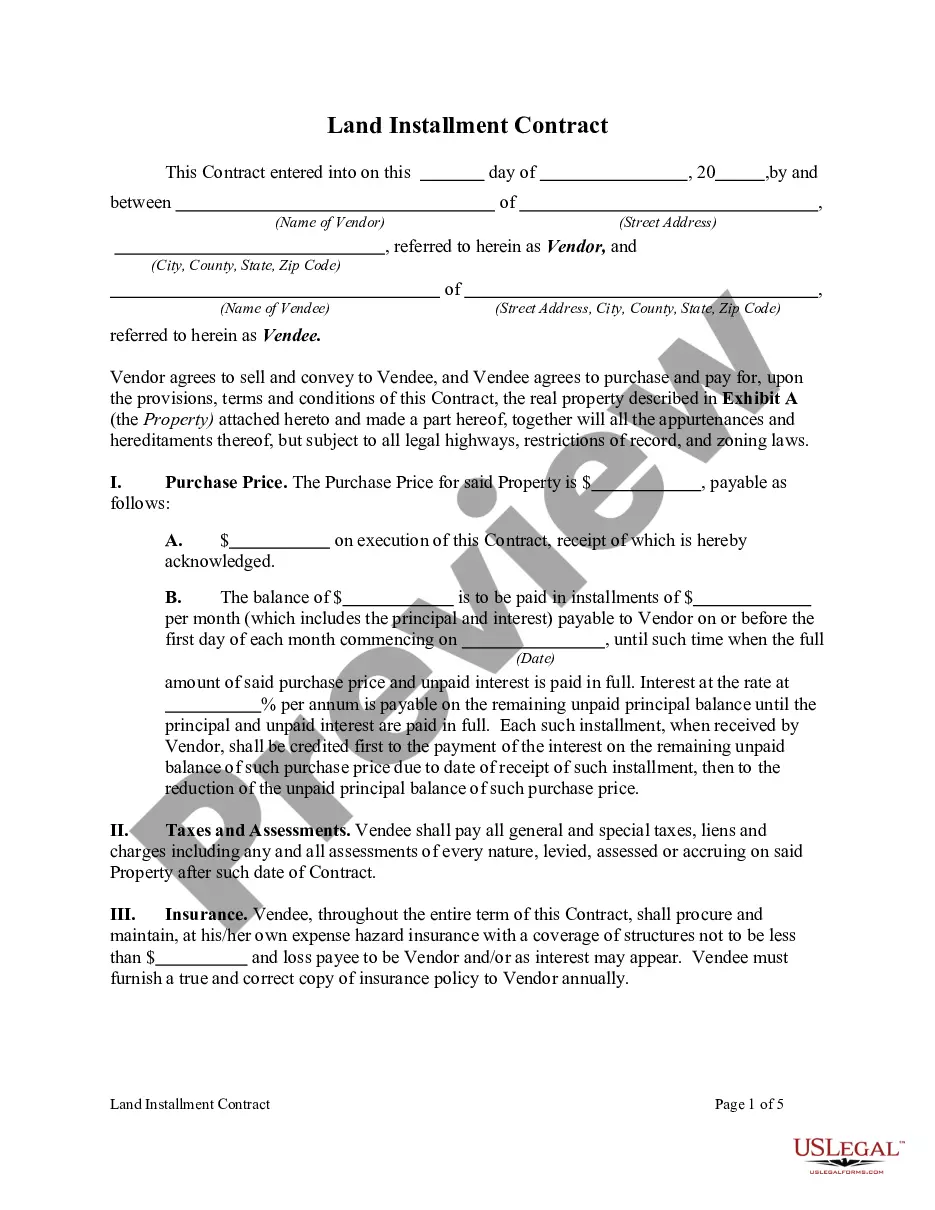
Get your form ready online
Our built-in tools help you complete, sign, share, and store your documents in one place.
Make edits, fill in missing information, and update formatting in US Legal Forms—just like you would in MS Word.
Download a copy, print it, send it by email, or mail it via USPS—whatever works best for your next step.
Sign and collect signatures with our SignNow integration. Send to multiple recipients, set reminders, and more. Go Premium to unlock E-Sign.
If this form requires notarization, complete it online through a secure video call—no need to meet a notary in person or wait for an appointment.
We protect your documents and personal data by following strict security and privacy standards.

Make edits, fill in missing information, and update formatting in US Legal Forms—just like you would in MS Word.

Download a copy, print it, send it by email, or mail it via USPS—whatever works best for your next step.

Sign and collect signatures with our SignNow integration. Send to multiple recipients, set reminders, and more. Go Premium to unlock E-Sign.

If this form requires notarization, complete it online through a secure video call—no need to meet a notary in person or wait for an appointment.

We protect your documents and personal data by following strict security and privacy standards.
Looking for another form?









Form popularity
FAQ
Installment loans are often distributed in a lump sum and then repaid in equal amounts over time. Personal loans, auto loans, mortgages and student loans are all examples of installment loans.
Once a mortgage term has ended, any outstanding balance is due immediately. This can leave the homeowner with limited options: sell, remortgage, or face possession action in the courts.
Typically, the IRS does not allow taxpayers to have two separate installment agreements simultaneously.
The easiest way to set up a payment plan with the state is to call Interface at 517-241-5060 or call Michigan Accounts Receivable Collection System (MARCS) at 800-950-6227.
Form 9465 can be included electronically with an e-filed return or paper-filed. When filing a paper return, complete Form 9465, attach it to the front of your client's return before mailing. They should receive a response to the request for installment payments within 30 days.
While the IRS typically doesn't allow taxpayers to have two separate installment agreements, adding a new tax debt to an existing installment plan is possible. However, taxpayers must act swiftly before the IRS assesses the new tax balance and potential default occurs, triggering enforcement actions.
An installment contract is a single contract that is completed by a series of performances–such as payments, performances of a service, or delivery of goods–rather than being performed all at one time. Installment contracts can provide that installments are to be performed by either one or both parties.
The parties will also agree on the interest rate. However, in Michigan the interest rate cannot be above 11%. It is possible for the interest rate to change over time, but the average interest rate has to be 11% or less.
You need to be sure the contract for deed does not trigger a “due on sale" clause in any existing mortgage. You may be subject to government regulation. Some states or localities require certain real estate sale-disclosure statements.
The land contract will also specify the duration of the payments. A land contract may have a term of 15 or 30 years like a conventional mortgage, or it may balloon after 3 or 5 years. Because land contract sellers are typically individuals or family companies, and not large corporations, shorter terms are more common.
