Letter Engagement Form With Decimals In Wake
Description
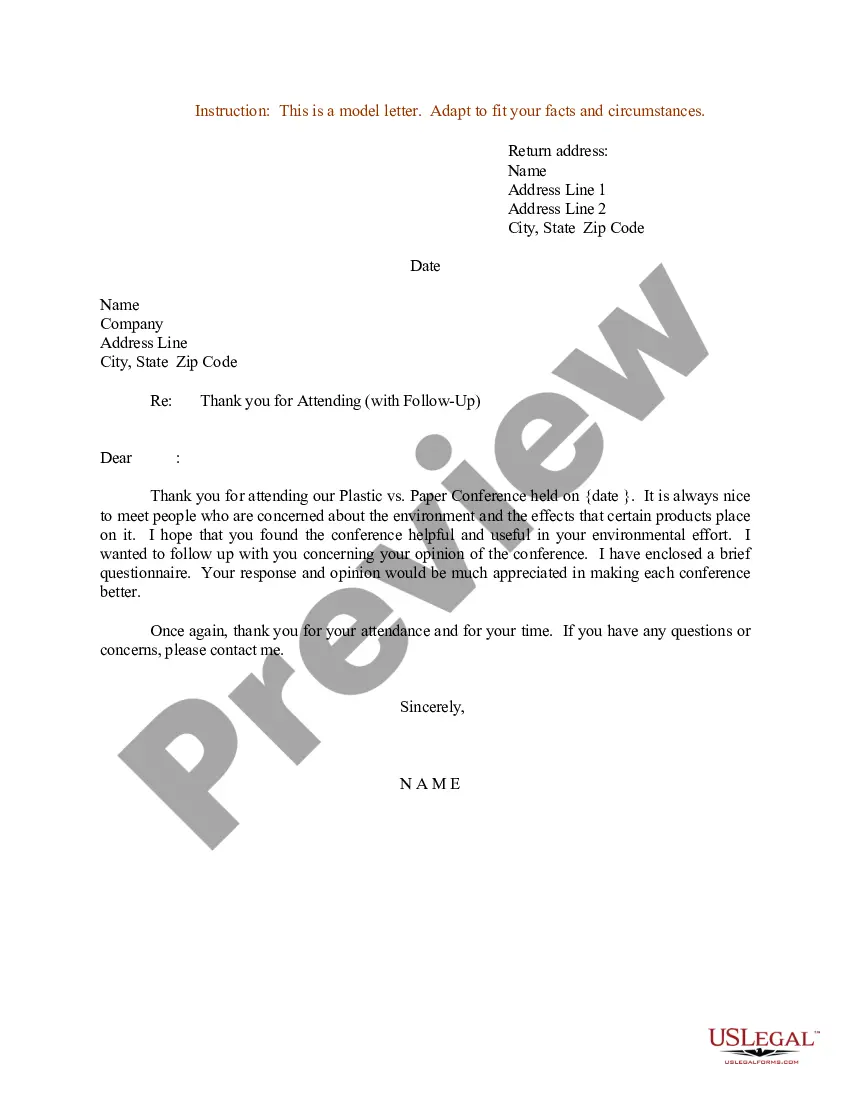
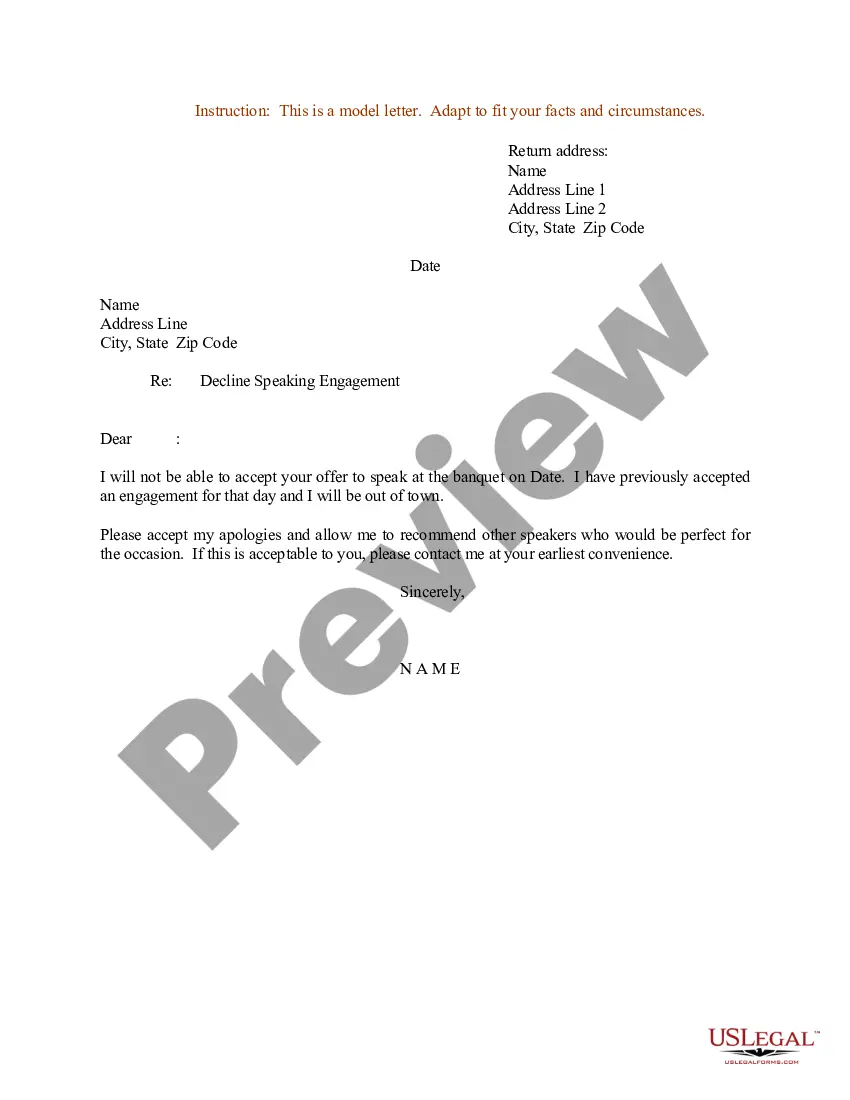
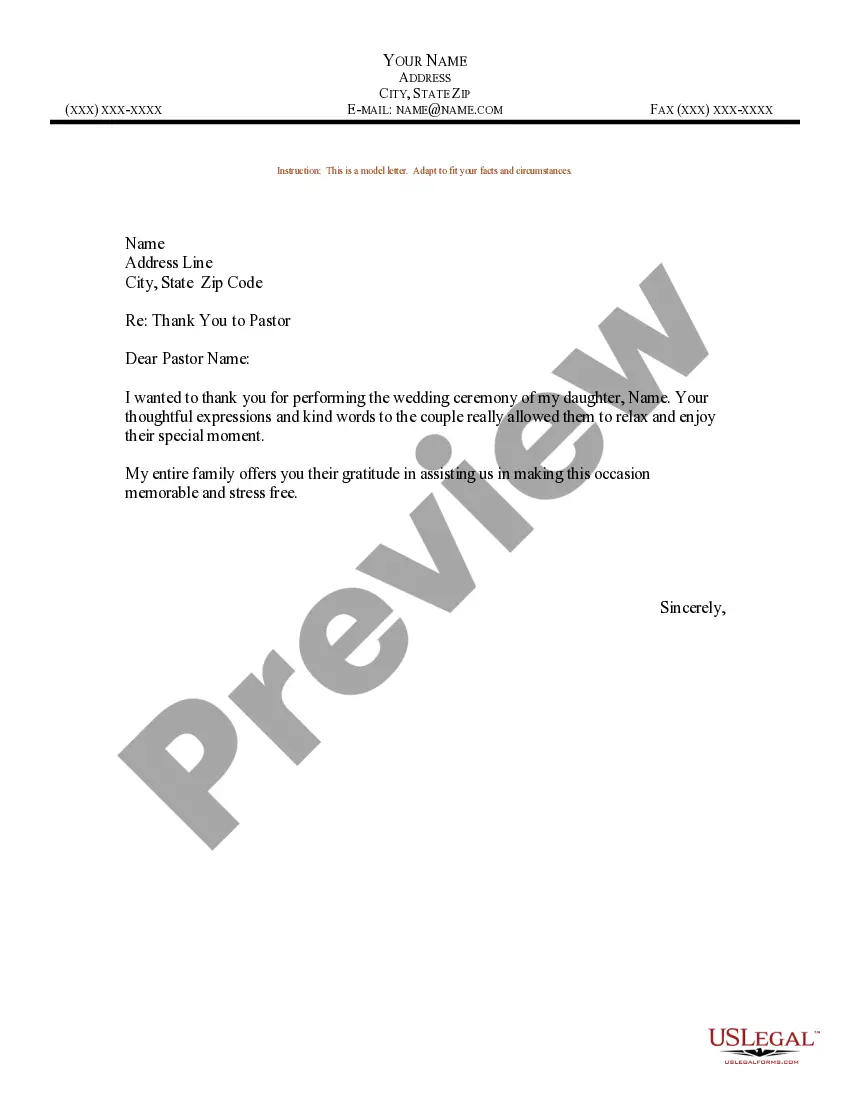
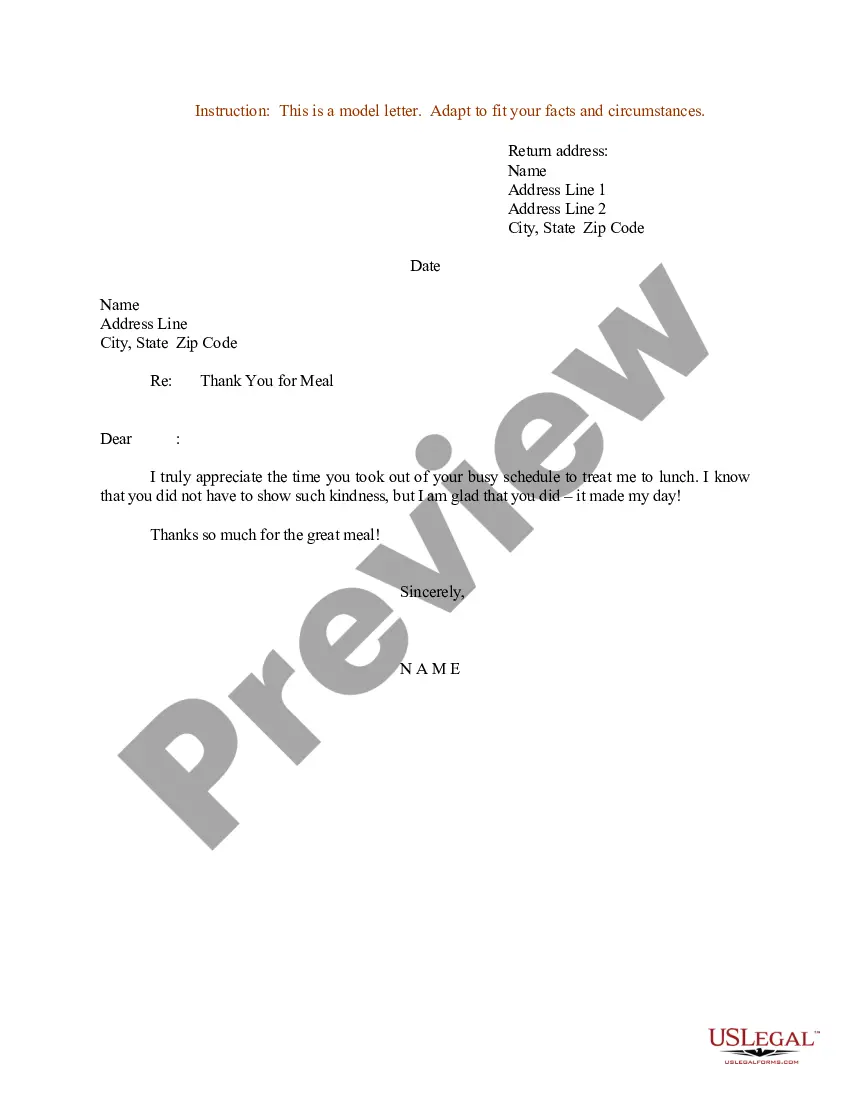
Get your form ready online
Our built-in tools help you complete, sign, share, and store your documents in one place.
Make edits, fill in missing information, and update formatting in US Legal Forms—just like you would in MS Word.
Download a copy, print it, send it by email, or mail it via USPS—whatever works best for your next step.
Sign and collect signatures with our SignNow integration. Send to multiple recipients, set reminders, and more. Go Premium to unlock E-Sign.
If this form requires notarization, complete it online through a secure video call—no need to meet a notary in person or wait for an appointment.
We protect your documents and personal data by following strict security and privacy standards.

Make edits, fill in missing information, and update formatting in US Legal Forms—just like you would in MS Word.

Download a copy, print it, send it by email, or mail it via USPS—whatever works best for your next step.

Sign and collect signatures with our SignNow integration. Send to multiple recipients, set reminders, and more. Go Premium to unlock E-Sign.

If this form requires notarization, complete it online through a secure video call—no need to meet a notary in person or wait for an appointment.

We protect your documents and personal data by following strict security and privacy standards.
Looking for another form?



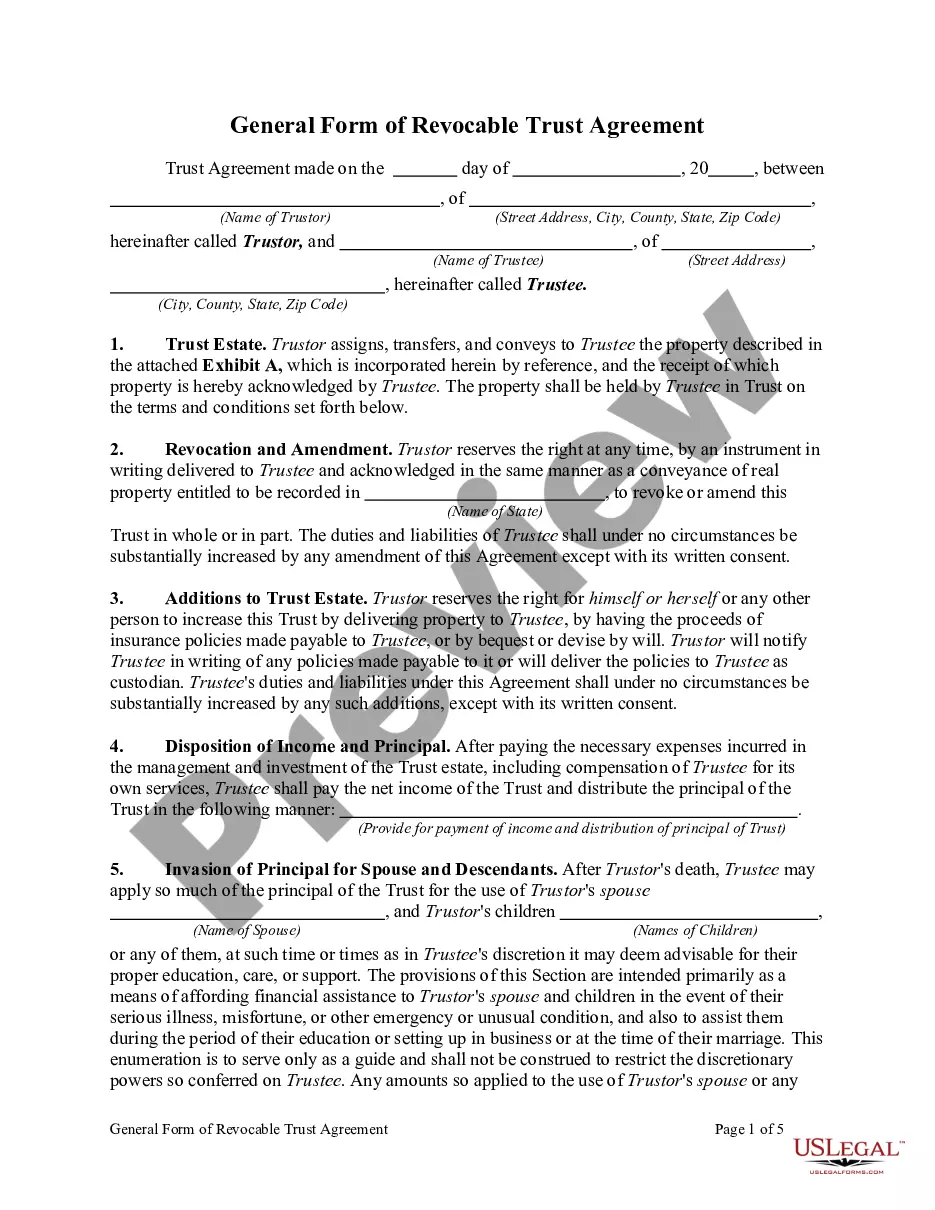
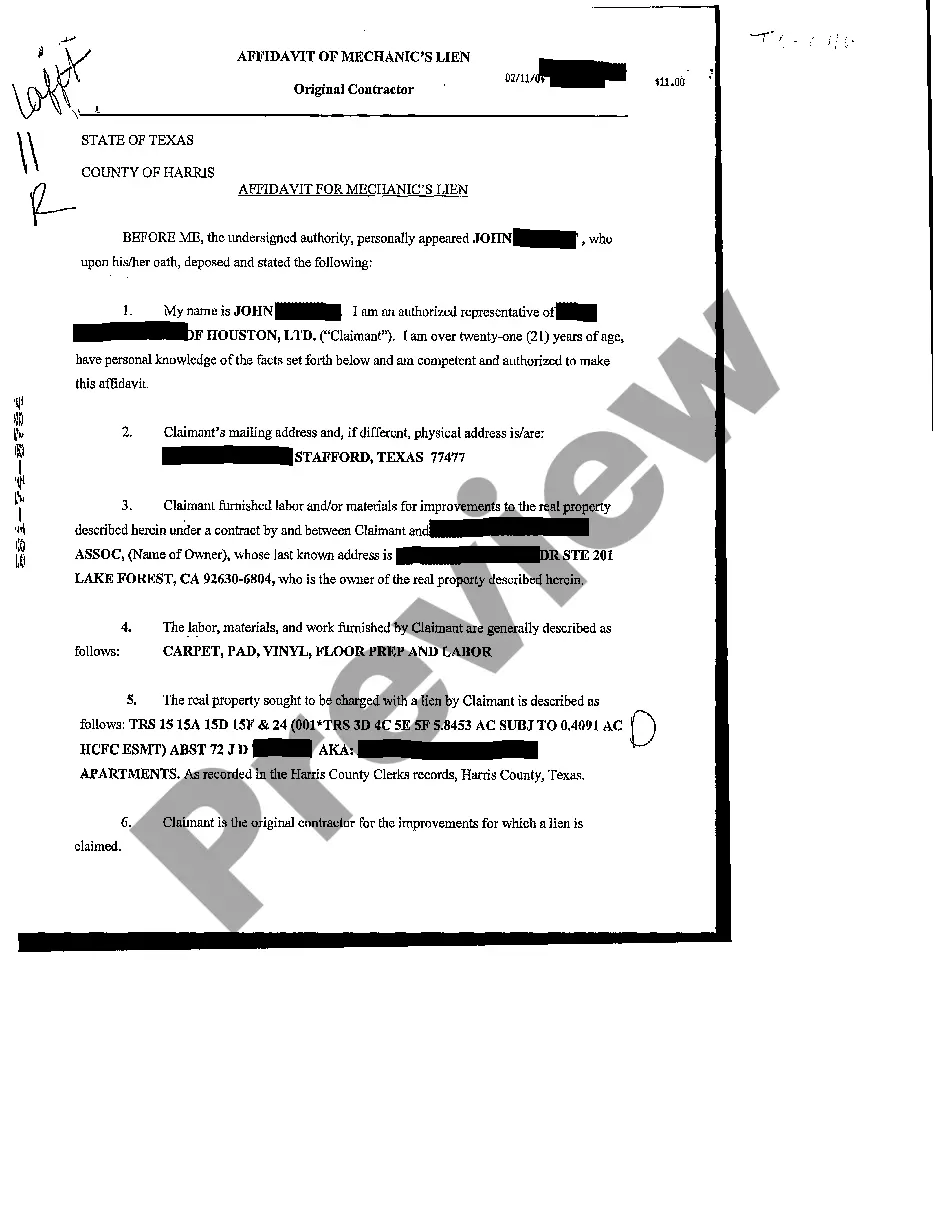


Form popularity
FAQ
A decimal literal is a numeric literal expressed in the conventional decimal notation (that is, the base is implicitly ten).
A decimal literal in Python is a numeric literal containing a decimal point. For example, 3.14 is a valid decimal literal. However, if the decimal literal contains letters or starts with a number, Python raises an "Invalid Decimal Literal" error.
Basic Decimal Terminology Decimal Point: A dot used to separate the whole number from the fraction in a decimal number. Example: In 3.14, the decimal point separates 3 and 14. Whole Number Part: The part of the decimal to the left of the decimal point. Example: In 7.89, 7 is the whole number part.
Setting a decimal value in your C# code is straightforward. Just remember to put that little 'm' at the end of the value.
Decimal(Int32) Initializes a new instance of Decimal to a decimal value represented in binary and contained in a specified array.
For example, here is an integer variable named ''/count assigned as an integer value in this statement: int count = 0; “int count” is the integer variable, and a literal '0' represents the value of zero. Therefore, a constant value that is assigned to the variable can be called a literal.
Syntax: decimal variable_name = value; We have to use 'm' or 'M' as a suffix with the literal, to represent a decimal value.
Examples: 1 , . 2 , 3.4 , -5 , -6.78 , +9.10 . Approximate-value numeric literals are represented in scientific notation with a mantissa and exponent. Either or both parts may be signed.

